The Art of Deception: When Standard Baits Fail
Every angler, from the weekend warrior to the seasoned professional, has faced the humbling experience of a fish refusing to bite. You’ve tried everything in your tackle box: the flashy lures, the proven live baits, even the secret concoction your grandfather swore by. Yet, the fish remain stubbornly indifferent. It’s in these frustrating moments that the true art of angling emerges – the ability to think outside the box and present something so subtly different, so undeniably enticing, that even the most wary fish can’t resist.
We’re not talking about some revolutionary, never-before-seen bait. Instead, we’re focusing on a time-tested technique, a subtle tweak to presentation that can often be the key to unlocking success when all else fails. This trick isn’t about overpowering the fish with scent or flash; it’s about triggering their natural instincts with a presentation that mimics something vulnerable and easy to consume.
Have you ever considered that maybe the fish aren’t necessarily full, but rather, they’re simply suspicious? They’ve seen the same lures and baits countless times. They’ve learned to associate certain presentations with danger. Breaking through this learned behavior requires a delicate touch, a nuanced approach that appeals to their inherent feeding patterns without raising alarm bells.
The Power of Subtlety
The “bait trick” we’re about to explore relies heavily on the principle of minimizing unnatural cues. It’s about stripping away the unnecessary, focusing on the bare essentials, and presenting your bait in the most natural and unobtrusive way possible. Think of it as the angling equivalent of a magician’s misdirection. You’re drawing the fish’s attention away from the potential danger (the hook and line) and focusing it entirely on the irresistible appeal of the bait itself.
This technique is particularly effective in heavily pressured waters, where fish have become accustomed to seeing a constant barrage of artificial lures and poorly presented baits. These fish are often highly selective, scrutinizing every offering with a critical eye. To fool them, you need to offer something that doesn’t scream “artificial” or “dangerous.”
Consider this scenario: a crystal-clear lake, teeming with bass, but they refuse to touch your Texas-rigged worm. You see smaller fish darting around, feeding actively. The key here isn’t to try a bigger, flashier bait. It’s to downsize, refine your presentation, and mimic the natural forage that the bass are already accustomed to seeing.
Unveiling the Technique: The Less-Is-More Approach
The core of this bait trick lies in three crucial elements: hook selection, bait reduction, and presentation refinement. Let’s break down each of these components in detail.
Hook Selection: The Barbless Advantage
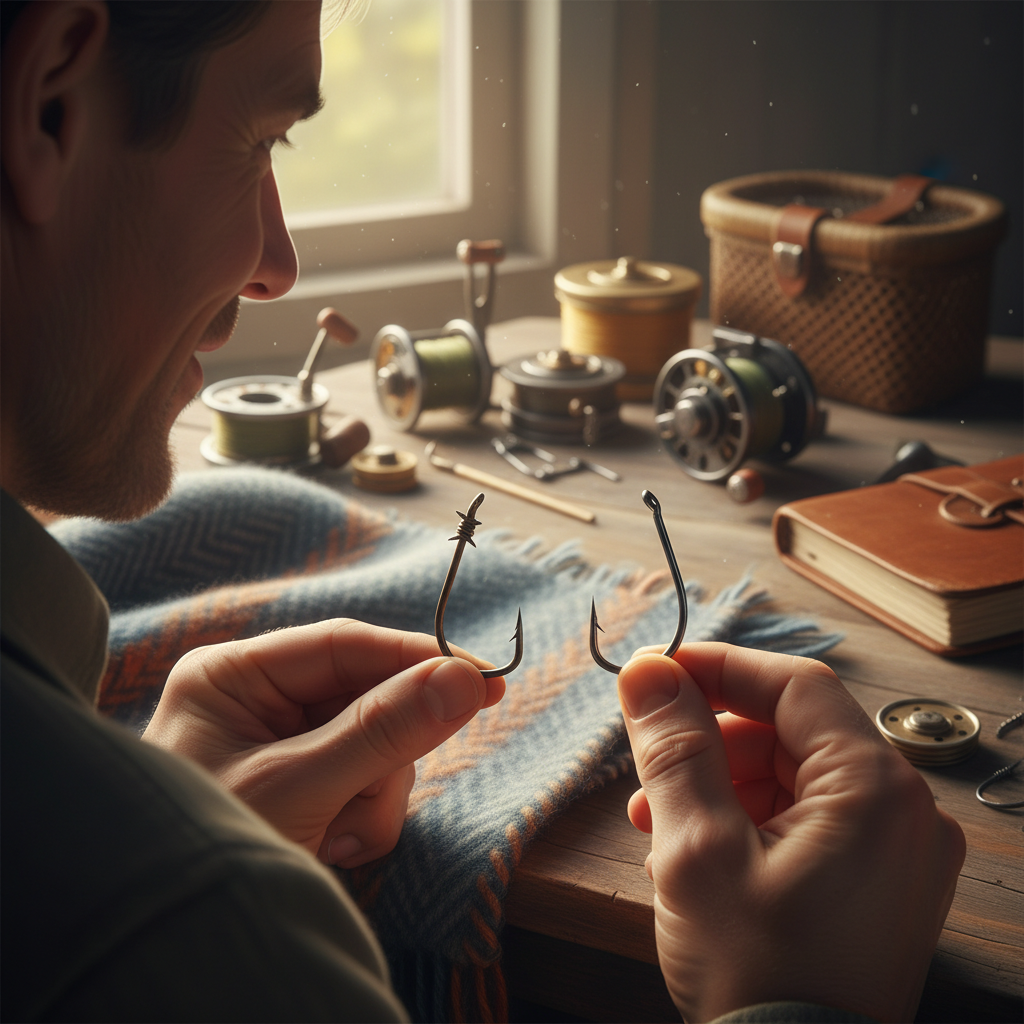
The first, and perhaps most critical, element is switching to a barbless hook. While the traditional barbed hook is designed to secure the fish once it’s hooked, it can also be a significant deterrent. A barbed hook presents a larger, more obvious profile in the water, and the resistance it creates can alert a cautious fish that something is amiss. A barbless hook, on the other hand, offers several key advantages:
- Reduced Resistance: A barbless hook penetrates much easier than a barbed hook, requiring less force and minimizing the chance of the fish feeling the hook. This is especially crucial when fishing for species with delicate mouths or when using light line.
- More Natural Presentation: The streamlined profile of a barbless hook blends seamlessly with the bait, creating a more natural and less suspicious appearance.
- Improved Hook-Up Ratio: While it might seem counterintuitive, a barbless hook can actually improve your hook-up ratio in certain situations. Because it penetrates so easily, it’s more likely to find purchase in the fish’s mouth before the fish has a chance to reject the bait.
Choosing the right size of barbless hook is equally important. You want a hook that is large enough to securely hold the bait but small enough to remain inconspicuous. Experiment with different sizes to find the perfect balance for the particular bait and species you’re targeting.
Bait Reduction: A Subtle Meal
The second key element is reducing the size of your bait. Often, anglers fall into the trap of thinking that bigger is always better. However, when fish are finicky, a smaller, more manageable offering can be far more appealing. A large, unwieldy bait can appear intimidating or unnatural, especially to smaller fish or those that are already wary. Reducing the size of your bait accomplishes several things:
- Increased Appeal to Smaller Fish: Smaller fish are often more willing to take a small, easy-to-consume bait than a large, overwhelming one. This can be particularly useful when fishing for panfish or targeting species that are feeding on small insects or crustaceans.
- More Natural Appearance: A smaller bait can often mimic the natural forage that fish are accustomed to seeing, making it less likely to raise suspicion. For example, a small piece of worm can resemble a grub or insect larva, while a small crankbait can resemble a minnow.
- Improved Hook-Up Ratio: A smaller bait allows the hook to be more exposed, increasing the chances of a solid hook-up.
Consider a scenario where you’re fishing for trout in a clear mountain stream. They are ignoring your usual spinners and spoons. Try using a single salmon egg or a very small piece of worm on a barbless hook. The smaller offering mimics the natural insects and crustaceans that the trout are feeding on, making it far more appealing.
Presentation Refinement: The Art of the Drift
The final, and perhaps most nuanced, element is refining your presentation. This involves paying close attention to how your bait moves in the water and making adjustments to ensure that it looks as natural as possible. One of the most effective techniques for refining your presentation is to focus on achieving a natural drift. This involves allowing your bait to flow freely with the current, without any unnatural drag or resistance. To achieve a natural drift:
- Use Light Line: Lighter line creates less resistance in the water, allowing your bait to drift more naturally.
- Minimize Weight: Use the minimum amount of weight necessary to get your bait down to the desired depth. Excessive weight can create unnatural drag and make your bait look less appealing.
- Mend Your Line: Mend your line by flipping it upstream to remove any slack and prevent the current from pulling your bait unnaturally.
Imagine you’re fishing for walleye in a river with a strong current. Instead of using a heavy jig head, try using a lighter jig head or even a split shot. Allow your bait to drift naturally along the bottom, occasionally lifting it slightly to mimic the movement of a natural prey item. This subtle presentation can be incredibly effective, especially when the walleye are wary or heavily pressured.
Case Studies: Real-World Applications
Let’s explore some real-world examples of how this bait trick can be applied in different fishing situations.
Case Study 1: The Selective Bass
Scenario: A heavily pressured lake where the bass have seen every lure imaginable. Anglers are throwing everything from crankbaits to spinnerbaits, but the bass are refusing to bite.
Solution: Downsize to a small, unweighted soft plastic worm rigged on a barbless hook. Use light fluorocarbon line to minimize visibility. Allow the worm to slowly sink and drift naturally, occasionally twitching it to mimic the movement of a small worm or leech. The subtle presentation and natural drift can entice even the most selective bass.
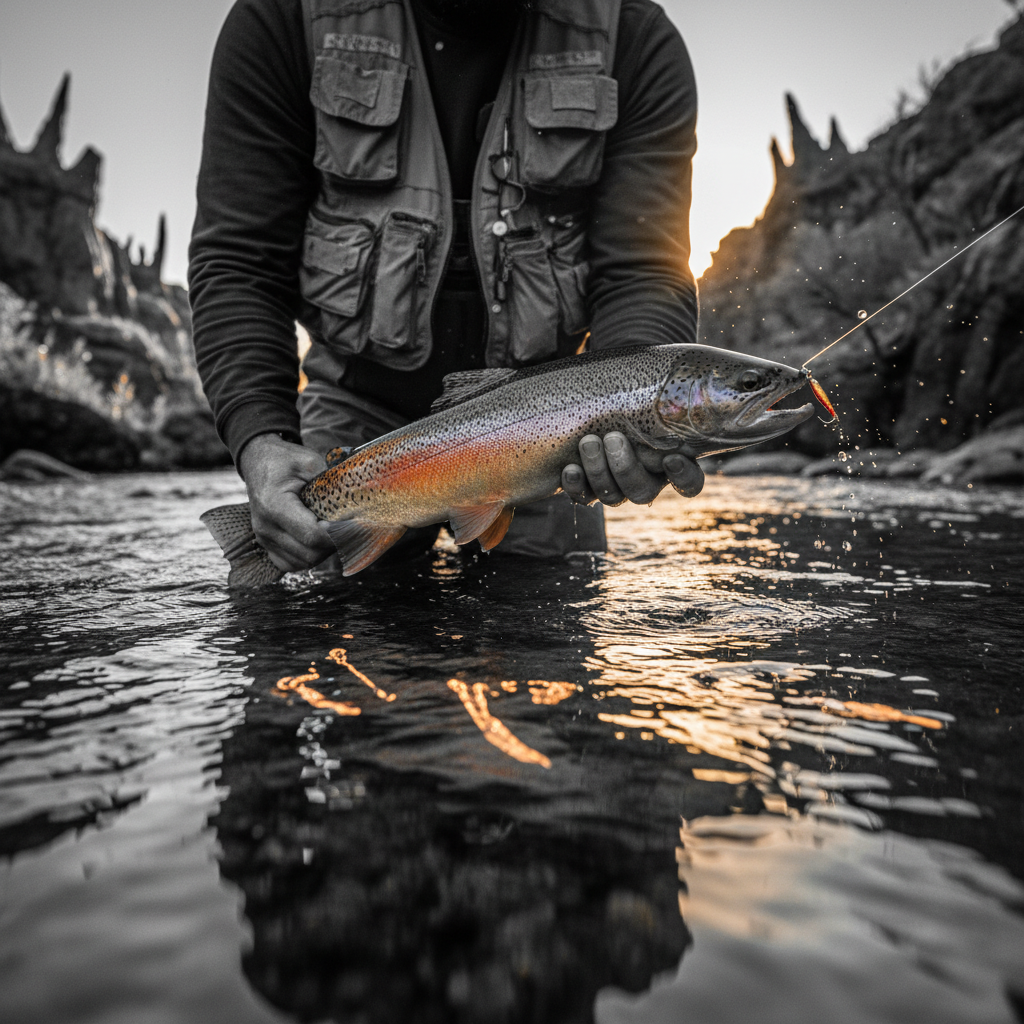
Case Study 2: The Fickle Trout
Scenario: A clear mountain stream where the trout are feeding selectively on small insects. Anglers are struggling to get bites with traditional dry flies and nymphs.
Solution: Use a single salmon egg or a small piece of worm on a barbless hook. Use a small split shot to get the bait down to the desired depth. Allow the bait to drift naturally along the bottom, mimicking the movement of a drifting insect larva. The small, natural offering and subtle presentation can be irresistible to trout.
Case Study 3: The Wary Walleye
Scenario: A river with a strong current where the walleye are holding tight to the bottom. Anglers are using heavy jigs and crankbaits, but the walleye are refusing to bite.
Solution: Use a lighter jig head or a split shot with a small minnow or nightcrawler on a barbless hook. Allow the bait to drift naturally along the bottom, occasionally lifting it slightly to mimic the movement of a natural prey item. The subtle presentation and natural drift can trigger strikes from even the most wary walleye.
Advanced Techniques: Taking It to the Next Level
Once you’ve mastered the basics of this bait trick, you can start experimenting with some advanced techniques to further refine your presentation and increase your chances of success.
Scent Enhancement
While the focus of this technique is on subtle presentation, adding a small amount of scent can sometimes be beneficial. Use a scent that mimics the natural prey of the target species. For example, anise oil can be effective for trout, while garlic scent can be effective for bass.
Color Selection
The color of your bait can also play a role in its effectiveness. In clear water, natural colors like brown, green, and gray are often the best choice. In murky water, brighter colors like chartreuse and orange can be more effective.
Varying the Retrieve
Experiment with different retrieves to see what the fish are responding to. Sometimes a slow, steady retrieve is best, while other times a more erratic, stop-and-go retrieve is more effective. The key is to pay attention to the fish’s behavior and adjust your retrieve accordingly.
Ethical Considerations: Responsible Angling
It’s important to emphasize the ethical considerations of using barbless hooks. While barbless hooks can be more effective for catching fish, they can also be more likely to cause injury if not used properly. Always handle fish with care and release them quickly to minimize stress. Also, be mindful of local regulations regarding the use of barbless hooks.
Consider that catch and release fishing, while seemingly harmless, can still impact fish populations. Using barbless hooks minimizes damage and stress, increasing the survival rate of released fish. It’s a small change with a significant positive impact on the long-term health of our fisheries.

Beyond the Bait: Understanding Fish Behavior
Ultimately, the success of any bait trick, including this one, hinges on understanding fish behavior. Why are they not biting? What are they feeding on? What environmental factors are influencing their activity?
Spending time observing fish in their natural habitat can provide invaluable insights. Pay attention to their feeding patterns, their preferred habitats, and their reactions to different stimuli. The more you understand about fish behavior, the better equipped you’ll be to adapt your tactics and catch more fish.
Think of it as becoming a detective of the underwater world. Each observation, each failed attempt, provides clues that can help you unlock the secrets to catching more fish. It’s a constant learning process, and the more you invest in understanding fish behavior, the more rewarding your angling experiences will be.
Conclusion: A Tool in Your Angling Arsenal
The “bait trick” we’ve discussed is not a magic bullet that will guarantee success every time you hit the water. However, it is a valuable tool to have in your angling arsenal. When standard baits and techniques fail, this subtle and refined approach can often be the key to unlocking success.
Remember, the core of this technique lies in minimizing unnatural cues, presenting your bait in the most natural and unobtrusive way possible, and understanding the behavior of the fish you’re targeting. By mastering these principles, you’ll be well on your way to becoming a more successful and versatile angler.
Don’t be afraid to experiment and adapt this technique to different fishing situations. The beauty of angling lies in its constant challenges and the endless opportunities for learning and growth. So, next time you find yourself struggling to get a bite, remember this bait trick, and see if you can unlock the secrets to catching those wary and selective fish.

Ultimately, the most rewarding aspect of angling isn’t just about catching fish; it’s about connecting with nature, challenging yourself, and constantly learning and growing as an angler. This bait trick is just one small piece of the puzzle, but it can be a powerful tool in your journey to becoming a more skilled and knowledgeable fisherman.