The Unconventional Lure: Thinking Outside the Tackle Box
We’ve all been there. Hours spent on the water, casting with our go-to lures, the ones that have always produced results in the past. But today, the fish just aren’t biting. The usual suspects – the crankbaits, the spinnerbaits, the soft plastics – are all being ignored. The frustration mounts, the sun beats down, and the only thing you’re catching is a sunburn. What do you do when your reliable arsenal fails you?
This is when it’s time to reach for the unconventional. It’s time to challenge your assumptions about what fish want and to think outside the tackle box. The “bait that works when everything else fails” isn’t a specific lure, but rather a mindset, a willingness to experiment, and the knowledge to adapt to the unique conditions of the day. It’s about understanding the fundamental principles that drive fish behavior and then applying those principles in creative and unexpected ways.
Think of it like this: you’re a chef, and your signature dish, the one that always wows your guests, is suddenly falling flat. The ingredients are the same, the recipe is followed perfectly, but the flavors just aren’t there. What do you do? You don’t just keep making the same dish over and over, hoping it will magically improve. You taste, you analyze, you experiment. You might add a new spice, change the cooking method, or even completely reimagine the presentation. The same principles apply to fishing. When your go-to lures aren’t working, it’s time to analyze, experiment, and reimagine your approach.
Understanding the Fickle Nature of Fish
One of the biggest mistakes anglers make is assuming that fish behavior is consistent. They believe that because a certain lure worked well last week, it will work well again this week. But fish are creatures of habit and opportunity. Their behavior is constantly influenced by a complex interplay of factors, including weather conditions, water temperature, water clarity, food availability, and even the presence of predators.
For example, on a bright, sunny day, fish may be more likely to hold in deeper, shaded areas to avoid the harsh light. In this situation, a lure that runs deep and creates a lot of flash might be effective. On the other hand, on a cloudy day, fish may be more active and willing to chase lures in shallower water. In this case, a faster-moving lure that creates a lot of vibration might be a better choice.
Understanding these nuances is crucial for choosing the right lure and presentation. It’s not enough to simply pick a lure based on past success. You need to consider the current conditions and then select a lure that is likely to appeal to the fish’s needs and desires at that particular moment.
The Power of Observation: Reading the Water
Before you even make your first cast, take the time to observe the water. What do you see? Are there any signs of fish activity, such as baitfish jumping or swirls on the surface? What is the water clarity like? What is the current doing? The answers to these questions can provide valuable clues about where the fish are likely to be holding and what they are likely to be feeding on.
For example, if you see a lot of baitfish jumping, it’s a good indication that predators are nearby. In this situation, you might want to try using a lure that imitates the size and color of the baitfish. If the water is murky, you might want to use a lure that creates a lot of vibration or has a bright color to help the fish find it. If the current is strong, you might want to use a lure that can hold its position in the current and not get swept away too quickly.
Learning to “read the water” is a skill that takes time and practice to develop. But it’s one of the most important skills an angler can possess. The more you understand the water, the better you’ll be able to predict fish behavior and choose the right lure and presentation.
Case Study: The Unlikely Savior – A Rubber Worm
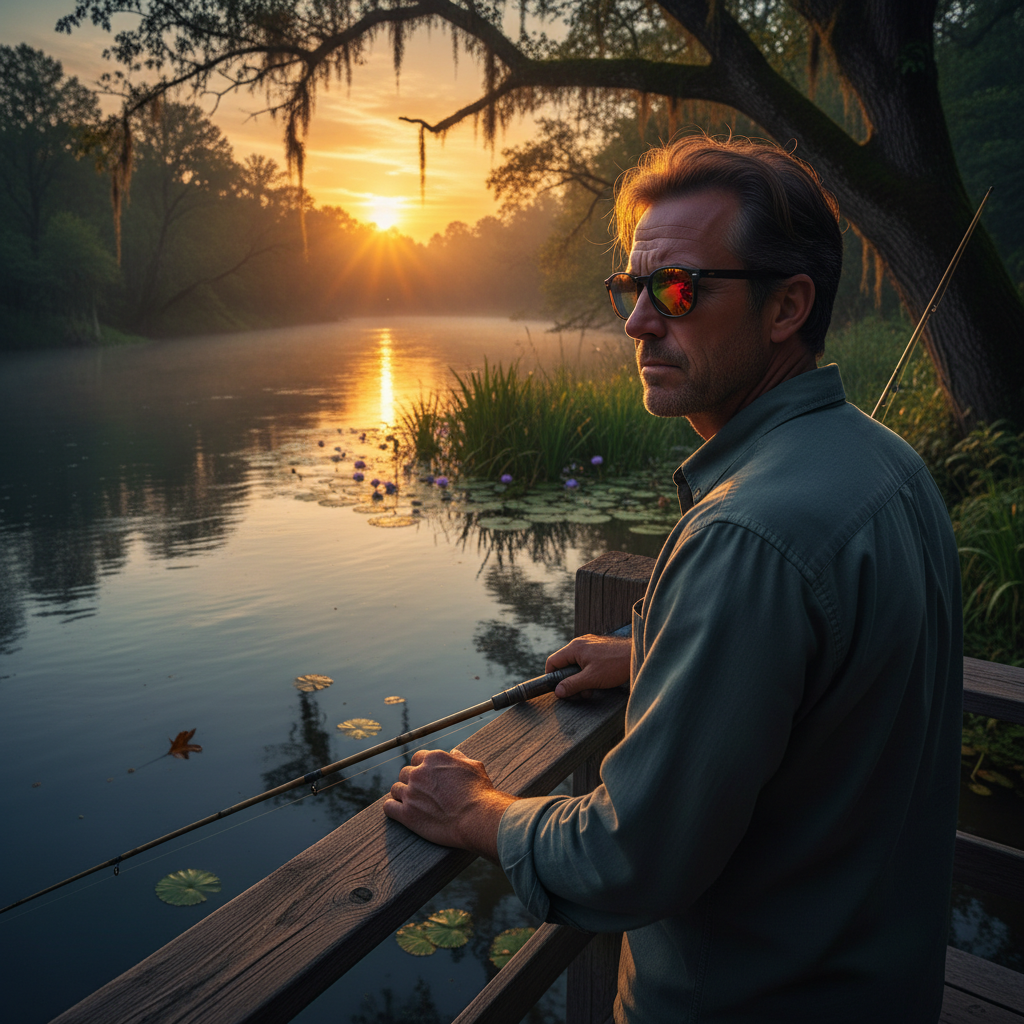
Let’s consider a specific example. Imagine you’re fishing a lake that is known for its largemouth bass. You’ve tried all your usual lures – crankbaits, spinnerbaits, jigs – but nothing is working. The fish seem to be completely shut down. You’re about to give up when you remember that you have a bag of old rubber worms in your tackle box. You haven’t used them in years because you typically associate them with slower, more finesse-oriented fishing.
But something tells you to give it a try. You rig the worm on a Texas rig with a small bullet weight and cast it out into a weed bed. As the worm sinks, you feel a subtle tap. You set the hook and the fight is on! You land a beautiful 5-pound largemouth. You continue to fish the worm and catch several more bass in the same area. Why did the worm work when everything else failed?
There are several possible explanations. Perhaps the bass were holding tight to the weeds and were not willing to move far to chase a faster-moving lure. The worm, on the other hand, allowed you to present the bait slowly and deliberately right in their strike zone. Or perhaps the bass were simply tired of seeing the same lures over and over again and were looking for something different. The worm, being an unconventional choice, may have been just what they needed to trigger a bite.
The Art of Presentation: More Than Just the Lure
Choosing the right lure is only half the battle. The way you present the lure is just as important. Even the most effective lure can fail if it’s presented poorly. Presentation involves a variety of factors, including casting accuracy, retrieve speed, rod action, and even the color of your line.
For example, if you’re fishing for bass in heavy cover, you need to be able to cast your lure accurately into tight spots. If you’re fishing for trout in a stream, you need to be able to drift your lure naturally with the current. If you’re fishing for walleye in deep water, you need to be able to maintain contact with your lure and feel subtle strikes.
Experiment with different retrieves to see what the fish respond to. Sometimes a slow, steady retrieve is effective. Other times, a fast, erratic retrieve is better. Try adding pauses, twitches, and jerks to your retrieve to create more action and attract attention. Pay attention to the fish’s reaction and adjust your presentation accordingly.
Thinking Outside the Box: Unconventional Techniques
Sometimes, the key to success is to try techniques that are outside of your comfort zone. Are you always fishing on the bottom? Try fishing a lure higher in the water column. Are you always fishing with fast retrieves? Try slowing down and using a more finesse-oriented approach. Are you always fishing in the same areas? Try exploring new areas that you haven’t fished before.
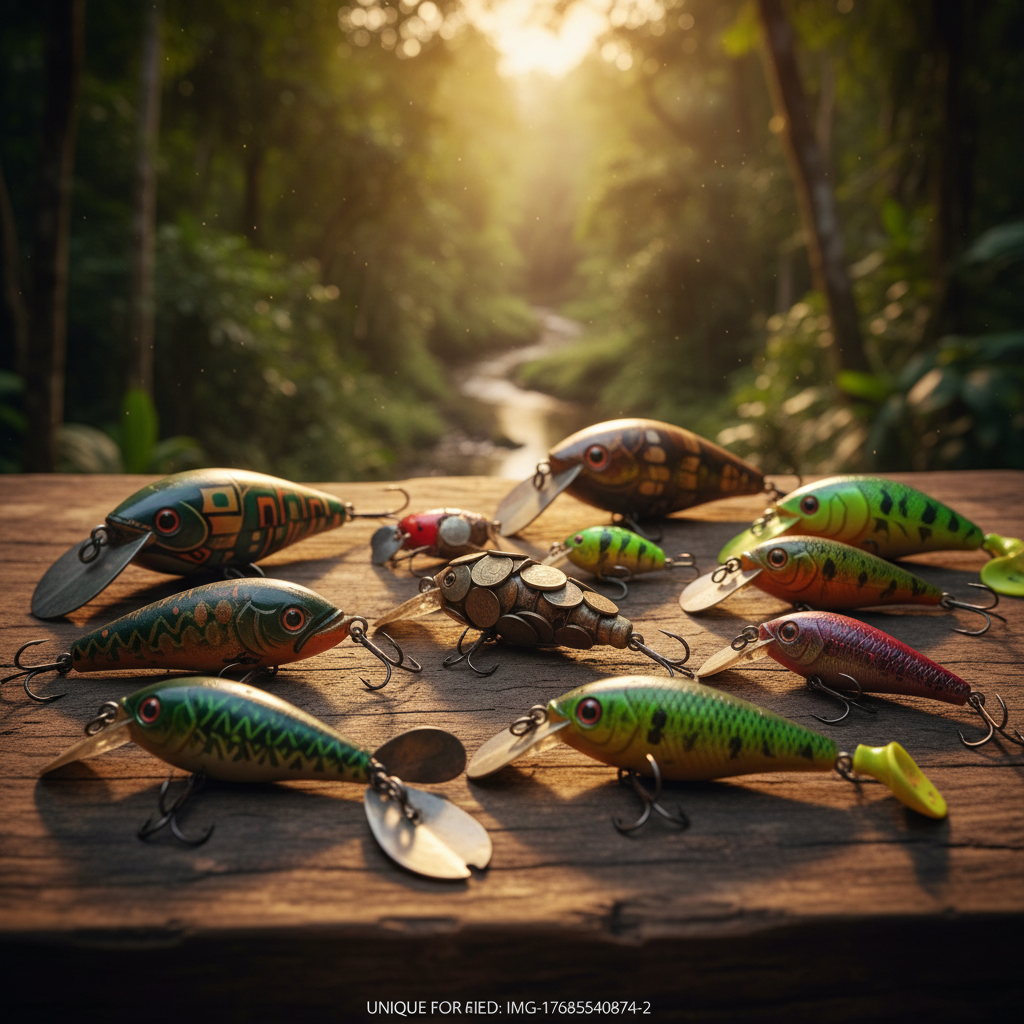
Consider the “Ned Rig,” a simple but highly effective technique that has taken the bass fishing world by storm. It involves using a small mushroom-shaped jighead and a short, stubby soft plastic bait. The Ned Rig is incredibly versatile and can be fished in a variety of conditions. It’s particularly effective when the fish are pressured or when the water is clear. The subtle action of the Ned Rig is often enough to trigger strikes when other lures fail.
Or, think about using a swimbait in a completely different way. Instead of steadily retrieving it, try jigging it vertically near submerged structure. This can be deadly for bass and other predatory fish that are holding tight to cover.
The Importance of Confidence: Believing in Your Bait
Finally, and perhaps most importantly, you need to have confidence in your bait and your presentation. Fish can sense when you’re not confident. If you don’t believe in your bait, the fish won’t either. This doesn’t mean you should be stubborn and refuse to change your approach when things aren’t working. But it does mean that you should choose your bait carefully, based on your understanding of the conditions and the fish’s behavior, and then fish it with conviction.
Confidence comes from experience, from success, and from a deep understanding of the art of fishing. The more time you spend on the water, the more you’ll learn about the nuances of fish behavior and the more confident you’ll become in your ability to catch fish. Don’t be afraid to experiment, to try new things, and to push the boundaries of your fishing knowledge. The more you learn, the more confident you’ll become, and the more successful you’ll be on the water.
Learning from Failure: The Key to Improvement
Even the most experienced anglers experience periods of failure. It’s an inevitable part of the game. But the key is to learn from your failures and to use them as opportunities for growth. Don’t just chalk it up to “the fish weren’t biting” and move on. Analyze what went wrong. Did you choose the wrong lure? Did you present it poorly? Did you fish in the wrong area? Did you fail to adapt to changing conditions?
By carefully analyzing your failures, you can identify areas where you need to improve. Maybe you need to work on your casting accuracy. Maybe you need to learn more about different lure types and presentations. Maybe you need to spend more time observing the water and learning to read the signs of fish activity. Whatever it is, identify your weaknesses and then focus on improving them.
Remember, fishing is a continuous learning process. There’s always something new to learn, something new to try, and something new to discover. The anglers who are willing to embrace this mindset are the ones who will ultimately be the most successful.
Beyond the Obvious: The Senses of a Fish
We often think about attracting fish through sight and vibration, but consider their other senses. Fish have a highly developed sense of smell. Utilizing attractants, scents, and even flavored baits can make a significant difference, especially in murky water or when targeting species known for their olfactory senses, like catfish or carp.
Think about the natural environment. What scents are prevalent? Are there decaying leaves, algae blooms, or the smell of spawning fish? Matching your scent profile to the existing environment can give you an edge. Furthermore, consider using scent trails. A slow-release scent can create a plume that attracts fish from a distance, leading them directly to your bait.
Also, don’t underestimate the lateral line, a sensory organ that detects vibrations and pressure changes in the water. Lures that create subtle vibrations, even those not easily felt by humans, can be highly effective. Consider lures with rattles, textured surfaces, or those that create a unique wobble or shimmy in the water.

Adapting to Pressure: The Educated Fish
In heavily fished areas, fish become “educated.” They learn to recognize common lures and techniques and become wary of them. This is where truly unconventional approaches shine. Consider using smaller lures than usual, or lures with subtle, lifelike actions that don’t trigger the same alarm bells as more aggressive presentations.
Think about the natural food sources that the fish are accustomed to seeing. Are there specific insects, crustaceans, or baitfish that are abundant in the area? Matching your lure to these natural food sources can be incredibly effective. This might require some research and observation, but the payoff can be significant.
Furthermore, consider the time of day. During peak fishing hours, fish are often bombarded with lures. Try fishing during off-peak hours, such as early morning, late evening, or even during the middle of the day when other anglers are taking a break. These are often times when the fish are less pressured and more willing to bite.
The Ultimate Bait: Knowledge and Adaptability
Ultimately, the “bait that works when everything else fails” is not a specific lure or technique, but rather your knowledge, adaptability, and willingness to experiment. It’s about understanding the fundamental principles that drive fish behavior and then applying those principles in creative and unexpected ways.
It’s about being a student of the game, constantly learning, observing, and refining your approach. It’s about being willing to step outside of your comfort zone and try new things. And it’s about having the confidence to believe in your abilities and to never give up, even when the fish aren’t biting. Because, in the end, that’s what separates the successful anglers from the rest.
So, the next time you find yourself struggling on the water, remember the power of the unconventional. Reach for that lure you haven’t used in years, try that technique you’ve always been curious about, and challenge your assumptions about what fish want. You might just be surprised at what you discover.

And remember, even a day of fishing where you don’t catch anything is still a good day. You’re spending time in nature, enjoying the fresh air and sunshine, and learning something new about the art of fishing. So, embrace the challenge, keep experimenting, and never stop learning. The rewards will be well worth the effort.