The Still Waters of Self-Mastery: Sport Fishing and Emotional Regulation
Sport fishing, often portrayed as a leisurely pastime, a sun-drenched escape to placid waters, holds within its depths a far more profound significance. It’s a crucible, a silent arena where the angler confronts not only the wiles of the fish, but also the turbulence within their own mind. Beyond the thrill of the catch and the beauty of nature, sport fishing offers a unique opportunity to cultivate emotional regulation, to master the art of staying calm and focused amidst the unpredictable currents of life. Have you ever considered that the patience required to land a trophy fish is the same patience you need to navigate a difficult conversation or a stressful deadline?
The connection between sport fishing and emotional control isn’t immediately obvious. After all, it’s “just fishing,” right? A simple activity involving a rod, a line, and a hopefully cooperative fish. But peel back the surface and you’ll discover a demanding mental game, one where frustration, disappointment, and the allure of impulsive action constantly threaten to derail your efforts. It demands a mindful presence, an ability to stay grounded in the moment, and a conscious choice to respond thoughtfully rather than react emotionally.
The Anatomy of Frustration: A Common Catch
Let’s be honest, fishing isn’t always successful. In fact, more often than not, it involves long stretches of inactivity, punctuated by fleeting moments of excitement. You might spend hours casting your line, meticulously trying different lures, adjusting your technique, all without a single nibble. The sun beats down, the insects buzz, and doubt begins to creep in. Is your bait wrong? Is the fish even there? Are you simply wasting your time?
This is where the real test begins. The initial frustration can easily escalate into anger and resentment. You might be tempted to reel in your line in a huff, pack up your gear, and declare fishing a colossal waste of time. Or, you might resort to reckless casting, throwing your line with unnecessary force, hoping to somehow “bully” the fish into biting. These are emotional reactions, fueled by impatience and a desire for immediate gratification. They are, however, almost always counterproductive. Reckless casting can spook the fish, and giving up altogether deprives you of the potential for success.
Instead, the skilled angler recognizes these feelings for what they are: temporary emotional states that can be managed. They take a deep breath, acknowledge their frustration, and consciously choose to respond differently. They might re-evaluate their strategy, experiment with a new approach, or simply take a moment to appreciate the beauty of their surroundings. By consciously regulating their emotions, they maintain a clear head and increase their chances of eventual success. Think of it as a microcosm of life. How many times have you faced a challenge, felt overwhelmed, and been tempted to give up? The ability to regulate your emotions in those moments is what separates success from failure.
The Lure of Impulsivity: Resisting the Knee-Jerk Reaction
Even when a fish does bite, the battle isn’t over. In fact, it’s only just beginning. The initial strike can be exhilarating, a surge of adrenaline that courses through your veins. But it’s also a moment of critical decision-making. Do you set the hook immediately? Do you allow the fish to run with the line? Do you adjust your drag? The wrong move can easily result in a lost fish, and a hefty dose of disappointment.
Many anglers, particularly beginners, fall prey to impulsivity in this situation. They react instinctively, yanking on the rod with excessive force, or attempting to reel in the fish too quickly. These knee-jerk reactions are often driven by excitement and a fear of losing the fish. However, they often lead to disaster. A sudden, forceful jerk can snap the line, and reeling in too quickly can tire the fish prematurely, causing it to break free.
The experienced angler, on the other hand, has learned to temper their impulsivity. They understand that patience and calculated action are essential for success. They carefully assess the situation, taking into account the size of the fish, the strength of the line, and the surrounding environment. They then make a deliberate decision, based on knowledge and experience, rather than on raw emotion. They understand that the battle with the fish is a marathon, not a sprint, and that a calm, controlled approach is far more likely to yield positive results. Isn’t this true of so many aspects of life? How many times have you made a rash decision in the heat of the moment, only to regret it later? Learning to resist impulsivity is a valuable skill, both on and off the water.
Mindfulness and the Rhythm of the Cast
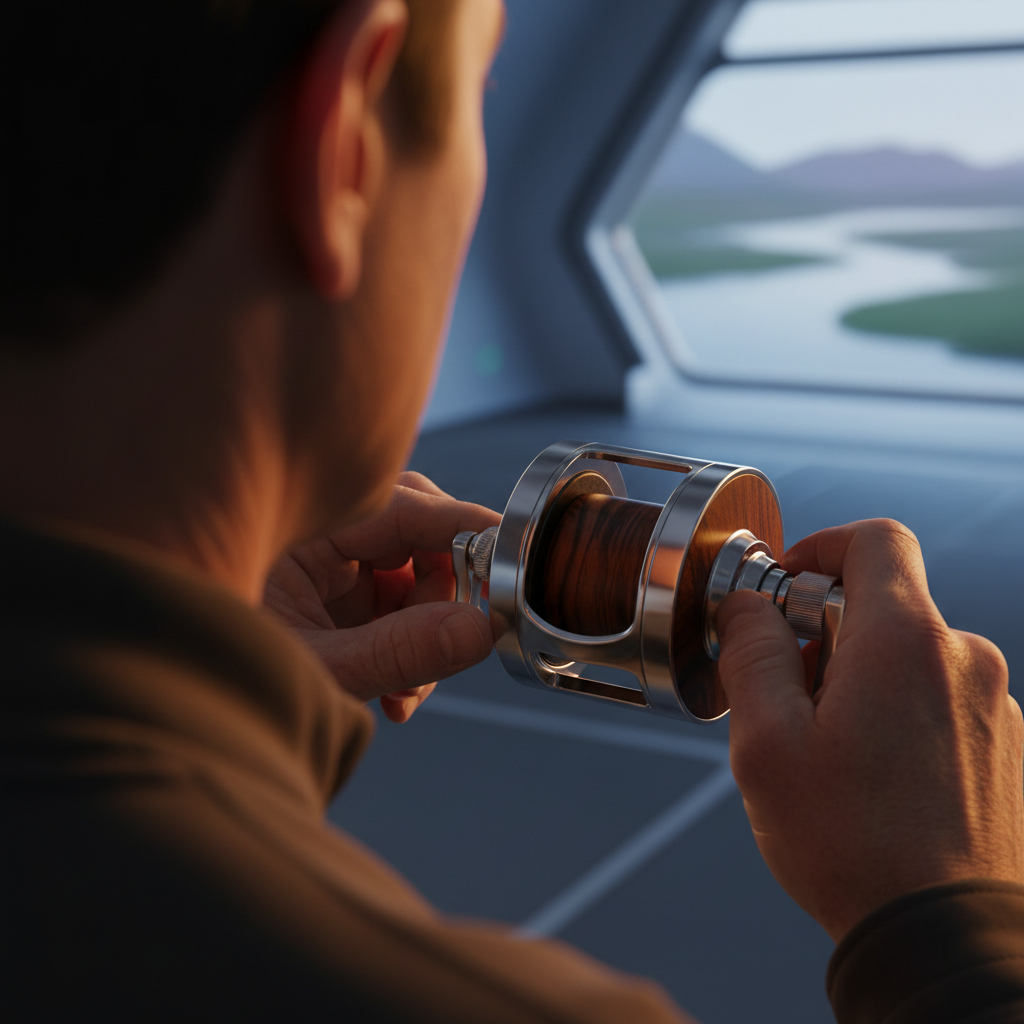
Sport fishing, at its core, is an exercise in mindfulness. It demands your complete attention, forcing you to be present in the moment, to tune out the distractions of the outside world and focus solely on the task at hand. The rhythmic motion of casting, the gentle tug of the line, the subtle changes in the water’s surface – all these details require careful observation and focused awareness.
The Zen of Casting: Finding Focus in Repetition
The act of casting, repeated countless times throughout a fishing trip, can become a meditative practice in itself. As you perfect your technique, the movements become fluid and effortless, requiring less conscious thought. Your mind begins to quiet down, and you enter a state of flow, where your actions are guided by intuition rather than by constant analysis. This state of flow is incredibly beneficial for emotional regulation. When you’re fully immersed in the present moment, you’re less likely to be plagued by worries about the past or anxieties about the future. Your mind becomes still, and you experience a sense of peace and tranquility.
This is not to say that your mind will be completely empty. Thoughts and emotions will inevitably arise, but you’ll be better equipped to observe them without judgment, to acknowledge their presence and then let them pass. You won’t get caught up in their drama or allow them to dictate your actions. You’ll remain grounded in the present moment, focused on the task at hand, and in control of your emotional state. Think of it like meditation, but with the added bonus of potentially catching a fish. Is there a better way to clear your head and find inner peace?
Reading the Water: Attuning to the Environment
Beyond the physical act of casting, sport fishing also requires a deep understanding of the environment. You need to learn to read the water, to identify the areas where fish are likely to be hiding, to understand the effects of weather and water conditions on their behavior. This requires careful observation, critical thinking, and a willingness to learn from your mistakes.
As you become more attuned to the environment, you’ll develop a greater appreciation for the interconnectedness of all things. You’ll realize that the fish are not simply isolated creatures, but rather integral parts of a complex ecosystem. You’ll begin to see the world in a new light, with a deeper sense of respect and wonder. This heightened awareness can have a profound impact on your emotional state. When you feel connected to something larger than yourself, you’re less likely to be consumed by your own problems and anxieties. You develop a greater sense of perspective and a greater capacity for empathy and compassion. Is it any wonder that so many anglers describe fishing as a spiritual experience?
The Long Game: Patience and Perseverance
Perhaps the most valuable lesson that sport fishing teaches is the importance of patience and perseverance. As any experienced angler will tell you, success in fishing is rarely instantaneous. It often requires hours, days, or even weeks of dedicated effort, with no guarantee of reward. You might spend countless hours casting your line, trying different techniques, exploring different locations, all without a single bite. But if you give up easily, you’ll never experience the thrill of landing a trophy fish.
Embracing the Empty Hook: Learning from Failure
The ability to embrace the empty hook, to learn from your failures, is crucial for developing patience and perseverance. Each missed opportunity is a learning experience, a chance to analyze your mistakes and refine your approach. Did you use the wrong bait? Did you cast in the wrong location? Did you set the hook too late? By carefully examining your failures, you can identify areas for improvement and increase your chances of success in the future.
This process of learning from failure is not always easy. It requires a willingness to be honest with yourself, to acknowledge your shortcomings, and to resist the temptation to make excuses. But the rewards are well worth the effort. As you become more adept at learning from your mistakes, you’ll develop a greater sense of resilience and a stronger belief in your own abilities. You’ll learn that failure is not the opposite of success, but rather a stepping stone on the path to achievement. How many successful people have attributed their success to learning from their failures? It’s a universal principle that applies to all aspects of life.
The Reward of Persistence: The Thrill of the Catch
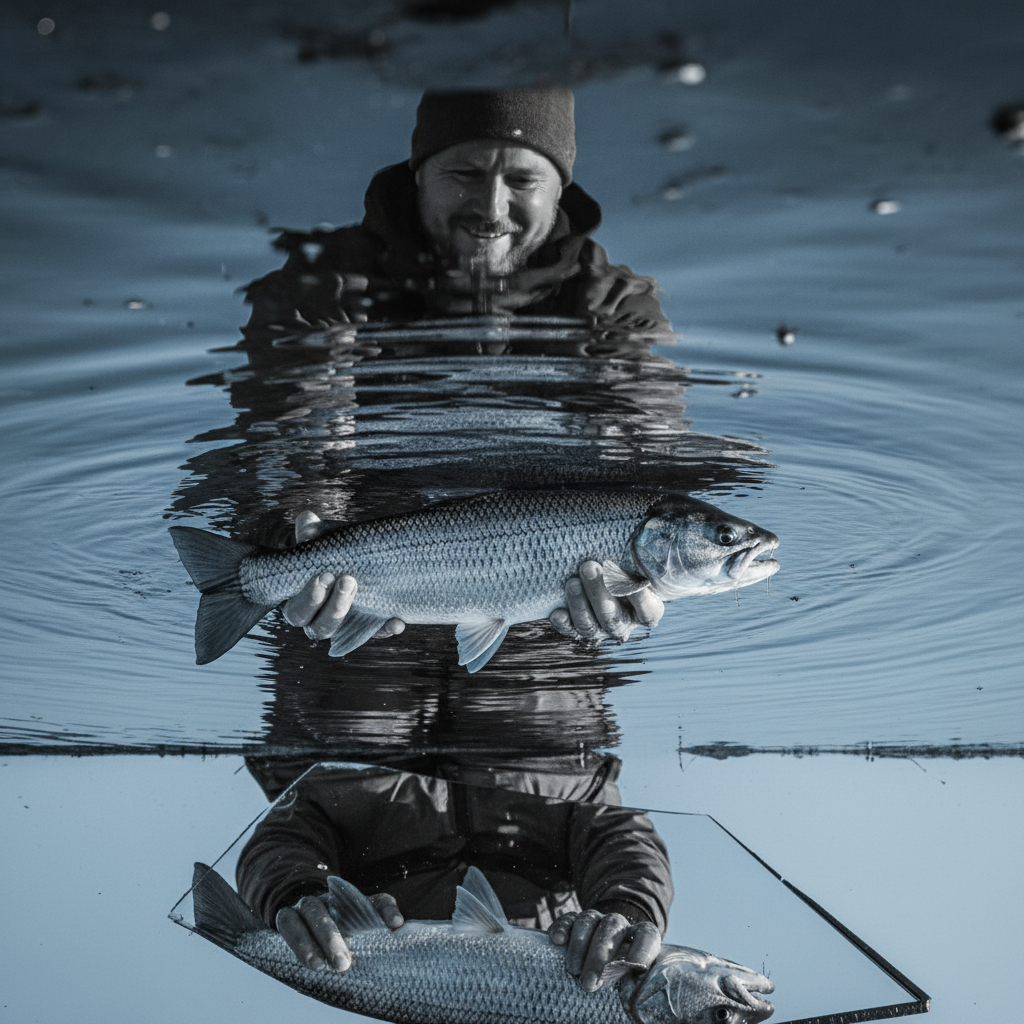
And then, finally, after all the hours of effort, the frustration, and the near-constant adjustments, it happens. You feel the unmistakable tug on your line, the surge of power as a fish takes the bait. Your heart rate quickens, your senses sharpen, and you enter a state of heightened awareness. This is the moment you’ve been waiting for, the culmination of all your hard work and dedication.
The ensuing battle can be intense, a test of skill, strength, and endurance. You must carefully manage your line, adjust your drag, and anticipate the fish’s movements. You must remain calm and focused, resisting the urge to panic or make rash decisions. As you slowly reel in the fish, you’ll feel a surge of adrenaline and a sense of accomplishment. This is the reward for your patience, your perseverance, and your unwavering belief in yourself.
The feeling of finally landing a fish, especially after a long and challenging battle, is unlike anything else. It’s a moment of pure joy and satisfaction, a testament to the power of human resilience and the beauty of the natural world. But even more than the thrill of the catch, it’s the process of learning, growing, and mastering your emotions that makes sport fishing such a rewarding experience. It’s a journey of self-discovery, a path to greater emotional regulation, and a reminder that the greatest rewards often come to those who are willing to persevere. What other hobby can offer so much personal growth while also providing a connection to nature and a healthy dose of exercise?
Beyond the Water: Applying Fishing Lessons to Life
The lessons learned on the water can be applied to all aspects of life. The patience, perseverance, and emotional regulation that you develop while fishing can help you navigate challenges in your career, your relationships, and your personal life. The ability to stay calm under pressure, to learn from your mistakes, and to focus on the present moment are valuable skills that will serve you well in any situation.
The Workplace Angler: Casting a Wider Net of Success
Imagine a stressful workplace scenario. A looming deadline, a demanding boss, a challenging project. Many people would react with anxiety, frustration, and a sense of overwhelm. But the workplace angler, trained in the art of emotional regulation, would approach the situation with a calm and focused demeanor. They would break down the project into smaller, more manageable tasks, prioritize their efforts, and focus on one step at a time. They would resist the urge to panic or get distracted, and they would remain confident in their ability to succeed. They understand that like fishing, success in the workplace requires patience, persistence, and a willingness to learn from their mistakes. They cast a wider net, knowing some attempts will fail, but the consistent effort yields results.
Moreover, they would be better equipped to handle setbacks and criticism. Instead of taking things personally, they would view them as opportunities for growth and improvement. They would seek feedback from colleagues, analyze their mistakes, and adjust their approach accordingly. They would understand that failure is not the end of the road, but rather a chance to learn and become stronger. This resilience, honed on the water, would make them a valuable asset to any team and increase their chances of achieving their professional goals. Who wouldn’t want to work with someone who remains calm and focused under pressure?

The Relational Angler: Casting a Line of Empathy
The principles of emotional regulation can also be applied to your relationships. Just as fishing requires patience and understanding, so too do healthy relationships. You must be willing to listen to your partner, to empathize with their feelings, and to communicate your own needs and desires in a clear and respectful manner.
When conflicts arise, the relational angler will approach them with a calm and measured approach. They will avoid getting defensive or resorting to personal attacks. Instead, they will focus on understanding their partner’s perspective and finding a mutually agreeable solution. They will resist the urge to react impulsively, and they will take the time to cool down and reflect before responding. They understand that relationships are a long-term investment, and that patience, understanding, and forgiveness are essential for success. Can you imagine how much stronger your relationships would be if you approached them with the same patience and understanding you bring to fishing?
The Personal Angler: Casting a Line to Inner Peace
Finally, the lessons learned from sport fishing can help you cultivate a greater sense of inner peace and well-being. By practicing mindfulness, patience, and emotional regulation, you can learn to manage your stress, reduce your anxiety, and improve your overall quality of life. The time spent in nature, surrounded by the beauty of the natural world, can be incredibly therapeutic, providing a much-needed escape from the pressures of modern life.
Sport fishing teaches you to accept the things you cannot control, to focus on the present moment, and to appreciate the simple pleasures in life. It reminds you that success is not always about achieving a specific outcome, but rather about the journey itself. It’s about learning, growing, and becoming a better version of yourself. And who knows, you might even catch a fish along the way.
The Enduring Appeal: More Than Just a Catch
So, the next time you see someone heading out for a day of sport fishing, remember that they’re not just going fishing. They’re embarking on a journey of self-discovery, a quest for emotional regulation, and a pursuit of inner peace. They’re entering a silent arena where they will confront their own limitations, learn from their mistakes, and emerge stronger and more resilient. Sport fishing is more than just a hobby; it’s a metaphor for life. It’s a reminder that the greatest rewards often come to those who are willing to be patient, persevere, and stay calm amidst the unpredictable currents of life. It’s a chance to connect with nature, to challenge yourself, and to discover the depths of your own potential. It’s a timeless pursuit that offers something for everyone, regardless of age, background, or skill level. It’s a chance to cast a line, not just into the water, but into the depths of your own soul.
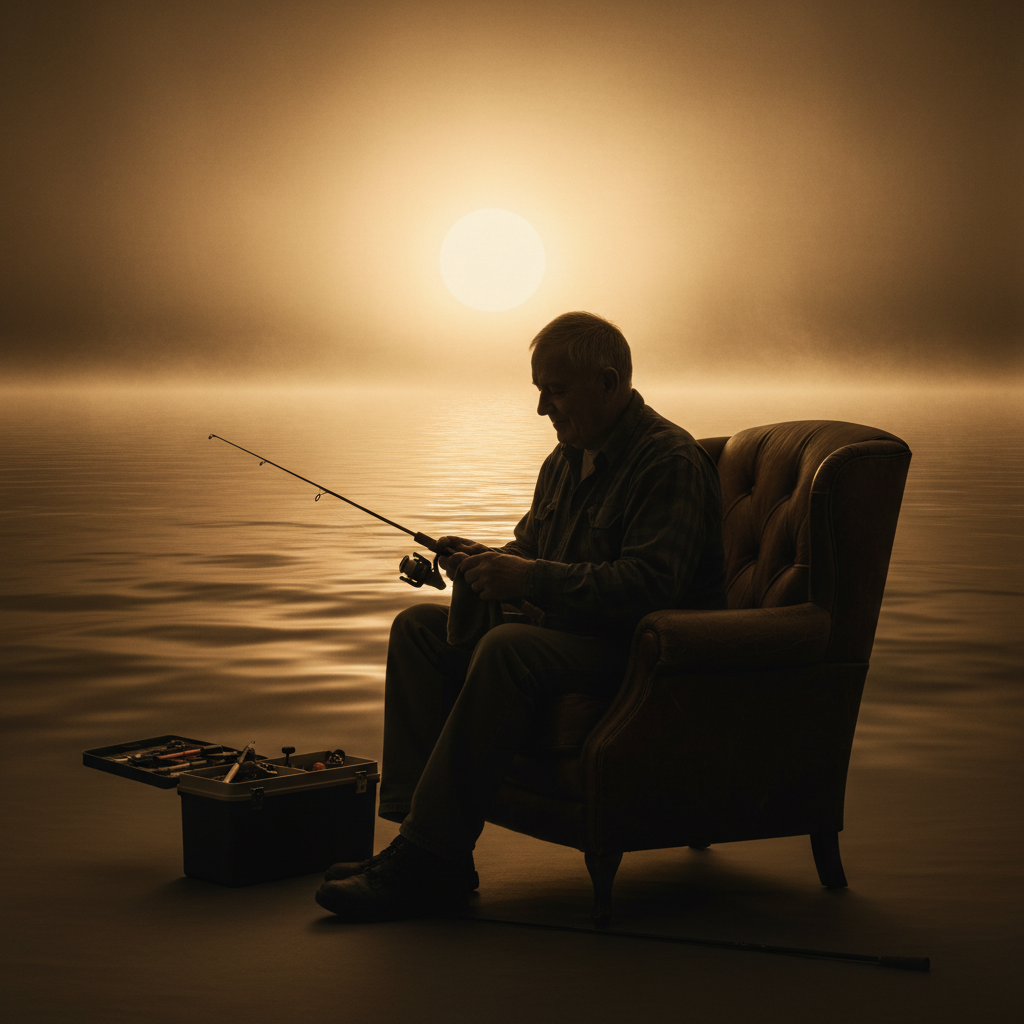
Ultimately, the enduring appeal of sport fishing lies in its ability to connect us to something larger than ourselves. It connects us to nature, to tradition, and to our own inner strength. It teaches us valuable lessons about patience, perseverance, and emotional regulation, lessons that can be applied to all aspects of our lives. So, whether you’re a seasoned angler or a curious beginner, consider giving sport fishing a try. You might be surprised at what you discover, not just about the fish, but about yourself. The quiet solitude of the water offers a unique opportunity for introspection and self-reflection, a chance to cast off the burdens of everyday life and find a sense of peace and tranquility. It’s an experience that can enrich your life in countless ways, and it’s a journey that’s well worth taking. It’s a reminder that sometimes, the greatest catches are not the ones you bring home, but the ones that change you from within.