The Art of Angling: Beyond the Catch
Sport fishing, often perceived as a simple pastime, is, in reality, a nuanced dance between human intention and the wild unpredictability of nature. It’s not merely about hauling fish out of the water; it’s about understanding the ecosystem, respecting the quarry, and mastering the subtle art of persuasion. It’s about achieving control, not through brute force, but through knowledge, patience, and a deep connection to the environment. Have you ever considered the complex interplay of factors that contribute to a successful angling experience, far beyond just the act of reeling in a fish?
This intricate pursuit transcends the simple act of catching a fish. It’s a discipline that demands respect for the environment, a deep understanding of aquatic ecosystems, and a relentless pursuit of self-improvement. The true angler seeks not only the thrill of the catch but also the profound satisfaction of mastering a craft that requires both physical skill and mental acuity.
The Illusion of Control
The angler, standing on the riverbank or perched on a boat, might appear to be in control. After all, they choose the lure, cast the line, and dictate the pace of the retrieve. But this control is, in many ways, an illusion. The fish, driven by instinct and influenced by a myriad of environmental factors, ultimately decides whether to strike. The angler’s skill lies in understanding these factors and presenting the lure in a way that maximizes their chances of success.
Consider the fly fisherman meticulously selecting a fly that imitates the local insects. They study the hatch patterns, analyze the water temperature, and observe the behavior of the fish. All this preparation is aimed at creating the perfect presentation, but even the most meticulously crafted fly can be rejected. The fish is the ultimate arbiter of success.
The element of the unknown is part of what makes sport fishing so compelling. The angler can never be entirely certain of the outcome, and this uncertainty fuels the desire to learn, adapt, and improve. It’s a constant challenge that rewards those who are willing to embrace the complexity of the aquatic world.
Beyond Brute Force: The Power of Finesse
While strength and stamina can be helpful in certain angling situations, they are rarely the deciding factors. Sport fishing emphasizes finesse over force. It’s about using the right equipment, employing the proper techniques, and understanding the subtle nuances of fish behavior.
A heavy-handed approach can often spook fish or damage delicate equipment. A skilled angler, on the other hand, uses a light touch to feel the subtle takes, set the hook gently, and play the fish with patience and precision. They understand that the goal is not to overpower the fish but to outsmart it.
Think of a light tackle angler targeting bonefish on a shallow saltwater flat. They use a long, flexible rod and a delicate fly to present the lure in a way that doesn’t alarm the wary fish. They rely on stealth, accuracy, and a deep understanding of bonefish behavior to entice a strike. Brute force would be completely ineffective in this situation.

The Mental Game: Patience, Observation, and Adaptation
Sport fishing is as much a mental game as it is a physical one. It requires patience, observation, and the ability to adapt to changing conditions. Anglers must be able to read the water, interpret fish behavior, and adjust their strategies accordingly. They must also be able to maintain focus and composure, even when faced with frustration and disappointment.
The Virtue of Patience
Patience is perhaps the most essential quality of a successful angler. Fishing often involves long periods of inactivity, punctuated by brief moments of intense excitement. Anglers must be able to endure the boredom, resist the temptation to give up, and remain alert for any sign of fish activity.
Imagine an ice fisherman sitting patiently over a hole in the frozen lake, waiting for a bite. They may spend hours in the frigid cold, without so much as a nibble. But they remain focused, knowing that a single fish can make the entire day worthwhile.
Patience is not simply about waiting passively; it’s about using the time to observe the environment, analyze the conditions, and refine your strategy. It’s about learning from your mistakes and preparing for the next opportunity.
The Art of Observation
Skilled anglers are keen observers of their surroundings. They pay attention to the weather, the water conditions, and the behavior of other animals. They look for clues that might indicate the presence of fish, such as rising insects, feeding birds, or submerged structures.
Consider a bass fisherman scanning the surface of a lake for signs of baitfish activity. They might notice a school of shad flickering near the surface, or a swirl in the water that indicates a predator is nearby. They use these observations to determine where to cast their lure and how to present it.
Observation is not just about seeing; it’s about interpreting what you see and using that information to make informed decisions. It’s about developing a deep understanding of the ecosystem and how it affects fish behavior.
The Key to Adaptation
The conditions on the water can change rapidly, and anglers must be able to adapt to these changes. A sudden shift in the wind, a change in water temperature, or the emergence of a new hatch can all affect fish behavior. Anglers must be able to recognize these changes and adjust their strategies accordingly.
Think of a steelhead fisherman who is fishing a river that is rising rapidly due to heavy rain. They may need to switch to heavier lures, adjust their presentation, and move to different locations in the river to find fish that are actively feeding.
Adaptability is not just about changing your tactics; it’s about having a flexible mindset and being willing to experiment. It’s about embracing the uncertainty of fishing and finding creative solutions to new challenges.
The Ethical Angler: Conservation and Respect
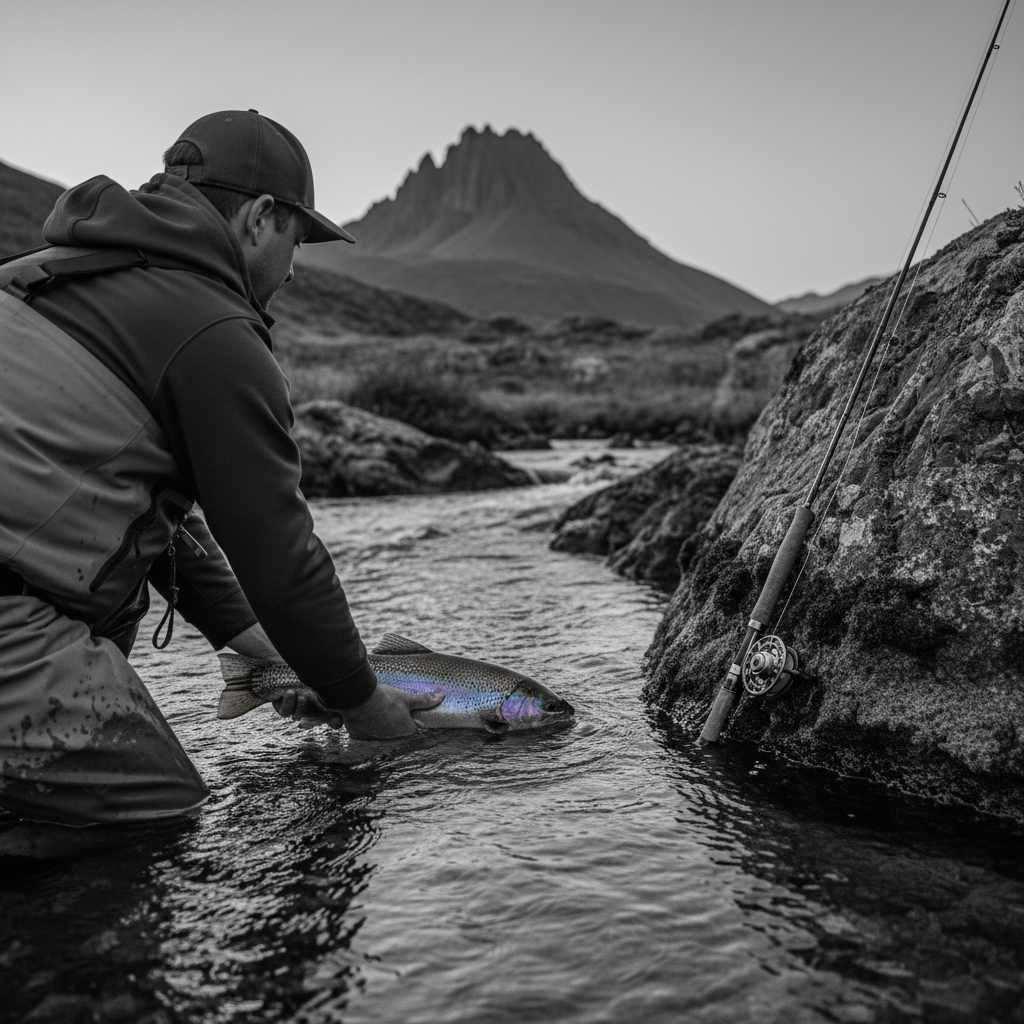
Sport fishing is not just about catching fish; it’s about being a responsible steward of the environment. Ethical anglers practice conservation, respect the fish they catch, and promote sustainable fishing practices. They understand that the long-term health of the fishery depends on their actions.
Catch and Release: A Commitment to Conservation
Catch and release fishing is a widely accepted practice that allows anglers to enjoy the sport without depleting fish populations. It involves carefully releasing fish back into the water after they have been caught, allowing them to continue to grow and reproduce.
Catch and release is not simply about releasing fish back into the water; it’s about handling them in a way that minimizes stress and maximizes their chances of survival. Anglers should use barbless hooks, handle fish gently, and avoid removing them from the water for extended periods of time.
Some argue that catch and release is inherently harmful to fish, but studies have shown that when practiced properly, it has minimal impact on fish populations. In fact, catch and release can be an effective tool for managing fisheries and ensuring their long-term sustainability.
Respect for the Quarry
Ethical anglers treat the fish they catch with respect. They understand that these animals are an important part of the ecosystem and deserve to be treated humanely. They avoid using excessive force, handle fish gently, and dispatch them quickly and efficiently if they are to be kept for consumption.
Respect for the quarry also extends to the environment in which they live. Ethical anglers avoid littering, minimize their impact on the habitat, and support conservation efforts that protect fish populations.
The Gear: Tools of the Trade, Extensions of the Senses
The equipment used in sport fishing is more than just tools; it’s an extension of the angler’s senses. The rod transmits the subtle vibrations of a fish taking the bait, the line connects the angler to the underwater world, and the lure mimics the natural prey of the target species. Choosing the right gear and using it effectively is essential for success.
The Rod: A Sensitive Connection
The fishing rod is perhaps the most important piece of equipment for an angler. It acts as a lever, allowing the angler to cast the lure, set the hook, and fight the fish. But more than that, the rod is a sensitive instrument that transmits information about what is happening beneath the surface of the water.
Rods come in a wide variety of lengths, actions, and power ratings, each designed for specific types of fishing. A light action rod is ideal for casting small lures and detecting subtle strikes, while a heavy action rod is better suited for fighting large fish in heavy cover.
The rod is not just a tool; it’s a partner. It should feel comfortable in the hand, respond to the angler’s movements, and provide a sensitive connection to the fish.
The Reel: A Smooth Operator
The fishing reel is used to store line, retrieve the lure, and apply drag pressure to the fish. A good reel should be smooth, reliable, and durable. It should also be properly matched to the rod and the type of fishing being done.
There are several different types of fishing reels, including spinning reels, baitcasting reels, and fly reels. Each type has its own advantages and disadvantages, and the best choice depends on the angler’s preferences and the specific fishing situation.
The reel is the workhorse of the fishing outfit. It must be able to withstand the strain of casting heavy lures, fighting powerful fish, and enduring the harsh conditions of the aquatic environment.
The Line: A Lifeline to the Fish
The fishing line is the critical link between the angler and the fish. It must be strong enough to withstand the strain of the fight, yet sensitive enough to transmit subtle strikes. The line also plays a role in the presentation of the lure, as it can affect the way the lure moves through the water.
There are several different types of fishing line, including monofilament, fluorocarbon, and braided line. Each type has its own properties, such as strength, visibility, and stretch. Anglers must choose the right line for the type of fishing they are doing and the conditions they are facing.
The line is often the most overlooked piece of equipment, but it is one of the most important. A weak or inappropriate line can result in lost fish and wasted time.
The Lure: An Imitation of Life
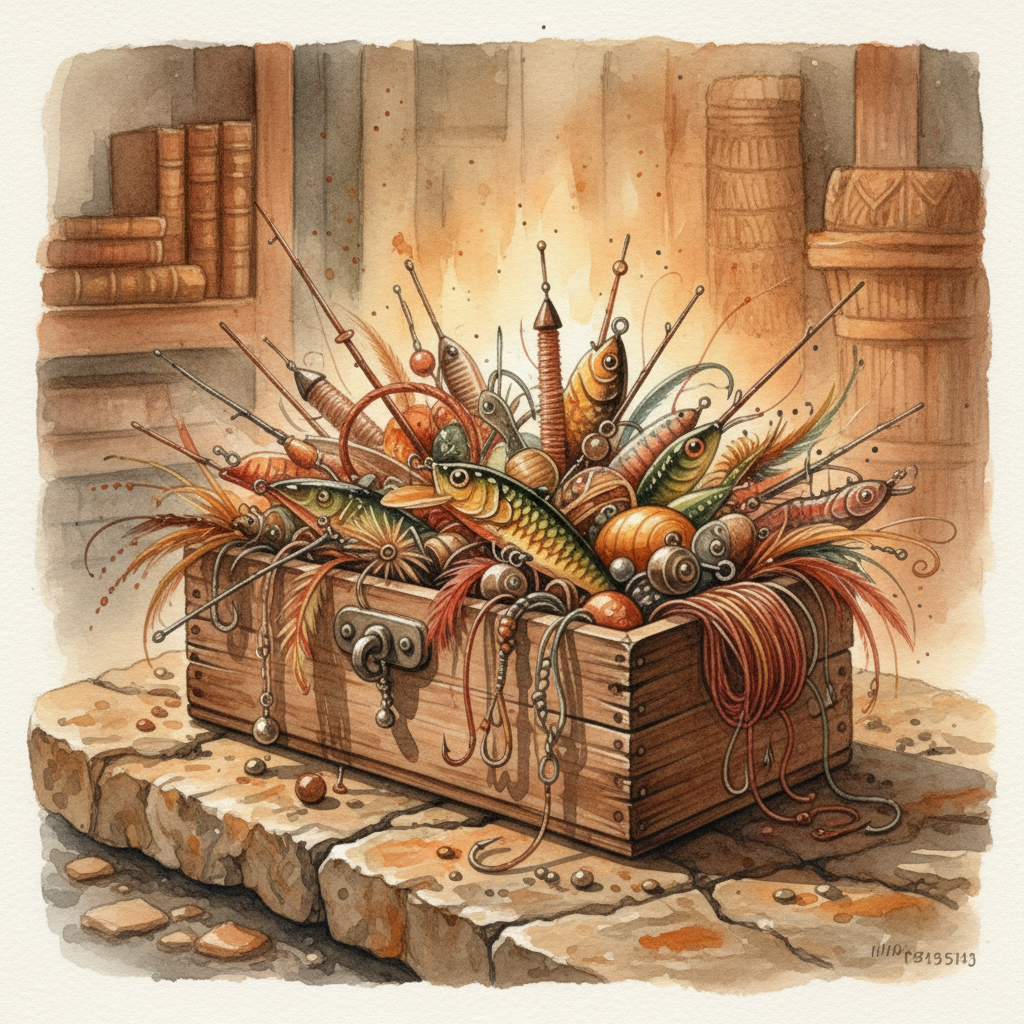
The lure is used to attract the attention of fish and entice them to strike. Lures come in a wide variety of shapes, sizes, and colors, each designed to imitate the natural prey of the target species.
Some lures are designed to mimic the appearance of baitfish, while others are designed to imitate insects, crustaceans, or other aquatic creatures. The key to choosing the right lure is to understand the feeding habits of the fish and the conditions in which they are feeding.
The Experience: More Than Just a Sport
Sport fishing is more than just a sport; it’s an experience that connects us to nature, challenges our skills, and provides a sense of peace and tranquility. It’s a way to escape the stresses of modern life and reconnect with the natural world.
The Connection to Nature
Fishing takes us to some of the most beautiful and pristine places on earth. It allows us to observe the natural world up close and personal, and to appreciate the delicate balance of the ecosystem.
Whether we are wading in a crystal-clear river, casting from a windswept beach, or drifting across a serene lake, fishing provides an opportunity to connect with nature in a profound way. We become more aware of the weather, the water conditions, and the behavior of the animals around us.
This connection to nature can be incredibly restorative. It can help us to reduce stress, improve our mood, and gain a greater appreciation for the beauty and fragility of the natural world.
The Challenge of Skill
Sport fishing is a challenging pursuit that requires both physical skill and mental acuity. It’s a constant learning process that rewards those who are willing to put in the time and effort to improve their skills.
From mastering the art of casting to understanding the nuances of fish behavior, there is always something new to learn in fishing. And the more we learn, the more we appreciate the complexity and subtlety of the sport.
This challenge is part of what makes fishing so rewarding. It’s a way to test our limits, push ourselves to improve, and experience the satisfaction of mastering a difficult skill.
The Peace and Tranquility
For many anglers, fishing is a way to escape the stresses of modern life and find peace and tranquility. The quiet solitude of the riverbank, the rhythmic casting of the line, and the anticipation of the strike can all be incredibly calming and therapeutic.
Fishing provides an opportunity to disconnect from the digital world and reconnect with ourselves. It allows us to focus on the present moment and to appreciate the simple pleasures of life.
This peace and tranquility is perhaps the most valuable benefit of sport fishing. It’s a way to recharge our batteries, clear our minds, and return to the world feeling refreshed and rejuvenated.
Ultimately, sport fishing offers a unique form of control – not over the fish, but over oneself. It demands patience, precision, and a profound understanding of the natural world. It’s a journey of continuous learning and self-improvement, where the true reward lies not just in the catch, but in the experience itself. As you stand on the water’s edge, rod in hand, ask yourself: are you ready to embrace the challenge and discover the subtle power of angling?