The Art of Patience in Angling: More Than Just Waiting
Fishing, at its core, is a dance between expectation and reality. It’s a symphony composed of anticipation, punctuated by moments of intense action. But beneath the surface of reeling in a prize lies a profound truth: knowing when to wait is often the greatest advantage a fisherman can possess. It transcends mere idleness; it’s an active, engaged state of being, a mastery of observation, and a testament to the power of delayed gratification.
Consider the seasoned angler, weathered by years of sun and spray. They don’t simply cast and reel with reckless abandon. Instead, they study the water, discerning subtle currents and the telltale signs of feeding fish. They understand that each cast is a calculated risk, a carefully planned maneuver in a larger game of strategy. And, perhaps most importantly, they know that sometimes, the best move is to wait, to observe, to learn, and to adapt.
Understanding the Ecosystem: A Foundation for Patience
Patience in fishing isn’t just about passively waiting for a bite. It’s about understanding the intricate web of life beneath the surface. It’s about knowing the feeding patterns of your target species, the influence of weather and tides, and the delicate balance of the aquatic ecosystem. This knowledge is the foundation upon which patience is built.
Think about the life cycle of a salmon. These magnificent creatures undertake arduous journeys, battling upstream against relentless currents to reach their spawning grounds. An impatient fisherman, unaware of this natural rhythm, might cast indiscriminately, wasting valuable time and energy. But a patient angler, one who understands the salmon’s journey, will position themselves strategically, anticipating the salmon’s movements and increasing their chances of success. This level of awareness demands patience, a willingness to observe and learn from the natural world.

The Psychology of the Wait: Mental Fortitude
The waiting game in fishing is as much a mental challenge as it is a physical one. It requires discipline, focus, and the ability to manage expectations. The temptation to constantly reel in, recast, or switch lures can be overwhelming, especially when the fish aren’t biting. But succumbing to this urge is often counterproductive. It disrupts the fishing environment and can scare away potential catches.
Imagine yourself on a vast, open lake. The sun is beating down, and hours have passed without a single nibble. Doubt begins to creep in, whispering insidious questions: “Are you using the right bait? Is this even a good spot? Are you wasting your time?” This is the crucible of patience, the moment where your mental fortitude is truly tested. The patient angler understands these doubts are natural, but they refuse to let them dictate their actions. They remain calm, focused, and confident, knowing that their persistence will eventually pay off.
The Art of Observation: Reading the Water
Patience allows you to become a keen observer of your surroundings. Instead of focusing solely on the absence of action, you can use the time to study the water, the weather, and the behavior of other creatures. Are birds diving for fish? Are insects hatching on the surface? Are there subtle changes in the current? These observations can provide valuable clues about the location and activity of fish.
Consider a fly fisherman casting in a trout stream. A sudden change in the wind direction might cause insects to drift to a different part of the stream. A patient angler will notice this change and adjust their casting accordingly, increasing their chances of enticing a trout. This ability to read the water, to interpret subtle cues, is a direct result of cultivating patience and attentiveness.
Strategic Waiting: When to Hold Your Ground
There are specific situations in fishing where patience is not only beneficial but absolutely essential. These are the moments when knowing when to wait can dramatically increase your chances of success.
Waiting Out the Weather: Adapting to the Elements
Weather plays a significant role in fish behavior. A sudden cold front, a torrential downpour, or a prolonged period of high winds can all impact fishing conditions. Impatient anglers might be tempted to pack up and go home when the weather turns unfavorable, but a patient angler will see these conditions as opportunities.
For example, bass often become more active after a rainstorm, as the influx of fresh water stirs up the food chain. Similarly, trout may feed more aggressively during a hatch of insects that coincides with a cloudy day. By waiting out the weather, observing how the fish respond, and adapting their tactics accordingly, patient anglers can often enjoy exceptional fishing when others have given up.
The Pre-Strike Pause: Mastering the Hookset
Even after a fish has taken the bait, patience is still required. Many inexperienced anglers make the mistake of immediately yanking the rod when they feel a tug. This often results in a missed hookset, as the fish may not have fully taken the bait. A patient angler, on the other hand, will wait for a moment, allowing the fish to fully commit before setting the hook with a firm, controlled motion. This pre-strike pause, however brief, can make all the difference between landing a fish and watching it swim away.
The Long Game: Conservation and Sustainability
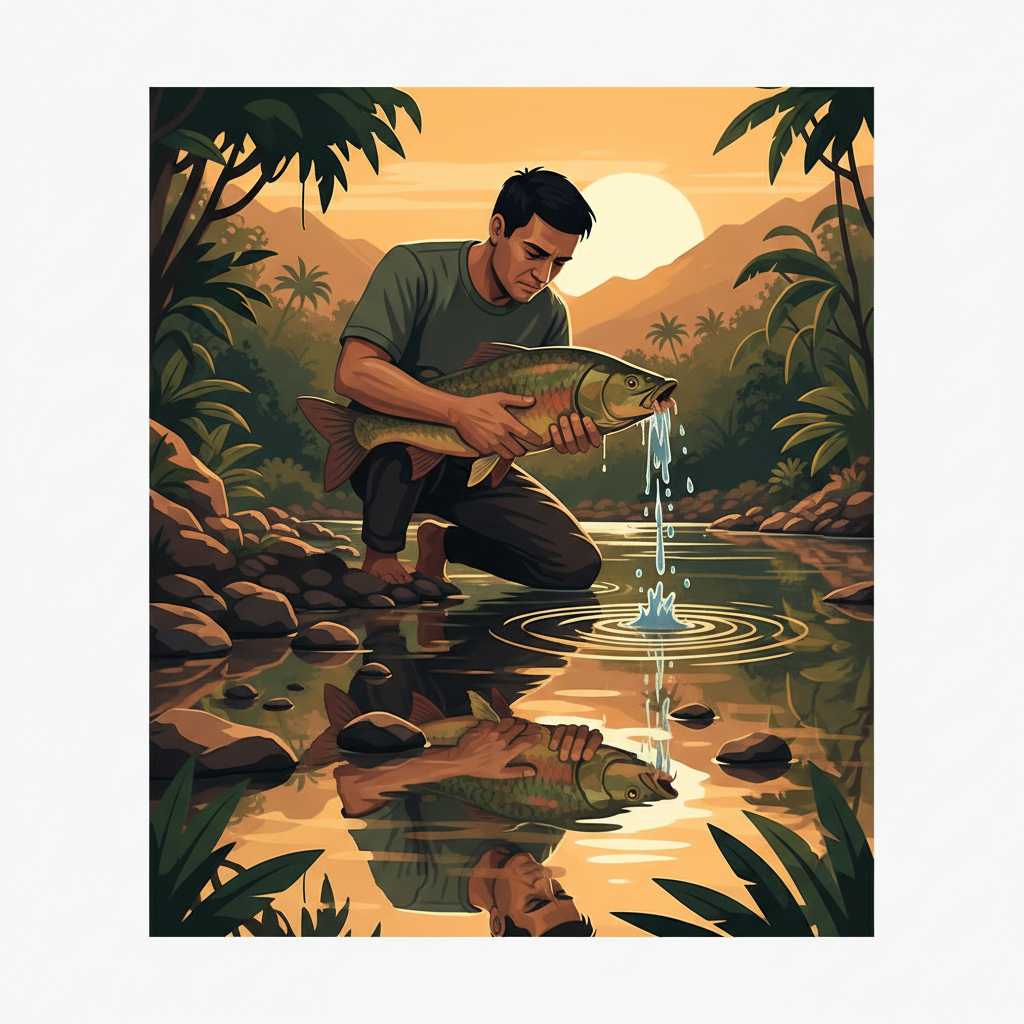
Patience extends beyond the individual fishing trip. It encompasses a broader perspective, a commitment to conservation and sustainability. Impatient anglers might be tempted to keep every fish they catch, regardless of size or species. But a patient angler understands the importance of responsible fishing practices, such as catch and release, selective harvesting, and respecting size and creel limits. They recognize that the future of fishing depends on their ability to exercise restraint and prioritize the long-term health of the aquatic ecosystem. This requires patience, a willingness to sacrifice immediate gratification for the sake of future generations.
Cultivating Patience: A Lifelong Pursuit
Patience is not an innate quality; it’s a skill that can be developed and honed over time. It requires conscious effort, deliberate practice, and a willingness to embrace the challenges of the waiting game.
Mindfulness and Presence: Being in the Moment
One of the most effective ways to cultivate patience is to practice mindfulness, to be fully present in the moment. Instead of dwelling on past failures or future expectations, focus on the here and now. Appreciate the beauty of your surroundings, the feel of the sun on your skin, and the sound of the water lapping against the shore. By immersing yourself in the present moment, you can reduce anxiety and cultivate a sense of calm and contentment, making the waiting game more enjoyable.
Setting Realistic Expectations: Avoiding Disappointment
Unrealistic expectations are a major source of frustration in fishing. If you go into each trip expecting to catch a trophy fish, you’re setting yourself up for disappointment. Instead, focus on setting realistic goals, such as learning a new technique, exploring a new fishing spot, or simply enjoying the peace and quiet of nature. By lowering your expectations, you can reduce pressure and increase your appreciation for the smaller victories, such as a beautiful sunset or a fleeting glimpse of wildlife.
Learning from Failure: Embracing the Learning Process
Failure is an inevitable part of fishing. There will be times when you don’t catch anything, despite your best efforts. Instead of becoming discouraged, use these experiences as learning opportunities. Analyze what went wrong, identify areas for improvement, and adjust your tactics accordingly. By embracing the learning process, you can transform setbacks into valuable lessons and become a more skilled and patient angler.
Beyond the Catch: Finding Joy in the Process
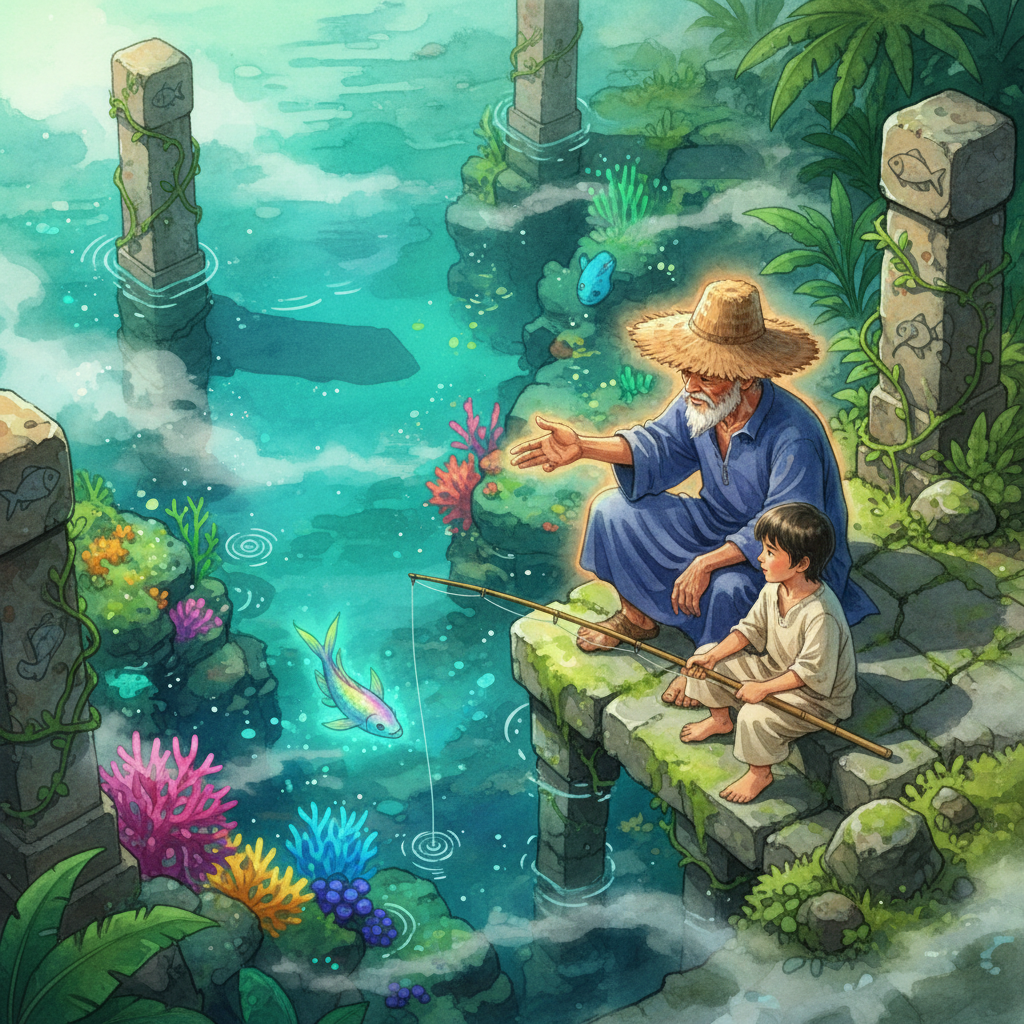
Ultimately, the true reward of fishing lies not in the catch itself, but in the experience. It’s about connecting with nature, challenging yourself mentally and physically, and sharing the joy of the sport with friends and family. By focusing on the process rather than the outcome, you can cultivate a deeper appreciation for fishing and develop the patience necessary to succeed. The act of waiting then transforms from a frustrating delay into an opportunity for reflection, observation, and connection with the natural world.
The Ripple Effect: Patience in Life
The lessons learned on the water can be applied to many other aspects of life. The patience cultivated while fishing can translate into greater resilience in the face of challenges, improved decision-making skills, and a more profound appreciation for the present moment.
Resilience and Perseverance: Overcoming Obstacles
Life, like fishing, is full of unexpected challenges and setbacks. Learning to persevere through periods of uncertainty and frustration is essential for success in any endeavor. The patience you develop while fishing can help you weather these storms, maintain a positive attitude, and stay focused on your goals.
Mindful Decision-Making: Considering the Consequences
Impulsive decisions often lead to negative consequences, both in fishing and in life. Taking the time to carefully consider your options, weigh the pros and cons, and assess the potential risks and rewards can lead to more informed and successful outcomes. The patience you cultivate while waiting for a bite can translate into a more thoughtful and deliberate approach to decision-making in all areas of your life.
Appreciating the Present: Finding Joy in the Journey
In a world that is constantly moving at a rapid pace, it’s easy to get caught up in the pursuit of future goals and forget to appreciate the present moment. Fishing provides an opportunity to slow down, disconnect from distractions, and immerse yourself in the beauty of nature. This mindful awareness can help you cultivate a greater sense of gratitude and contentment, allowing you to find joy in the journey, rather than solely focusing on the destination.
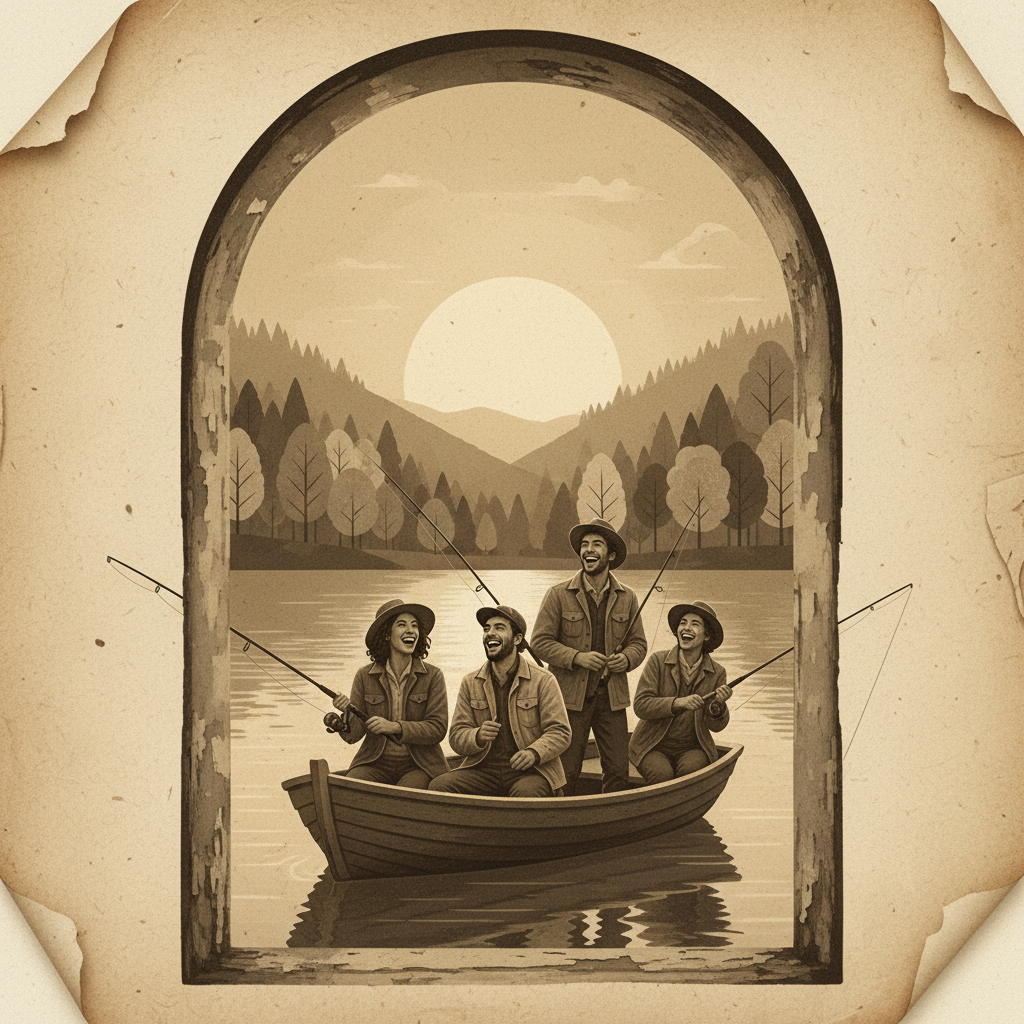
In conclusion, knowing when to wait is not simply a passive act of idleness, but rather a powerful strategy that can significantly enhance your success in fishing and in life. It requires understanding the ecosystem, cultivating mental fortitude, honing your observational skills, and embracing the long-term perspective. By developing patience, you can transform the waiting game into an opportunity for growth, learning, and connection with the natural world. So, the next time you’re on the water, remember the art of patience, and let it guide you to a more fulfilling and rewarding fishing experience. Embrace the wait, and you may just find that the greatest catch is the patience you cultivate along the way.