The Angler’s Nightmare: A Jammed Reel
There’s a moment every angler dreads, a moment when the smooth, rhythmic symphony of casting and retrieving abruptly grinds to a halt. It’s the moment your reel jams. Whether you’re battling a trophy fish or simply trying to get your lure into that sweet spot, a sudden reel malfunction can turn a promising fishing trip into a frustrating ordeal. But what causes these infuriating jams, and more importantly, how can you prevent them from happening in the first place?
The good news is that many reel jams are preventable with proper maintenance and a deeper understanding of your reel’s mechanics. Think of your fishing reel as a finely tuned machine – it requires care, attention, and the occasional bit of TLC to perform at its best. Neglecting these aspects is like neglecting your car’s oil changes; eventually, something will seize up, and you’ll be left stranded.
In this comprehensive guide, we’ll delve into the common culprits behind reel jams, explore preventative maintenance techniques, and equip you with the knowledge to keep your reel running smoothly, ensuring those critical fishing moments are defined by success, not frustration.
Understanding the Culprits: Common Causes of Reel Jams
Before we can effectively combat reel jams, we need to understand the enemy. Several factors can contribute to this problem, ranging from simple neglect to environmental influences. Let’s break down some of the most common causes:
1. The Gritty Intruder: Dirt, Sand, and Debris
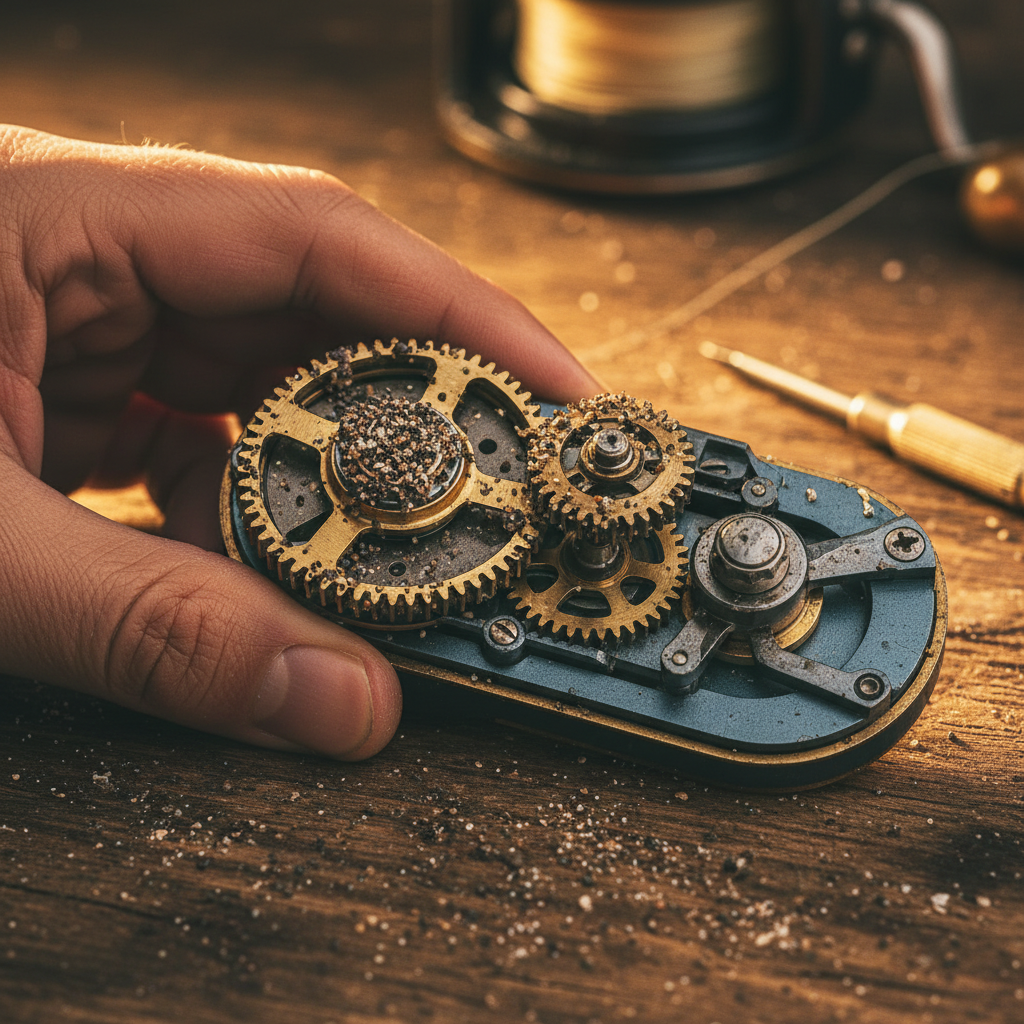
Fishing often involves venturing into environments where dirt, sand, and other abrasive particles are prevalent. These tiny invaders can infiltrate your reel’s delicate internal mechanisms, causing friction, wear, and eventual jamming. Imagine microscopic grains of sand acting like sandpaper on the gears – it’s a recipe for disaster.
Consider this scenario: You’re surfcasting on a windy beach. The fine sand is whipping through the air, coating everything in its path. Each cast and retrieve pulls more sand into your reel. Over time, this accumulation of grit will impede the reel’s smooth operation, leading to stiffness and ultimately, a jam.
2. The Silent Killer: Lack of Lubrication
Just like any mechanical device, fishing reels require proper lubrication to function smoothly. Grease and oil reduce friction between moving parts, preventing wear and ensuring efficient operation. When lubrication is inadequate, metal grinds against metal, generating heat and eventually causing components to seize up. Think of it like a squeaky door hinge – without lubrication, it becomes increasingly difficult to open and close.
Many anglers overlook the importance of regular lubrication. They assume that a reel will continue to function flawlessly for years without any maintenance. However, this is a dangerous assumption. Over time, grease dries out, oil dissipates, and the protective barrier against friction diminishes, leaving your reel vulnerable to jamming.
3. The Tangled Mess: Line Issues
The type of line you use and how it’s managed can significantly impact your reel’s performance. Overfilling the spool, using the wrong type of line, or allowing line to become tangled can all contribute to reel jams. Braided line, monofilament, and fluorocarbon each have unique properties that require specific reel settings and spooling techniques. Ignoring these nuances can lead to frustrating problems.
For example, overfilling a spinning reel spool with monofilament line is a common mistake. Monofilament has a tendency to expand when wet, and an overfilled spool leaves no room for this expansion. As a result, the line can become tightly packed, causing it to bind and jam during casting or retrieving.
4. The Wear and Tear Factor: Aging Components
Even with meticulous care, fishing reels are subject to wear and tear over time. Gears can become worn, bearings can become corroded, and other components can fatigue. These issues can eventually lead to decreased performance and an increased risk of jamming. It’s simply the nature of mechanical devices – they don’t last forever.
Imagine a reel that has been used extensively for several years. The internal gears have endured countless casts and retrieves, gradually wearing down their teeth. The bearings have been exposed to saltwater and harsh weather conditions, leading to corrosion and reduced smoothness. Eventually, these accumulated wear and tear factors will compromise the reel’s performance and increase the likelihood of a jam.
5. The Forceful Foe: Over-Tightening and Misuse
Applying excessive force when tightening reel components, such as the drag knob or handle, can damage threads and other delicate parts. Similarly, using a reel for purposes beyond its intended design can put undue stress on its internal mechanisms, leading to premature failure and jamming. Using a light freshwater reel for heavy saltwater fishing, for example, is a surefire way to accelerate its demise.
Picture an angler who constantly cranks the drag knob as tight as possible in an attempt to subdue a powerful fish. This excessive force can strip the threads on the drag system, rendering it ineffective and potentially causing the reel to jam when under pressure.
Preventative Measures: Keeping Your Reel Running Smoothly
Now that we’ve identified the common causes of reel jams, let’s focus on preventative measures. By implementing a proactive maintenance strategy, you can significantly reduce the risk of malfunctions and extend the lifespan of your fishing reels.
1. The Power of Fresh Water: Rinsing After Each Use
One of the simplest and most effective ways to prevent reel jams is to rinse your reel with fresh water after each fishing trip, especially when fishing in saltwater. This removes salt, sand, and other debris that can accumulate on the reel’s surface and penetrate its internal mechanisms. Think of it as a quick shower for your reel after a hard day’s work.
The rinsing process is straightforward: simply hold the reel under a gentle stream of fresh water, ensuring that all external surfaces are thoroughly rinsed. Pay particular attention to the line roller, bail arm, and other areas where debris tends to accumulate. Avoid using high-pressure water, as this can force contaminants deeper into the reel’s internal components.
2. The Deep Clean: Regular Disassembly and Maintenance
While rinsing after each use is beneficial, it’s not a substitute for a thorough cleaning and maintenance routine. Periodically disassembling your reel, cleaning its components, and re-lubricating them is essential for maintaining its optimal performance. The frequency of this deep clean will depend on how often you fish and the conditions you fish in, but a good rule of thumb is to perform a full cleaning at least once a year, or more often if you fish frequently in harsh environments.
Disassembling a fishing reel can seem daunting, but it’s a manageable task with the right tools and a little patience. Before you begin, gather the necessary tools, including screwdrivers, pliers, brushes, and cleaning solvents. It’s also a good idea to take photos or videos of each step of the disassembly process so you can easily reassemble the reel later. Carefully remove each component, clean it thoroughly with a solvent, and inspect it for wear or damage. Re-lubricate each component with the appropriate grease or oil before reassembling the reel.
3. The Right Stuff: Choosing the Right Lubricants
Not all lubricants are created equal. Using the wrong type of grease or oil can actually do more harm than good. Different reel components require different types of lubricants, so it’s important to choose the right products for the job. Generally, a high-quality reel grease is used for gears and other high-friction components, while a light reel oil is used for bearings and other moving parts. Avoid using general-purpose lubricants, as they may not provide adequate protection and can even damage the reel’s internal components.
Consult your reel’s owner’s manual or a reputable fishing tackle retailer for recommendations on the best lubricants for your specific reel model. Investing in high-quality lubricants is a small price to pay for the long-term health and performance of your reel.
4. The Line Matters: Proper Line Management
As mentioned earlier, the type of line you use and how it’s managed can significantly impact your reel’s performance. Ensure that you’re using the correct type of line for your reel and fishing conditions, and spool it properly to avoid overfilling or underfilling the spool. Regularly inspect your line for signs of wear or damage, and replace it when necessary. Using worn or damaged line can increase the risk of tangles and jams.
When spooling line, follow the manufacturer’s recommendations for the appropriate spool capacity. Overfilling the spool can lead to line binding and jams, while underfilling the spool can reduce casting distance. Use a line spooling tool to ensure that the line is spooled evenly and tightly. Regularly inspect your line for nicks, abrasions, or other signs of damage. Replace your line at least once a year, or more often if you fish frequently in harsh conditions.
5. The Gentle Touch: Avoiding Over-Tightening
Resist the urge to over-tighten reel components, such as the drag knob or handle. Applying excessive force can damage threads and other delicate parts, leading to premature failure. Tighten components only until they are snug and secure, and avoid using tools to tighten them further. If you’re having trouble tightening a component, it may be a sign that the threads are damaged or that the component needs to be replaced.
Remember, a little goes a long way. Over-tightening reel components is a common mistake that can have serious consequences. Treat your reel with care, and avoid applying excessive force to any of its components.

Troubleshooting: Addressing Jams in the Field
Despite your best efforts, reel jams can still occur in the field. When faced with a jammed reel, it’s important to remain calm and assess the situation carefully. Applying excessive force or attempting to force the reel to operate can often exacerbate the problem. Instead, follow these troubleshooting steps:
1. Stop and Assess: Identifying the Cause
The first step is to stop fishing and carefully assess the situation. Try to determine the cause of the jam. Is the line tangled? Is there debris caught in the reel? Is the reel simply stiff or unresponsive? Identifying the cause of the jam will help you determine the best course of action.
Carefully inspect the reel for any visible signs of damage or obstruction. Check the line roller, bail arm, and spool for tangles or debris. Try to gently turn the handle to see if you can feel any resistance or hear any unusual noises. If you can identify the cause of the jam, you may be able to resolve it quickly and easily.
2. Gentle Manipulation: Freeing the Mechanism
Once you’ve identified the cause of the jam, try to gently manipulate the reel to free the mechanism. If the line is tangled, carefully untangle it, being careful not to damage the line or the reel. If there is debris caught in the reel, try to remove it with your fingers or a small tool. If the reel is simply stiff, try to gently rock the handle back and forth to loosen it up.
Avoid using excessive force, as this can damage the reel’s internal components. Be patient and persistent, and try different approaches until you find one that works. If you’re unable to free the mechanism with gentle manipulation, it may be necessary to disassemble the reel for further inspection.
3. Field Maintenance: Limited Options
In some cases, you may be able to perform limited maintenance in the field to resolve a reel jam. If you have a small bottle of reel oil with you, try applying a few drops to the bearings or other moving parts. This can help to loosen up the mechanism and restore smooth operation. However, be careful not to over-lubricate the reel, as this can attract more dirt and debris.
If you don’t have any reel oil with you, you may be able to use a small amount of water to lubricate the reel. However, this should only be done as a last resort, as water can cause corrosion and damage to the reel’s internal components. After using water to lubricate the reel, be sure to thoroughly dry it and apply reel oil as soon as possible.
4. The Last Resort: Disassembly (If Possible)
If you’re unable to resolve the reel jam using the above methods, you may need to disassemble the reel for further inspection. However, this should only be done if you have the necessary tools and experience. Disassembling a reel in the field can be challenging, and it’s easy to lose or damage small parts. If you’re not comfortable disassembling the reel yourself, it’s best to take it to a qualified reel repair technician.
Before disassembling the reel, take photos or videos of each step of the process so you can easily reassemble it later. Carefully remove each component, inspect it for damage, and clean it thoroughly. Re-lubricate each component with the appropriate grease or oil before reassembling the reel. If you’re unable to repair the reel in the field, pack it up carefully and take it home for further inspection or repair.
Beyond Prevention: Choosing the Right Reel for the Job
While preventative maintenance is crucial, selecting the appropriate reel for your fishing style and target species is equally important. A reel that’s not designed for the specific demands of your fishing can be more prone to jamming and other malfunctions.
1. Matching the Reel to the Species
Consider the size and strength of the fish you’ll be targeting. A lightweight reel designed for panfish will likely struggle and be more susceptible to jams when battling a powerful saltwater gamefish. Conversely, using a heavy-duty reel for small freshwater fish can be overkill and detract from the enjoyment of the experience.
For example, if you’re targeting tuna or other large saltwater species, you’ll need a reel with a strong drag system, a durable frame, and plenty of line capacity. A small, lightweight spinning reel simply won’t cut it. On the other hand, if you’re fishing for trout in a stream, a small, lightweight fly reel or spinning reel will be more than adequate.
2. Considering the Environment
The environment you’ll be fishing in also plays a role in reel selection. Saltwater environments are particularly harsh on fishing reels, as saltwater can corrode metal components and cause them to seize up. If you’ll be fishing in saltwater, choose a reel that is specifically designed for saltwater use and is made from corrosion-resistant materials.
Similarly, if you’ll be fishing in sandy or muddy environments, choose a reel that is sealed to prevent dirt and debris from entering the internal mechanisms. A sealed reel will be more resistant to jams and other malfunctions caused by environmental factors.
3. Investing in Quality
While it’s tempting to save money by purchasing a cheaper reel, investing in a higher-quality reel can often be a better long-term investment. Higher-quality reels are typically made from more durable materials, have better-engineered internal mechanisms, and are less prone to jamming and other malfunctions. They also tend to last longer, saving you money in the long run.
Do your research and read reviews before purchasing a fishing reel. Look for reels that are known for their durability, reliability, and smooth operation. While a higher-quality reel may cost more upfront, it will likely provide you with many years of trouble-free fishing.

The Importance of Regular Maintenance: A Case Study
To illustrate the importance of regular maintenance, let’s consider a real-world case study. John, a passionate angler, owned two identical spinning reels. He used both reels for the same type of fishing, but he neglected to maintain one of them. The other reel received regular cleaning and lubrication.
After one year of use, the neglected reel began to exhibit signs of stiffness and decreased performance. It was more difficult to cast, and the drag system was not as smooth as it used to be. Eventually, the reel jammed completely, rendering it unusable. Upon inspection, John discovered that the internal gears were corroded and worn, and the bearings were seized up.
In contrast, the reel that John maintained regularly continued to perform flawlessly. It was still smooth to cast, and the drag system was as responsive as it was on day one. John’s experience clearly demonstrates the importance of regular maintenance in prolonging the lifespan and maintaining the performance of fishing reels.
The Final Cast: Keeping Your Reel in Top Condition
Preventing reel jams is an ongoing process that requires diligence and attention to detail. By understanding the common causes of reel jams, implementing preventative maintenance techniques, and choosing the right reel for the job, you can significantly reduce the risk of malfunctions and extend the lifespan of your fishing reels. Remember, a well-maintained reel is a reliable reel, and a reliable reel is essential for a successful and enjoyable fishing experience.
Don’t let a jammed reel ruin your next fishing trip. Take the time to properly maintain your reels, and you’ll be rewarded with years of smooth, trouble-free performance. The effort you put into reel maintenance will pay off in the long run, allowing you to focus on what really matters: catching fish and enjoying the great outdoors.

By investing time in understanding the mechanics of your reel and performing consistent maintenance, you are not only safeguarding your equipment but also enhancing your overall fishing experience. So, the next time you are preparing for a fishing trip, remember that a well-maintained reel is your trusted companion, ready to tackle any challenge the water may throw your way. Tight lines!