Decoding the Angler’s Arsenal: Choosing the Perfect Rod for Your Fish
Fishing, at its heart, is a conversation. A dialogue between angler and aquatic world, mediated by a slender, yet powerful, tool: the fishing rod. It’s more than just a stick; it’s an extension of your senses, a conduit for feeling the subtle tug of a nibbling bluegill or the explosive strike of a marauding muskie. But with a dizzying array of rods available – each boasting different lengths, actions, powers, and materials – choosing the right one can feel like deciphering an ancient, indecipherable code. How do you cut through the marketing jargon and select the rod that will truly enhance your fishing experience? This guide aims to demystify the process, providing you with the knowledge to confidently choose the perfect rod for your target species and fishing style.
Understanding the Fundamentals: Anatomy of a Fishing Rod
Before diving into specific rod types, it’s crucial to grasp the key components that define a rod’s performance. Think of it like understanding the different parts of a car engine – knowing how they work together allows you to diagnose problems and optimize performance. The main elements include:
- Length: Measured in feet and inches, length affects casting distance, leverage, and maneuverability.
- Power: Describes a rod’s resistance to bending. Ranging from ultralight to extra-heavy, power determines the size of fish it can handle and the weight of lures it can cast.
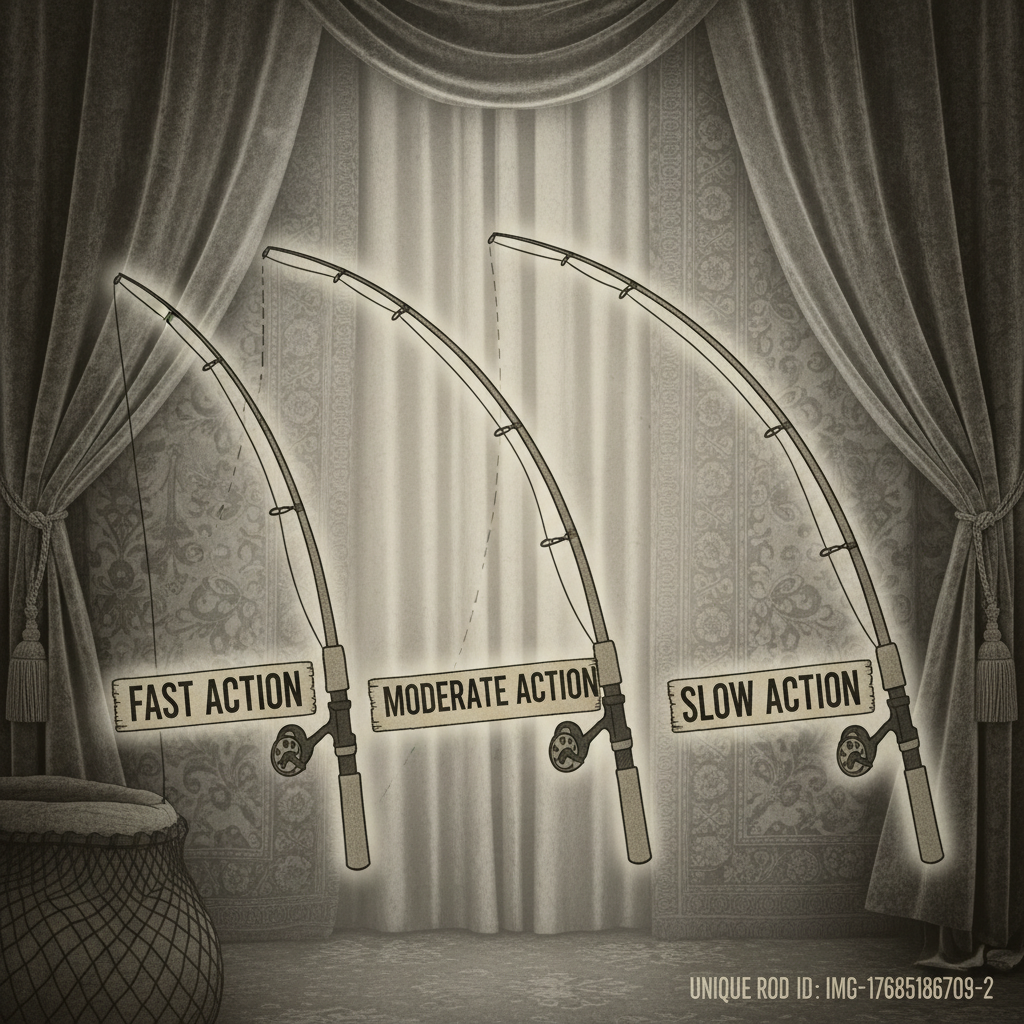
- Action: Refers to where the rod bends along its length when under pressure. Action dictates casting distance, hook-setting ability, and sensitivity.
- Material: Typically fiberglass, graphite, or a composite of both. Each material offers different levels of sensitivity, strength, and weight.
- Handle: Made from cork, EVA foam, or a combination, the handle provides grip and comfort during long fishing sessions.
- Guides: Rings attached along the rod’s length that guide the fishing line. Their size, material, and placement influence casting distance and line management.
Ignoring these elements is like trying to build a house without understanding blueprints. You might end up with something functional, but it won’t be optimized for its purpose. Imagine trying to catch a small trout with a heavy saltwater rod – you’d likely overpower the fish and miss subtle strikes. Conversely, attempting to land a powerful tuna with an ultralight rod would be a recipe for disaster.
Matching Rod Power and Action to Fish Size and Technique
The relationship between rod power, action, fish size, and fishing technique is paramount. Let’s break it down further:
Power: Handling the Fight
Rod power is essentially the backbone of the rod. It dictates the amount of pressure you can apply to a fish without risking breakage. It’s crucial to match the power to the size and fighting ability of your target species. Consider these examples:
- Ultralight: Ideal for panfish like bluegill and crappie, as well as small trout in clear streams. These rods are incredibly sensitive, allowing you to detect even the slightest nibble.
- Light: Suitable for larger trout, perch, and small bass. Light rods offer a good balance of sensitivity and power.
- Medium-Light: A versatile option for bass, walleye, and larger trout. They can handle a variety of lure sizes and techniques.
- Medium: A popular choice for bass fishing, as well as for pike and salmon in some situations. Medium power rods provide enough backbone to handle larger fish while still offering good sensitivity.
- Medium-Heavy: Designed for heavier lures and larger fish, such as bass in heavy cover, catfish, and smaller muskie.
- Heavy: Used for targeting large, powerful fish like muskie, pike, and saltwater species like tuna and marlin.
- Extra-Heavy: Employed for the largest and most aggressive fish in the ocean or freshwater, requiring specialized equipment and techniques.
Imagine trying to reel in a powerful king salmon with an ultralight rod. The rod would likely bend double, putting excessive strain on the line and potentially leading to a snapped rod or a lost fish. The correct power rod ensures you have the muscle to control the fish and bring it to the boat.
Action: Casting, Hooksets, and Sensitivity
Rod action describes how much of the rod bends when pressure is applied. This is crucial for casting distance, hook setting, and feeling subtle strikes:
- Fast Action: The rod bends primarily near the tip. Fast action rods are ideal for techniques requiring quick hooksets, such as jigging or fishing with single hooks. They are also more sensitive, allowing you to feel subtle strikes.
- Moderate-Fast Action: Bends more towards the middle of the rod. These rods offer a good compromise between sensitivity and casting distance. They are versatile and suitable for a variety of techniques.
- Moderate Action: Bends throughout the middle of the rod. Moderate action rods are excellent for casting crankbaits and other lures that require a longer, sweeping hookset. They also provide good shock absorption, which can be beneficial when fighting larger fish.
- Slow Action: Bends throughout the entire rod length. Slow action rods are primarily used for specialized techniques, such as fly fishing or fishing with very light lures. They offer excellent shock absorption and are forgiving for beginners.
Think about fishing with crankbaits, which often require a delayed hookset to allow the fish to fully engulf the lure. A fast-action rod might rip the lure out of the fish’s mouth before it has a chance to commit. A moderate-action rod, with its more gradual bend, allows the fish to take the bait deeper, increasing your chances of a solid hookup.
Material Matters: Fiberglass vs. Graphite vs. Composite
The material a rod is made from significantly impacts its sensitivity, weight, and durability. The three primary materials are:
Fiberglass: The Durable Workhorse
Fiberglass rods are known for their durability and affordability. They are generally heavier and less sensitive than graphite rods, but they can withstand a lot of abuse. Fiberglass is a good choice for beginners or anglers who fish in rugged environments. Think of fiberglass as the reliable pickup truck of the fishing world – it might not be the fanciest, but it will get the job done.
Graphite: The Sensitive Specialist
Graphite rods are lighter and more sensitive than fiberglass rods, allowing you to feel even the most subtle strikes. They are also generally more expensive. Graphite rods are a good choice for experienced anglers who value sensitivity and performance. Imagine graphite as a finely tuned sports car – it’s responsive and powerful, but requires a more skilled driver.
Composite: The Best of Both Worlds
Composite rods combine fiberglass and graphite to offer a balance of durability, sensitivity, and affordability. They are a versatile option for anglers who want a rod that can handle a variety of situations. Consider composite as a hybrid vehicle – it combines the efficiency of one technology with the power of another.
Ultimately, the best material for you will depend on your budget, fishing style, and personal preferences. There’s no one-size-fits-all answer. Experimenting with different materials is the best way to find what works best for you.
Specific Rod Recommendations for Popular Fish Species
Now, let’s dive into specific rod recommendations for some of the most popular fish species. Remember that these are just general guidelines, and the best rod for you will depend on the specific conditions you’re fishing in and your preferred techniques.
Bass Fishing: A Versatile Approach
Bass fishing is incredibly diverse, encompassing a wide range of techniques and lure types. Therefore, having a selection of rods is often necessary. Here are some general recommendations:
- Crankbait Rod: A medium-action rod in the 7-foot range is ideal for casting crankbaits. The moderate action allows the fish to take the bait deeper, increasing hookup ratios.
- Spinnerbait Rod: A medium-heavy action rod in the 6’6″ to 7′ range provides the power needed to rip spinnerbaits through heavy cover.
- Jig and Worm Rod: A medium-heavy to heavy action rod in the 7-foot range is essential for fishing jigs and worms in heavy cover. The fast action ensures solid hooksets.
- Topwater Rod: A medium to medium-heavy action rod in the 6’6″ to 7′ range is perfect for working topwater lures. The moderate action allows for walking-the-dog techniques and prevents pulling the lure away from the fish.
Consider the specific techniques you use most often when selecting your bass rods. If you primarily fish with jigs and worms in heavy cover, a heavy-action rod is a must-have. If you prefer fishing crankbaits in open water, a medium-action rod will be more suitable.
Trout Fishing: Sensitivity and Finesse
Trout fishing often requires a more delicate approach, especially when fishing for wild trout in clear streams. Sensitivity is key to detecting subtle strikes. Consider these options:
- Spinning Rod: An ultralight to light action rod in the 5’6″ to 7′ range is ideal for casting small spinners, spoons, and baits.
- Fly Rod: A 9-foot, 5-weight fly rod is a versatile option for a variety of trout fishing techniques.
When fishing for trout, line selection is also crucial. Use light fluorocarbon or monofilament line to minimize visibility and maximize sensitivity. Practice your casting technique to present your lures or flies as naturally as possible.
Walleye Fishing: A Balance of Power and Sensitivity
Walleye fishing requires a rod that can detect subtle strikes while still providing enough power to handle larger fish. Consider these options:
- Jigging Rod: A medium-light to medium action rod in the 6’6″ to 7′ range is perfect for jigging for walleye. The sensitive tip allows you to feel the bottom and detect subtle strikes.
- Trolling Rod: A medium-heavy action rod in the 7- to 9-foot range is ideal for trolling for walleye. The longer length provides better leverage and helps to keep the line out of the water.
Look for rods with a sensitive tip that can detect subtle strikes, but also with enough backbone to handle larger walleye. Line counter reels are also helpful for trolling, allowing you to precisely control the depth of your lures.
Catfish Fishing: Power and Durability
Catfish are known for their size and fighting ability, so you’ll need a rod that can handle the strain. Durability is also important, as catfish often inhabit snag-filled waters.
- General Catfish Rod: A medium-heavy to heavy action rod in the 7- to 8-foot range is a good all-around choice for catfish fishing.
- Bank Fishing Rod: A longer rod, in the 9- to 12-foot range, can be beneficial for bank fishing, allowing you to cast further and keep your line above the weeds.
Consider using a rod with a strong backbone and durable guides. Braided line is a good choice for catfish fishing, as it offers high strength and low stretch. Be prepared for a tough fight when you hook into a big catfish.
Saltwater Fishing: Strength and Corrosion Resistance
Saltwater fishing presents unique challenges, including larger fish, strong currents, and corrosive saltwater. Saltwater rods are built to withstand these conditions.
- Inshore Rod: A medium to medium-heavy action rod in the 7- to 8-foot range is suitable for inshore species like redfish, snook, and speckled trout.
- Offshore Rod: A heavy to extra-heavy action rod in the 5’6″ to 7′ range is necessary for targeting larger offshore species like tuna, marlin, and sailfish.
Look for rods with corrosion-resistant guides and components. Regularly rinse your saltwater rods with fresh water to prevent salt buildup. Consider using a rod with a gimbal butt for fighting large fish.
Beyond the Basics: Specialized Rods for Specific Techniques
As you become a more experienced angler, you may want to explore specialized rods designed for specific techniques. These rods are often optimized for a particular presentation or fishing style.
Fly Fishing Rods: An Art of Presentation
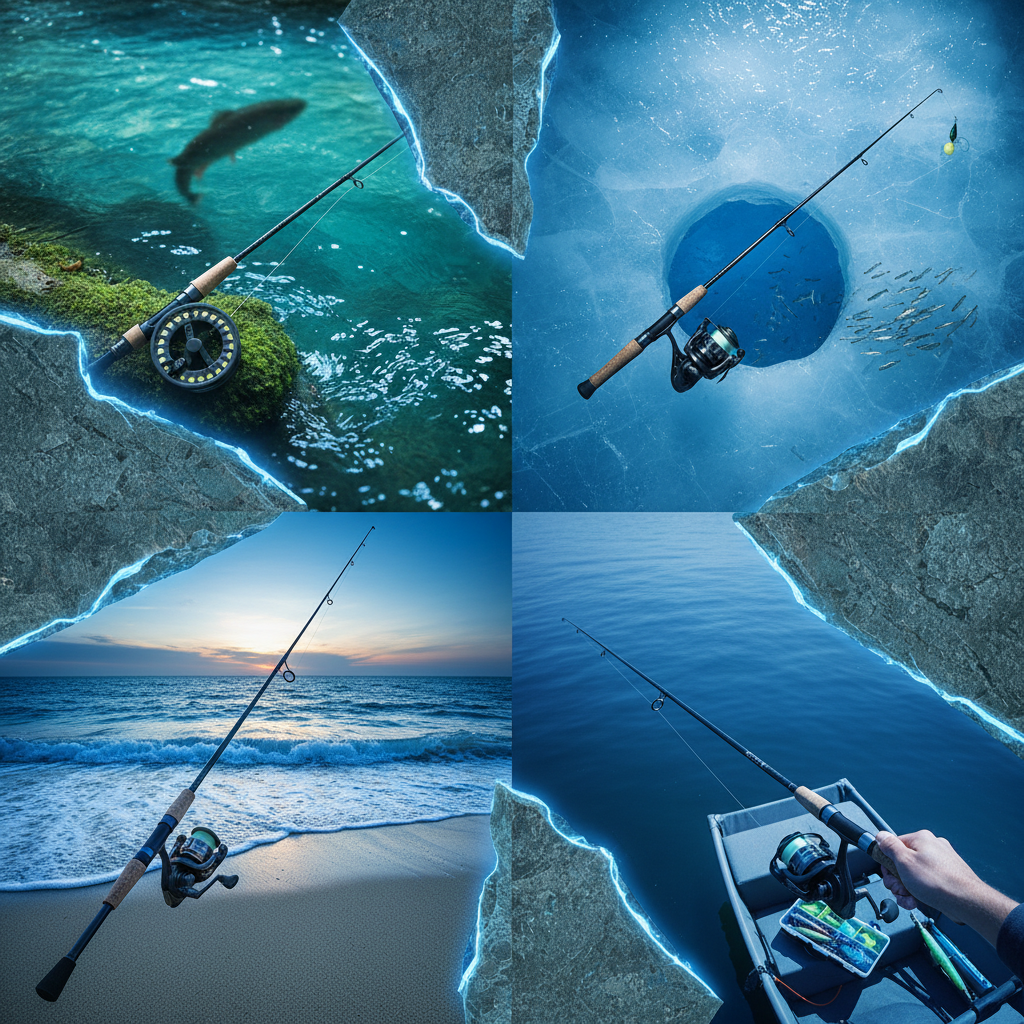
Fly fishing rods are designed to cast artificial flies, which are typically lightweight and require a different casting technique than conventional lures. Fly rods are classified by weight, which corresponds to the weight of the fly line they are designed to cast. A 5-weight fly rod is a versatile option for trout fishing, while heavier weights are used for larger fish like salmon and steelhead.
Ice Fishing Rods: Short and Sensitive
Ice fishing rods are typically short and sensitive, allowing you to detect subtle strikes in cold water. They are often equipped with spring bobbers, which amplify the movement of the line and make it easier to detect bites. Lengths are typically between 24 and 36 inches.
Surf Fishing Rods: Long-Casting Power
Surf fishing rods are long and powerful, designed to cast heavy lures and baits long distances from the shore. They typically range in length from 10 to 15 feet and have a heavy action to handle strong currents and large fish.
Telescopic Rods: Portability and Convenience
Telescopic rods collapse down to a compact size, making them ideal for travel or backpacking. They are a good option for anglers who want a portable rod that can be easily stored and transported.
The Importance of Proper Rod Maintenance
Once you’ve invested in a quality fishing rod, it’s essential to take care of it properly to ensure its longevity and performance. Here are some tips for rod maintenance:
- Rinse your rod with fresh water after each use, especially after fishing in saltwater. This will remove salt and other debris that can corrode the guides and other components.
- Store your rod in a rod case or rack to protect it from damage. Avoid leaning your rod against walls or leaving it in direct sunlight.
- Check the guides regularly for cracks or chips. Damaged guides can damage your line and reduce casting distance.
- Clean the handle with a mild soap and water solution. This will remove dirt and grime that can make the handle slippery.
- Apply a rod protectant to the blank to protect it from UV damage and scratches.
Proper rod maintenance is like changing the oil in your car – it’s a simple task that can significantly extend the life of your equipment.
Beyond the Specs: The Feel of the Rod in Your Hand
While understanding the technical specifications of a fishing rod is crucial, ultimately, the best way to choose a rod is to hold it in your hand and see how it feels. Pay attention to the balance, weight, and overall comfort. Can you comfortably cast with it for extended periods? Does it feel like an extension of your arm? Does it inspire confidence?
Don’t be afraid to ask questions at your local tackle shop. Experienced anglers can offer valuable insights and help you find the perfect rod for your needs. Many shops will even allow you to test cast rods before you buy them. This hands-on approach is invaluable in making the right decision.
Choosing the right fishing rod is a journey, not a destination. It’s a process of learning, experimenting, and refining your preferences. The more you fish, the better you’ll become at selecting rods that match your style and target species. So, get out there, explore the waters, and discover the joy of fishing with the perfect rod in your hand. The connection you forge with your gear will deepen your connection to the natural world, making each cast more meaningful than the last.

Ultimately, the perfect fishing rod is the one that feels right in your hand and helps you connect with the fish. So, take the time to research, experiment, and find the rods that will unlock your angling potential and create unforgettable fishing memories. The quest for the perfect rod is a lifelong pursuit, and the rewards are well worth the effort.