The Unspoken Lessons of the Riverbank
Fishing. It’s often painted as a simple pastime, a leisurely pursuit for a sunny afternoon. But beneath the surface of bobbing floats and tangled lines lies a profound teacher, one that imparts lessons on limits, patience, and respect – all without a single harsh word or reprimand. It’s a silent education, etched not in textbooks, but in the very fabric of the natural world. Have you ever considered that the act of fishing, at its core, is a delicate dance between desire and acceptance?
The modern world bombards us with messages of limitless potential, of conquering every challenge, of pushing beyond boundaries. This relentless pursuit of “more” can leave us feeling perpetually inadequate, constantly striving for an unattainable ideal. Fishing, in its quiet way, offers a counterbalance. It reminds us that some things are simply beyond our control, that nature operates on its own terms, and that true satisfaction often lies in accepting those terms with grace.
Think about it. You can spend hours meticulously selecting the perfect lure, studying the water currents, and casting with pinpoint accuracy. Yet, the fish may simply refuse to bite. Is this a failure? Not necessarily. It’s an opportunity to learn about humility, about acknowledging the inherent unpredictability of life. It’s a lesson in letting go of expectations and finding contentment in the process itself, in the quiet observation of the natural world unfolding around you.
The Art of Patience: A Virtue Seldom Taught
In our age of instant gratification, where information and entertainment are available at our fingertips, patience has become a rare and undervalued virtue. Fishing, however, demands patience in abundance. It requires us to slow down, to quiet the incessant chatter of our minds, and to simply wait, to observe, to be present in the moment. This enforced stillness can be deeply therapeutic, allowing us to reconnect with ourselves and with the natural rhythms of the world.
How often do we truly allow ourselves to be still, to simply exist without the pressure to achieve or produce? Fishing provides that space, a sanctuary from the relentless demands of modern life. It teaches us that some things cannot be rushed, that true rewards often come to those who are willing to wait, to persevere, and to trust in the unfolding of time. It’s a lesson that extends far beyond the riverbank, influencing our approach to relationships, careers, and even our own personal growth.
Consider the angler who spends countless hours perfecting their technique, learning the intricacies of the local waterways, and patiently waiting for the opportune moment. Their success is not solely determined by skill, but also by their ability to remain calm and focused, even in the face of disappointment. This is a valuable skill in any endeavor, a testament to the power of patience and perseverance.

Respect: A Cornerstone of the Angler’s Code
Beyond patience and humility, fishing instills a deep sense of respect – for the environment, for the fish themselves, and for the delicate balance of the ecosystem. Responsible anglers understand that they are not simply taking from nature, but rather participating in a complex and interconnected web of life. They practice catch and release, minimize their impact on the environment, and advocate for the conservation of our waterways.
This respect extends beyond the immediate act of fishing. It permeates the angler’s entire worldview, fostering a sense of responsibility towards the planet and a commitment to preserving its resources for future generations. They understand that their actions have consequences, and they strive to minimize their footprint and to promote sustainable practices.
Think about the angler who carefully cleans their fishing gear to prevent the spread of invasive species, or the one who volunteers their time to clean up litter along the riverbank. These actions are not simply acts of environmental stewardship; they are expressions of a deep and abiding respect for the natural world. They are a testament to the transformative power of fishing, its ability to cultivate a sense of connection and responsibility that extends far beyond the pursuit of a catch.
Learning Limits Without Confrontation
One of the most subtle, yet profound, lessons that fishing teaches is the acceptance of limits. Not just the limits of one’s own skill or patience, but the inherent limits of the natural world. There are times when the fish simply aren’t biting, when the weather conditions are unfavorable, or when the river is too high or too low. In these moments, the angler is forced to confront the reality that they are not in control, that nature dictates the terms, and that resistance is futile.
This acceptance of limits is not a sign of weakness, but rather a mark of wisdom. It’s an acknowledgement that we are all part of something larger than ourselves, that we are subject to forces beyond our control, and that true contentment lies in aligning ourselves with the natural order. It’s a lesson that is particularly valuable in today’s world, where we are constantly bombarded with messages of limitless possibility and the pressure to achieve unattainable goals.
Consider the seasoned angler who has spent years fishing the same waters. They have learned to read the signs, to understand the rhythms of the river, and to accept the inevitable periods of scarcity. They don’t become frustrated or discouraged when the fish aren’t biting; they simply adjust their approach, appreciate the beauty of their surroundings, and accept the limits of the day. This is the essence of fishing’s quiet wisdom, its ability to teach us about acceptance, resilience, and the enduring power of nature.
Have you ever considered the profound difference between forcing a situation and allowing it to unfold? Fishing is a masterclass in the latter. There’s a quiet strength in yielding, in acknowledging the boundaries set by nature, and in finding satisfaction within those confines. It’s a lesson that resonates deeply in all aspects of life, from our relationships to our careers.
The Whispers of the Wild: Finding Solace in Nature
Beyond the practical lessons of patience, respect, and limits, fishing offers something even more profound: a deep and abiding connection with nature. The simple act of spending time outdoors, breathing fresh air, and observing the natural world can be incredibly therapeutic. It allows us to escape the stresses and distractions of modern life and to reconnect with our primal instincts.
The sights, sounds, and smells of the natural world can have a profound impact on our well-being. The gentle murmur of a flowing river, the rustling of leaves in the trees, the chirping of birds – these are the sounds of peace and tranquility, a balm for the weary soul. Fishing provides an opportunity to immerse ourselves in this natural symphony, to quiet the noise of our minds, and to find solace in the beauty of the world around us.
Think about the feeling of the sun on your skin, the wind in your hair, the cool spray of water on your face. These are the sensations that ground us, that connect us to the earth, and that remind us that we are all part of something larger than ourselves. Fishing allows us to experience these sensations in a visceral and meaningful way, fostering a sense of connection and belonging that is essential for our well-being.

More Than Just a Catch: The Intangible Rewards
Ultimately, the true value of fishing lies not in the number of fish caught, but in the intangible rewards that it provides: a sense of peace, a connection with nature, and a deeper understanding of ourselves. It’s a pursuit that can be enjoyed by people of all ages and backgrounds, a timeless tradition that has been passed down through generations.
The memories created on the riverbank, the shared experiences with friends and family, the quiet moments of contemplation – these are the things that truly matter. They are the treasures that we carry with us long after the fishing rod has been put away. They are the reminders that life is not just about achieving goals, but also about appreciating the journey and finding joy in the simple things.
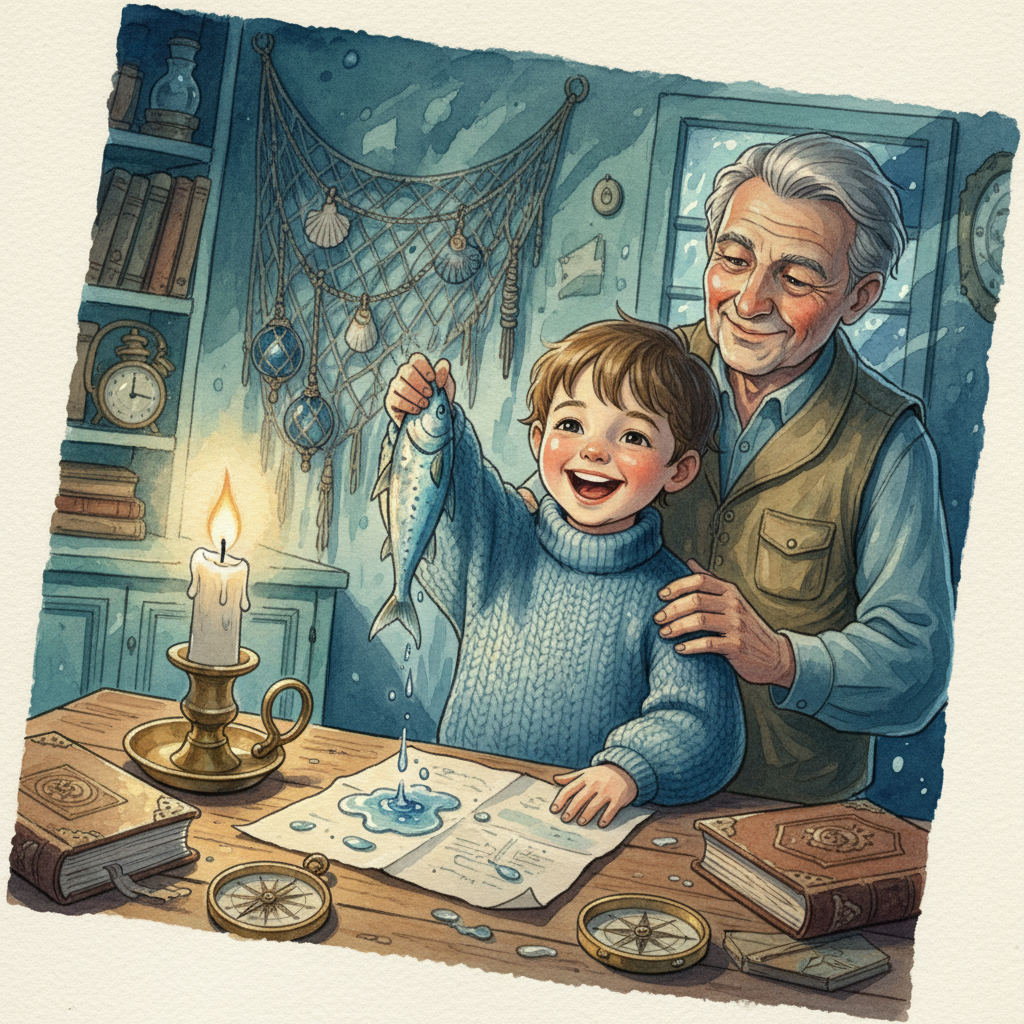
Consider the father who takes his son fishing for the first time, teaching him the basics of casting, knot-tying, and fish identification. This is more than just a fishing lesson; it’s an opportunity to bond, to share knowledge, and to create memories that will last a lifetime. It’s a testament to the power of fishing to connect people across generations and to foster a love of the outdoors.
And what about the solitary angler who seeks refuge on the riverbank, escaping the pressures of modern life and finding solace in the quiet contemplation of nature? This is not simply a recreational activity; it’s a form of therapy, a way to reconnect with oneself and to find peace in the midst of chaos. It’s a testament to the transformative power of fishing, its ability to heal and to restore.
The Ripple Effect: Lessons Applied to Life
The lessons learned on the riverbank have a way of seeping into other aspects of our lives, influencing our relationships, our careers, and our overall approach to the world. The patience and perseverance cultivated while waiting for a bite can translate into a more measured and thoughtful approach to problem-solving. The respect for the environment can inspire a more conscious and sustainable lifestyle. And the acceptance of limits can foster a greater sense of contentment and inner peace.
Have you ever noticed how the best anglers are often the most adaptable? They are able to adjust their tactics, to learn from their mistakes, and to remain calm and focused, even in the face of adversity. These are valuable skills in any profession, a testament to the power of fishing to develop resilience and resourcefulness.
And what about the humility that comes from repeatedly being outsmarted by a fish? This is a lesson that can be applied to all areas of life, reminding us that we are not always right, that there is always more to learn, and that true wisdom lies in acknowledging our limitations. It’s a lesson that can help us to become more open-minded, more compassionate, and more understanding of others.
Passing Down the Wisdom: A Legacy of Connection
Perhaps the most important aspect of fishing is its ability to connect us to something larger than ourselves. It connects us to nature, to our ancestors, and to future generations. It’s a tradition that has been passed down through countless centuries, a shared experience that transcends cultural and geographical boundaries.
By teaching our children to fish, we are not simply teaching them a skill; we are teaching them a way of life. We are teaching them to respect nature, to be patient and persistent, and to find joy in the simple things. We are giving them a gift that they can carry with them throughout their lives, a connection to the natural world that will sustain them in times of trouble and inspire them to protect our planet for future generations.
Consider the Native American tribes who have relied on fishing for sustenance and survival for thousands of years. They have a deep and abiding respect for the salmon and other fish that provide them with food, clothing, and spiritual nourishment. They understand that the health of the ecosystem is directly linked to their own well-being, and they strive to live in harmony with nature.
This is the essence of fishing’s enduring appeal, its ability to connect us to something ancient and profound. It’s a reminder that we are all part of a larger story, a story that stretches back to the beginning of time and that will continue long after we are gone. It’s a story of connection, of respect, and of the enduring power of nature to heal and to inspire.
Beyond the Surface: A Deeper Understanding
Fishing, then, is far more than just a recreational activity. It’s a pathway to self-discovery, a connection to nature, and a teacher of invaluable life lessons. It’s a reminder that true fulfillment often lies not in the pursuit of external goals, but in the cultivation of inner peace, the appreciation of the natural world, and the acceptance of the limits that define our existence.
Have you ever paused to consider the countless hours spent by anglers around the world, patiently waiting for a bite? What are they truly seeking? Is it simply the thrill of the catch, or is it something more profound? Perhaps it’s the quiet contemplation, the connection with nature, the escape from the pressures of modern life, or the opportunity to learn from the subtle wisdom of the riverbank.
Whatever the motivation, it’s clear that fishing offers something unique and valuable, something that cannot be easily replicated in other pursuits. It’s a timeless tradition that has been passed down through generations, a shared experience that connects us to our ancestors and to the natural world. It’s a reminder that we are all part of something larger than ourselves, and that true happiness lies in finding our place within the intricate web of life.
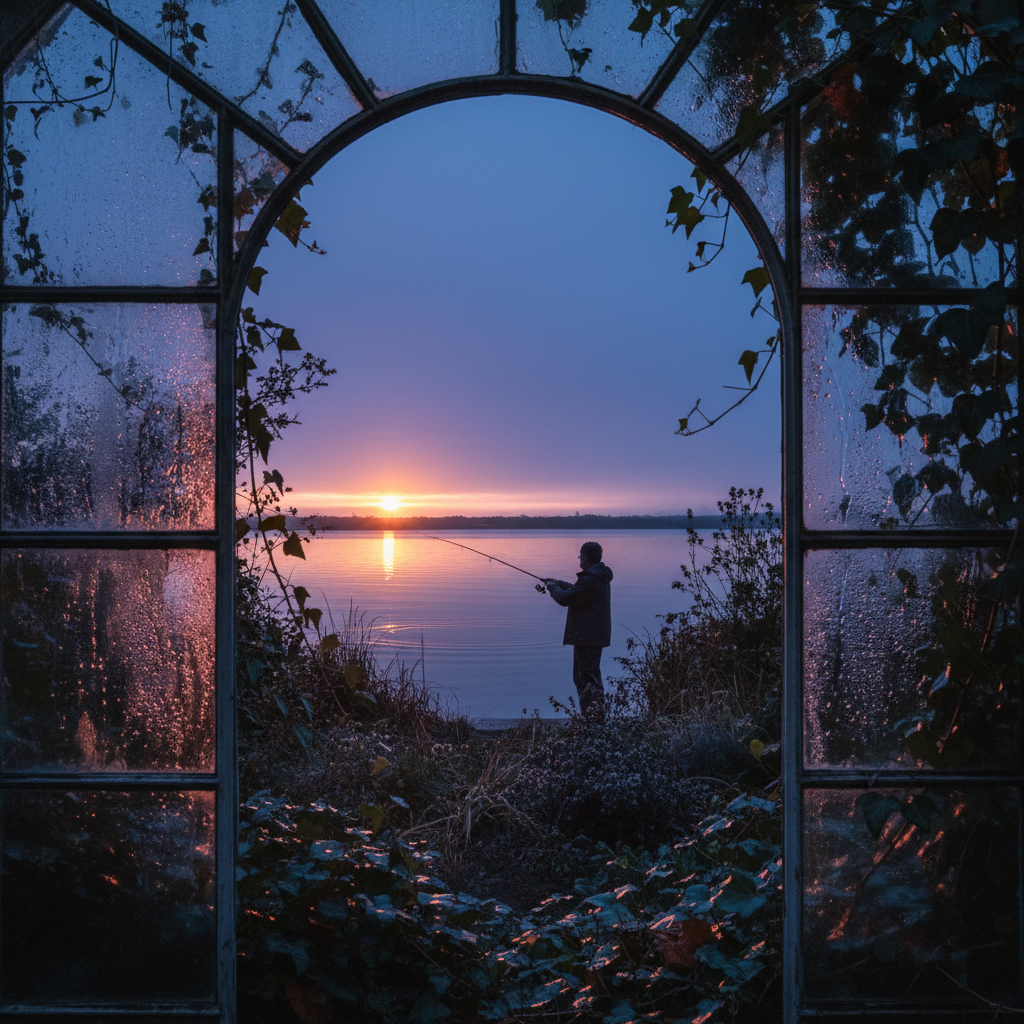
So, the next time you see someone fishing, take a moment to consider what they are truly seeking. It may be more than just a fish. It may be a connection to nature, a moment of peace, or a lesson in limits without conflict. It may be a journey of self-discovery, guided by the silent wisdom of the river.