The Unspoken Language of the River
There’s a reason why fishing has endured for millennia, transcending mere sustenance and becoming a deeply ingrained part of the human experience. It’s not just about the catch; it’s about the communion with nature, the quiet contemplation, and the subtle lessons the water teaches us if we’re willing to listen. In a world saturated with noise and distractions, fishing offers a sanctuary, a place to reconnect with ourselves and the rhythms of the natural world.
Have you ever noticed how time seems to slow down when you’re standing by the water’s edge, rod in hand? The urgency of deadlines and the anxieties of daily life begin to fade, replaced by a sense of presence, an awareness of the gentle currents, the rustling leaves, and the calls of the birds. It’s in these moments of stillness that we often find clarity, a renewed perspective on what truly matters.
Fishing is a conversation, not just with the river, but with yourself. It’s an exercise in patience, resilience, and observation. You learn to read the water, to understand the habits of the fish, and to adapt your strategy to the ever-changing conditions. These skills, honed by the river, often translate into other areas of our lives, making us more adaptable, resourceful, and attuned to the subtle nuances of human interaction.
The Illusion of Control
One of the most valuable lessons fishing teaches us is the illusion of control. We may meticulously plan our approach, select the perfect lure, and cast with precision, but ultimately, the fish decides whether or not to bite. This surrender to the unpredictable forces of nature can be surprisingly liberating. It reminds us that we are not always in control, and that sometimes, the best thing we can do is to accept the uncertainty and enjoy the process.
Think about it: how often do we cling to control in our daily lives, striving to orchestrate every detail and micromanage every outcome? This constant pursuit of control can lead to stress, anxiety, and a sense of dissatisfaction. Fishing offers a counterpoint, a gentle reminder that letting go can be just as rewarding as achieving our goals. The unexpected snag, the sudden rainstorm, the fish that gets away – these are all opportunities to practice acceptance and to cultivate a more resilient spirit.

Beyond the Trophy: The Real Rewards of Fishing
While the thrill of landing a trophy fish is undeniable, the true rewards of fishing often lie far beyond the weight and size of the catch. It’s about the shared experiences, the camaraderie, and the intergenerational knowledge passed down from one angler to the next. It’s also about the personal growth that comes from facing challenges, overcoming setbacks, and learning to appreciate the simple beauty of the natural world.
I remember fishing with my grandfather as a child. He wasn’t particularly concerned with catching the biggest fish, but he was passionate about sharing his love of the outdoors and teaching me the importance of respecting the environment. He taught me how to tie knots, how to identify different species of fish, and how to read the signs of the weather. But more importantly, he taught me the value of patience, perseverance, and the importance of connecting with nature.
Those fishing trips with my grandfather were more than just lessons in angling; they were lessons in life. They instilled in me a deep appreciation for the natural world and a sense of responsibility for its preservation. They also taught me the importance of slowing down, of being present in the moment, and of cherishing the relationships that matter most.
The Ripple Effect of Conservation
Fishing, when practiced responsibly, can be a powerful force for conservation. Anglers have a vested interest in protecting the health of our waterways and the sustainability of fish populations. They are often the first to notice signs of pollution or habitat degradation, and they are often the most vocal advocates for conservation efforts.
Consider the countless organizations dedicated to protecting and restoring fish habitats, many of which are supported by anglers. These organizations work tirelessly to remove dams, restore wetlands, and combat pollution, ensuring that future generations will have the opportunity to enjoy the same fishing experiences that we do today. Fishing is not just a recreational activity; it’s a vital link in the chain of conservation.
Moreover, the act of fishing itself can promote a deeper understanding of ecological principles. By observing the interconnectedness of species, the delicate balance of ecosystems, and the impact of human activities on the environment, anglers develop a more nuanced and informed perspective on the importance of conservation. This understanding can translate into more sustainable practices in all aspects of our lives.
The Solitude of the Stream: Finding Peace in a Hectic World
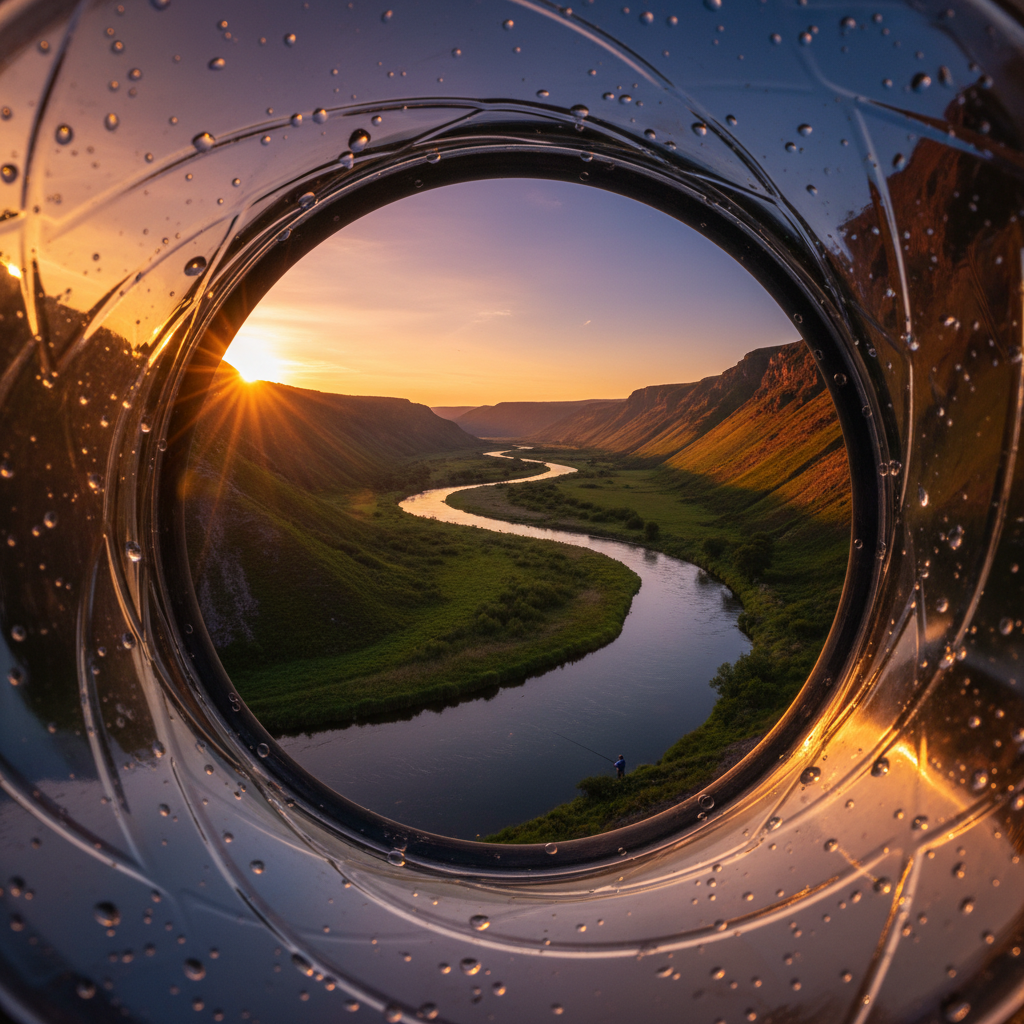
In today’s fast-paced world, finding moments of peace and solitude can be a challenge. We are constantly bombarded with information, demands, and distractions. Fishing offers a refuge from this chaos, a chance to disconnect from the digital world and reconnect with our inner selves. The solitude of the stream, the quiet contemplation of the lake, the rhythmic casting of the line – these are all opportunities to find solace and clarity.
Have you ever felt the weight of the world lift from your shoulders as you stand by the water’s edge? The worries and anxieties that consume us in our daily lives seem to dissipate in the face of the vastness and beauty of nature. The simple act of casting a line, of focusing on the movement of the water, can be incredibly meditative. It allows us to quiet the chatter in our minds and to find a sense of inner peace.
Furthermore, the physical exertion involved in fishing can be surprisingly therapeutic. Whether you’re wading through a stream, hiking to a remote lake, or paddling a kayak across a bay, the act of moving your body in nature can release endorphins and reduce stress. The combination of physical activity and mental relaxation makes fishing a powerful tool for promoting overall well-being.
The Art of Letting Go
Fishing is not just about catching fish; it’s also about learning to let go. Sometimes, despite our best efforts, the fish just don’t bite. Sometimes, we lose a prized catch after a long and arduous battle. And sometimes, the weather simply doesn’t cooperate. These are all opportunities to practice acceptance and to develop a more resilient attitude.
How often do we dwell on our failures and setbacks, allowing them to define our self-worth? Fishing teaches us that failure is an inevitable part of the process and that it’s okay to make mistakes. The important thing is to learn from our experiences, to adapt our approach, and to keep trying. This resilience, cultivated by the river, can be invaluable in navigating the challenges of life.
Moreover, the act of releasing a fish, especially a large or beautiful one, can be a deeply satisfying experience. It’s a recognition that the true value of fishing lies not in the possession of the catch, but in the connection with nature and the respect for the delicate balance of the ecosystem. This act of letting go can be a powerful symbol of our commitment to conservation and sustainability.
The Stories We Tell: Fishing as a Narrative
Fishing is more than just a hobby; it’s a source of stories, memories, and shared experiences that bind us together. From the tales of legendary catches to the comical mishaps on the water, fishing provides a rich tapestry of narratives that are passed down from one generation to the next. These stories help us to connect with our past, to celebrate our present, and to imagine our future.
Think about the fishing stories you’ve heard – the ones that have been embellished and retold countless times. These stories are not just about fish; they’re about the people who tell them, the places where they happened, and the emotions they evoke. They’re about camaraderie, adventure, and the shared human experience of connecting with nature.
These stories also serve as a way to transmit knowledge and values. They teach us about the history of fishing, the techniques that have been developed over generations, and the importance of respecting the environment. They also remind us of the importance of patience, perseverance, and the value of shared experiences.
Creating Lasting Memories
Fishing trips often become the backdrop for some of our most cherished memories. The laughter shared with friends and family, the breathtaking sunsets witnessed on the water, the sense of accomplishment after landing a challenging fish – these are the moments that stay with us long after the trip is over. These memories provide us with a sense of connection, purpose, and joy.
Consider the power of a photograph taken on a fishing trip. It can transport us back to that moment in time, allowing us to relive the sights, sounds, and emotions of the experience. These photographs become treasured mementos, reminders of the people we shared the experience with and the lessons we learned along the way.

The Future of Fishing: Protecting Our Waters for Generations to Come
As we look to the future, it’s essential that we prioritize the protection of our waterways and the sustainability of fish populations. Fishing is not just a pastime; it’s a vital part of our cultural heritage, our economy, and our connection to the natural world. It’s our responsibility to ensure that future generations have the opportunity to experience the same joys and benefits of fishing that we do today.
This requires a collective effort from anglers, conservationists, policymakers, and the public. We must support policies that protect our waters from pollution, overfishing, and habitat destruction. We must also educate ourselves and others about the importance of sustainable fishing practices and the role we can all play in protecting our environment.
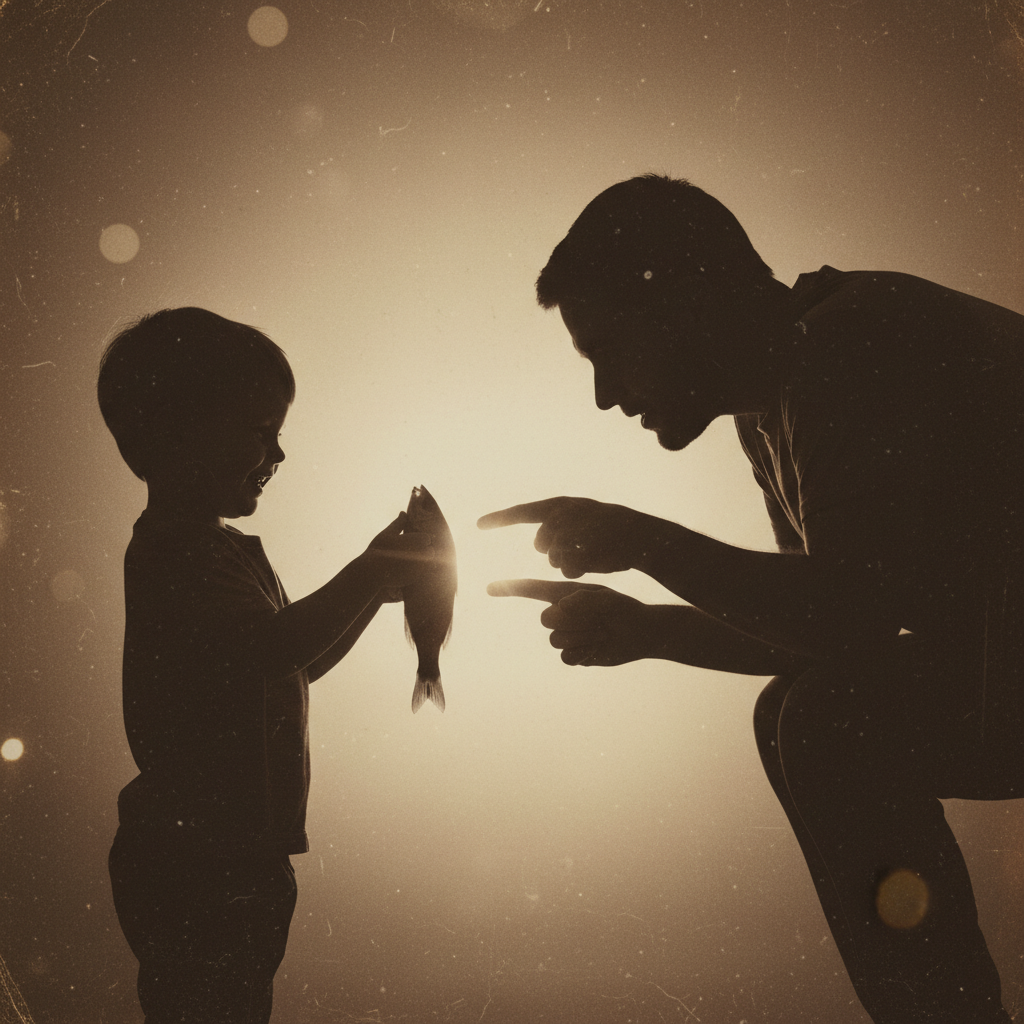
Furthermore, we must encourage young people to get involved in fishing and to develop a love for the outdoors. By introducing them to the joys of angling and the importance of conservation, we can ensure that they become the next generation of stewards for our waterways.
A Legacy of Stewardship
The future of fishing depends on our commitment to stewardship. We must recognize that we are not just users of our natural resources; we are caretakers. It’s our responsibility to protect and preserve our waters for the benefit of all, both present and future generations.
This requires a shift in mindset, from a focus on immediate gratification to a long-term perspective. We must be willing to make sacrifices, to embrace sustainable practices, and to advocate for policies that protect our environment. By doing so, we can ensure that fishing remains a vibrant and sustainable activity for generations to come.
Ultimately, fishing reminds us of what truly matters: our connection to nature, our relationships with others, and our responsibility to protect the planet. It’s a timeless pursuit that offers us the opportunity to escape the stresses of modern life, to find peace and solitude, and to connect with our inner selves. And in a world that is increasingly disconnected and fragmented, these are the values that we must cherish and preserve.