Fishing: More Than Just Catching Fish
For many, the word “fishing” conjures up images of lazy summer afternoons spent on a sun-drenched lake, a cooler full of refreshments, and the occasional tug on the line. While these idyllic scenes certainly capture a part of the fishing experience, they often obscure a deeper, more profound connection that anglers forge with the natural world. Fishing isn’t merely about catching fish; it’s about rediscovering a primal bond, a reconnection to rhythms and cycles that modern life often eclipses. It’s about patience, observation, and a quiet understanding of the intricate web of life that thrives beneath the surface of the water.
Have you ever considered that the act of fishing, stripped of its competitive or consumptive elements, is fundamentally an exercise in mindfulness? It demands that we slow down, pay attention, and immerse ourselves in the present moment. The constant hum of technology fades away, replaced by the gentle murmur of the stream, the rustling of leaves in the wind, and the calls of birds overhead. In this sensory-rich environment, the worries and anxieties of everyday life begin to dissipate, leaving space for a sense of peace and tranquility to take root.
The Illusion of Escape
We often hear people describe fishing as an “escape.” An escape from the pressures of work, the demands of family, the relentless bombardment of information that defines our digital age. And while there’s a certain truth to this sentiment – fishing undoubtedly offers a respite from the stresses of modern life – framing it solely as an escape misses the point. An escape implies a desire to leave something behind, to disengage from reality. But fishing, at its core, is not about disengagement; it’s about re-engagement. It’s about reconnecting with ourselves, with our history, and with the natural world that sustains us.
Think about it: our ancestors were intimately connected to the land and the water. Their survival depended on their ability to understand the cycles of nature, to track animals, and to harvest resources sustainably. Fishing was not a hobby or a pastime; it was a fundamental skill, a vital link in the chain of survival. This connection is still embedded within us, a deep-seated instinct that yearns for the simplicity and authenticity of a life lived in harmony with nature. When we fish, we tap into this ancient wisdom, rekindling a connection that has been dormant for too long.
The Art of Observation
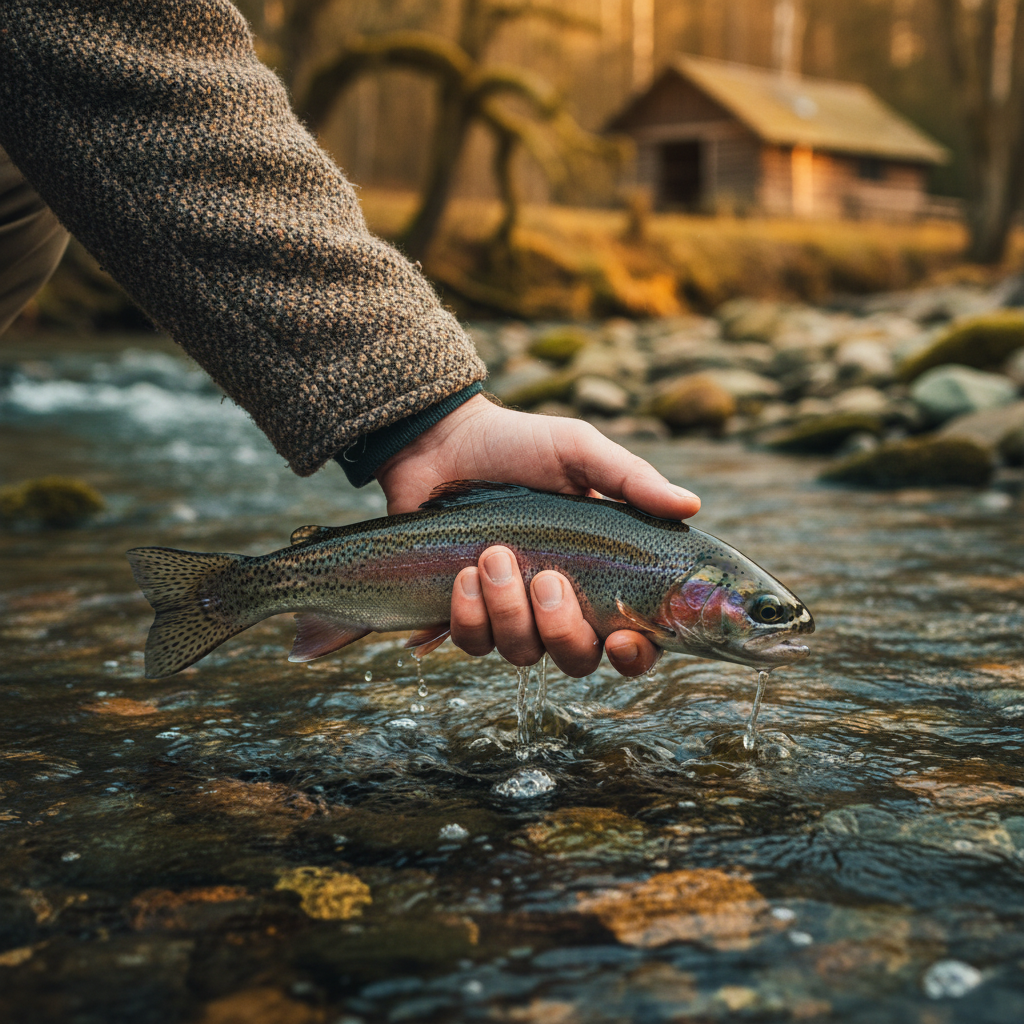
Fishing is an exercise in observation. To be a successful angler, you must learn to read the water, to understand the habits of fish, and to anticipate their movements. This requires a keen eye, a sharp mind, and a willingness to learn from experience. You must become a student of the natural world, constantly observing and interpreting the subtle clues that reveal the secrets hidden beneath the surface.
Consider the subtle nuances of a flowing river. The way the current swirls around a submerged rock, creating a pocket of calm water where fish can rest. The changing light patterns as the sun moves across the sky, influencing the behavior of aquatic insects. The subtle variations in water temperature that signal the movement of fish from one area to another. All of these factors, and countless others, contribute to the complex ecosystem that anglers must learn to understand. This understanding isn’t gained through textbooks or lectures; it’s acquired through countless hours spent on the water, observing, experimenting, and learning from both successes and failures.
Beyond the Catch: A Deeper Understanding
The focus on catching fish can often overshadow the more profound lessons that fishing has to offer. It’s easy to get caught up in the pursuit of trophies, to measure success solely by the size or quantity of the fish landed. But true anglers understand that the real reward lies in the journey itself, in the process of learning and connecting with the natural world. The catch is merely a bonus, a tangible reminder of the skills and knowledge that have been acquired along the way.
Have you ever noticed how time seems to slow down when you’re fishing? The world outside fades away, and you become completely absorbed in the present moment. This heightened awareness can lead to a deeper appreciation for the beauty and complexity of the natural world. You begin to notice details that you might have previously overlooked: the intricate patterns on a butterfly’s wings, the delicate wildflowers growing along the riverbank, the mesmerizing dance of dragonflies above the water’s surface. These seemingly insignificant details contribute to a richer, more meaningful experience, transforming fishing from a simple pastime into a profound act of connection.
Patience as a Virtue
Patience is perhaps the most essential virtue for any angler. Fishing is not a sport of instant gratification; it requires a willingness to wait, to persevere, and to accept the inevitable periods of inactivity. There will be days when the fish simply aren’t biting, when the weather is uncooperative, and when everything seems to be working against you. But it is in these moments of frustration and disappointment that true anglers are forged. They learn to embrace the challenge, to adapt to changing conditions, and to find satisfaction in the simple act of being present in nature.
Consider the analogy of a Zen garden. The raking of the sand, the careful placement of the rocks, the overall sense of tranquility – all of these elements are designed to cultivate a state of mindfulness and inner peace. Similarly, the act of fishing can be seen as a form of moving meditation, a way to quiet the mind and connect with the present moment. The rhythmic casting of the line, the gentle rocking of the boat, the anticipation of a strike – all of these actions contribute to a sense of calm and focus. This state of flow, where time seems to disappear and the mind is fully engaged, is one of the most rewarding aspects of the fishing experience.
The Legacy of Fishing
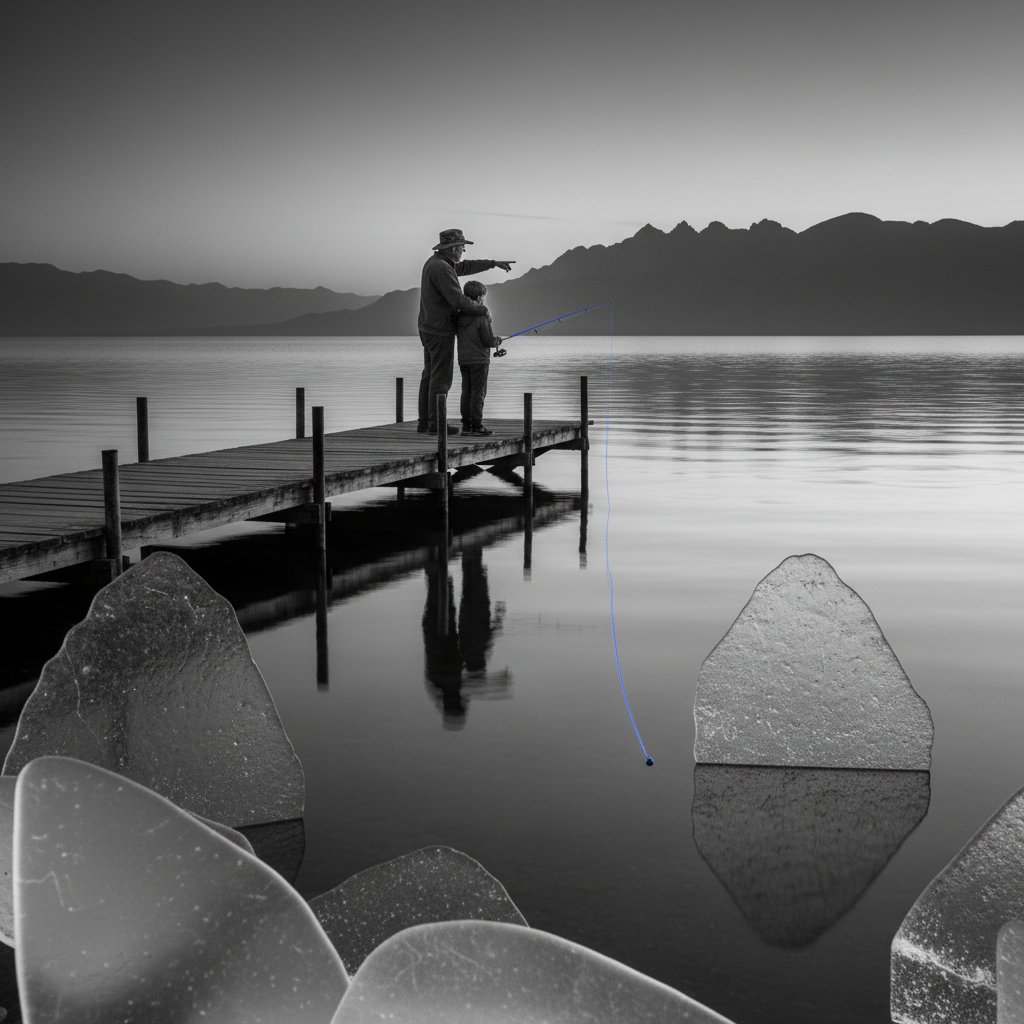
Fishing is often a tradition passed down through generations, a shared experience that strengthens family bonds and creates lasting memories. Grandfathers teaching their grandchildren the art of casting, fathers sharing their favorite fishing spots with their sons, mothers instilling a love of nature in their daughters – these are the stories that define the legacy of fishing. It’s about more than just catching fish; it’s about sharing a common passion, creating a sense of belonging, and connecting with a heritage that stretches back centuries.
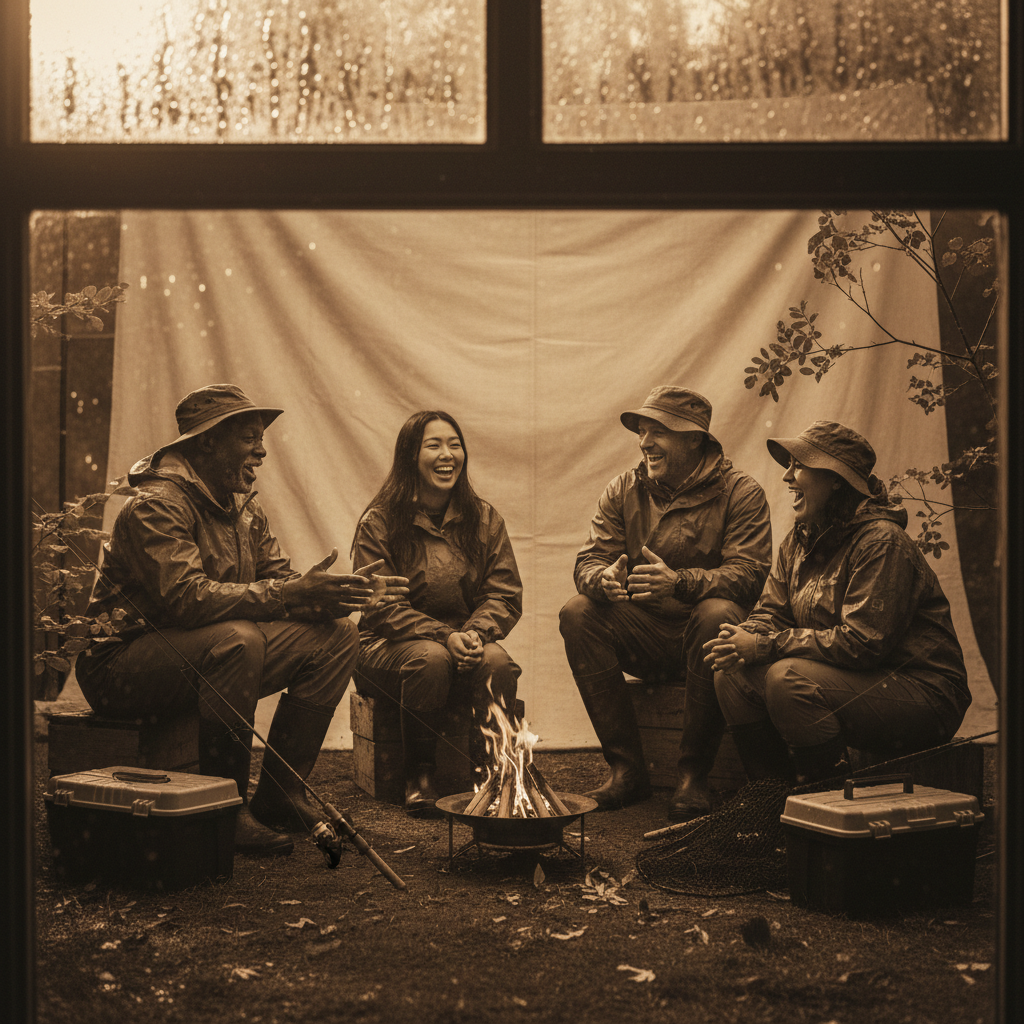
Think about the stories that are shared around the campfire after a long day of fishing. Tales of epic battles with trophy fish, humorous anecdotes about mishaps and misadventures, and heartfelt reflections on the beauty and wonder of the natural world. These stories are not just entertainment; they are a way of preserving history, passing on wisdom, and strengthening the bonds that connect us to one another. They remind us that fishing is more than just a sport; it’s a cultural heritage, a shared experience that transcends generations.
Conservation: A Responsibility, Not an Option
With the privilege of enjoying the natural world comes the responsibility of protecting it. Anglers have a vested interest in the health and sustainability of our aquatic ecosystems. After all, without clean water, healthy fish populations, and thriving habitats, the sport of fishing would cease to exist. Therefore, conservation is not just an option; it’s a fundamental obligation for all anglers.
This commitment to conservation can take many forms. It can involve practicing catch-and-release fishing, using sustainable fishing gear, participating in stream restoration projects, and advocating for policies that protect our waterways. It can also involve simply being mindful of our impact on the environment, reducing our waste, and respecting the natural beauty of the places we fish. By embracing a conservation ethic, anglers can ensure that future generations will have the opportunity to experience the same joys and wonders that we enjoy today.
The Future of Fishing
The future of fishing depends on our ability to balance the demands of recreation with the needs of conservation. We must continue to educate ourselves and others about the importance of protecting our aquatic ecosystems, and we must be willing to make sacrifices to ensure their long-term health. This may involve limiting our catch, reducing our reliance on harmful chemicals, and supporting policies that promote sustainable development.
Consider the concept of “leave no trace” ethics. This principle, which is often applied to hiking and camping, encourages us to minimize our impact on the environment by packing out everything we pack in, staying on designated trails, and avoiding disturbing wildlife. This same principle can be applied to fishing, reminding us to respect the natural world and to minimize our impact on the places we fish. By embracing this ethic, we can ensure that future generations will be able to enjoy the same pristine waters and abundant fish populations that we enjoy today.
Reconnecting, Not Escaping
So, is fishing an escape? Perhaps, in the sense that it provides a temporary respite from the stresses of modern life. But more importantly, it is a reconnection. A reconnection to our ancestors, to the natural world, and to our own inner selves. It is a way to slow down, to pay attention, and to appreciate the simple beauty of the world around us. It is a way to learn, to grow, and to develop a deeper understanding of our place in the intricate web of life.
Instead of viewing fishing as a way to escape from reality, consider it as a way to reconnect with reality. A reality that is often obscured by the noise and distractions of modern life. A reality that is grounded in the fundamental principles of nature: patience, observation, and respect. By embracing these principles, we can not only become better anglers, but also better human beings.
The Therapeutic Value of Fishing
Beyond the recreational and social benefits, fishing offers significant therapeutic value. Studies have shown that spending time in nature can reduce stress, lower blood pressure, and improve overall mental well-being. The rhythmic casting of the line, the gentle rocking of the boat, and the peaceful surroundings can all contribute to a sense of calm and relaxation. For individuals struggling with anxiety, depression, or other mental health challenges, fishing can provide a much-needed source of solace and healing.
Think about the power of nature to heal and restore. From the calming sound of ocean waves to the invigorating scent of pine trees, the natural world has a profound impact on our physical and mental health. Fishing allows us to immerse ourselves in this restorative environment, to disconnect from the stresses of modern life, and to reconnect with the rhythms of nature. This connection can be particularly beneficial for individuals who spend most of their time indoors, working in stressful environments, or dealing with the challenges of urban living.
A Call to Anglers
To all anglers, I implore you to consider the deeper meaning of your passion. Let us move beyond the simple pursuit of catching fish and embrace the opportunity to connect with the natural world, to learn from its wisdom, and to protect its future. Let us be mindful of our impact on the environment, respectful of the creatures that inhabit it, and committed to ensuring that future generations will have the opportunity to experience the same joys and wonders that we enjoy today.
Fishing is more than just a sport; it’s a legacy, a tradition, and a profound connection to the world around us. Let us embrace this connection, celebrate its beauty, and protect its future. Because in the end, it is not just about catching fish; it’s about catching a glimpse of something larger than ourselves, something that connects us to the past, the present, and the future of our planet. It’s about rediscovering our place in the intricate web of life and recognizing our responsibility to protect it for generations to come. The quiet moments by the water are not wasted time, they are investments in our well-being, in our understanding of the natural world, and in our connection to something truly meaningful.