The Illusion of the Catch: Unveiling Fishing’s True Purpose
We often measure success in tangible terms. In the world of fishing, that measurement is usually quantified by the number and size of the fish we bring back. A successful fishing trip is one where the cooler is full, the stories are exaggerated (as they always are), and the photographic evidence backs up the legend. But what if the true measure of a successful fishing trip has nothing to do with the fish themselves? What if the act of fishing is simply a vehicle, a beautifully orchestrated distraction, leading us to a far more profound and personal destination? Perhaps the illusion of the catch masks a deeper, more meaningful pursuit: the pursuit of self.
Think about the last time you went fishing. Really think about it. Were you solely focused on the tug of the line, the flash of silver scales, and the adrenaline rush of the fight? Or were there moments of quiet contemplation, where the gentle lapping of the water against the boat, the rustling of leaves in the trees, and the distant call of a bird filled the void, allowing thoughts to surface that otherwise remain buried beneath the noise of everyday life? These moments, often overlooked in the pursuit of the prize, are the true treasures hidden within the act of fishing.
Beyond the Bait: A Journey Inward
Fishing, at its core, is an exercise in patience. It’s about waiting, observing, and connecting with the natural world. It’s about surrendering to the rhythm of the environment, accepting that you are but a small part of a much larger ecosystem. In a world obsessed with instant gratification and immediate results, fishing forces us to slow down, to be present in the moment, and to appreciate the subtle beauty that surrounds us. This enforced stillness creates space for introspection, allowing us to confront our thoughts, fears, and aspirations without the distractions that typically clutter our minds.
Have you ever noticed how problems seem to shrink in size when viewed from the perspective of a vast, open lake or a sprawling, ancient forest? The sheer scale of nature has a way of putting things into perspective, reminding us that our individual struggles are often insignificant in the grand scheme of things. This realization can be incredibly liberating, allowing us to release the anxieties that weigh us down and to embrace a sense of peace and tranquility.
Consider the story of a high-powered executive, burned out from years of relentless work and constant pressure. He found himself increasingly disconnected from his family and his own sense of purpose. On the advice of a friend, he reluctantly agreed to a weekend fishing trip. Initially, he approached it with the same competitive drive that fueled his professional life, obsessing over the latest gear and the most productive techniques. But as the hours passed, and the fish remained elusive, he began to relax, to let go of his need for control, and to simply be present in the moment. He started noticing the intricate patterns of the sunlight filtering through the trees, the playful dance of the dragonflies above the water, and the quiet camaraderie of his fishing companions. By the end of the weekend, he hadn’t caught many fish, but he had rediscovered a sense of peace and connection that had been missing from his life for far too long. He realized that true success wasn’t measured in dollars and cents, but in the quality of his relationships and the depth of his inner peace.

The Art of Letting Go: Embracing Uncertainty on the Water
Fishing is, by its very nature, an unpredictable activity. There are no guarantees, no foolproof methods, and no shortcuts to success. The fish may be biting, or they may not. The weather may cooperate, or it may not. The gear may function perfectly, or it may malfunction at the most inopportune moment. This inherent uncertainty can be frustrating, but it also presents a valuable opportunity to practice the art of letting go. To accept that we cannot control every aspect of our lives and to find peace in the face of the unknown.
How often do we cling to our plans, our expectations, and our carefully constructed routines, fearing the disruption that change inevitably brings? Fishing teaches us to be more adaptable, to be more resilient, and to embrace the unexpected twists and turns that life throws our way. A sudden rainstorm may force us to seek shelter, a broken line may require us to improvise a solution, or a change in the wind may lead us to explore a new part of the lake. These challenges, while initially unwelcome, often lead to unexpected discoveries and opportunities for growth.
Consider the experienced angler who spent years meticulously studying maps, weather patterns, and fish behavior, convinced that he had mastered the art of catching trophy-sized bass. He had a detailed plan for every fishing trip, a meticulously curated selection of lures, and an unwavering belief in his own abilities. But one day, everything changed. A new invasive species entered his favorite lake, altering the ecosystem and rendering his tried-and-true techniques ineffective. Initially, he was frustrated and discouraged, unwilling to deviate from his established methods. But eventually, he realized that he had to adapt or risk being left behind. He began experimenting with new lures, exploring different fishing locations, and learning from other anglers. To his surprise, he discovered that he enjoyed the challenge of learning and adapting, and he eventually became even more successful than he had been before. He learned that true expertise isn’t about mastering a fixed set of skills, but about cultivating a mindset of continuous learning and adaptation.
The Stillness Within: Finding Meditation in Motion
Many find solace in traditional forms of meditation, seeking stillness and quiet to calm the mind. But for some, the act of sitting still can be a source of frustration and restlessness. Fishing offers an alternative form of meditation, a “meditation in motion” that allows us to find inner peace while actively engaging with the world around us.
The repetitive motions of casting, reeling, and baiting the hook can be surprisingly soothing, creating a rhythmic flow that quiets the mental chatter and allows us to enter a state of focused awareness. The constant observation of the water, the anticipation of the strike, and the subtle adjustments we make to our technique all require our full attention, drawing us into the present moment and away from the anxieties of the past and the worries of the future.
Think of it as a moving meditation, where the rhythmic casting acts as your mantra, and the quiet sounds of nature are your guide. With each cast, you release a worry, with each reel, you draw in a sense of calm. It’s a practice of presence, a dance with the natural world, and a way to connect with something larger than yourself.

Reconnecting with Nature: Remembering Our Place in the World
In our increasingly urbanized and technology-driven world, it’s easy to become disconnected from the natural environment. We spend our days indoors, surrounded by artificial light and the constant hum of technology, losing touch with the rhythms and cycles of the natural world. Fishing provides a vital opportunity to reconnect with nature, to remember our place in the larger ecosystem, and to appreciate the beauty and fragility of the environment.
How often do we stop to consider the intricate web of life that sustains us, the delicate balance that keeps our planet healthy? Fishing allows us to witness firsthand the interconnectedness of all living things, from the smallest insects to the largest predators. We see how changes in water quality can affect fish populations, how deforestation can impact river flow, and how pollution can harm the entire ecosystem. This awareness can inspire us to become more responsible stewards of the environment, to make choices that protect and preserve the natural world for future generations.
Imagine a child who grew up in a concrete jungle, never having experienced the wonders of nature firsthand. On a fishing trip with his grandfather, he was introduced to a world he never knew existed. He saw the vibrant colors of the wildflowers, felt the cool spray of the river on his face, and learned about the different species of fish that inhabited the water. He witnessed the power of a thunderstorm rolling across the valley, the delicate beauty of a mayfly hatching, and the thrill of catching his first fish. This experience sparked a lifelong passion for nature, inspiring him to become an environmental scientist dedicated to protecting the world’s oceans. He realized that true knowledge comes not just from books and lectures, but from direct experience and a deep connection with the natural world.
The Legacy of Fishing: Passing Down Wisdom and Connection
Fishing is often a tradition passed down through generations, a shared experience that strengthens family bonds and creates lasting memories. It’s a way to share wisdom, to teach valuable life lessons, and to connect with our ancestors who relied on fishing for sustenance and survival. But the legacy of fishing extends beyond the immediate family, encompassing a broader responsibility to protect the environment and to ensure that future generations have the opportunity to experience the joys and benefits of fishing.
What lessons have you learned from fishing that you would like to pass on to your children or grandchildren? Perhaps it’s the importance of patience, the value of perseverance, or the beauty of the natural world. Perhaps it’s the ability to be present in the moment, to appreciate the simple things in life, or to find peace in the face of adversity. These lessons, learned on the water, can be invaluable tools for navigating the challenges of life and for living a more fulfilling and meaningful existence.
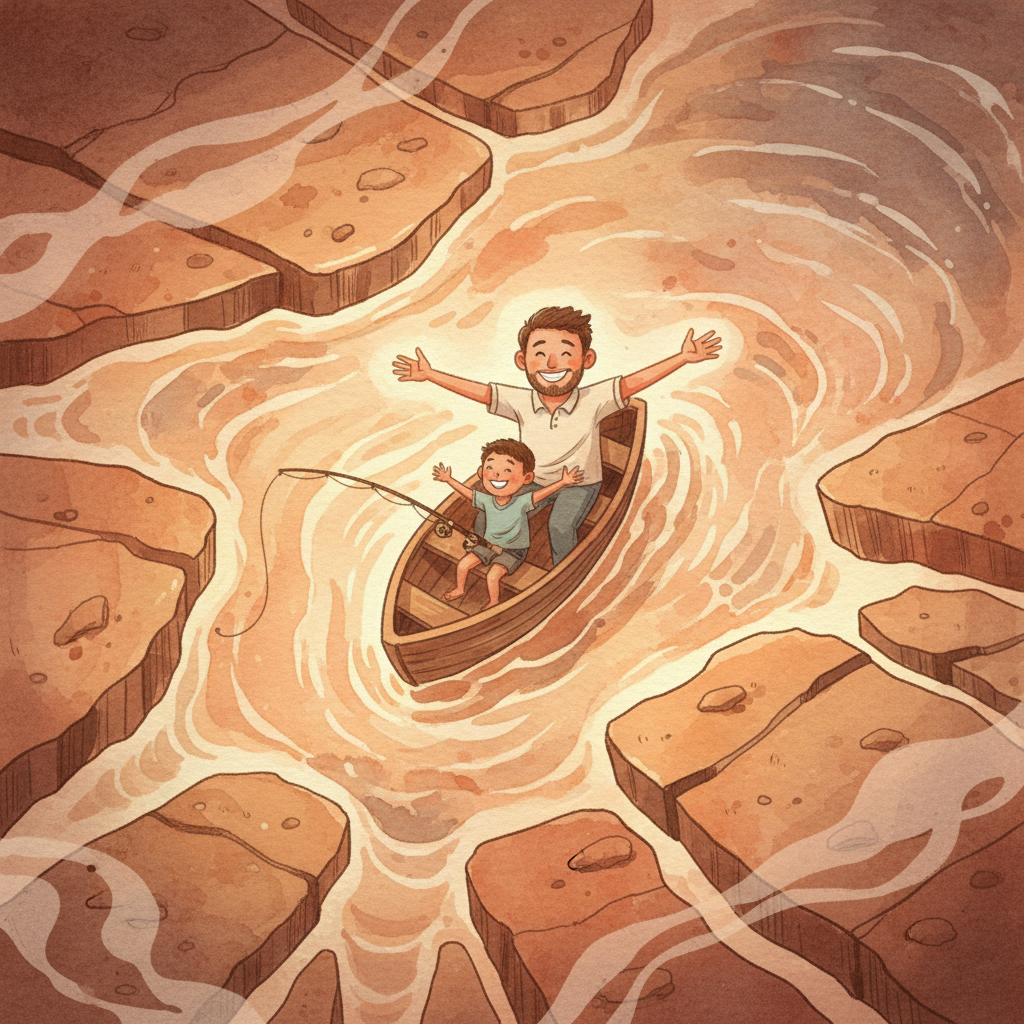
Think of the grandfather who patiently taught his grandson how to cast a line, how to tie a knot, and how to respect the fish he caught. He didn’t just teach him the technical skills of fishing, but also instilled in him a deep appreciation for nature, a sense of responsibility for the environment, and a love for the shared experience of spending time together outdoors. This legacy, passed down through generations, created a bond that transcended time and space, ensuring that the values and traditions of fishing would continue to thrive.
More Than Just a Sport: A Pathway to Personal Growth
Fishing is often dismissed as a simple pastime, a recreational activity enjoyed by those who have nothing better to do. But to those who truly understand its essence, fishing is far more than just a sport. It’s a pathway to personal growth, a journey of self-discovery, and a way to connect with something larger than ourselves. It’s an opportunity to cultivate patience, to embrace uncertainty, to reconnect with nature, and to pass down wisdom to future generations.
Are you ready to look beyond the illusion of the catch and to discover the true treasures hidden within the act of fishing? Are you ready to embrace the stillness within, to reconnect with nature, and to embark on a journey of self-discovery? The water is waiting, the fish are calling, and the possibilities are endless.
Consider the person who approached fishing as a way to cope with grief after the loss of a loved one. Initially, they sought solace in the solitude of the water, finding comfort in the rhythmic motions of casting and reeling. But as they spent more time fishing, they began to realize that it was more than just a distraction from their pain. It was an opportunity to connect with the natural world, to reflect on their memories, and to find a sense of peace and acceptance. They learned that grief is a natural part of life, that it’s okay to feel sad, and that healing is a process that takes time. They discovered that fishing was a way to honor the memory of their loved one, to celebrate the beauty of life, and to find strength in the face of adversity. For them, fishing became a powerful tool for healing, a pathway to resilience, and a reminder that even in the darkest of times, there is always hope.
The Unseen Rewards: A Life Enriched by the Water
The true rewards of fishing are often unseen, intangible benefits that enrich our lives in ways we may not fully appreciate. It’s the sense of peace and tranquility that washes over us as we watch the sunrise over the water. It’s the feeling of accomplishment that comes from mastering a new skill or overcoming a challenging situation. It’s the connection we feel with nature, with our families, and with ourselves. These are the treasures that we carry with us long after we’ve left the water, the experiences that shape our character and define who we are.
So, the next time you go fishing, remember that it’s not just about catching fish. It’s about finding yourself. It’s about embracing the journey, appreciating the present moment, and connecting with something larger than yourself. It’s about the lessons learned, the memories made, and the person you become along the way. And who knows, you might just catch a fish or two in the process.
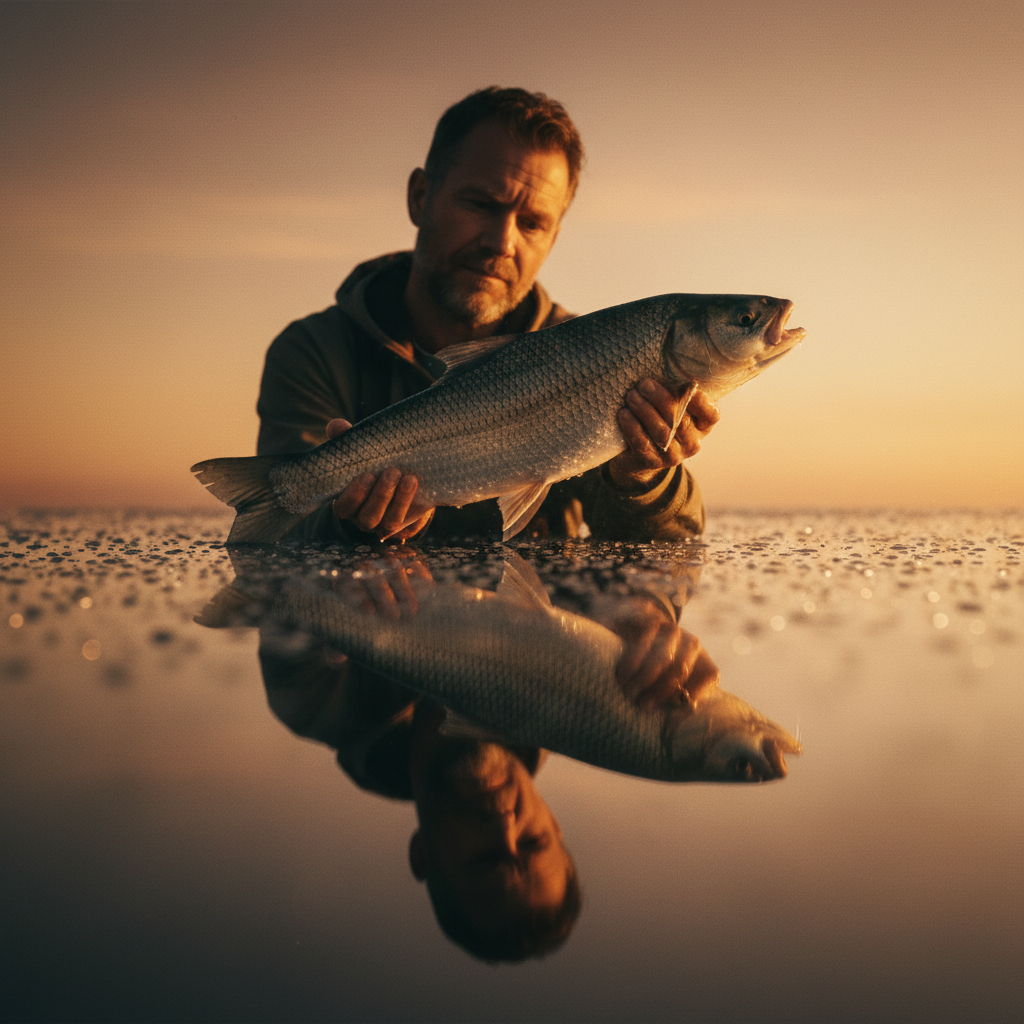
The true measure of a fishing trip, therefore, transcends the weight of the cooler. It resides in the quiet moments of self-reflection, the lessons learned from nature’s patient instruction, and the bonds forged with those who share the experience. It’s about finding yourself amidst the serenity of the water, not just finding fish. It’s about understanding that the real catch is the connection – to nature, to others, and most importantly, to yourself.