The Allure of the Uncharted Fishing Territory
There’s a primal tug, a whisper in the blood, that calls us towards the unknown. It’s the same impulse that drove explorers to chart new continents and scientists to unravel the mysteries of the universe. For the angler, this manifests as the irresistible urge to venture beyond the familiar fishing hole, to cast a line where few, if any, have dared to cast before. But what is it about these uncharted territories that holds such a powerful sway? Is it merely the promise of bigger fish, or is there something more profound at play?
Consider the well-worn path to the local lake. You know the honey holes, the snags, the exact depth where the bass like to lurk. There’s a comfort in this familiarity, a predictable rhythm to the day. But comfort, while pleasant, can also be a cage. It limits our growth, stifles our creativity, and dulls our senses. Stepping outside of this comfort zone is where the true adventure begins. It’s where we rediscover our resourcefulness, sharpen our instincts, and forge a deeper connection with the natural world.
Think of the indigenous fishermen of the Amazon, navigating the labyrinthine waterways, relying on generations of accumulated knowledge and intuition to locate their quarry. They are not bound by pre-packaged lures or GPS coordinates. Their success hinges on their ability to read the water, understand the behavior of the fish, and adapt to the ever-changing conditions. This is a level of engagement that is simply unattainable within the confines of a well-stocked, easily accessible fishing spot.
Beyond the Trophy: The Intangible Rewards
While the prospect of landing a trophy fish is undoubtedly a motivator for many anglers, the rewards of venturing into uncharted territory extend far beyond mere bragging rights. It’s about the journey itself, the challenges overcome, and the lessons learned along the way. It’s about the solitude, the serenity, and the opportunity to disconnect from the noise and distractions of modern life.
Imagine yourself hiking through dense forests, bushwhacking through tangled undergrowth, or paddling a kayak across a vast expanse of open water. You are surrounded by the raw, untamed beauty of nature, far removed from the manicured lawns and paved roads of civilization. You are forced to rely on your own skills and ingenuity to navigate the terrain, find food and water, and protect yourself from the elements. This is an experience that can be both exhilarating and humbling, reminding us of our place within the grand scheme of things.
Moreover, fishing in uncharted territories often requires a deeper understanding of the local ecosystem. You need to be able to identify the native species, understand their feeding habits, and adapt your techniques accordingly. This can lead to a greater appreciation for the interconnectedness of all living things and a stronger commitment to conservation.

The Art of Preparation: Equipping Yourself for the Unknown
Venturing into uncharted fishing territories demands meticulous planning and preparation. It’s not enough to simply grab your rod and reel and head out the door. You need to carefully assess the risks, gather the necessary equipment, and develop a solid plan of action. Failure to do so can have serious consequences, ranging from minor inconveniences to life-threatening emergencies.
First and foremost, research the area thoroughly. Consult maps, satellite imagery, and local fishing reports to get a sense of the terrain, the water conditions, and the fish species that are likely to be present. Pay close attention to any warnings or restrictions that may be in place, such as closures due to spawning season or regulations regarding the use of certain types of bait or tackle.
Next, assemble a comprehensive kit of essential gear. This should include a reliable fishing rod and reel, a selection of lures and bait appropriate for the target species, a first-aid kit, a navigation device (such as a GPS or compass), a communication device (such as a satellite phone or two-way radio), and appropriate clothing and footwear for the prevailing weather conditions. It’s also a good idea to bring along a survival kit that includes items such as a knife, a fire starter, and a water filter.
Mastering Essential Skills: From Navigation to Knot-Tying
Beyond the physical equipment, it’s crucial to hone your skills in essential areas such as navigation, first aid, and survival. Learn how to read a map and use a compass, how to identify edible plants and sources of fresh water, and how to build a shelter in the wilderness. Practice your knot-tying skills until you can confidently tie a variety of knots in any situation, even in low light or with cold, wet hands.
Consider taking a wilderness survival course or attending a fishing clinic to learn from experienced guides and instructors. These courses can provide valuable hands-on training and help you develop the confidence and skills you need to handle unexpected challenges in the field. Furthermore, it’s wise to practice your casting techniques in a variety of conditions, such as wind, rain, and low light. The more proficient you are at casting, the more likely you are to land a fish, even when the odds are stacked against you.
Never underestimate the importance of informing someone of your plans before you head out. Let them know where you are going, when you expect to return, and who to contact in case of an emergency. This simple precaution can make all the difference in the event that you get lost or injured.
Respecting the Environment: A Conservation Ethos
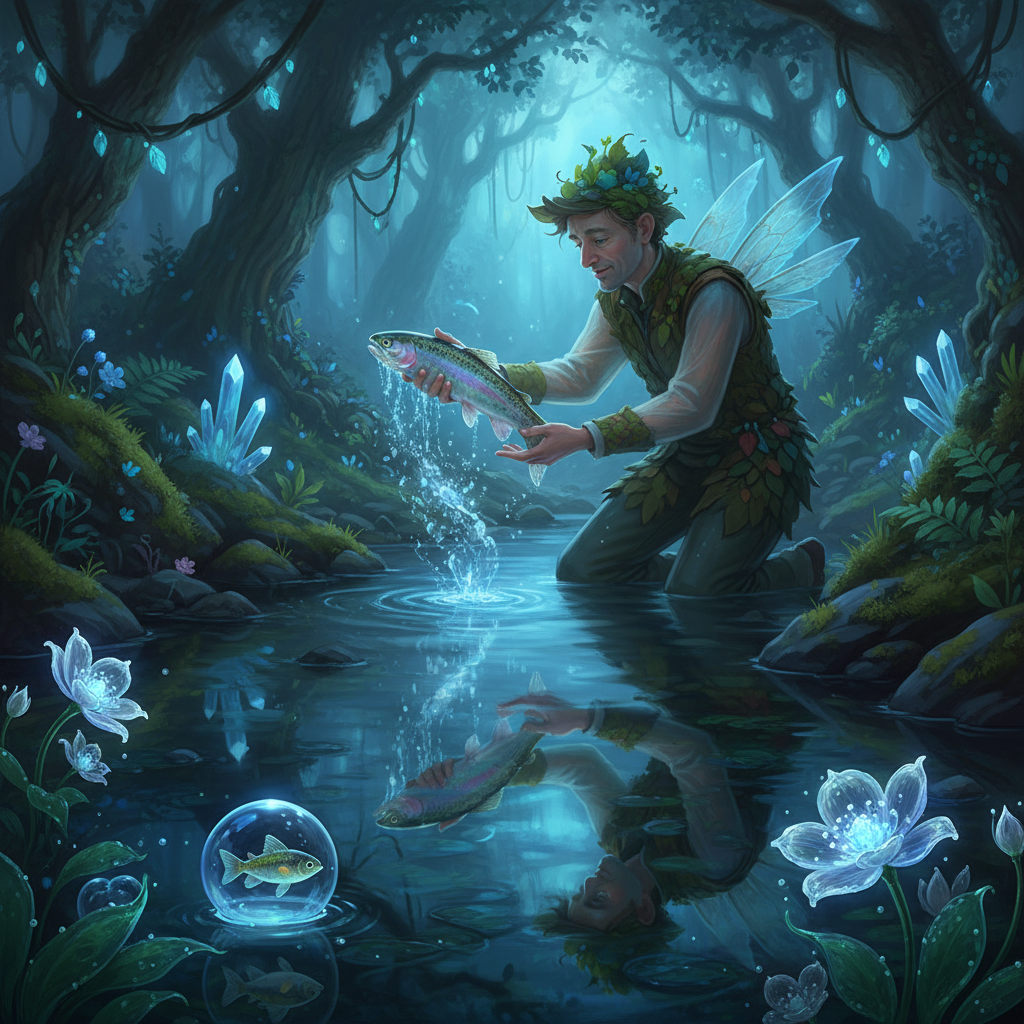
As anglers, we have a responsibility to protect the natural resources that we depend on. This means practicing catch-and-release fishing whenever possible, properly disposing of trash and waste, and minimizing our impact on the environment. It also means respecting the local wildlife and avoiding disturbing their habitats.
When fishing in uncharted territories, it’s particularly important to be mindful of the potential for environmental damage. Avoid trampling vegetation, disturbing nesting sites, or polluting the water with chemicals or debris. Pack out everything you pack in, and leave no trace of your presence. Consider using biodegradable fishing line and lures, and avoid using lead weights or sinkers, which can be toxic to wildlife.
Sustainable Practices: Ensuring Future Adventures
Adopt sustainable fishing practices that promote the long-term health of the fish populations. This may involve limiting the number of fish you keep, targeting specific species, or using specialized tackle that minimizes harm to the fish. Familiarize yourself with the local fishing regulations and adhere to them strictly. Report any violations or suspicious activity to the appropriate authorities.
Educate yourself about the threats facing the local ecosystem, such as pollution, habitat loss, and invasive species. Support organizations that are working to protect and restore these habitats. Consider volunteering your time or donating to these causes. By working together, we can ensure that future generations will have the opportunity to enjoy the same fishing adventures that we do.
Remember that we are all stewards of the environment. Our actions today will have a lasting impact on the health and well-being of the planet. By embracing a conservation ethos, we can help to protect the natural resources that sustain us and ensure that our fishing adventures continue for years to come.
The Psychology of Exploration: Embracing the Unknown
Venturing into uncharted fishing territories is not just a physical challenge; it’s also a mental and emotional one. It requires a willingness to step outside of our comfort zone, to embrace the unknown, and to overcome our fears and anxieties. It’s about developing a mindset of resilience, adaptability, and problem-solving.
One of the biggest challenges that anglers face when exploring new territories is the fear of failure. The prospect of spending hours, or even days, without catching a single fish can be discouraging. But it’s important to remember that failure is a natural part of the learning process. Every cast, every missed strike, every empty-handed day is an opportunity to learn something new and improve your skills.
Embrace the challenges and view them as opportunities for growth. Don’t be afraid to experiment with different techniques, lures, and locations. Analyze your mistakes and learn from them. Seek advice from experienced anglers and guides. And most importantly, never give up. Persistence and determination are key to success in any endeavor, especially in the unpredictable world of fishing.
Cultivating Patience and Mindfulness: The Art of Being Present
Cultivate patience and mindfulness. Fishing is not just about catching fish; it’s about connecting with nature, enjoying the solitude, and appreciating the present moment. Learn to be present in the moment, to observe the subtle details of the environment, and to appreciate the beauty that surrounds you. Let go of your expectations and simply enjoy the experience, regardless of whether you catch a fish or not.
Consider incorporating mindfulness practices into your fishing routine, such as meditation or deep breathing exercises. These practices can help you to calm your mind, reduce stress, and enhance your focus. They can also help you to develop a deeper appreciation for the natural world and a greater sense of gratitude for the opportunity to experience it.
Remember that the journey is just as important as the destination. Embrace the challenges, learn from your mistakes, and celebrate your successes. By cultivating a mindset of resilience, adaptability, and mindfulness, you can unlock the true potential of your fishing adventures and discover a deeper connection with yourself and the world around you.

Case Studies: Tales from the Untamed Waters
Let’s delve into a few real-world examples that illustrate the transformative power of venturing into uncharted fishing territories. These case studies highlight the challenges, rewards, and lessons learned from those who have dared to explore the unknown.
Case Study 1: The Alaskan Expedition. A group of experienced anglers embarked on a month-long expedition to a remote river system in Alaska, known for its pristine waters and abundant salmon runs. They faced numerous challenges, including harsh weather conditions, difficult terrain, and encounters with wildlife such as bears and moose. Despite these obstacles, they persevered and were rewarded with an unforgettable fishing experience. They landed numerous trophy-sized salmon, witnessed breathtaking scenery, and forged a deep bond with each other and the natural world. The expedition taught them the importance of teamwork, resilience, and respect for the environment.
Case Study 2: The Amazonian Adventure. A solo angler ventured deep into the Amazon rainforest in search of the elusive peacock bass. He hired a local guide to navigate the intricate waterways and help him locate the fish. He faced numerous challenges, including intense heat and humidity, swarms of insects, and the constant threat of predators such as jaguars and snakes. Despite these dangers, he remained focused on his goal and eventually landed a magnificent peacock bass, a fish of a lifetime. The adventure taught him the importance of preparation, resourcefulness, and trust in local knowledge.
Case Study 3: The High-Altitude Lake. A group of friends set out to explore a remote, high-altitude lake in the Andes Mountains, rumored to hold giant trout. They had to hike for several days through rugged terrain, battling altitude sickness and fatigue. When they finally reached the lake, they were rewarded with stunning views and the opportunity to fish in crystal-clear waters. They landed several impressive trout, including one that weighed over 10 pounds. The experience taught them the importance of perseverance, camaraderie, and appreciation for the beauty of the natural world.
These case studies demonstrate that venturing into uncharted fishing territories can be a transformative experience. It requires careful planning, preparation, and a willingness to embrace the unknown. But the rewards are well worth the effort. It’s an opportunity to challenge yourself, connect with nature, and create memories that will last a lifetime.
The Future of Fishing Adventures: Embracing Sustainable Exploration
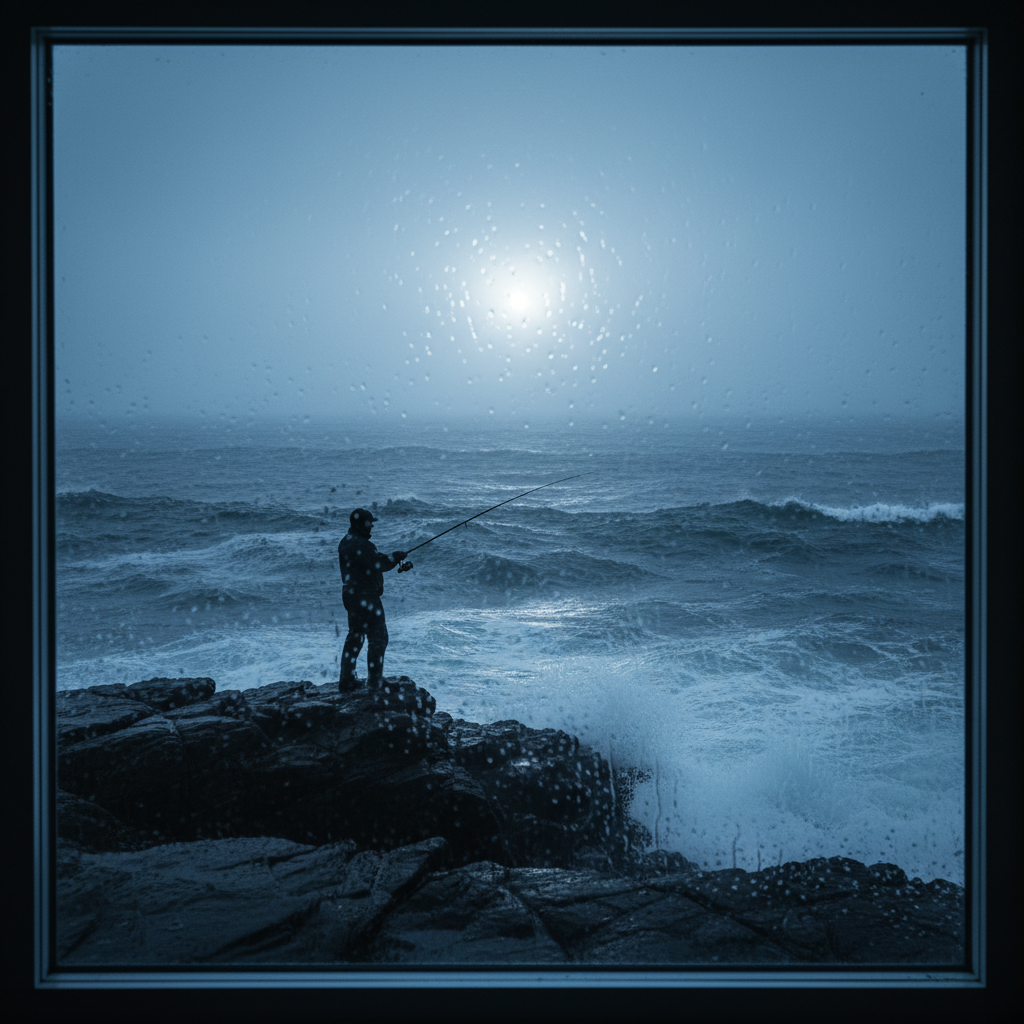
As the world becomes increasingly crowded and developed, the opportunities for truly uncharted fishing adventures are becoming more and more scarce. It’s crucial that we embrace sustainable exploration practices that protect the natural resources that we depend on and ensure that future generations will have the opportunity to experience the same wonders that we do.
This means supporting conservation efforts, advocating for responsible fishing regulations, and promoting sustainable tourism practices. It also means educating ourselves and others about the importance of protecting the environment and respecting the local communities that depend on these resources. Consider supporting local businesses and hiring local guides when you travel to remote fishing destinations. This helps to support the local economy and ensures that the benefits of tourism are shared more equitably.
Embrace new technologies that can help us to minimize our impact on the environment, such as electric boats, biodegradable fishing gear, and satellite tracking devices. Use these technologies responsibly and ethically, and always prioritize the health and well-being of the environment. Remember that we are all interconnected and that our actions have consequences. By embracing sustainable exploration practices, we can help to protect the natural resources that sustain us and ensure that our fishing adventures continue for generations to come. The call of the wild is a powerful one, and by answering it responsibly, we can ensure that the adventure continues, preserving the magic for those who follow in our footsteps.