The Unspoken Truth About Fishing Trips
We often tell ourselves that fishing adventures are all about the catch. The thrill of reeling in a monster, the bragging rights amongst friends, the perfectly grilled fish on the campfire – these are the images that flood our minds when we plan a fishing trip. But what if I told you that the fish are merely a convenient excuse? What if the real treasures of these expeditions lie far beyond the shimmering scales and the satisfying tug on the line?
Think about your most memorable fishing experiences. Were they solely defined by the size or quantity of your catch? Or were there other moments, perhaps seemingly insignificant at the time, that etched themselves into your memory far more deeply? The shared laughter around a crackling fire, the quiet camaraderie of watching the sunrise paint the sky, the unexpected encounter with a wild animal – these are the moments that truly define a fishing adventure. They are the experiences that shape us, challenge us, and leave us forever changed.
The allure of fishing lies not just in the act itself, but in the transformative power of nature. It’s about disconnecting from the digital world and reconnecting with something far more primal and profound. It’s about surrendering to the rhythm of the river, the whisper of the wind, and the subtle cues of the natural world. It’s about finding a sense of peace and clarity amidst the chaos of modern life.
Beyond the Scale: What Are You Really Seeking?
Before your next fishing trip, ask yourself: what am I truly seeking? Is it simply the validation of a successful catch, or is it something deeper? Are you craving a connection with nature, a break from the demands of daily life, or a chance to bond with friends and family? Understanding your underlying motivations will allow you to approach your adventure with a new perspective, one that is focused on the journey rather than just the destination.
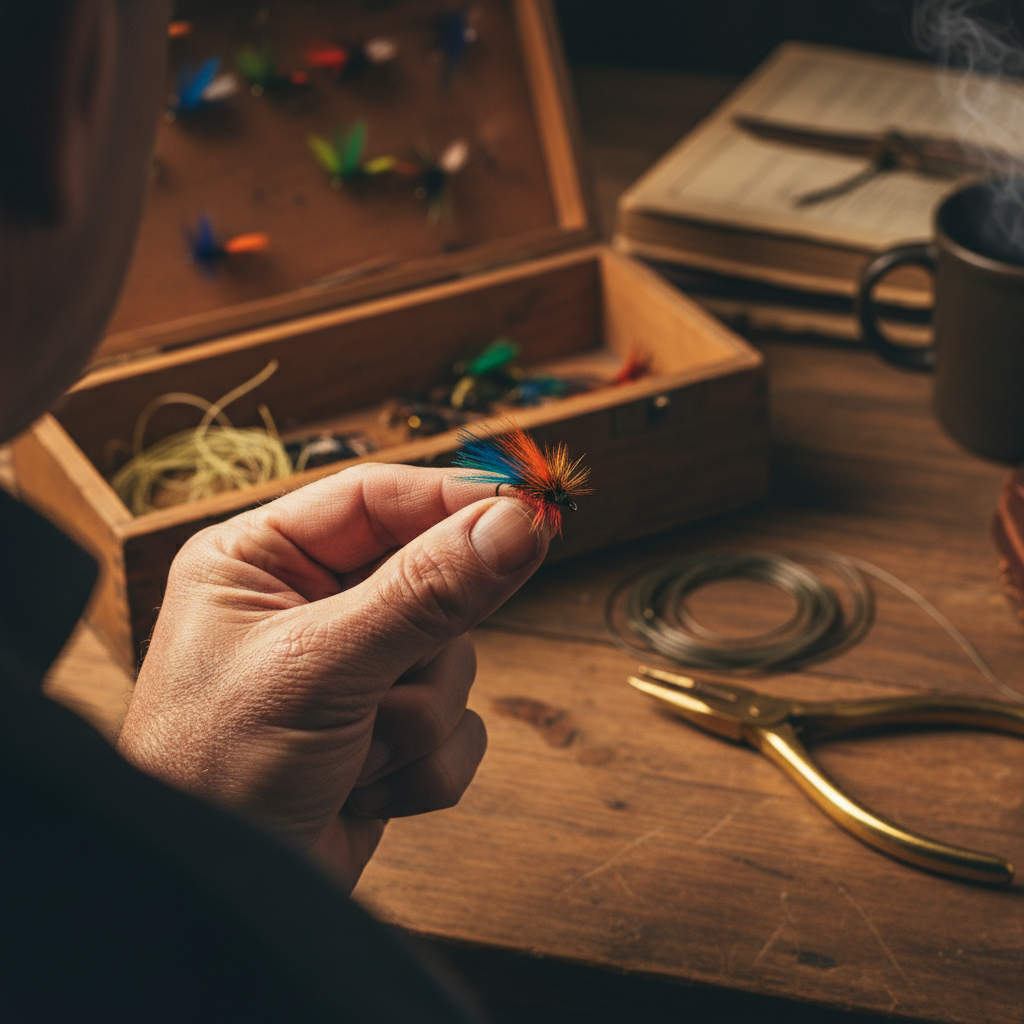
Consider the story of my own uncle, a seasoned fisherman who spent decades chasing the elusive trophy trout. He meticulously studied maps, experimented with countless lures, and dedicated countless hours to honing his skills. He caught his share of impressive fish, but he always seemed to be chasing something more, something just beyond his reach. It wasn’t until he started bringing his young grandchildren along on his trips that I saw a real shift in his perspective. He began to focus less on his own success and more on sharing the experience with them. He taught them about the local flora and fauna, showed them how to identify different types of insects, and patiently helped them cast their lines. He found a new sense of purpose in passing on his knowledge and passion to the next generation. The fish became secondary to the bonds he was forging with his grandchildren, and that, I believe, is when he truly discovered the heart of fishing.
The Unexpected Lessons Learned on the Water
The river is a relentless teacher. It demands patience, perseverance, and a willingness to adapt to ever-changing conditions. It humbles us with its unpredictable nature and reminds us of our place in the grand scheme of things. It offers us a unique opportunity to learn valuable lessons about ourselves and the world around us.
One of the most important lessons I’ve learned from fishing is the art of observation. To be a successful angler, you must be keenly aware of your surroundings. You must pay attention to the water’s flow, the wind’s direction, the insects buzzing around, and the subtle movements of the fish. This heightened awareness extends beyond the riverbank and into other areas of life. It allows you to notice details that others might miss, to anticipate challenges before they arise, and to make more informed decisions.
Another valuable lesson is the importance of perseverance. Fishing can be frustrating at times. There will be days when the fish simply aren’t biting, no matter what you try. But giving up is never an option. You must keep experimenting, keep adapting, and keep believing that success is just around the corner. This tenacity translates well into other areas of life, helping you overcome obstacles and achieve your goals even when the odds are stacked against you.
Confronting Discomfort: Growth Beyond Your Comfort Zone
Fishing often involves venturing outside of your comfort zone. You might find yourself battling harsh weather conditions, navigating treacherous terrain, or spending long hours alone in the wilderness. These challenges can be uncomfortable, but they also provide opportunities for growth. By pushing yourself beyond your limits, you discover new strengths and capabilities you never knew you possessed.
I remember one particularly challenging fishing trip in Alaska. We were miles from civilization, battling relentless rain and swarms of mosquitoes. The fishing was slow, and morale was low. But as we huddled together around a small fire, sharing stories and supporting each other, we forged a bond that would last a lifetime. We learned to rely on each other, to find humor in the face of adversity, and to appreciate the simple things in life. That trip, despite its discomfort, was one of the most rewarding experiences of my life.
Think about it: How many times have you surprised yourself by overcoming a difficult situation on a fishing trip? Maybe you fixed a broken reel with limited tools, navigated a tricky rapid in your kayak, or simply endured a long day of fruitless casting. These seemingly small victories build confidence and resilience, preparing you to face bigger challenges in other areas of your life.
The Power of Disconnection: Finding Yourself in Nature
In today’s hyper-connected world, it’s easy to feel overwhelmed and disconnected from ourselves. We are constantly bombarded with information, notifications, and demands on our attention. Fishing provides a welcome escape from this digital onslaught. It allows us to disconnect from the noise and reconnect with the natural world.
When you’re standing in a river, casting your line, your focus narrows. You become present in the moment, attuned to the sights, sounds, and sensations of your surroundings. The worries and anxieties of daily life fade into the background. You are simply there, immersed in the rhythm of nature.
This state of mindfulness can have profound benefits for your mental and emotional well-being. Studies have shown that spending time in nature can reduce stress, lower blood pressure, and improve mood. It can also enhance creativity, boost cognitive function, and promote a sense of peace and tranquility.
Embracing Silence: The Language of the Natural World
One of the most powerful aspects of fishing is the opportunity to experience silence. In our noisy world, silence is a rare and precious commodity. It allows us to quiet the internal chatter and listen to the subtle whispers of the natural world. It allows us to connect with our own inner wisdom.
Have you ever sat by a river, listening to the gentle murmur of the water, and felt a sense of profound peace? That is the power of silence. It allows you to hear the language of nature, to understand its rhythms and patterns, and to feel a deep connection to something larger than yourself.
The silence of nature is not empty. It is filled with the sounds of birds chirping, insects buzzing, and wind rustling through the trees. It is a symphony of life, a constant reminder of the interconnectedness of all things. By embracing silence, we open ourselves up to this symphony and allow it to nourish our souls.
Building Bonds: The Shared Experience of Fishing
Fishing trips are often a shared experience, whether it’s with family, friends, or colleagues. These shared experiences can strengthen bonds and create lasting memories. There’s something special about spending time together in nature, facing challenges side-by-side, and celebrating each other’s successes.
Think back to your own fishing trips with loved ones. What are the moments that stand out in your memory? Was it the time your son caught his first fish? Was it the time you and your best friend got lost in the woods and had to rely on each other to find your way back? These are the moments that forge deep connections and create stories that will be told for generations to come.
The shared experience of fishing transcends age, gender, and background. It provides a common ground, a shared passion that can bridge divides and foster understanding. It allows us to see each other in a new light, to appreciate each other’s strengths, and to support each other through challenges.
The Art of Storytelling: Sharing Tales from the River
Fishing trips are fertile ground for storytelling. The experiences we have on the water, the challenges we overcome, the fish we catch (or don’t catch) – these are all fodder for great stories. And sharing these stories with others is a way of keeping the memories alive and strengthening the bonds between us.
Have you ever sat around a campfire, listening to someone tell a fishing story, and felt yourself transported to that place and time? That is the power of storytelling. It allows us to share our experiences with others, to connect with them on a deeper level, and to create a sense of community.
The best fishing stories are not always about the biggest fish or the most dramatic catches. They are often about the small moments, the unexpected encounters, and the lessons learned along the way. They are about the human connection, the shared laughter, and the enduring memories that make fishing trips so special.

The Enduring Legacy: Passing on the Passion
For many anglers, fishing is more than just a hobby; it’s a passion that they want to share with others. Passing on the passion for fishing to the next generation is a way of preserving a tradition, fostering a love of nature, and creating lasting memories.
Think about the person who taught you how to fish. Was it your father, your grandfather, or a close friend? What did they teach you about fishing? What did they teach you about life? These lessons, both spoken and unspoken, are part of their enduring legacy.
By sharing your passion for fishing with others, you are not only teaching them a skill but also instilling in them a sense of respect for the natural world. You are teaching them the importance of patience, perseverance, and observation. You are giving them a gift that will last a lifetime.
Conservation and Respect: Protecting Our Waterways
As anglers, we have a responsibility to protect the waterways that we love. We must be mindful of our impact on the environment and take steps to minimize our footprint. This includes practicing catch and release, using sustainable fishing gear, and supporting conservation efforts.
Our actions today will determine the future of our fisheries. By taking care of our waterways, we are ensuring that future generations will have the opportunity to experience the joy of fishing. We are preserving a valuable resource and protecting the health of our planet.
Consider volunteering for a local conservation organization, participating in a river cleanup, or simply educating others about the importance of protecting our waterways. Every little bit helps. By working together, we can ensure that our fisheries remain healthy and vibrant for years to come.

In the end, fishing adventures aren’t just about the fish. They’re about the experiences we have, the lessons we learn, and the connections we forge. They’re about the transformative power of nature, the joy of shared moments, and the enduring legacy we leave behind. So, the next time you plan a fishing trip, remember to look beyond the catch and embrace the full potential of the adventure. It’s about what happens to *you* out there.