The Myth of Luck in Fishing: Why Patience Triumphs
Fishing, often romanticized as a leisurely pursuit, is in reality a masterclass in patience. We’ve all heard tales of anglers who seemingly stumble upon trophy fish, attributing their success to pure luck. But is that truly the full story? While a stroke of fortune can certainly play a role, the most consistent and rewarding fishing adventures are undeniably built on the bedrock of patience, persistence, and a deep understanding of the aquatic environment.
Think about it. How many times have you witnessed someone cast a line, reel it in after a few minutes, and then proclaim that the fish “aren’t biting”? This approach, devoid of patience and strategy, rarely yields positive results. True success in fishing isn’t about haphazardly throwing a lure into the water; it’s about meticulously studying the conditions, adapting your techniques, and, most importantly, waiting for the opportune moment. It’s about resisting the urge to constantly switch spots, and instead, dedicating time to truly understand a particular area. It’s about accepting the hours of quiet contemplation, the sun beating down on your back, the wind whipping at your face, all in the hope of that single, electrifying tug on the line.
The allure of luck is understandable. It’s a convenient explanation for both triumphs and failures. It allows us to avoid confronting the hard truths about our skill level, our preparation, and our willingness to endure. But relying on luck is a fool’s errand. It’s like betting on a lottery ticket – the odds are overwhelmingly stacked against you. Patience, on the other hand, is a skill that can be honed and refined. It’s an investment that yields dividends in the form of more consistent catches, a deeper connection with nature, and a profound sense of accomplishment.
The Anatomy of a Patient Angler
What distinguishes a patient angler from one who’s merely hoping for a lucky break? It’s not just about passively waiting; it’s about actively engaging with the fishing process in a thoughtful and deliberate way. Here are some key characteristics of the patient angler:
- Observation: A patient angler is a keen observer of their surroundings. They pay attention to water temperature, current, wind direction, insect activity, and any other clues that might indicate the presence of fish. They notice subtle changes in the environment and adapt their approach accordingly.
- Preparation: Patience extends beyond the act of fishing itself. It begins with meticulous preparation. This includes researching the target species, selecting the appropriate tackle, tying knots carefully, and ensuring that all equipment is in good working order. A well-prepared angler is less likely to be frustrated by equipment failures and more likely to capitalize on opportunities when they arise.
- Adaptability: The patient angler understands that conditions can change rapidly. They are willing to experiment with different lures, baits, and techniques until they find what works. They are not afraid to abandon a strategy that is not producing results and try something new.
- Mental Fortitude: Fishing can be mentally challenging, especially when the fish are not biting. The patient angler possesses the mental fortitude to persevere through periods of inactivity. They don’t get discouraged easily and they maintain a positive attitude, even when faced with adversity. They understand that failure is a part of the learning process and they use it as an opportunity to improve their skills.
- Respect for the Environment: A patient angler appreciates the natural world and treats it with respect. They practice catch and release whenever possible, they dispose of trash properly, and they avoid disturbing the habitat. They understand that the long-term health of the fishery is essential for their continued enjoyment of the sport.
Consider the example of fly fishing for trout. A novice might simply cast their fly randomly into the river, hoping for a strike. A patient and experienced fly fisherman, however, would begin by observing the water. They would look for signs of rising trout, such as insects hatching or subtle disturbances on the surface. They would then carefully select a fly that matches the insects that the trout are feeding on. They would approach the river cautiously, avoiding any sudden movements that might spook the fish. They would cast their fly with precision, ensuring that it drifts naturally with the current. And, most importantly, they would be prepared to wait patiently for a trout to take the fly. They know that a single well-placed cast, combined with patience and a keen understanding of the trout’s behavior, is far more likely to result in success than a hundred haphazard casts.
Beyond the Catch: The Deeper Rewards of Patience
While catching fish is undoubtedly a rewarding aspect of fishing, the benefits of patience extend far beyond the tangible. Fishing provides an opportunity to disconnect from the distractions of modern life and reconnect with nature. It’s a chance to slow down, observe the world around us, and appreciate the beauty of the natural environment. It’s a meditative practice that can reduce stress, improve mental clarity, and foster a sense of inner peace.
The solitude of fishing allows for introspection and self-reflection. It’s a time to ponder life’s big questions, to appreciate the simple things, and to gain a new perspective on our place in the world. The challenges of fishing, the setbacks, and the occasional triumphs, can teach us valuable lessons about resilience, perseverance, and the importance of staying focused on our goals. They can also teach us humility, reminding us that we are but a small part of a much larger ecosystem.
Furthermore, patience in fishing can translate into other areas of our lives. It can help us become more effective communicators, better problem solvers, and more compassionate individuals. It can teach us to appreciate the process of learning and growth, and to embrace the challenges that come our way. It can also foster a deeper appreciation for the interconnectedness of all living things.

Case Study: The Transformation of an Impatient Angler
I once knew a young man named Mark who was an avid fisherman, but notoriously impatient. He would spend hours on the water, constantly switching locations, changing lures every few minutes, and complaining loudly whenever he didn’t catch anything. He viewed fishing as a competition, a race to see who could catch the most fish in the shortest amount of time. He was often frustrated and discouraged, and his fishing trips were rarely enjoyable.
One day, Mark decided to join a local fishing club. He was paired with an experienced angler named Sarah, who was known for her calm demeanor and her uncanny ability to catch fish even when others were struggling. Sarah patiently mentored Mark, teaching him the importance of observation, preparation, and adaptability. She showed him how to read the water, how to select the right lures, and how to fish with patience and finesse.
At first, Mark struggled to adapt to Sarah’s approach. He was used to constantly being on the move, and he found it difficult to sit still and wait for the fish to come to him. But Sarah encouraged him to be patient and to trust in the process. She explained that fishing was not about catching the most fish, but about connecting with nature and enjoying the experience. She emphasized the importance of respecting the environment and practicing catch and release.
Over time, Mark began to change. He learned to appreciate the solitude of fishing and the beauty of the natural world. He became more observant, more patient, and more adaptable. He started to catch more fish, not because he was trying harder, but because he was fishing smarter. He also discovered that he was enjoying fishing more than ever before. He realized that the true reward of fishing was not the fish itself, but the experience of being out in nature, connecting with the environment, and challenging himself to learn and grow.
Mark’s transformation is a testament to the power of patience in fishing. It demonstrates that patience is not just a virtue, but a skill that can be learned and developed. It also shows that the rewards of patience extend far beyond the tangible, enriching our lives in countless ways.
Debunking Common Myths About Fishing
Several misconceptions often cloud the reality of fishing, leading to frustration and hindering success. Let’s address a few of the most prevalent:
- Myth 1: Fishing is all about luck. As we’ve discussed, while luck can play a small role, consistent success stems from knowledge, preparation, and patience. Understanding fish behavior, water conditions, and appropriate techniques drastically increases your odds.
- Myth 2: The more expensive the gear, the better the fisherman. High-end equipment can certainly enhance the experience, but it doesn’t guarantee success. A skilled angler with basic gear will often outperform a novice with the latest technology. Knowledge and technique are far more valuable than expensive equipment.
- Myth 3: You need to fish all day to catch something. Spending endless hours on the water doesn’t necessarily equate to success. Fishing during peak feeding times, understanding fish patterns, and using effective techniques are far more important than sheer quantity of time spent. A focused and strategic approach is key.
- Myth 4: If you don’t catch anything in the first hour, move to a different spot. While it’s important to be adaptable, constantly switching locations can be counterproductive. Give a spot a fair chance, analyze the conditions, and adjust your technique before abandoning it completely. Sometimes, patience is all that’s needed.
These myths perpetuate a sense of unrealistic expectation and can lead to disappointment. By understanding the true nature of fishing – the blend of knowledge, skill, patience, and respect for the environment – anglers can cultivate a more rewarding and fulfilling experience.

Practical Tips for Cultivating Patience on the Water
Developing patience is an ongoing process, a skill that requires conscious effort and practice. Here are some actionable tips to help you cultivate patience on your next fishing adventure:
- Start small: Don’t try to become a master of patience overnight. Begin by setting realistic goals for each fishing trip. Focus on improving one aspect of your technique, such as knot tying or casting accuracy. Celebrate small victories and don’t get discouraged by setbacks.
- Practice mindfulness: Pay attention to your thoughts and emotions while you’re fishing. When you feel yourself getting frustrated or impatient, take a deep breath and refocus your attention on the present moment. Observe the water, the weather, and the surrounding environment. Appreciate the beauty of nature and the simple act of being outdoors.
- Set a timer: If you’re struggling to stay in one spot, set a timer for a specific amount of time. Commit to fishing that spot for the duration of the timer, regardless of whether you’re catching anything. Use this time to experiment with different techniques and observe the conditions.
- Bring a book or a podcast: Having something to occupy your mind can help you stay patient during periods of inactivity. Choose a book or podcast that you find engaging and that won’t distract you from the fishing process.
- Fish with a patient mentor: Spending time with an experienced angler who is known for their patience can be invaluable. Observe their techniques, ask questions, and learn from their example. A good mentor can provide guidance and support, helping you to develop your own patience and skills.
- Remember your “why”: Why do you fish? Is it for the challenge? The connection with nature? The camaraderie? Reminding yourself of your reasons for fishing can help you stay motivated and patient, even when the fish are not biting.
By incorporating these tips into your fishing routine, you can gradually cultivate patience and unlock the deeper rewards that fishing has to offer. You’ll find that you’re not only catching more fish, but also enjoying the experience more fully.
The Enduring Legacy of Patient Fishing
The pursuit of fishing, when approached with patience and respect, transcends a mere hobby. It becomes a journey of self-discovery, a pathway to mindfulness, and a connection to the natural world that nourishes the soul. It is a legacy passed down through generations, a testament to the enduring power of patience and the enduring allure of the aquatic realm.
Consider the historical significance of fishing. For centuries, it has been a vital source of sustenance, a means of survival, and a way of life for countless communities around the globe. Indigenous cultures have long revered fish as sacred creatures, understanding the delicate balance of the ecosystem and the importance of sustainable fishing practices. The knowledge and skills passed down through generations were not simply about catching fish; they were about understanding the rhythms of nature, respecting the environment, and living in harmony with the aquatic world. This legacy of respect and patience continues to inspire anglers today.
The principles of patient fishing extend beyond the water’s edge, informing our approach to other aspects of life. The ability to persevere through challenges, to adapt to changing circumstances, and to maintain a positive attitude are valuable assets in any endeavor. The lessons learned on the water can help us become more resilient, more resourceful, and more successful in our personal and professional lives.
The Future of Fishing: Preserving Patience in a Fast-Paced World
In today’s fast-paced world, where instant gratification is the norm, the art of patient fishing is more important than ever. We must actively resist the urge to rush the process, to take shortcuts, and to prioritize quantity over quality. We must cultivate a deeper appreciation for the natural world and the value of sustainable fishing practices.
This starts with education. We must teach future generations about the importance of patience, respect, and environmental stewardship. We must encourage them to disconnect from technology and reconnect with nature. We must instill in them a love for fishing that is rooted in a deep understanding of the aquatic ecosystem and a commitment to preserving it for future generations.
Technology can also play a role in preserving the legacy of patient fishing. Modern tools and resources can help us better understand fish behavior, monitor water conditions, and improve our fishing techniques. However, it’s crucial that we use these tools responsibly and avoid relying on them as a substitute for skill, knowledge, and patience. Technology should enhance our fishing experience, not replace it.
Ultimately, the future of fishing depends on our ability to embrace the principles of patient fishing and to share them with others. By promoting responsible fishing practices, protecting our aquatic resources, and fostering a love for the natural world, we can ensure that the legacy of patient fishing endures for generations to come.
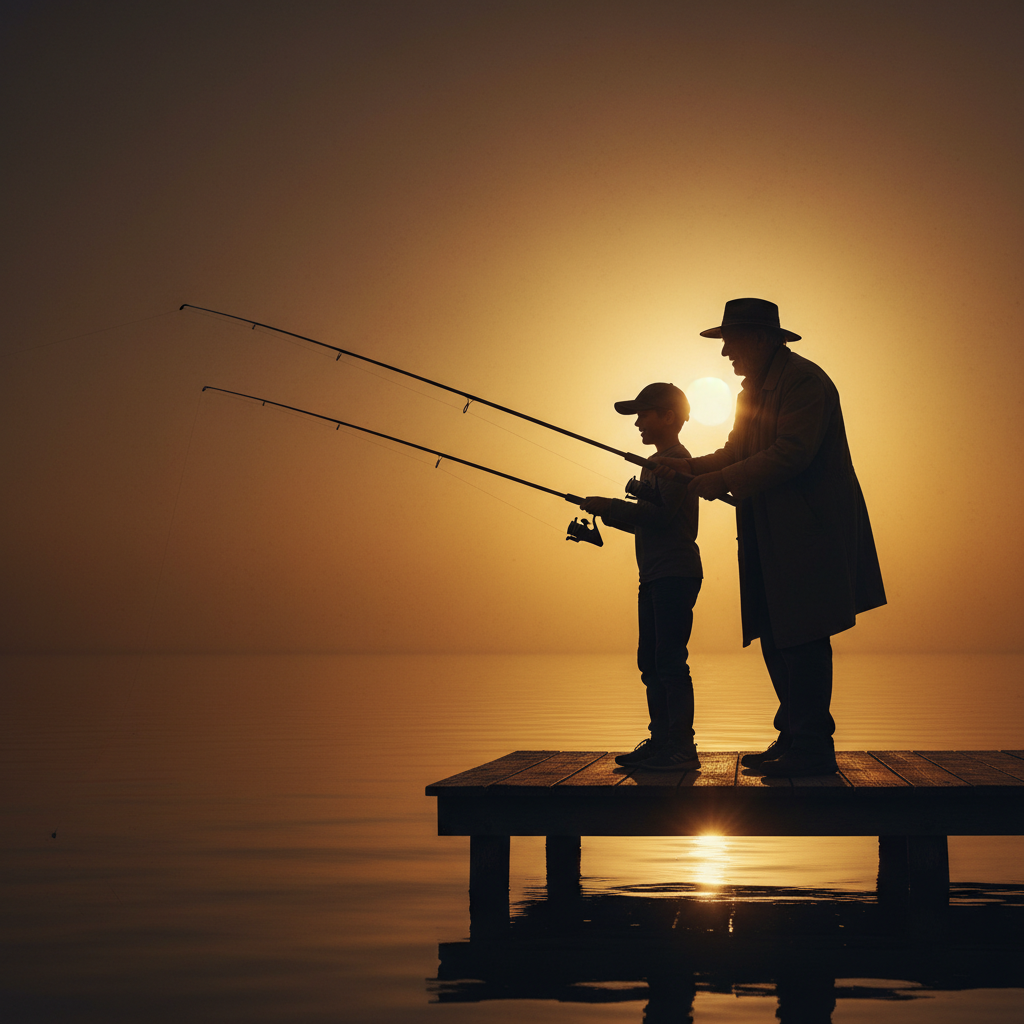
So, the next time you find yourself on the water, remember that fishing is not just about catching fish; it’s about cultivating patience, connecting with nature, and embracing the journey. It’s about appreciating the simple things, learning from your mistakes, and sharing your experiences with others. It’s about understanding that true success in fishing, and in life, is not measured by luck, but by the unwavering commitment to patience, persistence, and a deep respect for the world around us. Embrace the quiet moments, the challenges, and the occasional triumphs, for they are all part of the rich tapestry of the fishing experience.