The Unseen Battle: Discipline in Sport Fishing
Sport fishing, at its core, is a conversation. Not with the fish, though anglers often find themselves narrating their experience to the surrounding wilderness, but with oneself. It’s a silent, internal dialogue where discipline isn’t just a virtue; it’s the very foundation upon which success is built. It’s easy to romanticize the thrill of the catch, the tug on the line, the flash of silver breaking the surface. But behind every triumphant photo lies hours, sometimes days, of unwavering focus, meticulous preparation, and the sheer grit to keep going when doubt creeps in.
Think about it. How many times have you seen someone give up after only a few casts, declaring the fish aren’t biting? Or, conversely, how often have you witnessed a seasoned angler patiently working a single spot for hours, changing lures, adjusting techniques, and remaining stubbornly optimistic even when faced with nothing but silence? The difference, invariably, boils down to discipline. It’s the ability to adhere to a plan, to resist the urge to stray from a proven strategy, and to maintain a positive attitude despite setbacks.
Sport fishing, unlike many other pursuits, offers immediate and tangible feedback on your level of discipline. A poorly tied knot, a rushed cast, a moment of inattention – these seemingly minor lapses can cost you the fish of a lifetime. The lake doesn’t care about your excuses or your frustrations. It simply presents a challenge, and it’s up to you to meet it with the necessary skill and, more importantly, the unwavering discipline to execute that skill consistently.
The Psychology of Patience
Patience, often considered a virtue, is perhaps the most visible manifestation of discipline in sport fishing. It’s the ability to endure periods of inactivity, to remain alert and focused even when nothing seems to be happening. But patience isn’t just about waiting; it’s about actively managing your mental state, preventing boredom and frustration from clouding your judgment. It requires a deep understanding of the environment, the behavior of the fish, and the subtle cues that indicate a change in conditions. A truly disciplined angler uses these periods of apparent inactivity to observe, analyze, and adjust their approach, turning waiting time into valuable learning time.
Consider the example of fly fishing. A fly fisherman might spend hours meticulously casting a dry fly over a promising stretch of river, patiently waiting for a trout to rise. The act itself is repetitive, requiring precise movements and unwavering concentration. But the real challenge lies in maintaining focus when the trout simply aren’t cooperating. A less disciplined angler might become discouraged, start making sloppy casts, or even give up altogether. But a disciplined angler will use this time to refine their technique, experiment with different fly patterns, and remain optimistic that eventually, their persistence will be rewarded.
The psychological benefits of this kind of patience are profound. It teaches you to manage your expectations, to accept that success isn’t always immediate or guaranteed. It cultivates a sense of inner calm and resilience, allowing you to cope with adversity not only on the water but also in other areas of your life. In a world that demands instant gratification, sport fishing offers a valuable lesson in the power of delayed gratification and the importance of staying the course, even when the rewards seem distant.
Preparation: The Foundation of Success

Discipline isn’t solely about what you do on the water; it extends to the preparation you undertake beforehand. A well-prepared angler is a confident angler, and confidence is a crucial ingredient for success. This preparation encompasses a wide range of activities, from researching the target species and the fishing location to selecting the appropriate tackle and practicing essential techniques.
Imagine embarking on a multi-day fishing trip without properly planning your gear, food, and shelter. The lack of discipline in pre-trip preparations could lead to discomfort, inefficiency, and ultimately, a less enjoyable and less productive experience. Conversely, an angler who meticulously researches the fishing grounds, carefully selects the right lures and baits, and ensures their equipment is in top condition is far more likely to succeed. This level of preparation not only increases the chances of catching fish but also reduces the likelihood of encountering unforeseen problems and allows you to focus on the task at hand.
The Art of Tackle Management
Tackle management is a critical aspect of preparation that often gets overlooked. It’s not enough to simply own a variety of fishing gear; you need to know how to use it effectively and keep it organized. A well-organized tackle box allows you to quickly access the right lure or tool when you need it, saving valuable time and minimizing frustration. It also demonstrates a commitment to the sport and a respect for your equipment.
Consider the example of a bass fisherman who specializes in using different types of crankbaits. A disciplined angler will have their crankbaits organized by size, color, and diving depth, making it easy to select the right lure for the specific conditions. They will also regularly inspect their crankbaits for damage, replacing dull hooks and repairing any cracks or chips. This attention to detail not only ensures that their lures are performing optimally but also extends their lifespan, saving money in the long run.
Beyond tackle organization, a disciplined angler also pays attention to the condition of their lines and reels. They regularly check their lines for abrasions and weak spots, replacing them as needed to prevent break-offs. They also clean and lubricate their reels to ensure smooth operation and prevent corrosion. These seemingly minor tasks can make a significant difference in your fishing performance and overall enjoyment of the sport.
Adapting to Changing Conditions
One of the most challenging aspects of sport fishing is the unpredictable nature of the environment. Weather patterns, water conditions, and fish behavior can change rapidly, requiring anglers to adapt their strategies on the fly. Discipline, in this context, means being able to recognize these changes, analyze their impact, and adjust your approach accordingly.
Think about a scenario where you’re fishing for trout in a mountain stream. The morning starts out clear and sunny, and the trout are actively feeding on mayflies. You’re catching fish consistently using a dry fly imitation. However, as the afternoon progresses, clouds begin to roll in, and the wind picks up. The mayfly hatch slows down, and the trout become less active. A less disciplined angler might continue to fish the same way, stubbornly sticking with the dry fly even though it’s no longer effective. But a disciplined angler will recognize the change in conditions and adapt their strategy.
They might switch to a nymph imitation, fishing it deeper in the water column to target trout that are holding closer to the bottom. They might also adjust their casting technique to account for the wind, ensuring that their fly is presented accurately and naturally. This ability to adapt to changing conditions is a hallmark of a skilled and disciplined angler, and it’s what separates the successful anglers from the also-rans.
The Importance of Observation
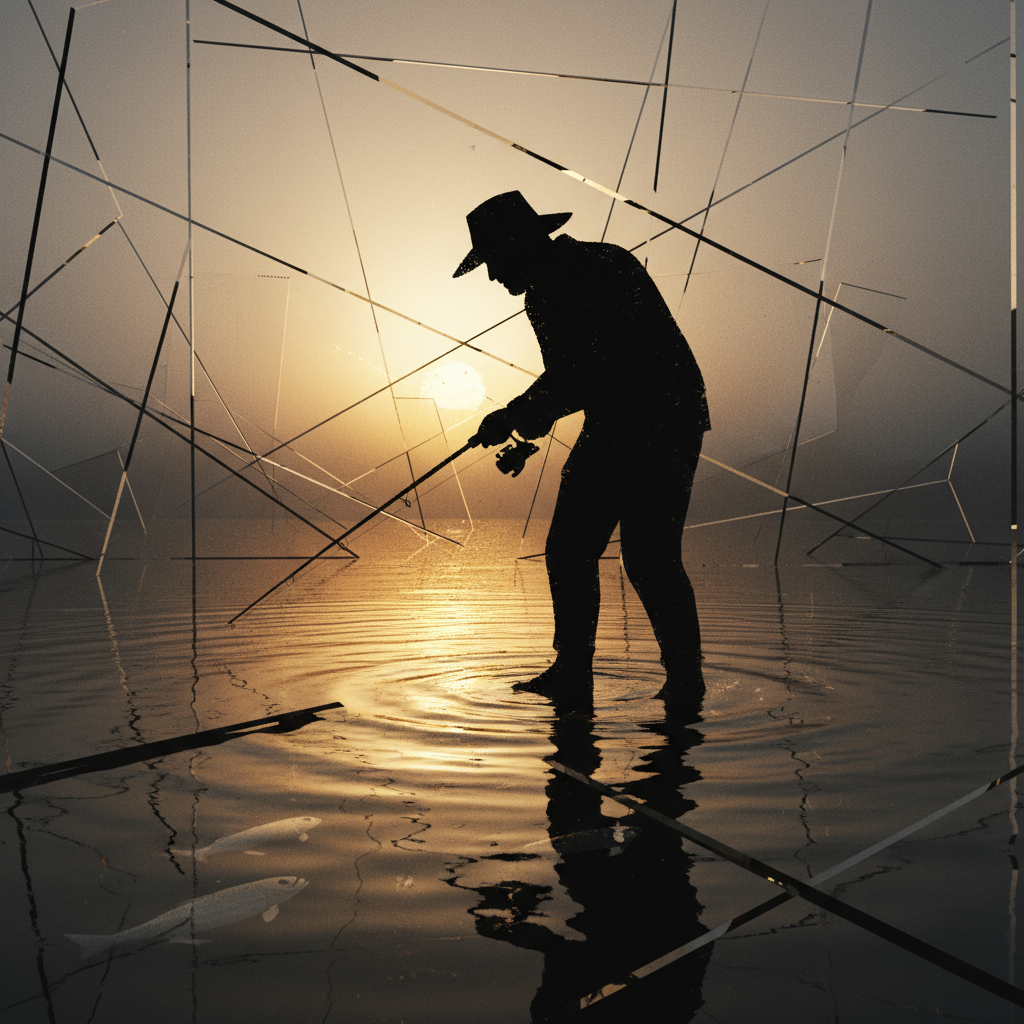
Adapting to changing conditions requires a keen sense of observation. You need to be constantly aware of your surroundings, paying attention to subtle cues that indicate changes in weather, water conditions, and fish behavior. This includes monitoring the water temperature, clarity, and current, as well as observing the presence of insects, baitfish, and other aquatic life.
For example, if you’re fishing for bass in a lake and notice that the water level has dropped significantly, it’s likely that the fish will have moved to deeper water or areas with more cover. A disciplined angler will recognize this change and adjust their fishing location and technique accordingly, focusing on areas where the bass are more likely to be holding.
Similarly, if you’re fishing for salmon in a river and notice that the water is becoming increasingly turbid due to recent rainfall, you might need to switch to a larger, brighter lure that the fish can see more easily. You might also need to adjust your fishing technique, slowing down your retrieve and focusing on areas where the salmon are likely to be holding in the slower current.
The Mental Game: Overcoming Challenges
Sport fishing is as much a mental game as it is a physical one. The ability to stay focused, motivated, and optimistic, even when faced with challenges, is crucial for success. This requires a high degree of mental discipline, which can be cultivated through practice and experience.
Consider the scenario of fishing in a tournament. The pressure is on, and you’re surrounded by other anglers who are all vying for the same prize. You’ve been fishing for hours without a single bite, and doubt starts to creep in. A less disciplined angler might become discouraged, start to lose focus, and make mistakes. But a disciplined angler will maintain their composure, stick to their game plan, and remain optimistic that their luck will eventually change.
They will also be able to manage their emotions effectively, preventing frustration and anger from clouding their judgment. They will recognize that setbacks are a normal part of the sport and that the key is to learn from their mistakes and keep moving forward. This mental toughness is what separates the successful tournament anglers from the rest of the pack.
Dealing with Disappointment

Disappointment is an inevitable part of sport fishing. There will be times when you lose a big fish, get skunked on a trip, or simply fail to meet your expectations. The key is to learn how to deal with these disappointments in a constructive way, using them as opportunities for growth and improvement.
A disciplined angler will not dwell on their mistakes or become overly critical of themselves. Instead, they will analyze what went wrong, identify areas where they can improve, and develop a plan for addressing those weaknesses. They will also focus on the positive aspects of the experience, such as the time spent outdoors, the camaraderie with friends, or the opportunity to learn something new.
Moreover, a disciplined angler understands the importance of ethical fishing practices and conservation. They respect the fish and the environment, and they are committed to ensuring that the sport remains sustainable for future generations. This includes practicing catch and release whenever possible, minimizing their impact on the environment, and adhering to all fishing regulations.
The Rewards of Discipline: Beyond the Catch
While the thrill of the catch is undoubtedly a major draw for many anglers, the rewards of discipline in sport fishing extend far beyond the number of fish you bring home. The process of developing discipline, patience, and resilience can have a profound impact on your personal growth and overall well-being.
Sport fishing provides a unique opportunity to connect with nature, escape the stresses of daily life, and challenge yourself both mentally and physically. It teaches you the importance of perseverance, adaptability, and problem-solving. It also fosters a sense of humility and respect for the natural world.
The discipline you cultivate on the water can translate into other areas of your life, helping you to achieve your goals, overcome challenges, and build stronger relationships. It can also enhance your self-confidence, improve your decision-making skills, and increase your overall sense of well-being. In a world that often values instant gratification and immediate results, sport fishing offers a valuable reminder of the power of patience, persistence, and the rewards of hard work.
A Lifelong Pursuit
Sport fishing is not just a hobby; it’s a lifelong pursuit that can provide endless opportunities for learning, growth, and enjoyment. The more you invest in the sport, the more you will get out of it. And the more disciplined you become, the more successful and fulfilling your experiences will be.
Whether you’re a seasoned angler or just starting out, remember that discipline is the key to unlocking your full potential. Embrace the challenges, learn from your mistakes, and never stop striving to improve. The rewards of discipline in sport fishing are immeasurable, and they will enrich your life in ways you never thought possible.
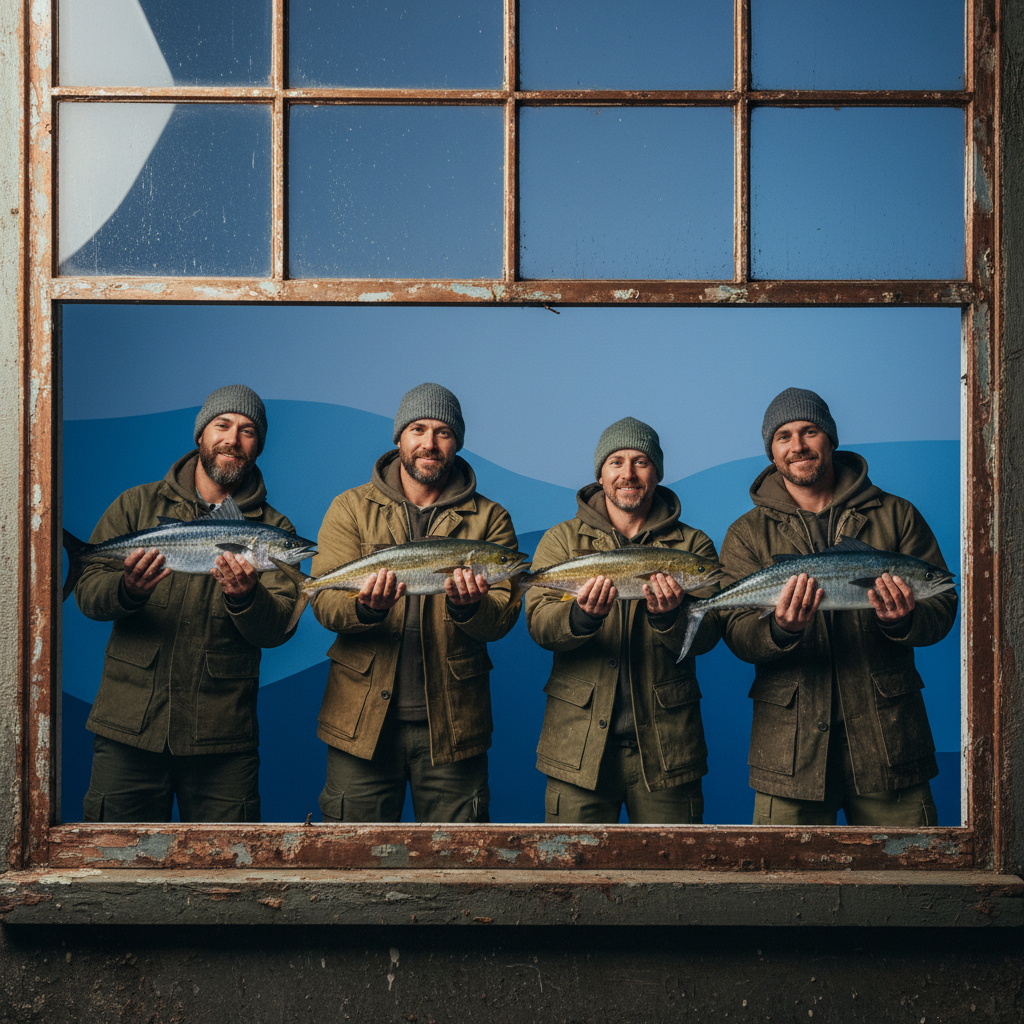
Ultimately, sport fishing is a reflection of life itself. It’s a journey filled with challenges, setbacks, and moments of triumph. The discipline we cultivate on the water prepares us to navigate the complexities of life with greater resilience, patience, and grace. It teaches us to appreciate the beauty of the natural world, to respect the delicate balance of the ecosystem, and to value the importance of perseverance in the face of adversity. And perhaps most importantly, it reminds us that the true rewards are not always found in the catch, but in the journey itself. The quiet moments of contemplation, the shared laughter with friends, and the profound connection with nature – these are the treasures that make sport fishing a truly enriching and rewarding experience. So, embrace the discipline, cast your line, and let the conversation with yourself begin. You might be surprised at what you discover.