The Unseen Battle: Sport Fishing and Mental Fortitude
Sport fishing, often portrayed as a leisurely pastime, is a crucible where mental resilience meets physical skill. While the image of a serene angler casting a line might conjure thoughts of relaxation, beneath the surface lies a complex interplay of patience, strategy, and an unwavering mental game. It’s a sport that demands not only physical prowess but also the ability to navigate frustration, adapt to changing conditions, and maintain focus in the face of adversity. Have you ever considered that the greatest challenges in fishing aren’t always about the fish themselves, but the internal battles we wage within our own minds?
Beyond the Gear: The Mental Toolkit
The modern angler has access to an arsenal of sophisticated gear: high-tech rods, advanced reels, sonar fish finders, and a vast array of lures and baits designed to entice even the most discerning fish. Yet, all this equipment is rendered useless without the proper mental toolkit.
This toolkit includes:
* Patience: Perhaps the most crucial element. Fishing inherently involves waiting. Waiting for the right moment, the right conditions, and, of course, the fish to bite. Impatience can lead to hasty decisions, missed opportunities, and ultimately, a frustrating experience.
* Focus: The ability to maintain concentration, especially during long periods of inactivity. Distractions are plentiful, from the lure of social media to the mundane worries of daily life. A focused mind is more likely to detect subtle cues, anticipate fish behavior, and react effectively.
* Adaptability: Fishing environments are constantly changing. Weather patterns shift, water levels fluctuate, and fish behavior evolves. An angler who can adapt their strategy, technique, and even their choice of gear is far more likely to succeed.
* Resilience: Setbacks are inevitable. Fish will be lost, lines will break, and days will be spent without a single bite. Resilience is the ability to bounce back from these disappointments, learn from mistakes, and maintain a positive attitude.
* Strategic Thinking: This involves understanding fish behavior, analyzing environmental factors, and developing a plan to maximize your chances of success. It’s about more than just casting a line; it’s about thinking like a fish.
The Neuroscience of Fishing: Mindfulness in Action
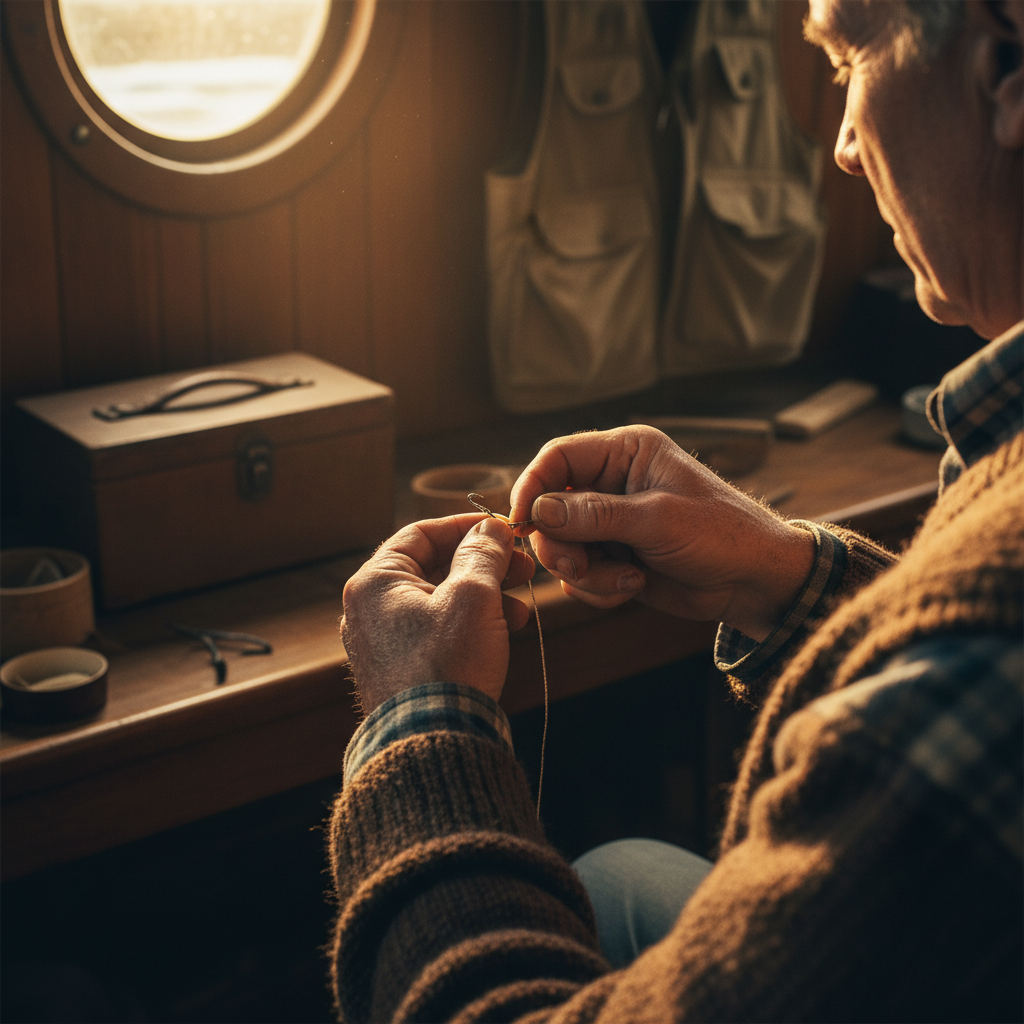
Interestingly, the mental demands of sport fishing align with many principles of mindfulness. The act of focusing on the present moment – the feel of the rod in your hand, the sound of the water, the anticipation of a strike – can be incredibly meditative. This mindful approach can reduce stress, improve focus, and enhance overall well-being.
Consider the angler who spends hours casting a fly in a pristine stream. They are not merely engaging in a recreational activity; they are practicing a form of active meditation. The repetitive motion of casting, the constant observation of the environment, and the focused attention on the task at hand create a state of flow, where the mind is fully absorbed in the present moment. This state of flow is not only conducive to catching fish but also to achieving a sense of inner peace and tranquility.
Overcoming the Mental Hurdles
The path to becoming a successful angler is paved with mental challenges. Recognizing and overcoming these hurdles is crucial for both enjoyment and success.
The Frustration Factor: Managing Expectations
One of the biggest challenges in fishing is managing expectations. It’s easy to become discouraged when fish aren’t biting, especially after spending hours on the water. The key is to remember that fishing is not just about catching fish; it’s about the experience itself.
Instead of focusing solely on the outcome, try to appreciate the process. Enjoy the beauty of the surroundings, the challenge of mastering new techniques, and the camaraderie of fellow anglers. By shifting your focus from the result to the journey, you can reduce frustration and enhance your overall experience.
The Distraction Dilemma: Staying Present
In today’s hyper-connected world, distractions are everywhere. Smartphones, social media, and the constant barrage of information can make it difficult to stay present and focused on the task at hand.
To combat distractions, try leaving your phone at home or turning it off while fishing. Embrace the opportunity to disconnect from the digital world and reconnect with nature. Practice mindfulness techniques, such as deep breathing or focusing on your senses, to stay grounded in the present moment.
The Self-Doubt Spiral: Building Confidence
Self-doubt can be a crippling force in fishing. When things aren’t going well, it’s easy to start questioning your abilities, your techniques, and even your choice of location.
To build confidence, start by setting realistic goals. Don’t expect to catch a trophy fish every time you go out. Instead, focus on improving your skills, learning new techniques, and increasing your knowledge of fish behavior. Celebrate small victories, such as mastering a new knot or successfully landing a challenging fish. Keep a fishing journal to track your progress and identify areas for improvement.
The “One More Cast” Syndrome: Knowing When to Quit
The allure of “one more cast” can be powerful, especially when you’re convinced that the next cast will be the one that lands you the big fish. However, knowing when to quit is an important aspect of mental discipline.
Sometimes, the best decision is to pack up and go home. Whether it’s due to fatigue, changing weather conditions, or simply a lack of fish activity, recognizing when it’s time to call it a day can prevent frustration and wasted effort. Remember, there’s always another day to fish.

The Psychology of the Successful Angler
What separates the casual angler from the consistently successful one? While skill and experience play a role, the psychological factors are often the deciding factor. Successful anglers possess a unique mindset that allows them to excel in this challenging sport.
Embracing the Learning Curve
Successful anglers are lifelong learners. They are constantly seeking new knowledge, experimenting with different techniques, and analyzing their results. They understand that fishing is a complex and ever-evolving pursuit, and they are willing to embrace the learning curve.
They read books and articles, watch videos, attend workshops, and talk to other anglers. They are always looking for ways to improve their skills and expand their knowledge. They are not afraid to make mistakes, and they view each setback as an opportunity to learn and grow.
Cultivating a Growth Mindset
A growth mindset is the belief that your abilities and intelligence can be developed through dedication and hard work. Successful anglers possess a growth mindset, believing that they can improve their fishing skills with effort and practice.
They don’t see setbacks as failures but as opportunities to learn and grow. They embrace challenges, persist in the face of obstacles, and view effort as the path to mastery. This growth mindset allows them to continually improve their skills and achieve their fishing goals.
Developing a Strong Sense of Self-Efficacy
Self-efficacy is the belief in your ability to succeed in specific situations or accomplish a task. Successful anglers have a strong sense of self-efficacy, believing in their ability to catch fish, even when faced with challenging conditions.
This belief in their abilities allows them to approach each fishing trip with confidence and optimism. They are not easily discouraged by setbacks, and they persevere until they achieve their goals. They have a clear understanding of their strengths and weaknesses, and they use this knowledge to their advantage.
Harnessing the Power of Visualization
Visualization is a powerful mental technique that involves creating a mental image of yourself successfully performing a task. Successful anglers often use visualization to prepare for fishing trips, mentally rehearsing their techniques and imagining themselves catching fish.
By visualizing success, they can increase their confidence, improve their focus, and enhance their performance. They can also use visualization to troubleshoot potential problems and develop strategies to overcome challenges.
The Importance of Self-Talk
Self-talk is the internal dialogue that we have with ourselves. It can be positive or negative, and it can have a significant impact on our mood, motivation, and performance. Successful anglers are aware of their self-talk, and they make a conscious effort to maintain a positive and encouraging internal dialogue.
They avoid negative self-talk, such as “I’ll never catch anything,” and instead focus on positive affirmations, such as “I’m a skilled angler, and I’m going to catch fish today.” This positive self-talk can help them stay motivated, focused, and confident, even when faced with challenging conditions.

The Social Dimension of Mental Well-being in Fishing
While often perceived as a solitary pursuit, sport fishing frequently involves social interaction, which significantly contributes to mental well-being. Sharing experiences, learning from others, and forming bonds with fellow anglers can enhance the overall enjoyment and benefits of the sport.
The Power of Camaraderie
Fishing with friends or family can create lasting memories and strengthen relationships. Sharing the highs and lows of the fishing experience, celebrating successes, and supporting each other through setbacks can foster a sense of camaraderie and belonging.
These social connections can provide emotional support, reduce stress, and enhance overall well-being. The shared passion for fishing creates a common ground, allowing individuals to connect on a deeper level and build meaningful relationships.
Learning from Experienced Anglers
Experienced anglers can provide valuable insights, tips, and techniques that can help improve your skills and increase your chances of success. Learning from others can accelerate your learning curve and prevent you from making common mistakes.
By observing experienced anglers, asking questions, and seeking their advice, you can gain a deeper understanding of fish behavior, environmental factors, and effective fishing strategies. This knowledge can boost your confidence and enhance your overall fishing experience.
The Joy of Sharing Knowledge
Sharing your knowledge and experiences with others can be incredibly rewarding. Mentoring new anglers, teaching them the basics of fishing, and sharing your favorite techniques can foster a sense of purpose and fulfillment.
By sharing your passion for fishing, you can inspire others to appreciate the sport and connect with nature. This act of giving back can enhance your own sense of well-being and create a positive impact on the fishing community.
Building a Supportive Community
Joining a fishing club or online forum can provide access to a supportive community of like-minded individuals. These communities offer a platform for sharing information, asking questions, and connecting with other anglers.
Being part of a supportive community can provide emotional support, reduce feelings of isolation, and enhance your overall fishing experience. The shared passion for fishing creates a bond that transcends individual differences and fosters a sense of belonging.
The Ethics of Sportsmanship: Respect and Responsibility
Beyond personal and social benefits, the mental game in fishing also involves embracing ethical practices and responsible behavior. Respect for the environment, adherence to regulations, and responsible handling of fish are integral to the sport.
Practicing catch and release when appropriate, minimizing your impact on the environment, and respecting the rights of other anglers are essential for preserving the sport for future generations. This commitment to ethical behavior enhances the overall experience and fosters a sense of pride in being a responsible angler.

Sport Fishing: A Metaphor for Life
Ultimately, sport fishing offers more than just recreation; it provides a powerful metaphor for life itself. The challenges and rewards of fishing mirror the ups and downs of life, teaching valuable lessons about patience, perseverance, resilience, and the importance of staying focused on your goals.
The ability to adapt to changing conditions, overcome obstacles, and maintain a positive attitude are essential skills for success in both fishing and life. The lessons learned on the water can be applied to other areas of your life, helping you navigate challenges, achieve your goals, and live a more fulfilling life.
The solitude and peace found in nature can provide a much-needed respite from the stresses of modern life, allowing you to reconnect with yourself, reflect on your experiences, and gain a new perspective on your priorities. Fishing can be a powerful tool for self-discovery, personal growth, and overall well-being. It’s a reminder that success often comes to those who are patient, persistent, and willing to learn from their mistakes. And perhaps most importantly, it teaches us to appreciate the journey, not just the destination. The tug on the line is just the beginning of a much larger story, one that starts in the mind, long before it ever reaches the arms.