The Silent Language of the Stream
Fishing, at its heart, is a conversation – a dialogue between angler and the aquatic world. It’s a dance of anticipation, knowledge, and respect. We cast our lines, not just in hopes of a catch, but also in pursuit of understanding. Yet, how often do we truly listen to what the water, and its inhabitants, are trying to tell us? How often do we bypass the subtle clues, the whispers in the current, and rely solely on luck or brute force?
Reading fish behavior is more than just a skill; it’s an art. It’s about developing a keen eye, an intuitive sense, and a deep appreciation for the intricate ecosystem we’re temporarily joining. It’s about recognizing that a fish’s actions aren’t random but are carefully calculated responses to its environment, its needs, and its perceived threats. Ignoring these signals is akin to entering a foreign land without learning the language – you might stumble upon something interesting, but you’ll miss the richness and complexity of the culture.
The consequences of this ignorance can be painful. Not just in terms of empty nets and frustrated days, but also in terms of potential harm to the fish populations themselves. By understanding their behavior, we can fish more responsibly, minimizing stress and maximizing our chances of success while ensuring the long-term health of the aquatic environment. But where do we begin to decipher this watery language?
Understanding the Fundamentals
Before we can interpret the nuances of fish behavior, we must first grasp the fundamental principles that govern their lives. Fish are driven by a few basic needs: food, shelter, and reproduction. Their behavior is primarily geared towards fulfilling these needs while avoiding predators and conserving energy. The specific strategies they employ depend on a variety of factors, including species, age, size, and the prevailing environmental conditions.
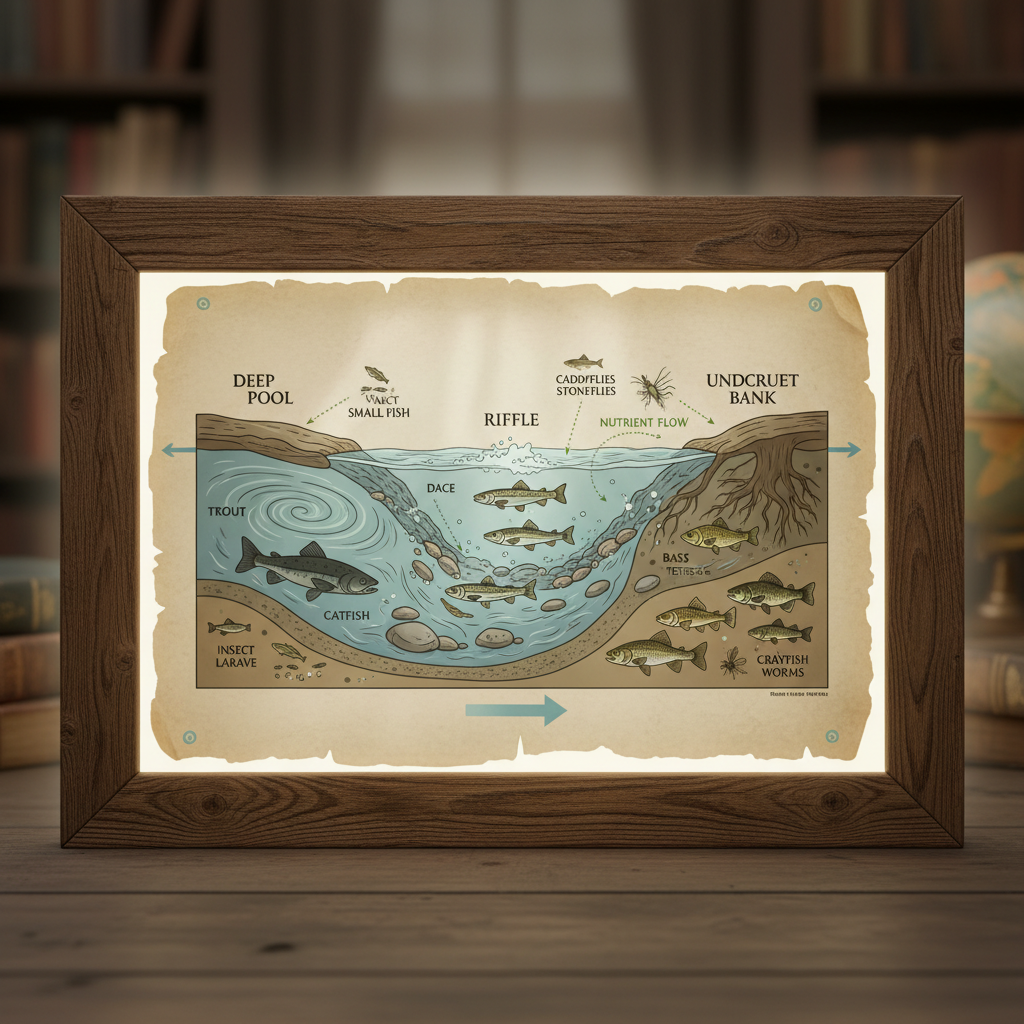
Consider the trout, a classic example of a highly adaptable fish. In fast-flowing rivers, trout will often seek refuge behind rocks and submerged logs, waiting for insects to drift by in the current. This “drift feeding” behavior allows them to conserve energy while maximizing their access to food. During spawning season, however, their behavior shifts dramatically. They become more aggressive, fiercely defending their territories and engaging in elaborate courtship rituals. Understanding these basic behavioral patterns is crucial for predicting their movements and choosing the right tactics.
Another crucial aspect is understanding the influence of environmental factors. Water temperature, oxygen levels, and water clarity all play a significant role in shaping fish behavior. For example, in warmer water, fish tend to be less active and require more oxygen. In murky water, they rely more on their lateral line, a sensory organ that detects vibrations, to locate prey and avoid predators.
Decoding the Signs: A Practical Guide
Now that we have a basic understanding of the underlying principles, let’s delve into the practical aspects of reading fish behavior. What are the specific signs we should be looking for, and how can we interpret them? Here are a few key indicators to consider:
Surface Activity
The surface of the water is often the most obvious place to observe fish activity. Rising fish, those that are actively feeding on insects at the surface, are a clear sign of opportunity. However, it’s important to distinguish between different types of rises. A gentle sip indicates that the fish is taking small, delicate insects, while a splashy rise suggests a more aggressive feeding behavior. The size and frequency of the rises can also provide clues about the size and abundance of the fish.
But surface activity can also indicate other things. A sudden scattering of baitfish may signal the presence of a predator, such as a larger fish or a bird of prey. Ripples and swirls on the surface can indicate the movement of fish beneath the water, even if they aren’t actively rising. Learning to interpret these subtle cues can give you a significant advantage.
Subsurface Clues
While surface activity is relatively easy to spot, the majority of fish behavior occurs beneath the surface, hidden from plain sight. To decipher these subsurface clues, we need to rely on a combination of observation, experience, and technology. Polarized sunglasses are an essential tool for cutting through the glare and allowing us to see deeper into the water. They can help us spot fish holding in specific locations, such as near submerged logs or weed beds.
Another useful technique is to observe the behavior of other animals, such as birds and insects. Diving birds, like cormorants and kingfishers, often target areas where fish are abundant. Similarly, the presence of certain types of insects, such as mayflies or caddisflies, can indicate that the water is healthy and productive.
Reading the Current
In moving water, the current plays a crucial role in shaping fish behavior. Fish will often position themselves in areas where they can conserve energy while maximizing their access to food. This includes behind rocks, in eddies, and along the edges of the current. These “current breaks” provide refuge from the strong flow and allow fish to ambush unsuspecting prey.
Understanding the current can also help you predict where fish are likely to be holding at different times of the day. For example, in the morning, fish may be more likely to hold in shallower, sun-warmed areas, while in the afternoon, they may seek refuge in deeper, cooler water. The speed and direction of the current can also influence the types of insects that are available to the fish, which in turn can affect their feeding behavior.
Consider the simple act of observing how leaves and debris flow in the water. Do they gather in certain spots? Are there areas where the current slows or changes direction? These subtle variations can indicate the presence of underwater structure or changes in depth, which can be attractive to fish.
The Importance of Time of Day and Season
Fish behavior is also heavily influenced by the time of day and the season. Many fish species are crepuscular, meaning they are most active during dawn and dusk. These periods often coincide with increased insect activity and reduced light levels, making it easier for fish to hunt. During the middle of the day, when the sun is high and the water is clear, fish may become more inactive and seek refuge in shaded areas.
Seasonal changes can also have a dramatic impact on fish behavior. During the spring, many fish species migrate upstream to spawn. During the summer, they may become more lethargic due to warmer water temperatures. In the fall, they may feed aggressively to prepare for the winter. And during the winter, they may become less active and seek refuge in deeper water.
For example, knowing that trout are likely to be spawning in the spring means you should target areas with gravel beds and avoid disturbing their nests. Understanding that bass are likely to be in shallow water during the spawn allows you to tailor your presentation and target specific areas.
Case Studies: Putting Knowledge into Practice
Theory is important, but practical application is where true understanding lies. Let’s examine a few case studies to illustrate how reading fish behavior can lead to greater success on the water.
Case Study 1: The Elusive Brown Trout
A seasoned angler was struggling to catch brown trout in a heavily pressured river. He had tried a variety of flies and techniques, but nothing seemed to work. One day, while observing the river, he noticed that the brown trout were consistently holding in deep pools near undercut banks. He also observed that the trout were only feeding on small mayflies that were hatching in the late afternoon.
Armed with this knowledge, he switched to a small mayfly imitation and presented it with a delicate drift near the undercut banks. He immediately began catching brown trout. By carefully observing the fish’s behavior and adapting his tactics accordingly, he was able to unlock the secrets of the river and experience unprecedented success.
Case Study 2: The Suspicious Largemouth Bass
A bass fisherman was fishing a clear, shallow lake on a hot summer day. He noticed that the bass were extremely skittish and easily spooked. They would often disappear as soon as his boat approached. He realized that the bass were likely holding in the shade of lily pads and submerged vegetation to escape the heat and sunlight.
He switched to a weedless lure and began casting it into the thickest cover he could find. He also slowed down his retrieve and allowed the lure to sink deeper into the vegetation. This approach proved to be highly effective. By understanding the bass’s behavior and adapting his presentation, he was able to catch several quality fish that had been previously inaccessible.
Case Study 3: The River Salmon Run
During a salmon run, an angler noticed the salmon were constantly congregating in specific spots within a river. It was easily noticeable to anyone who spent enough time observing. After watching for a few hours, the angler noticed that the salmon were gathering in areas of slower currents, near the edge of the main flow of the river.
After spotting this trend, the angler made sure to cast his line and retrieve his lure through that particular area, and quickly started catching a number of salmon. Without carefully observing the salmon’s behavior, this angler would likely have had a much harder time finding and catching any salmon at all that day.
Beyond the Catch: Ethical Considerations
Reading fish behavior isn’t just about catching more fish; it’s also about fishing more ethically. By understanding their needs and vulnerabilities, we can minimize our impact on the aquatic environment and ensure the long-term health of fish populations. This includes practicing catch and release, using barbless hooks, and avoiding fishing during spawning season.
Moreover, it’s about respecting the fish as living creatures, not just as objects of our desire. We should strive to understand their role in the ecosystem and appreciate their beauty and complexity. Fishing should be a mindful and respectful activity, not just a mindless pursuit of trophies. It’s about connecting with nature and deepening our understanding of the natural world.
Do we truly consider the stress we impose on these creatures when we hook them, drag them from their environment, and subject them to unfamiliar surroundings? Are we mindful of the potential for injury and the long-term consequences of our actions? By adopting a more empathetic and informed approach to fishing, we can ensure that future generations will have the opportunity to experience the same joys and wonders that we do.

Tools and Resources for Further Learning
Developing the ability to read fish behavior is an ongoing process that requires dedication, observation, and a willingness to learn. Fortunately, there are a wealth of resources available to help you improve your skills. These include books, articles, online forums, and local fishing guides. Here are a few suggestions:
- Field Guides: Invest in a good field guide to fish identification and behavior. These guides can help you learn about the specific habits and preferences of different fish species.
- Online Forums: Join online fishing forums and communities where you can share your experiences, ask questions, and learn from other anglers.
- Local Fishing Guides: Consider hiring a local fishing guide for a day or two. A good guide can provide valuable insights into the local fishing conditions and help you develop your skills.
- Scientific Literature: For a more in-depth understanding of fish behavior, explore scientific literature on fish ecology and behavior.
Remember, the best way to learn is by spending time on the water and observing fish in their natural habitat. Pay attention to the details, ask questions, and don’t be afraid to experiment. With practice and patience, you’ll develop the ability to read fish behavior like a pro.
The Future of Fishing: A Deeper Connection
As technology advances and our understanding of fish behavior deepens, the future of fishing holds immense promise. We are already seeing the emergence of sophisticated sonar systems and underwater cameras that allow us to observe fish in unprecedented detail. These technologies can help us identify key habitats, track fish movements, and understand their feeding patterns.
But technology is just a tool. The real key to the future of fishing lies in fostering a deeper connection with the natural world. By embracing a more holistic and sustainable approach to fishing, we can ensure that future generations will have the opportunity to experience the same joys and wonders that we do. This includes promoting responsible fishing practices, supporting conservation efforts, and advocating for policies that protect aquatic ecosystems.
Ultimately, reading fish behavior is about more than just catching fish. It’s about cultivating a deeper understanding of the natural world and our place within it. It’s about respecting the delicate balance of the ecosystem and ensuring its long-term health. It’s about becoming a more responsible and ethical angler, a steward of the waters we love.

The ability to anticipate and understand a fish’s actions transforms the act of fishing from a mere pastime into a profound engagement with the natural world. It invites us to become students of the stream, to observe, to interpret, and to respect the intricate dance of life that unfolds beneath the surface. By embracing this deeper understanding, we not only enhance our chances of success but also contribute to the long-term health and vitality of the aquatic ecosystems we cherish. So, the next time you’re on the water, take a moment to truly listen to what the fish are telling you – you might be surprised by what you discover.