The Subtle Dance of Timing in Angling
We often hear about the importance of a strong hookset, the right lure, or the perfect fishing spot. But beneath the surface of these commonly discussed elements lies a more nuanced and often overlooked factor: timing. Perfect timing, in fishing, isn’t merely about reacting quickly. It’s about anticipating, understanding, and synchronizing your actions with the subtle cues of the underwater world. It’s the difference between a near miss and a triumphant catch, a day of frustration and a memory etched in angling lore.
Think about it. You could have the most expensive rod, the most irresistible bait, and be fishing in the most productive honey hole, but if your timing is off, you’re essentially just practicing casting. The fish might nibble, investigate, even toy with your offering, but unless you react at the precise moment, the opportunity will slip away like water through your fingers. This isn’t just about reaction time; it’s about proactive awareness, a deep understanding of fish behavior, and an almost intuitive connection to the aquatic environment.
Beyond the Hookset: A Holistic View of Timing
The concept of timing extends far beyond the mere act of setting the hook. It permeates every aspect of the fishing experience, from the initial presentation of the lure to the final moment of landing the fish. Consider these examples:
- Presentation Timing: Are you presenting your lure at the right depth, speed, and angle relative to the current and the fish’s likely holding position? A perfectly cast lure that drifts too quickly or sits too high in the water column might as well be invisible.
- Seasonal Timing: Are you fishing during the optimal time of year for the species you’re targeting? Fish behavior changes dramatically with the seasons, influencing their feeding patterns, location, and overall activity levels. Targeting spawning bass in the dead of winter, for instance, is a recipe for disappointment.
- Daily Timing: Are you fishing during the most productive time of day? Factors like sunrise, sunset, tidal changes, and weather patterns can significantly impact fish activity. A cloudy afternoon after a period of bright sunshine might trigger a feeding frenzy, while a calm, sunny day might send fish seeking refuge in deeper water.
These are just a few examples of how timing influences fishing success. It’s a complex interplay of factors that requires careful observation, constant learning, and a willingness to adapt your strategy based on the prevailing conditions. It’s not enough to simply know *what* to do; you need to know *when* to do it.
Reading the Underwater Clock: Understanding Fish Behavior
Mastering the art of timing in fishing requires a deep understanding of fish behavior. Fish are creatures of habit, driven by instinct and influenced by their environment. By learning to recognize the patterns and cues that govern their behavior, you can significantly improve your timing and increase your chances of success.
One of the key factors influencing fish behavior is the availability of food. Fish are constantly on the lookout for their next meal, and their feeding patterns are often dictated by the abundance and availability of prey. This is where understanding the food chain comes into play. Knowing what the fish are eating, where they’re finding it, and when they’re most likely to be feeding can give you a significant advantage.
For example, if you’re targeting trout in a stream, understanding the life cycle of mayflies and other aquatic insects can be incredibly valuable. Knowing when these insects are hatching and emerging from the water will allow you to choose the right fly pattern and present it at the precise moment when the trout are actively feeding on them. Similarly, if you’re targeting bass in a lake, understanding the movements of baitfish like shad or alewives can help you locate the areas where the bass are most likely to be ambushing their prey.
The Role of Environmental Cues
In addition to food availability, environmental cues also play a crucial role in shaping fish behavior. Factors like water temperature, water clarity, current, and weather patterns can all influence fish activity and location. Learning to interpret these cues can help you predict where the fish are likely to be and how they’re likely to be behaving.
For instance, during the summer months, when water temperatures rise, many fish will seek refuge in deeper, cooler water. Understanding this behavior can help you adjust your fishing strategy and target areas where the fish are more likely to be comfortable and active. Similarly, after a heavy rain, when the water becomes murky, fish may move closer to shore to take advantage of the reduced visibility and ambush prey. By paying attention to these environmental cues, you can adapt your approach and increase your chances of success.
Ultimately, understanding fish behavior is an ongoing process of learning and observation. The more time you spend on the water, the more attuned you’ll become to the subtle cues that govern fish activity. This knowledge will not only improve your timing but also deepen your appreciation for the intricate and fascinating world beneath the surface.
Developing Intuition: The Art of Anticipation
While knowledge and understanding are essential, true mastery of timing in fishing often involves developing a sense of intuition. This isn’t some mystical or supernatural ability, but rather a refined skill born from experience and careful observation. It’s the ability to anticipate the fish’s next move, to predict its behavior based on subtle cues, and to react accordingly.
Think of it like a seasoned chess player. They don’t just react to their opponent’s moves; they anticipate them, planning several steps ahead and setting traps to lure their opponent into a disadvantageous position. Similarly, a skilled angler can anticipate the fish’s movements, predicting where it’s likely to strike, how it’s likely to react, and when it’s most vulnerable.
Developing this intuition requires more than just reading books or watching videos. It requires spending time on the water, observing the fish, and learning from your mistakes. It requires paying attention to the subtle details, such as the way the fish is swimming, the way it’s holding in the current, and the way it’s reacting to your lure. It requires developing a sense of empathy, of understanding the fish’s perspective and seeing the world through its eyes.
The Power of “Feel”
One of the key elements of intuition in fishing is the development of “feel.” This is the ability to sense the subtle vibrations and movements of the lure, to detect the slightest nibble or tug, and to differentiate between a genuine strike and a false alarm. Developing this feel requires a sensitive rod, a quality line, and a focused mind. It also requires practice and patience. The more time you spend on the water, the more attuned you’ll become to the subtle nuances of the underwater world.
Experienced anglers often talk about “feeling” the fish before they even see it. They can sense the weight of the fish, the way it’s pulling on the line, and the direction it’s swimming. This allows them to anticipate the fish’s next move and react accordingly, increasing their chances of landing the fish.
Ultimately, developing intuition in fishing is a lifelong pursuit. It’s a process of constant learning, refinement, and adaptation. But the rewards are well worth the effort. By honing your intuition, you can unlock a deeper level of understanding and connection to the aquatic world, transforming yourself from a mere fisherman into a true angler.

Case Studies in Perfect Timing
To illustrate the importance of timing in fishing, let’s examine a few real-world case studies. These examples demonstrate how subtle adjustments in timing can make the difference between success and failure.
Case Study 1: The Elusive Brown Trout. A seasoned angler was fishing a remote mountain stream, targeting large brown trout. He had tried various lures and techniques with little success. After observing the stream for several hours, he noticed that the trout were most active during a brief period in the late afternoon when the sun was beginning to dip behind the mountains. During this time, the trout would emerge from their hiding places and actively feed on insects drifting downstream. Realizing this, the angler adjusted his strategy, focusing his efforts on this specific window of time. He also switched to a smaller, more natural-looking fly that imitated the insects the trout were feeding on. The result? He landed two beautiful brown trout within a matter of minutes, proving that perfect timing and presentation can overcome even the most challenging conditions.
Case Study 2: The Suspicious Largemouth Bass. A weekend angler was fishing a local lake, targeting largemouth bass. He was using a popular crankbait, but wasn’t getting any bites. He noticed that the bass were holding tight to submerged structure, such as fallen trees and weed beds. However, they seemed hesitant to strike the crankbait when it was retrieved at a constant speed. Experimenting, the angler started using a “stop-and-go” retrieve, pausing the crankbait for a few seconds near the structure before continuing the retrieve. This allowed the crankbait to briefly suspend in the water, mimicking a wounded baitfish. The bass couldn’t resist the temptation, and the angler started catching fish consistently. This example highlights the importance of varying your retrieve and adjusting your timing to match the fish’s mood and behavior.
Case Study 3: The Tide-Dependent Redfish. A coastal angler was fishing for redfish in a shallow saltwater estuary. He knew that the redfish were heavily influenced by the tides, moving into the shallows to feed during high tide and retreating to deeper water during low tide. He timed his fishing trips to coincide with the incoming tide, focusing his efforts on the areas where the redfish were most likely to be feeding. He also used a lure that was well-suited for the shallow water, allowing him to effectively target the redfish without getting snagged on the bottom. As a result, he consistently caught redfish, even when other anglers were struggling. This case demonstrates the importance of understanding the relationship between fish behavior and environmental factors, and adjusting your timing accordingly.
These case studies illustrate that timing is not just a matter of luck, but a skill that can be honed through observation, experimentation, and adaptation. By paying attention to the details and learning to read the cues of the underwater world, you can significantly improve your timing and increase your chances of success.
Practical Tips for Improving Your Fishing Timing
So, how can you improve your timing and become a more effective angler? Here are some practical tips to help you hone your skills:
- Keep a Fishing Log: Record the date, time, location, weather conditions, water conditions, lure used, and any other relevant information about each fishing trip. This will help you identify patterns and trends, and learn what works best in different situations.
- Pay Attention to Detail: Observe the fish’s behavior, the water conditions, and the surrounding environment. Look for clues that might indicate where the fish are located and how they’re likely to be behaving.
- Experiment with Different Techniques: Don’t be afraid to try new things and adjust your approach based on the prevailing conditions. Vary your retrieve speed, lure presentation, and fishing location until you find what works.
- Talk to Other Anglers: Share information and learn from the experiences of other anglers. They may have valuable insights that can help you improve your timing.
- Read Fishing Books and Articles: Expand your knowledge of fish behavior, fishing techniques, and environmental factors. The more you know, the better equipped you’ll be to make informed decisions about your timing.
- Practice, Practice, Practice: The more time you spend on the water, the more attuned you’ll become to the subtle cues that govern fish activity. There’s no substitute for experience.
Remember, improving your timing is an ongoing process. It requires patience, persistence, and a willingness to learn from your mistakes. But with dedication and effort, you can develop the skills and intuition necessary to become a truly successful angler.

The Mental Game: Patience and Persistence
While technique and knowledge are important, the mental aspect of fishing, particularly patience and persistence, is crucial for mastering timing. Fishing often involves long periods of inactivity, punctuated by brief moments of intense action. It’s during these lulls that patience is tested, and the temptation to give up can be overwhelming. However, it’s important to remember that even the most experienced anglers experience slow days. The key is to remain focused, observant, and persistent, knowing that the next bite could be just around the corner.
Persistence, in this context, doesn’t simply mean mindlessly casting and retrieving. It means actively seeking out solutions, adjusting your strategy, and continuing to learn from your experiences. It means refusing to be discouraged by setbacks and maintaining a positive attitude, even when the fish aren’t biting. It means embracing the challenge and viewing each fishing trip as an opportunity to improve your skills and deepen your understanding of the aquatic world.
Embracing the Uncertainty
One of the most challenging aspects of fishing is the inherent uncertainty. You can never be 100% certain of success, no matter how skilled you are or how well you plan. The fish may not cooperate, the weather may change unexpectedly, or you may simply have a bad day. Learning to embrace this uncertainty is essential for maintaining a positive attitude and staying focused on the task at hand.
Instead of focusing on the outcome, try to focus on the process. Enjoy the experience of being outdoors, connecting with nature, and honing your skills. Celebrate the small victories, such as a perfectly executed cast or a subtle adjustment that leads to a bite. And remember that even on the slowest days, you’re still learning and growing as an angler.
Ultimately, mastering the mental game of fishing is about cultivating a mindset of patience, persistence, and acceptance. It’s about embracing the uncertainty, enjoying the process, and remaining focused on the task at hand. With the right mental attitude, you can overcome any challenge and achieve your fishing goals.
The Ethical Angler: Timing and Conservation
The concept of perfect timing in fishing extends beyond simply catching more fish. It also encompasses the ethical responsibility of anglers to protect and conserve the aquatic resources they enjoy. This means understanding the impact of your actions on the environment and making responsible choices that minimize your footprint.
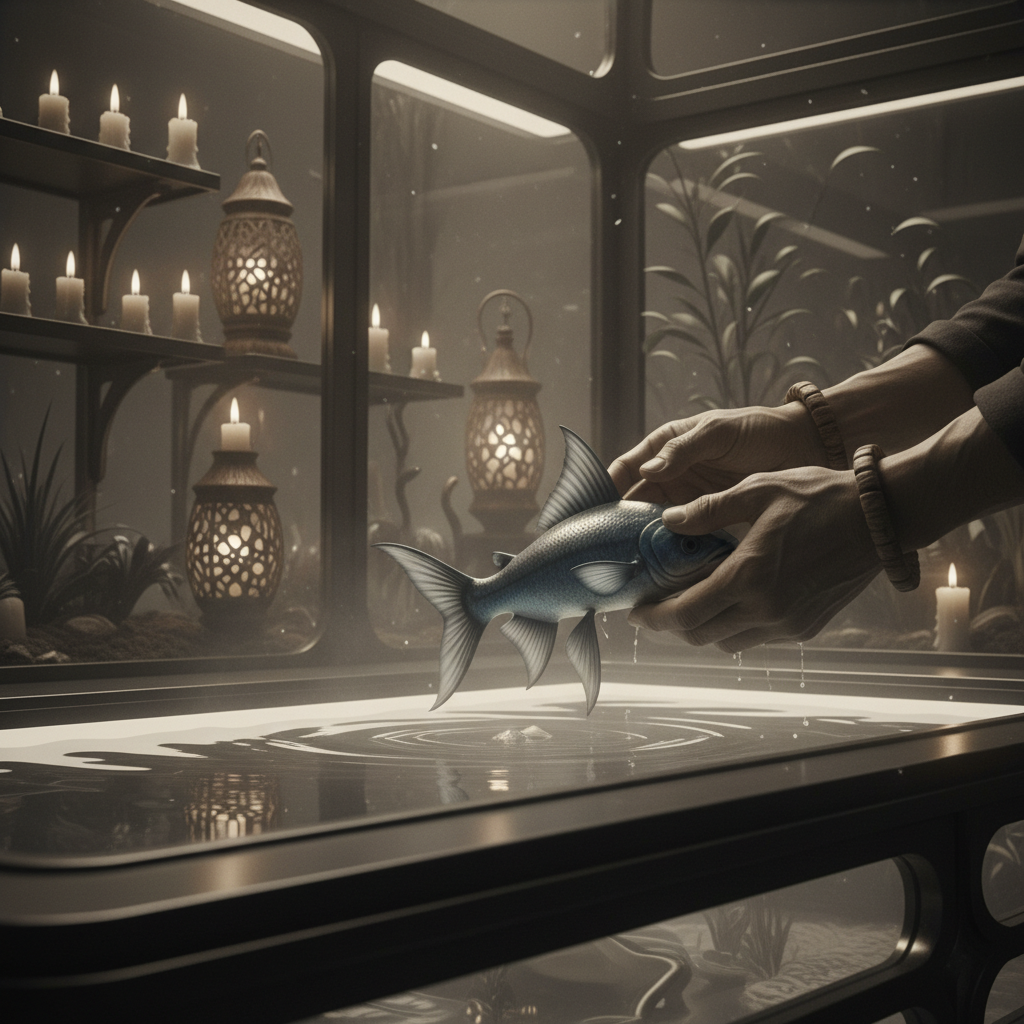
One important aspect of ethical angling is practicing catch and release responsibly. When releasing a fish, it’s crucial to handle it with care, minimizing the amount of time it’s out of the water and avoiding any unnecessary stress. Using barbless hooks can make it easier to remove the hook and reduce the risk of injury to the fish. It’s also important to revive the fish properly before releasing it, ensuring that it has enough oxygen to swim away strongly.
Another important aspect of ethical angling is respecting fishing regulations and limits. These regulations are designed to protect fish populations and ensure that they remain healthy and sustainable for future generations. Ignoring these regulations can have serious consequences, not only for the fish but also for the overall health of the aquatic ecosystem.
Sustainable Practices for Future Generations
Beyond catch and release and following regulations, there are many other ways that anglers can contribute to conservation efforts. These include supporting organizations that work to protect and restore aquatic habitats, participating in clean-up efforts to remove trash and debris from waterways, and educating others about the importance of responsible fishing practices.
Consider the timing of your fishing in relation to spawning seasons. Avoiding fishing during these critical periods ensures the reproductive success of fish populations.
Ultimately, ethical angling is about recognizing that we are all stewards of the environment and that we have a responsibility to protect it for future generations. By practicing responsible fishing techniques and supporting conservation efforts, we can ensure that the joy of fishing can be enjoyed for years to come.

In conclusion, while a powerful hookset is undoubtedly important, it’s just one piece of the puzzle. Perfect timing in fishing is a complex and multifaceted skill that requires knowledge, intuition, patience, and a deep understanding of fish behavior. By mastering the art of timing, you can transform yourself from a casual angler into a truly skilled and successful fisherman, while also contributing to the conservation of our precious aquatic resources. So, the next time you’re on the water, remember to pay attention to the subtle cues, trust your instincts, and strive for that perfect moment of synchronization – the moment when your actions align perfectly with the rhythm of the underwater world.