The Art of Calculated Risk in Sport Fishing
Sport fishing, at its core, is a game of calculated risks. It’s about weighing the odds, understanding the variables, and making decisions that maximize your chances of success. It’s not just about luck; it’s about strategy, knowledge, and the willingness to push your limits. The “hot fights” – those epic battles with trophy fish that every angler dreams of – are rarely won by accident. They are the result of “cool decisions” made under pressure, choices that separate the successful angler from the one who goes home empty-handed.
Think about it. Every cast is a risk. You’re betting that your presentation, your lure or fly, and your location are all aligned to entice a fish to strike. You’re risking spooking the fish if your cast is clumsy or your approach too aggressive. You’re risking losing your lure on a snag or breaking your line on a powerful run. But without taking those risks, you’ll never hook that fish of a lifetime. The key is to understand the risks involved and to minimize them where possible, while still maintaining the aggressiveness needed to trigger a strike.
But how do you develop the ability to make those “cool decisions” under pressure? How do you learn to assess risk effectively and choose the right course of action in the heat of the moment? It’s a combination of experience, knowledge, and a certain amount of intuition. Let’s delve deeper into the elements that contribute to the art of calculated risk in sport fishing.
Understanding the Environment
The first step in making informed decisions is to understand the environment you’re fishing in. This means more than just knowing the name of the lake or river. It means understanding the water temperature, the current flow, the structure of the bottom, the presence of vegetation, and the availability of food sources. All of these factors influence the behavior of the fish and the effectiveness of different fishing techniques.
For example, if you’re fishing a river with a strong current, you’ll need to choose a lure or fly that can handle the current without being swept away. You’ll also need to position yourself strategically to avoid spooking the fish and to maximize your chances of a good drift. If you’re fishing a lake with a lot of submerged vegetation, you’ll need to use weedless lures or techniques that allow you to fish effectively without getting snagged.
Consider the time of day and the weather conditions as well. Fish tend to be more active during certain times of the day, such as dawn and dusk, when the light is low and the temperature is cooler. Weather conditions like cloud cover, wind, and rain can also affect fish behavior. A sudden drop in temperature or a heavy rainstorm can shut down the bite, while a light breeze can create surface disturbance that makes it easier to approach the fish undetected.
Understanding the environment also means understanding the specific species of fish you’re targeting. Each species has its own unique preferences and behaviors. Some species prefer warm water, while others prefer cold water. Some species are ambush predators, while others actively hunt for their food. Knowing these preferences can help you choose the right techniques and locations to target specific species.
Mastering the Techniques
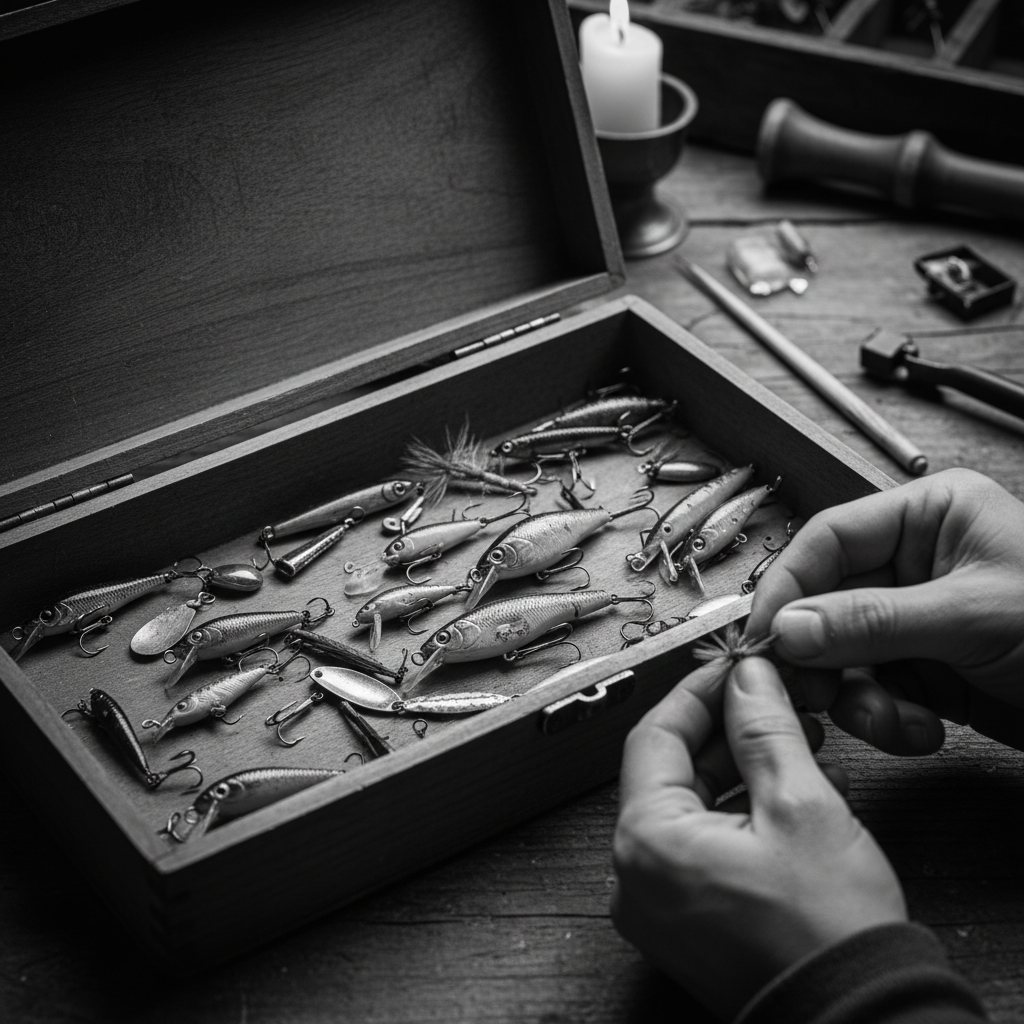
Once you understand the environment, the next step is to master the techniques needed to catch fish in that environment. This means learning how to cast accurately, how to present your lure or fly effectively, and how to fight a fish once it’s hooked. It also means understanding the different types of fishing gear and how to use them properly.
Casting accuracy is essential for targeting specific areas where fish are likely to be holding, such as near submerged logs, weed beds, or rocky outcrops. The ability to make long, accurate casts can also be crucial for covering a lot of water quickly and finding fish that are spread out. Practicing your casting technique on a regular basis can greatly improve your accuracy and distance.
Presentation is just as important as casting accuracy. The way you present your lure or fly can make all the difference between getting a strike and being ignored. For example, if you’re fishing a streamer for trout, you might want to use a dead-drift presentation, allowing the streamer to drift naturally with the current. Or, you might want to use a more aggressive presentation, stripping the streamer quickly through the water to trigger a reaction strike. The key is to experiment with different presentations and see what works best in the given conditions.
Fighting a fish is an art in itself. It requires a combination of skill, patience, and finesse. You need to be able to apply the right amount of pressure to keep the fish from running, without breaking your line or tiring the fish out too quickly. You also need to be able to anticipate the fish’s movements and react accordingly. Learning how to fight a fish effectively takes time and practice, but it’s well worth the effort. A poorly fought fish can easily break off or escape, leaving you with nothing but disappointment.
Reading the Signs
Experienced anglers develop a keen sense of observation. They learn to “read the signs” – to interpret subtle clues in the environment that can indicate the presence of fish. These signs can include things like baitfish activity, bird behavior, water clarity, and even the direction of the wind.
Baitfish activity is a telltale sign that predators are nearby. If you see schools of baitfish scattering or jumping out of the water, it’s a good indication that there are larger fish feeding on them. Bird behavior can also provide clues. If you see birds diving into the water repeatedly, it’s likely that they’re feeding on baitfish, which in turn could be attracting larger predators.
Water clarity can affect the visibility of your lure or fly and the depth at which fish are likely to be holding. In clear water, fish may be more wary and tend to hold deeper, while in murky water, they may be more aggressive and hold closer to the surface. The direction of the wind can also affect fish behavior. A wind blowing onshore can create a current that concentrates baitfish and attracts predators, while a wind blowing offshore can push baitfish out into deeper water.
Learning to read these signs can help you narrow down your search and focus your efforts on the most productive areas. It can also help you adjust your techniques and presentations to better match the conditions. The more observant you are, the more successful you’ll be as an angler.
The Psychology of Risk: Staying Calm Under Pressure
Beyond the technical aspects of fishing, there’s a crucial psychological element to making “cool decisions” in “hot fights.” It’s about staying calm under pressure, managing your emotions, and maintaining a clear head when the adrenaline is pumping. This is often the hardest part for anglers, especially when they’re hooked into a truly exceptional fish.
Have you ever felt your hands shaking, your heart racing, and your mind going blank when you hooked a big fish? It’s a natural reaction, but it can also lead to mistakes. Anglers often make rash decisions in these situations, such as tightening the drag too much, jerking the rod too hard, or trying to horse the fish in too quickly. These mistakes can easily result in a broken line or a lost fish.
The key to staying calm under pressure is to practice mindfulness and develop a routine. Mindfulness involves focusing on the present moment and accepting your emotions without judgment. This can help you stay grounded and avoid getting carried away by excitement or fear. A routine involves having a set of procedures that you follow automatically when you hook a fish. This can include things like setting the hook firmly, adjusting the drag, and maintaining a consistent angle on the rod. By following a routine, you can avoid making impulsive decisions and increase your chances of landing the fish.
Visualization can also be a powerful tool for managing your emotions. Before you start fishing, take a few minutes to visualize yourself hooking and landing a big fish. Imagine how you’ll react, what you’ll do, and how you’ll stay calm and focused. This can help you prepare yourself mentally for the experience and reduce your anxiety when it actually happens.
Embracing Failure as a Learning Opportunity
Even the most experienced anglers lose fish. It’s an inevitable part of the sport. The key is to learn from your mistakes and use them as opportunities to improve. Don’t dwell on your failures, but rather analyze what went wrong and what you could have done differently. Did you use the wrong gear? Did you make a mistake in your presentation? Did you fail to set the hook properly? By identifying your weaknesses, you can focus your efforts on improving them.
It’s also important to remember that fishing is not just about catching fish. It’s about enjoying the experience, appreciating the beauty of nature, and challenging yourself to improve. Even if you don’t catch a single fish, you can still have a rewarding day on the water. The process of learning, experimenting, and overcoming challenges is what makes sport fishing so engaging and fulfilling.
Case Studies: Cool Decisions in Action
Let’s examine some real-world examples of how “cool decisions” can lead to success in sport fishing. These case studies illustrate the importance of risk assessment, strategic thinking, and emotional control in different fishing scenarios.
Case Study 1: The Stubborn Muskie
An angler was fishing for muskie on a large, weedy lake. He had been casting a large bucktail spinner for hours without a single strike. The sun was beginning to set, and he was feeling discouraged. Most anglers would have called it a day, chalking it up to tough conditions. But this angler decided to try something different. He switched to a smaller, more subtle lure – a crankbait that resembled a wounded baitfish. He also slowed down his retrieve, allowing the crankbait to wobble enticingly through the weeds. On his very first cast with the crankbait, he hooked a massive muskie. The fish immediately took off on a blistering run, stripping line off his reel. The angler remained calm, adjusting his drag and keeping a steady pressure on the fish. After a grueling 20-minute battle, he finally landed the muskie – a true trophy. The “cool decision” to change lures and slow down his retrieve paid off big time.
Case Study 2: The Elusive Bonefish
An angler was flats fishing for bonefish in the Bahamas. He had been wading for hours in the hot sun, scanning the crystal-clear water for signs of fish. Bonefish are notoriously skittish, and they can be difficult to approach without spooking them. The angler spotted a small school of bonefish feeding on the bottom. He knew that he had to make a perfect cast to have any chance of hooking one. He took a deep breath, calmed his nerves, and made a long, accurate cast, landing his fly just a few feet in front of the lead fish. He allowed the fly to sink to the bottom, then gave it a subtle twitch. A bonefish darted forward and inhaled the fly. The angler set the hook firmly and held on tight as the bonefish took off on a blistering run. After a thrilling battle, he landed the bonefish – a beautiful, silver ghost of the flats. The “cool decision” to remain calm and make a precise cast was the key to his success.
Case Study 3: The Raging River Salmon
An angler was fishing for salmon in a fast-flowing river. The water was high and muddy, making it difficult to see the fish. He was using a heavy spoon and casting it into the strongest currents, hoping to intercept a migrating salmon. He hooked a large salmon that immediately began heading downstream. The angler knew that if he allowed the salmon to run too far, it would be impossible to land it. He made a bold decision to tighten his drag significantly and put maximum pressure on the fish. The salmon fought fiercely, but the angler held his ground, slowly gaining line. After a long and arduous battle, he finally managed to bring the salmon to shore. The “cool decision” to risk breaking his line in order to prevent the salmon from running downstream ultimately paid off.
These case studies demonstrate that there’s no single formula for success in sport fishing. The best approach depends on the specific circumstances. However, the common thread that runs through all of these examples is the ability to assess risk effectively, make strategic decisions, and remain calm under pressure. These are the qualities that separate the successful angler from the rest.

Developing Your Fishing Intuition
While knowledge and experience are essential, there’s also an element of intuition involved in making “cool decisions” in sport fishing. Intuition is that gut feeling, that sense of knowing what to do without consciously thinking about it. It’s the result of years of experience and observation, combined with a natural aptitude for the sport.
How do you develop your fishing intuition? It’s not something that you can learn overnight. It takes time, patience, and a willingness to experiment. Start by paying attention to your instincts. When you have a gut feeling about something, follow it. Even if it doesn’t work out, you’ll learn something from the experience.
Also, try to analyze your successes and failures. What did you do right when you caught a fish? What did you do wrong when you lost one? By understanding the reasons behind your successes and failures, you can refine your intuition and make better decisions in the future. Don’t be afraid to try new things and experiment with different techniques. The more you experiment, the more you’ll learn about what works and what doesn’t.
Spend as much time on the water as possible. The more time you spend fishing, the more you’ll learn about the environment, the fish, and yourself. You’ll start to notice patterns and trends that you might not have seen before. You’ll develop a deeper understanding of the sport and a keener sense of intuition.
Finally, trust your instincts. Don’t second-guess yourself too much. If you have a strong feeling about something, go with it. Even if it turns out to be wrong, you’ll still learn something from the experience. The more you trust your instincts, the stronger your intuition will become.
The Ethical Angler: Risk and Responsibility
Making “cool decisions” in sport fishing isn’t just about maximizing your chances of catching fish. It’s also about acting responsibly and ethically, minimizing your impact on the environment, and respecting the fish you’re targeting. Ethical angling involves understanding the risks associated with your actions and taking steps to mitigate them.
For example, if you’re fishing in a fragile ecosystem, such as a coral reef, you need to be careful not to damage the environment. Avoid anchoring in sensitive areas, use biodegradable fishing line, and dispose of your trash properly. If you’re fishing for a threatened or endangered species, you need to be especially careful to handle the fish gently and release it quickly. Use barbless hooks to minimize injury, and avoid keeping any fish that are not in good condition.
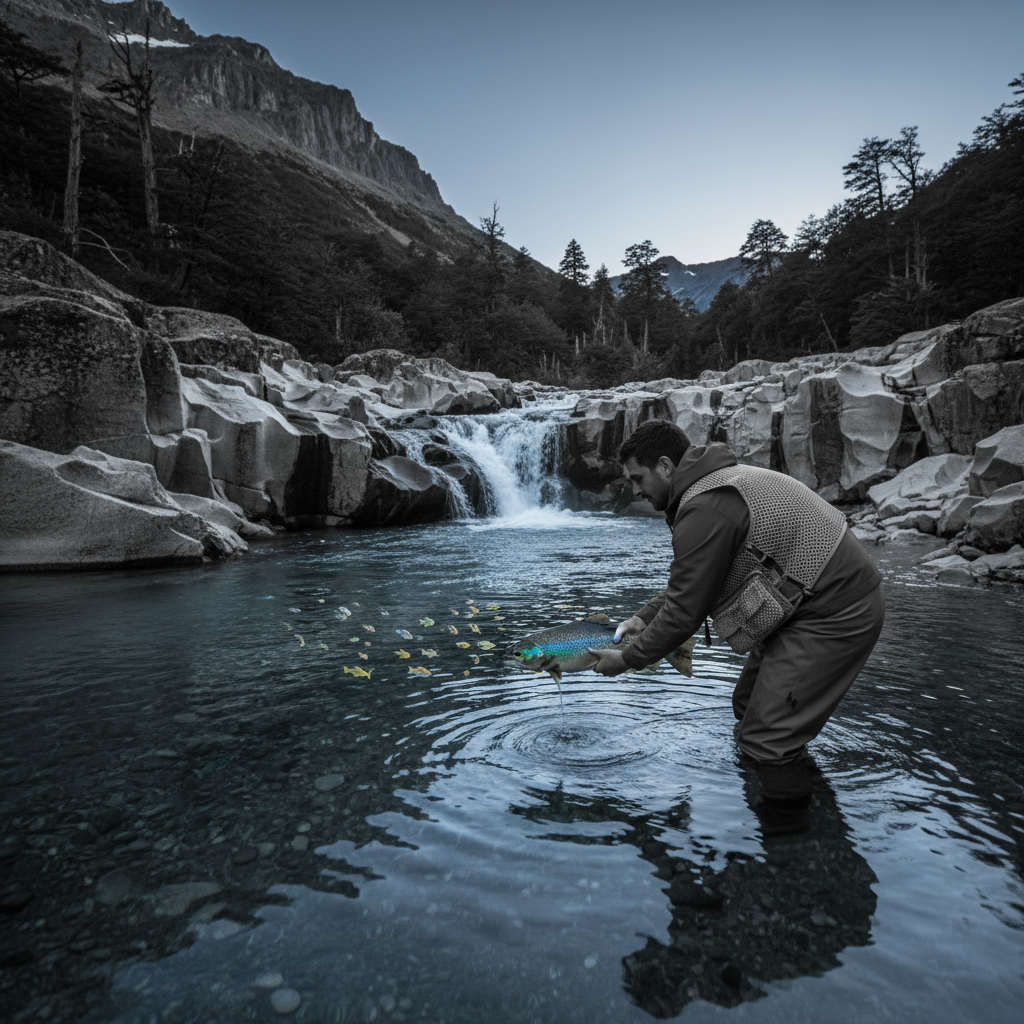
Practicing catch and release is an important part of ethical angling. Catch and release allows you to enjoy the thrill of catching a fish without harming the population. However, it’s important to practice catch and release properly to minimize the stress on the fish. Use the appropriate tackle, fight the fish quickly, and handle it gently. Revive the fish before releasing it, and avoid taking it out of the water for too long.
By practicing ethical angling, you can help ensure that future generations will have the opportunity to enjoy the sport of fishing. It’s about being a responsible steward of the environment and respecting the fish we’re targeting.
Ultimately, the ability to make “cool decisions” in “hot fights” is what separates the good angler from the great. It’s a combination of knowledge, experience, intuition, and emotional control. It’s about understanding the risks involved and making choices that maximize your chances of success while minimizing your impact on the environment. It’s a skill that can be developed over time with practice and dedication. So, get out there, explore new waters, and challenge yourself to become a better angler. Remember that every cast is a learning opportunity, and every fish is a chance to test your skills and your resolve. And most importantly, enjoy the journey.