The Initial Strike: More Than Just a Bite
We’ve all been there, haven’t we? That heart-stopping moment when the line goes tight, the reel screams, and you know you’re connected to something significant beneath the surface. The initial strike, the hook setting – it’s the adrenaline-fueled prologue to a potentially epic tale. But let’s be honest, hooking the fish is only half the battle, maybe even less than that. It’s the fight, the subsequent struggle, that truly tests an angler’s skill, patience, and resolve.
Think of it like this: the hookset is the opening paragraph of a gripping novel. It grabs your attention, introduces the central conflict, and hints at the possibilities to come. But a great opening doesn’t guarantee a great story. The meat of the narrative, the twists and turns, the character development – that all happens in the chapters that follow. Similarly, the fight after the hookset is where the real story of the catch unfolds.
Beyond the Initial Excitement: Preparing for War
Experienced anglers understand that the seconds after the hook is set are crucial for assessing the situation and formulating a plan. Is it a powerful, surging fish likely to make long runs? Or is it a dogged, bottom-dwelling bruiser that will try to bury itself in structure? Recognizing the adversary’s likely tactics is key to choosing the right strategy. Are you fishing in open water or near a reef or submerged trees? The environment dictates your approach.
Take, for example, targeting marlin offshore. The initial strike is a violent explosion of energy, a brief glimpse of a massive fish leaping from the water. But what follows is a grueling tug-of-war that can last for hours, demanding every ounce of strength and stamina from the angler. The initial hookset is just a promise; the fight is the fulfillment (or the denial) of that promise.
The Art of the Fight: Technique and Finesse
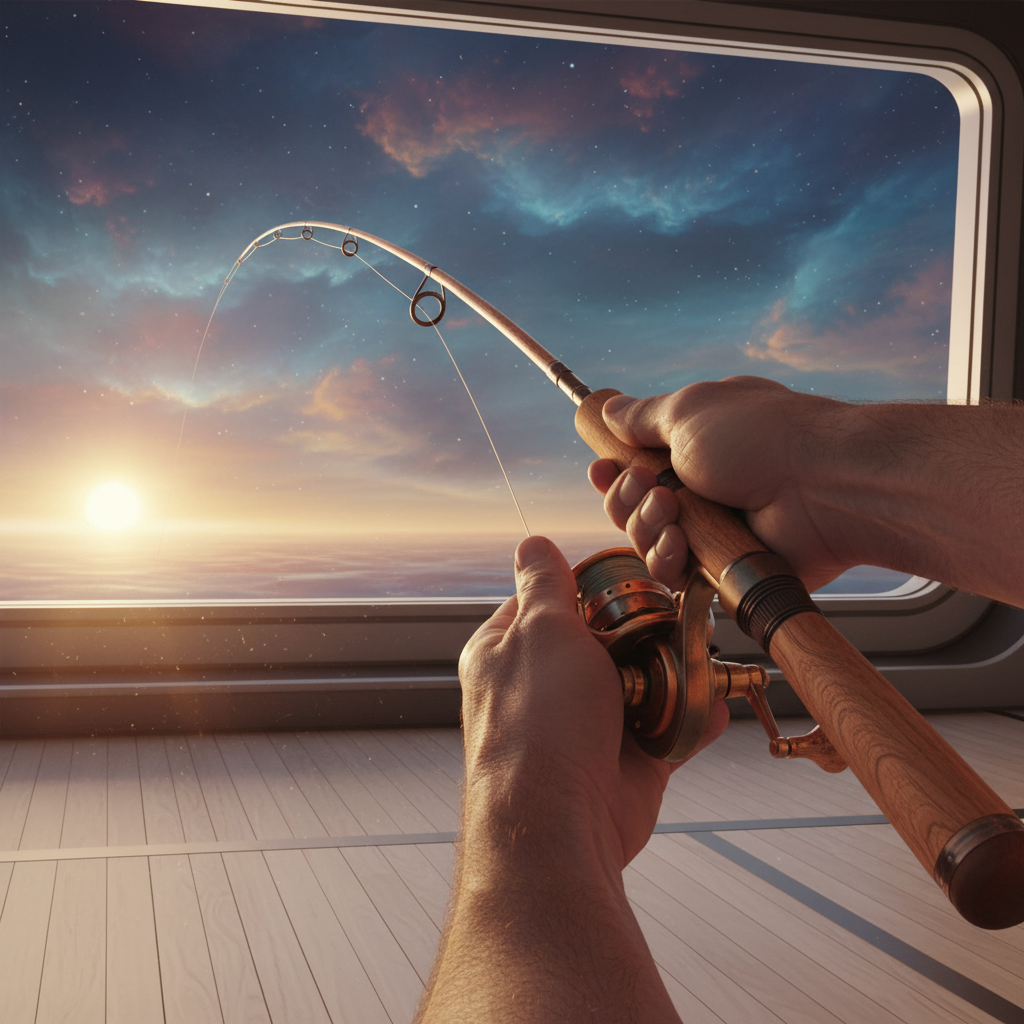
Fighting a fish isn’t just about brute strength. It’s a delicate dance between power and finesse, a constant adjustment of pressure and angle. There’s an art to using the rod’s action to tire the fish, to coax it away from structure, and to slowly but surely gain line. It’s about understanding the physics of leverage and the psychology of the fish.
One crucial technique is “high-sticking,” raising the rod tip to its maximum angle to apply maximum pressure. However, overdoing it can lead to a broken rod or a pulled hook. Knowing the limits of your equipment and the breaking strength of your line is paramount. Another important skill is maintaining consistent pressure. Allowing the fish to rest or gain slack in the line can give it an opportunity to escape. Short, controlled pumps of the rod, combined with reeling in the slack, are often more effective than trying to muscle the fish in.
Understanding Drag Settings: Your Silent Partner
The drag on your reel is your silent partner in the fight. It’s the adjustable braking system that allows the fish to run without breaking the line. Setting the drag correctly is essential. Too loose, and the fish can run indefinitely, never tiring. Too tight, and the line is likely to snap under pressure. The ideal drag setting depends on the size and species of fish you’re targeting, as well as the breaking strength of your line. A general rule of thumb is to set the drag to about one-third of the line’s breaking strength. However, this is just a starting point. You may need to adjust it during the fight, depending on the fish’s behavior.
Think about fighting a powerful tuna. These fish are notorious for their blistering runs. A properly set drag allows the tuna to burn off energy without immediately breaking the line. As the tuna tires, you can gradually increase the drag to gain line and bring it closer to the boat. But you always have to be mindful of the line’s breaking point and be ready to back off the drag if the fish makes another surge.
Mental Fortitude: The Unsung Hero
Beyond the physical demands and technical skills, fighting a fish also requires mental fortitude. It can be a long, grueling process, filled with moments of doubt and frustration. There will be times when you feel like you’re making no progress, when the fish seems to be pulling you instead of the other way around. It’s in these moments that your mental strength is truly tested.
Staying focused and maintaining a positive attitude are crucial. Remind yourself of your goal, visualize success, and don’t let negative thoughts creep in. It’s also important to remain calm and avoid making rash decisions. Panicking can lead to mistakes, such as tightening the drag too much or trying to horse the fish in. Remember to breathe, stay patient, and trust your instincts.
Consider the experience of kayak anglers who often target large fish. They’re essentially tethered to their quarry in a small, unstable vessel. The fight becomes a ballet of sorts, where the angler must anticipate the fish’s movements and use their body weight to counter its surges. This demands not only physical strength but also exceptional mental focus and composure. One wrong move and you could be swimming.

Adapting to the Unexpected: Thinking on Your Feet
No two fish fights are ever exactly the same. Each fish has its own unique personality and fighting style. And the conditions are constantly changing – the current, the wind, the tide, even the position of the sun. Successful anglers are able to adapt to these unexpected variables and adjust their tactics accordingly.
If the fish is running towards structure, you may need to apply more pressure to turn it around. If the wind is pushing you closer to a reef, you may need to use the trolling motor to reposition the boat. If the sun is glaring in your eyes, you may need to adjust your angle to see the fish better. The key is to stay aware of your surroundings and be prepared to make quick decisions.
Imagine you’re fighting a powerful snook around mangrove roots. These fish are notorious for their ability to dart into the tangled roots and break you off. To prevent this, you need to apply maximum pressure from the moment you hook it, trying to pull it away from the mangroves before it has a chance to escape. This requires a combination of brute strength and precise boat positioning.
The Importance of Observation: Reading the Fish’s Signals
Paying close attention to the fish’s behavior can provide valuable clues about its condition and intentions. Is it making short, powerful runs, or long, steady pulls? Is it staying deep, or coming closer to the surface? Is it shaking its head, or swimming in circles? These are all signals that can help you anticipate its next move and adjust your strategy.
For example, a fish that is shaking its head violently is often trying to dislodge the hook. In this case, you may want to ease off the pressure slightly to avoid pulling the hook free. A fish that is swimming in circles may be disoriented or tired. This could be a good time to apply more pressure and try to bring it in.
The Endgame: Bringing It Home
As the fish tires, the final stage of the fight begins. This is often the most nerve-wracking part, as the fish is close enough to see, but still capable of making a last-ditch effort to escape. It’s important to remain patient and avoid rushing things. Keep a steady strain on the line and be ready to react to any sudden surges.
Bringing the fish alongside the boat requires precision and control. Use the rod to guide it into position and be prepared to use a net or gaff. If you’re planning to release the fish, handle it with care and minimize the time it spends out of the water. Use wet hands to avoid removing its protective slime, and remove the hook as quickly and gently as possible.
Think about the challenge of landing a large tarpon. These fish are incredibly strong and acrobatic, and they often make spectacular jumps near the boat. The key is to keep the rod tip low and avoid giving them any slack. As the tarpon tires, you can slowly bring it alongside the boat and use a specialized lip-gripping device to secure it. But even then, you have to be ready for a sudden burst of energy. These fish are masters of escape, right up until the very end.

The Ethics of the Fight: Respecting the Resource
While the thrill of the fight is a significant part of sport fishing, it’s important to remember that we are interacting with a living creature. Practicing ethical angling techniques is crucial for ensuring the sustainability of our fisheries. This includes using appropriate tackle, minimizing fight times, and handling fish with care, especially if you plan to release them.
Consider using circle hooks, which are designed to hook fish in the corner of the mouth, making them easier to remove. Avoid using treble hooks, which can cause more damage. When fighting a fish, try to land it as quickly as possible to minimize stress. If you’re fishing in a tournament, follow the rules regarding catch and release, and be mindful of the impact your actions have on the fish population.
The True Reward: More Than Just a Photo
In today’s world, it’s easy to get caught up in the pursuit of the perfect photo, the trophy shot that will impress your friends on social media. But the true reward of fishing lies in the experience itself – the connection with nature, the challenge of the fight, and the satisfaction of overcoming adversity. The photograph is just a memento; the memory of the battle is what truly endures.
Think back to your most memorable catches. What stands out in your mind? Is it the size of the fish, or the beauty of the location? Or is it the feeling of the line tightening, the adrenaline pumping, and the intense concentration required to outwit your opponent? It’s these moments, the trials and tribulations of the fight, that define the essence of sport fishing.
So, the next time you hook a fish, remember that the real challenge has just begun. Embrace the fight, learn from your mistakes, and respect the resource. Because in the end, it’s not just about catching fish; it’s about the journey, the struggle, and the connection we forge with the natural world. That is a prize worth far more than any trophy.