Unlocking the Angler’s Advantage: Smart Fishing Technologies
For generations, the art of fishing has been passed down through families, relying on intuition, experience, and a deep understanding of the natural world. But in today’s rapidly evolving technological landscape, a new era of fishing is dawning – one where smart gadgets and data-driven insights are transforming the way we approach the sport. Are we losing something essential in this transition, or are we simply evolving, becoming more effective and sustainable anglers?
Smart fishing isn’t about replacing the traditional skills and knowledge that have always been crucial to success. Instead, it’s about augmenting those skills, providing anglers with tools that enhance their understanding of the aquatic environment and improve their chances of landing that prized catch. It’s about making informed decisions, leveraging technology to unlock secrets that were once hidden beneath the surface.
The Rise of Smart Fishing Gear
The market for smart fishing gear is booming, with a plethora of gadgets and technologies vying for the attention of anglers. From sonar fish finders and GPS-enabled trolling motors to smart rods and reels that track casting distance and retrieve speed, the options can seem overwhelming. But beneath the marketing hype, there lies a genuine opportunity to improve your fishing game.
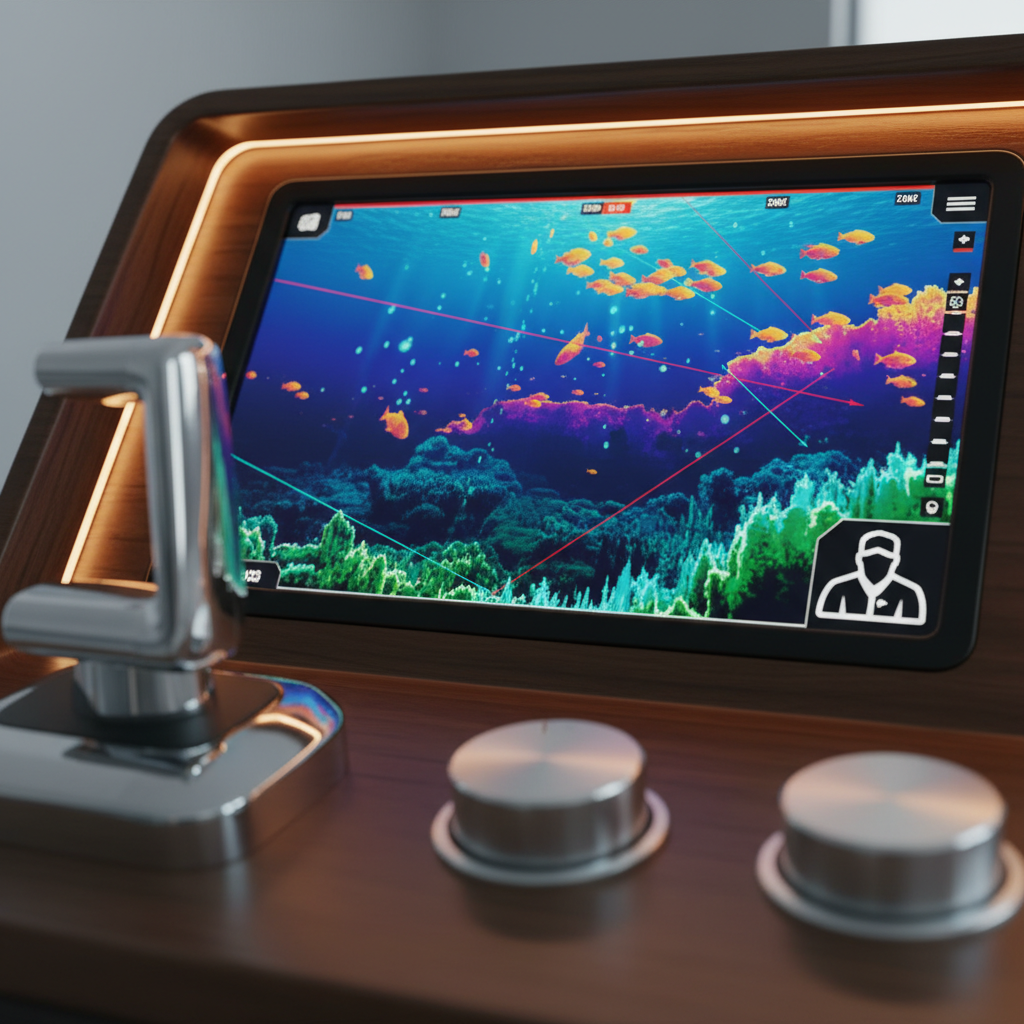
Consider the modern fish finder. No longer are these devices limited to simply displaying basic depth readings. Today’s advanced fish finders utilize sophisticated sonar technology to create detailed underwater maps, identify fish species, and even distinguish between different types of underwater structure. This allows anglers to target specific areas with a higher probability of success, saving time and fuel in the process. Imagine being able to see, in real-time, a school of bass lurking near a submerged log – that’s the power of smart fishing.
Smart Rods and Reels: Feel the Future
While sonar technology has undoubtedly revolutionized fishing, the development of smart rods and reels represents another significant leap forward. These innovative devices are equipped with sensors that track a variety of parameters, including casting distance, retrieve speed, line tension, and even the type of lure being used. This data is then transmitted to a smartphone or tablet, providing anglers with a wealth of information that can be used to analyze their technique and improve their performance.
For example, a smart rod might record that you consistently cast further with a particular lure, or that you achieve a higher hook-up rate when retrieving at a specific speed. This feedback allows you to fine-tune your approach, identify patterns, and ultimately become a more consistent and effective angler. It’s like having a personal fishing coach analyzing your every move.
Furthermore, some smart reels are even capable of automatically adjusting the drag based on the size and fighting ability of the fish. This can be particularly useful when targeting large or powerful species, as it helps to prevent line breaks and ensures a smoother, more controlled fight.
Decoding the Data: Turning Information into Action
The sheer volume of data generated by smart fishing gear can be overwhelming. But the key to unlocking the true potential of these technologies lies in understanding how to interpret and apply that data effectively. It’s not enough to simply collect information; you need to be able to turn that information into actionable insights.
For instance, imagine you’re using a fish finder to map a new fishing spot. The device reveals a series of submerged humps and ledges that appear to be holding fish. However, you also notice that the water temperature varies significantly across these different structures. By cross-referencing this temperature data with your knowledge of fish behavior, you can predict which areas are most likely to be productive at different times of the day. Perhaps the fish will congregate on the warmer humps in the morning, before moving to the cooler ledges in the afternoon.
Leveraging Environmental Sensors
Beyond fish finders and smart rods, a variety of other environmental sensors can provide valuable insights into the aquatic environment. Water temperature sensors, pH meters, and dissolved oxygen meters can all help you to understand the conditions that are most favorable for fish activity. This information can be particularly useful when fishing in unfamiliar waters, or when trying to adapt to changing environmental conditions.
For example, a sudden drop in water temperature can often trigger a feeding frenzy, as fish become more active in anticipation of colder weather. By monitoring water temperature in real-time, you can be prepared to capitalize on these opportunities. Similarly, understanding the pH levels of the water can help you to choose the right lures and baits, as certain species are more attracted to acidic or alkaline conditions.

The Power of GPS and Mapping
GPS technology has become an indispensable tool for modern anglers. GPS-enabled devices allow you to mark productive fishing spots, navigate unfamiliar waters, and track your movements with precision. But the true power of GPS lies in its ability to create detailed maps of your favorite fishing locations.
By combining GPS data with sonar readings, you can generate highly accurate bathymetric maps that reveal the underwater topography in stunning detail. These maps can be used to identify subtle changes in depth, locate submerged structures, and even track the movement of fish over time. Imagine being able to see a 3D representation of the lake you’re fishing on, with all the humps, ledges, and drop-offs clearly marked. That’s the power of GPS mapping.
Ethical Considerations and Sustainable Fishing
While smart fishing technologies offer a wealth of benefits, it’s important to consider the ethical implications of their use. Are we becoming too reliant on technology, losing touch with the traditional skills and knowledge that have always been central to the art of fishing? Are we using these tools responsibly, or are we simply maximizing our catch at the expense of the fish population?
The answer, of course, lies in striking a balance. Smart fishing technologies should be used to enhance our understanding of the aquatic environment, not to exploit it. We should strive to use these tools in a way that promotes sustainable fishing practices, ensuring that future generations will have the opportunity to enjoy the sport we love.
Practicing Selective Harvesting
One of the most important ethical considerations is the practice of selective harvesting. This involves targeting specific species or sizes of fish, while releasing others unharmed. Smart fishing technologies can be invaluable tools for selective harvesting, allowing you to identify and target specific types of fish with greater precision.
For example, you might use a fish finder to identify a school of large, mature fish, while avoiding areas where smaller, juvenile fish are present. Or you might use a specific type of lure that is known to attract only certain species. By practicing selective harvesting, you can help to ensure that the fish population remains healthy and sustainable.

Minimizing Environmental Impact
Another important ethical consideration is minimizing our environmental impact. This involves taking steps to reduce our carbon footprint, avoid polluting the water, and protect sensitive habitats. Smart fishing technologies can help us to achieve these goals in a number of ways.
For example, GPS-enabled trolling motors can be used to navigate precisely and efficiently, reducing fuel consumption and minimizing disturbance to the aquatic environment. Water quality sensors can be used to monitor pollution levels and identify potential threats to fish populations. And sonar technology can be used to avoid damaging sensitive habitats, such as coral reefs or seagrass beds.
Case Studies: Smart Fishing in Action
To illustrate the power of smart fishing technologies, let’s take a look at a few real-world case studies. These examples demonstrate how anglers are using these tools to improve their fishing success, protect the environment, and promote sustainable fishing practices.
Case Study 1: Tournament Fishing
Professional bass fisherman, Mark Davis, is a firm believer in the power of technology. He uses a combination of sonar, GPS, and water temperature sensors to locate and target bass during tournaments. He meticulously analyzes the data he collects, looking for patterns and trends that might give him an edge over the competition. In one particular tournament, Davis used his fish finder to identify a series of submerged brush piles that were holding bass. He then used his GPS to mark these locations and return to them throughout the day. By carefully monitoring the water temperature, he was able to predict when the bass would be most active, and he adjusted his fishing strategy accordingly. As a result, Davis won the tournament and took home the top prize.
Case Study 2: Coastal Conservation
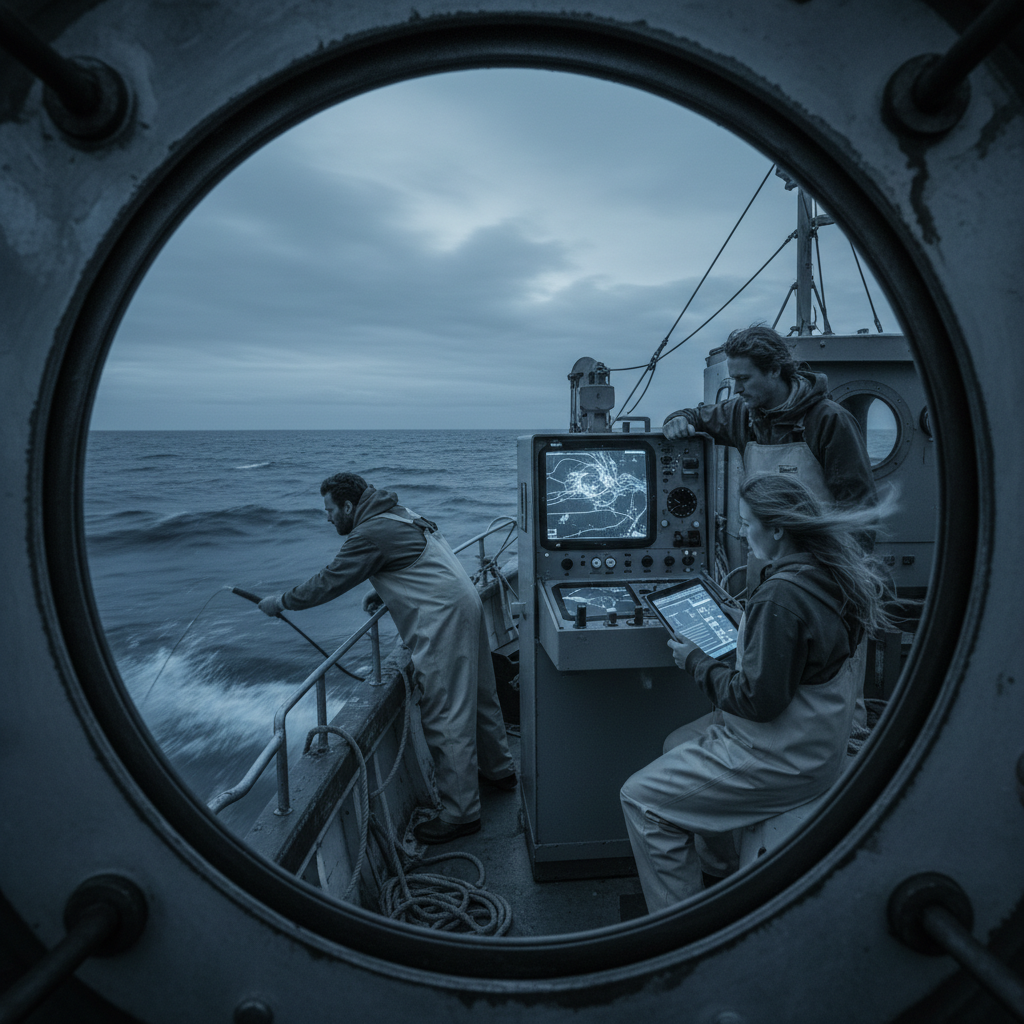
A group of marine biologists in Florida are using smart fishing technologies to monitor the health of the local fish population and protect sensitive coastal habitats. They have equipped a fleet of small boats with sonar, GPS, and water quality sensors, and they use these tools to collect data on fish abundance, water quality, and habitat conditions. This data is then used to identify areas that are in need of protection and to develop strategies for restoring damaged habitats. For example, they have used sonar technology to map the extent of seagrass beds, which are important nurseries for many species of fish. They have also used water quality sensors to identify sources of pollution that are harming the fish population. As a result of their efforts, the marine biologists have been able to improve the health of the local fish population and protect valuable coastal habitats.
Case Study 3: Recreational Angling
Avid recreational angler, Sarah Miller, uses smart fishing technologies to enhance her fishing experience and improve her catch rate. She uses a fish finder to locate fish and identify underwater structure, and she uses a smart rod to track her casting distance and retrieve speed. She also uses a smartphone app to log her catches and track her fishing progress over time. By analyzing this data, Miller has been able to identify her strengths and weaknesses as an angler, and she has developed a more effective fishing strategy. For example, she has learned that she is more successful when fishing with a particular type of lure in certain water conditions. As a result, Miller has become a more consistent and successful angler, and she enjoys her time on the water even more.
The Future of Fishing: A Technological Frontier
As technology continues to advance, the future of fishing is likely to be even more data-driven and technologically advanced. We can expect to see the development of even more sophisticated sensors, more powerful data analytics tools, and more intuitive user interfaces. Imagine a future where anglers can use augmented reality glasses to see a 3D representation of the underwater environment, complete with real-time information on fish location, water temperature, and other key parameters. Or a future where artificial intelligence algorithms can analyze vast amounts of data to predict fish behavior and recommend the best fishing strategies.
The possibilities are endless, but it’s important to remember that technology is just a tool. It’s up to us to use it responsibly and ethically, to ensure that the sport of fishing remains sustainable and enjoyable for generations to come. The key is to embrace the advancements, learn from the data, and never lose sight of the core values that make fishing such a rewarding and meaningful activity: a connection to nature, a respect for the environment, and a passion for the pursuit.