The Allure of the Analog: Why Fishing Transcends Technology
Fishing. The very word conjures images of quiet contemplation, of man (or woman) versus nature, of a connection to something ancient and primal. It’s about patience, observation, and a deep understanding of the rhythms of the natural world. For many, it’s an escape from the relentless digital noise of modern life, a chance to unplug and reconnect with the earth.
But what happens when we introduce technology into this sacred space? What happens when the serene quiet is punctuated by the beeps and buzzes of gadgets promising to enhance our fishing experience? Does the allure of the analog fade, replaced by the cold efficiency of the digital?
The answer, as with most things in life, is nuanced. Technology, when used thoughtfully, can actually enhance our understanding of the natural world and improve our fishing skills. The key, however, lies in maintaining a balance, in using gadgets as tools rather than allowing them to dictate our experience. It’s about leveraging technology to deepen our connection to fishing, not to replace it.
This isn’t just about being a purist versus an early adopter. It’s about recognizing what truly makes fishing special and ensuring that technology complements, rather than compromises, those core values. Is the goal to simply catch more fish, or to cultivate a deeper appreciation for the art and science of fishing? The answer to that question will largely determine how effectively – and responsibly – we integrate technology into our angling pursuits.
Navigating the Gadget Galaxy: Choosing Tools Wisely
The market is flooded with fishing gadgets, each promising to revolutionize your angling game. From fish finders that paint a detailed picture of the underwater world to smart lures that mimic the movements of live bait, the options can be overwhelming. But before you empty your wallet on the latest and greatest tech, it’s crucial to ask yourself: what problem am I trying to solve?
Consider the different types of fishing you engage in. A sonar device might be invaluable for offshore fishing, allowing you to identify underwater structures and locate schools of fish. But it would be completely unnecessary, and perhaps even detrimental, to the experience of fly fishing in a clear mountain stream. Similarly, a GPS-enabled fish finder could be a game-changer for navigating vast lakes, but overkill for a small, familiar pond.
Here’s a breakdown of some common fishing gadgets and how to assess their value:
* **Fish Finders/Sonars:** These devices use sound waves to create an image of what’s beneath the surface. They can reveal the depth, temperature, and structure of the water, as well as the presence of fish. The key consideration is the type of water you typically fish in. Smaller, portable sonars are ideal for kayaks and small boats, while more powerful units are better suited for larger vessels.
* **GPS Devices:** GPS can be invaluable for marking productive fishing spots, navigating unfamiliar waters, and tracking your movements. Handheld GPS units are popular among anglers who fish from shore, while boat-mounted units offer more advanced features like chart plotting and waypoint management.
* **Weather Meters:** Understanding weather patterns is crucial for successful fishing. Weather meters provide real-time data on wind speed, temperature, humidity, and barometric pressure, allowing you to make informed decisions about where and how to fish.
* **Underwater Cameras:** These cameras allow you to see what’s happening beneath the surface in real-time. They can be useful for identifying fish species, assessing bait presentation, and understanding underwater structure. However, they can also be disruptive to fish behavior, so use them sparingly.
* **Smart Lures:** These lures incorporate electronic components to mimic the movements and vibrations of live bait. While they can be effective in certain situations, they are often expensive and require careful maintenance.
The most important thing is to avoid succumbing to the hype. Don’t buy a gadget just because it’s new or trendy. Instead, focus on identifying the specific areas where technology can genuinely enhance your fishing experience.
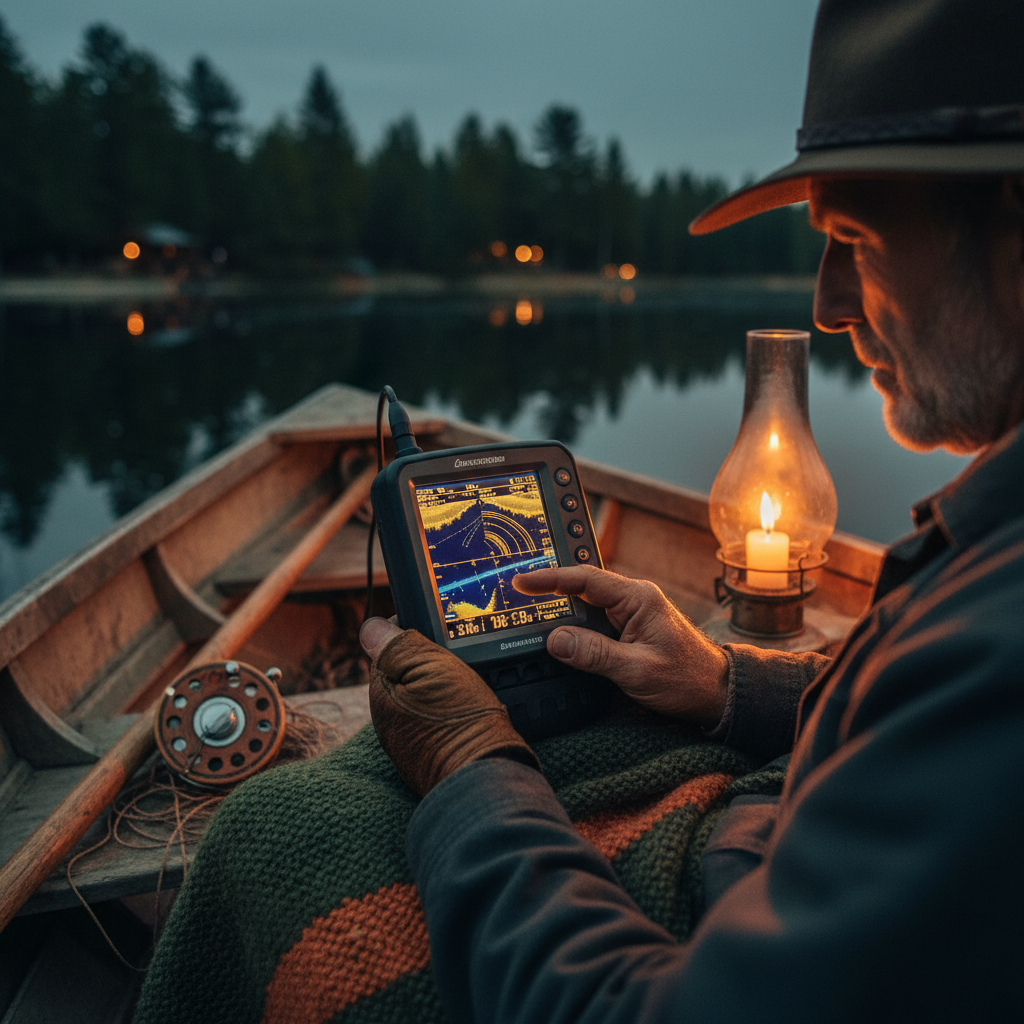
Case Study: The Fly Fisherman and the Hydrostatic Scale
Consider the traditional art of fly fishing. For many, it’s about the delicate dance between angler and trout, about the careful selection of flies that mimic the natural insects on which the fish feed. It’s a sport steeped in history and tradition, often seen as the antithesis of technology.
But even fly fishermen can benefit from the judicious use of gadgets. Imagine a fly fisherman who is consistently struggling to match the hatch – to identify the exact insects that the trout are feeding on. A small, portable hydrostatic scale can be used to weigh the insects collected from the water, providing valuable information about their size and density. This information can then be used to select the appropriate fly pattern, increasing the angler’s chances of success.
In this case, technology is not replacing the traditional skills of fly fishing, but rather enhancing them. The angler still needs to be able to identify insects, understand trout behavior, and cast a fly with precision. But the hydrostatic scale provides an additional layer of information that can help them make more informed decisions.
Preserving the Essence: Maintaining the Human Connection
The biggest risk of relying too heavily on technology is that it can disconnect us from the fundamental joys of fishing. We can become so focused on the data on our screens that we lose sight of the beauty of the natural world around us. We can become so obsessed with catching more fish that we forget to appreciate the simple pleasure of spending time outdoors.
To avoid this trap, it’s essential to be mindful of how we are using technology. Here are some tips for maintaining the human connection while still leveraging the benefits of gadgets:
* **Disconnect Regularly:** Set aside time during your fishing trips to disconnect from your devices. Turn off your phone, put away your fish finder, and simply enjoy the peace and quiet of nature.
* **Focus on Observation:** Before relying on your gadgets, take the time to observe the environment around you. Pay attention to the weather, the water conditions, and the behavior of the fish.
* **Learn Traditional Skills:** Don’t let technology replace your traditional fishing skills. Learn how to tie knots, read the water, and identify fish species.
* **Share Your Knowledge:** Teach others about fishing, both the traditional aspects and the responsible use of technology.
* **Respect the Environment:** Always practice responsible fishing techniques and leave the environment as you found it.
Fishing is more than just a sport; it’s a connection to nature, a test of skill, and a source of peace and tranquility. Technology can enhance this experience, but it should never replace it.
The Ethical Angler: Responsible Use of Technology
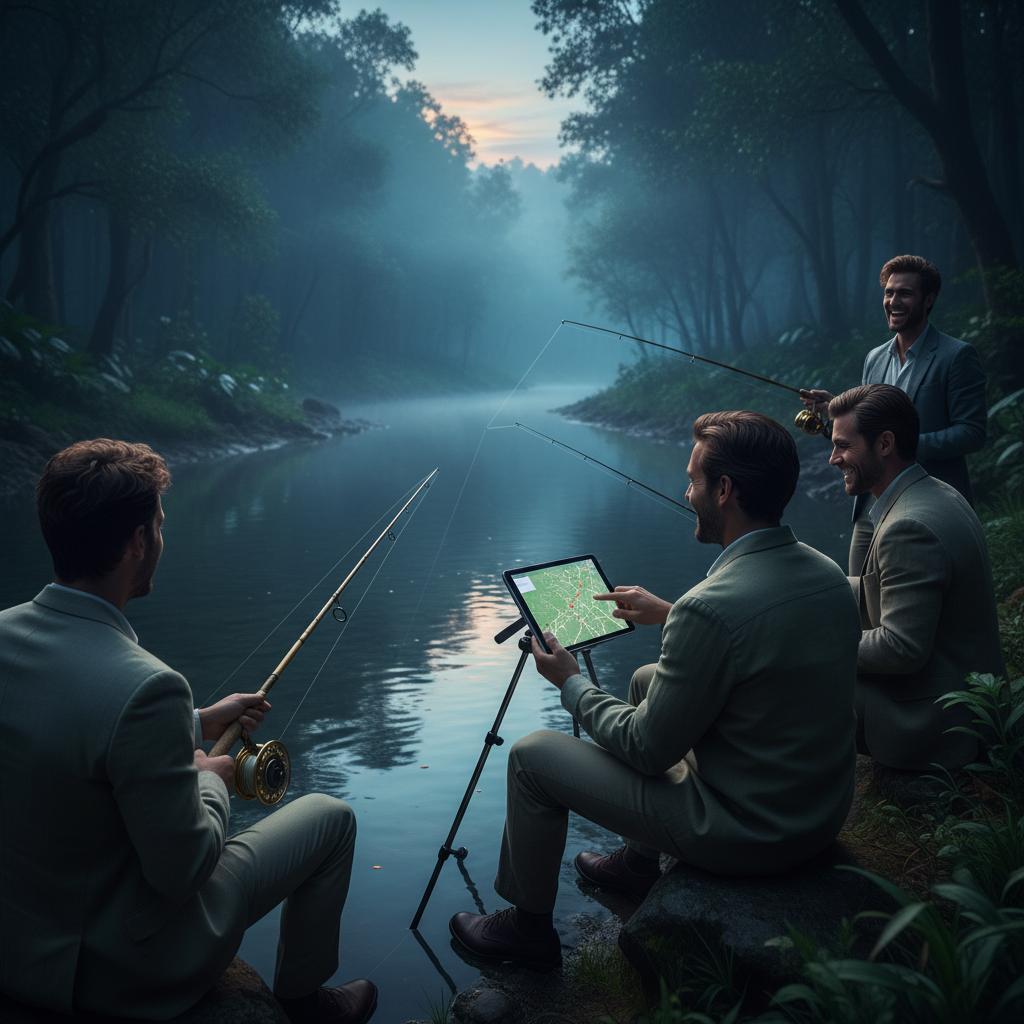
With increased technological capabilities comes increased responsibility. The ethical angler considers the impact of their actions on the environment and the fish populations they are targeting. This includes using technology in a responsible and sustainable manner.
For example, using a fish finder to locate a school of spawning fish and then catching them all would be considered unethical. Similarly, using an underwater camera to harass fish or disrupt their habitat would be irresponsible.
Here are some guidelines for ethical use of technology in fishing:
* **Respect Catch Limits:** Always adhere to local catch limits and regulations. Don’t use technology to exceed these limits.
* **Practice Catch and Release:** When possible, practice catch and release techniques to minimize the impact on fish populations. Use barbless hooks and handle fish carefully.
* **Avoid Spawning Areas:** Avoid fishing in spawning areas, especially during spawning season.
* **Minimize Disturbance:** Use underwater cameras and other devices sparingly to minimize disturbance to fish and their habitat.
* **Dispose of Waste Properly:** Dispose of all trash and waste properly. Don’t leave any litter behind.
* **Educate Others:** Share your knowledge of ethical angling practices with others.
The future of fishing depends on our ability to use technology responsibly and sustainably. By embracing ethical angling practices, we can ensure that future generations will have the opportunity to enjoy the same experiences that we do.
Beyond the Catch: Fishing as a Holistic Experience
Ultimately, fishing is about more than just catching fish. It’s about the connection to nature, the challenge of the pursuit, and the peace and tranquility of the outdoors. It’s about the camaraderie of sharing stories and experiences with friends and family. It’s about learning and growing as an angler and as a person.
Technology can enhance these aspects of fishing, but it should never replace them. It should be used as a tool to deepen our understanding of the natural world, to improve our skills, and to connect with others.
Think about the stories passed down through generations of anglers. They rarely revolve solely around the size or quantity of the catch. More often, they are tales of perseverance, of overcoming challenges, of witnessing breathtaking sunsets, or of forging lasting bonds with loved ones. These are the experiences that truly define fishing, and they are experiences that technology can complement, but never replicate.

The Future of Fishing: A Symbiotic Relationship
The future of fishing will likely involve an even greater integration of technology. As technology continues to evolve, we can expect to see even more sophisticated gadgets and tools that promise to enhance our angling experience.
However, it’s important to remember that technology is just a means to an end. The ultimate goal should always be to deepen our connection to fishing and to the natural world. This requires a mindful and intentional approach to the use of technology, one that prioritizes ethical angling practices and respects the essence of the sport.
Imagine a future where anglers use drones to scout for fish, AI-powered systems to analyze weather patterns and predict fish behavior, and virtual reality simulations to practice their casting techniques. These technologies could revolutionize the way we fish, but they also carry the risk of further disconnecting us from the natural world.
The key is to find a balance, to create a symbiotic relationship between technology and tradition. We must embrace the potential of technology to enhance our fishing experience while remaining mindful of its limitations and potential drawbacks.
Finding Your Balance: A Personal Journey
There is no one-size-fits-all answer to the question of how to use gadgets without losing the essence of fishing. The ideal approach will vary depending on your individual preferences, your fishing style, and the type of waters you fish.
The most important thing is to be intentional about your choices. Ask yourself what you hope to gain from using technology, and be honest about whether it is truly enhancing your experience or simply distracting you from the joys of fishing.
Experiment with different gadgets and techniques, and find what works best for you. Don’t be afraid to disconnect from technology altogether and simply enjoy the peace and quiet of nature.
Ultimately, the goal is to find a balance that allows you to enjoy fishing to the fullest, while also respecting the environment and preserving the essence of the sport. It’s a personal journey, one that requires ongoing reflection and adaptation. Are you allowing the technology to dictate your experience, or are you consciously choosing to use it as a tool to enhance your understanding and appreciation of the natural world?
Remember the feeling of the sun on your skin, the sound of the water rushing past, the thrill of the tug on the line. These are the experiences that make fishing so special. Technology can enhance these experiences, but it should never replace them. By using gadgets thoughtfully and responsibly, we can ensure that the essence of fishing remains intact for generations to come. The quiet moments of reflection, the connection with nature, and the simple joy of the pursuit – these are the things that truly matter. And they are things that no gadget can ever replicate.