The Paradox of Progress: When Tech Backfires on the Water
We live in an age of unprecedented technological advancement. From smartphones that fit in our pockets to satellites orbiting the Earth, technology has permeated nearly every aspect of our lives. Fishing, a pastime steeped in tradition and often associated with a peaceful escape from the modern world, has not been immune to this technological tide. But as anglers, are we truly benefiting from this influx of gadgets and gizmos, or are we sacrificing something essential in the pursuit of a bigger catch?
It’s a question worth pondering. The allure of technology is undeniable. Fish finders promise to reveal hidden hotspots, GPS systems guide us to the most remote waters, and sophisticated rods and reels offer unparalleled precision. We’re constantly bombarded with advertisements for the latest and greatest gear, each promising to revolutionize our fishing experience. But what if the relentless pursuit of technological advantage is actually diminishing the very essence of what makes fishing so rewarding?
Could it be that less technology can actually lead to more fish, both literally and figuratively? Let’s delve deeper into this counterintuitive idea.
The Noise of Technology: Drowning Out the Subtle Signals
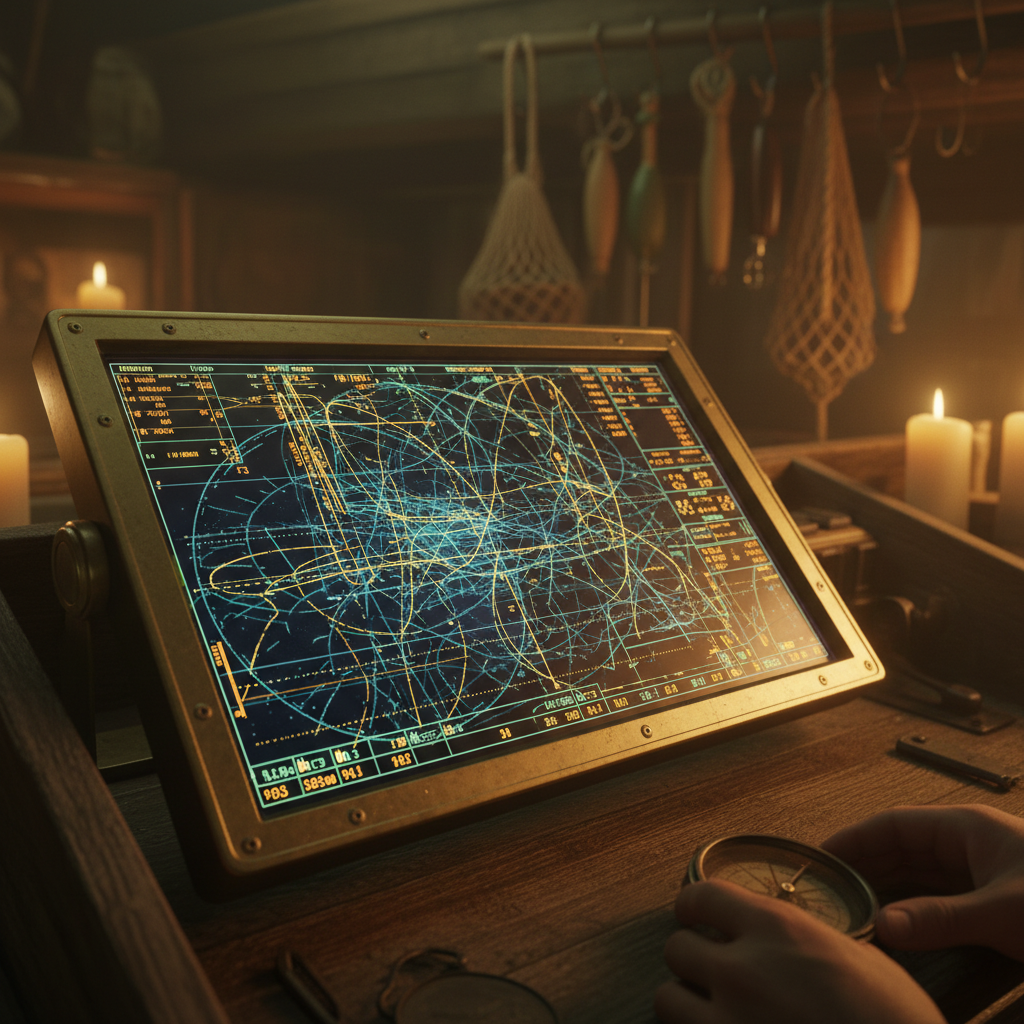
Think about it: modern fishing technology often creates a cacophony of noise, both literal and metaphorical. Sonar devices emit sound waves that can disturb fish and alert them to your presence. GPS systems, while undoubtedly useful, can lead to a reliance on waypoints and a neglect of the natural cues that experienced anglers have traditionally relied upon. The constant beeping and buzzing of electronic devices can also distract us from the subtle signs of fish activity – a rise in the water, a swirl in the current, the flash of a silver scale.
Consider the seasoned fly fisherman who can read a river like a book. They observe the water’s flow, the insects hatching, the shadows cast by the trees. They intuitively understand where fish are likely to be holding and can adapt their approach accordingly. This level of understanding comes from years of experience and a deep connection to the natural environment. But if we’re constantly glued to a fish finder screen, are we truly developing this crucial skill?
Moreover, the reliance on technology can create a sense of detachment from the environment. We become dependent on machines to tell us where to fish, rather than learning to interpret the natural world ourselves. This detachment can diminish our appreciation for the delicate ecosystems that sustain fish populations and ultimately harm our long-term prospects as anglers.
Reconnecting with the Fundamentals: The Power of Simplicity
So, what’s the alternative? It’s not about abandoning technology altogether, but rather about embracing a more balanced approach. It’s about recognizing the limitations of technology and rediscovering the power of simplicity. It’s about reconnecting with the fundamentals of fishing and developing a deeper understanding of the natural world.
The Art of Observation: Tuning into Nature’s Frequency
One of the most valuable skills an angler can possess is the ability to observe. This means paying attention to the details of the environment: the weather patterns, the water conditions, the presence of insects and other wildlife. By tuning into these subtle cues, we can gain a much deeper understanding of fish behavior and improve our chances of success.
For example, instead of relying solely on a fish finder to locate structure, try using your eyes. Look for submerged logs, rocky outcrops, or changes in the riverbed. These features often provide shelter and ambush points for fish. Pay attention to the way the light reflects off the water’s surface. Different textures and patterns can indicate the presence of currents, eddies, and other features that attract fish.
Consider the story of an old-timer named Silas, who fished the same stretch of river for over 50 years. Silas never used a fish finder or GPS. He relied solely on his knowledge of the river and his keen powers of observation. He knew every rock, every tree, every ripple in the water. He could predict where the fish would be at any given time of day, based on the weather and the season. Silas consistently outfished anglers who were armed with the latest technology, proving that experience and observation are often more valuable than gadgets.
The Joy of the Cast: Finding Rhythm and Connection
Another aspect of simple fishing is focusing on the art of the cast. Instead of relying on automated features or high-tech reels, practice your technique and develop a smooth, fluid motion. Feel the weight of the line, the bend of the rod, and the wind on your face. There’s a certain satisfaction that comes from executing a perfect cast, a sense of connection to the water and the fish that you’re trying to catch.
Think about the Zen-like state that can be achieved through the rhythmic motion of casting. It’s a meditative process that allows you to clear your mind and focus on the present moment. This sense of presence can enhance your overall fishing experience and make you more attuned to the subtle nuances of the environment.
Furthermore, mastering the art of the cast allows you to present your bait or lure more effectively. You can place your offering precisely where you want it, increasing your chances of enticing a strike. You can also adapt your casting technique to different conditions, such as wind or current, improving your overall efficiency as an angler.
The Environmental Impact: Minimizing Our Footprint
Beyond the personal benefits of simplifying our fishing approach, there’s also a crucial environmental consideration. The relentless pursuit of technology often comes at a cost to the ecosystems we rely upon for our enjoyment. Manufacturing electronic devices requires vast amounts of resources and energy, and the disposal of these devices can create pollution and waste.
Sustainable Practices: Choosing Wisely and Respecting the Resource
By embracing a more minimalist approach to fishing, we can reduce our environmental footprint and contribute to the long-term health of our fisheries. This means choosing durable, long-lasting equipment that will withstand the test of time, rather than constantly upgrading to the latest models. It also means being mindful of our consumption habits and avoiding unnecessary purchases. Think about the true cost of that new “must-have” gadget. Is it really worth it, considering the environmental impact?
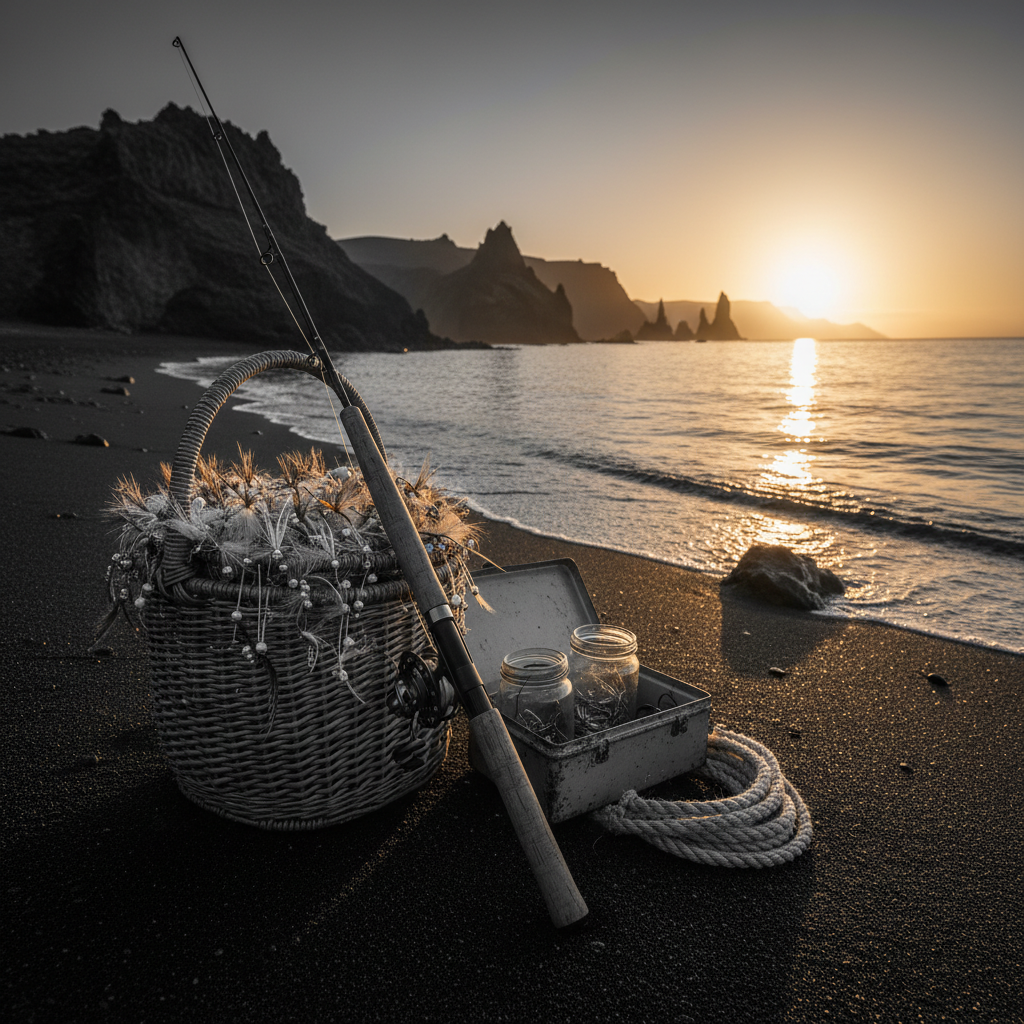
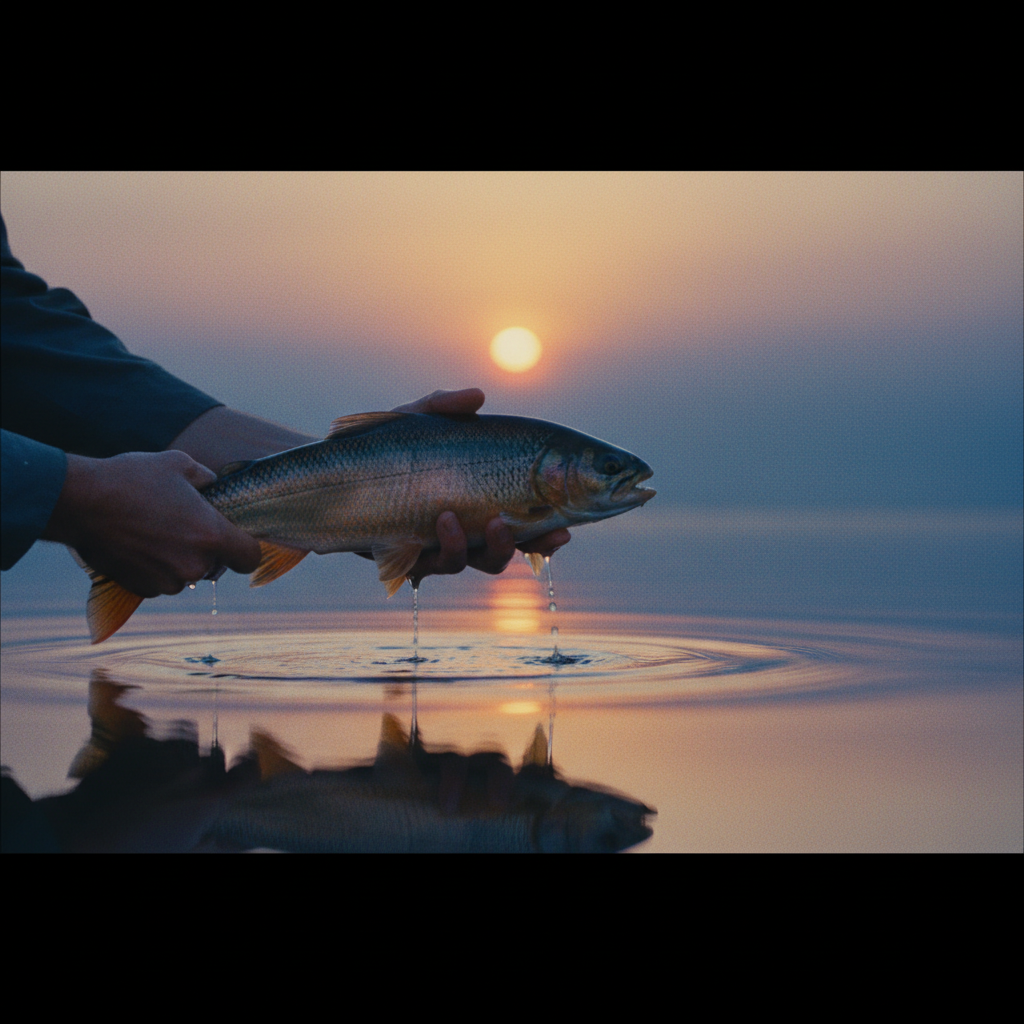
Consider the example of using barbless hooks. Barbless hooks are easier to remove from fish, reducing the risk of injury and increasing their chances of survival. This simple change can have a significant impact on fish populations, especially in heavily fished areas. Similarly, using biodegradable fishing line and avoiding the use of lead weights can help to protect the environment from harmful pollutants.
Moreover, a simpler approach often encourages a deeper respect for the resource. When we are less reliant on technology to guarantee success, we are more likely to appreciate the natural beauty of the environment and to treat it with care. We become stewards of the land and water, rather than simply consumers of its resources.
The Mental Game: Cultivating Patience and Resilience
Fishing, at its core, is a mental game. It requires patience, perseverance, and the ability to adapt to changing conditions. Technology can sometimes undermine these qualities by creating a false sense of control and predictability. When we rely too heavily on gadgets, we may become frustrated when they don’t deliver the expected results. We may lose sight of the fact that fishing is ultimately about embracing the unknown and accepting the challenges that nature throws our way.
Embracing the Unknown: Finding Joy in the Process
By simplifying our approach, we can cultivate a greater sense of patience and resilience. We learn to accept that not every fishing trip will be a success, and that the true reward lies in the process itself. We develop a deeper appreciation for the challenges of fishing and a greater sense of accomplishment when we finally land a fish.
Think about the experience of fishing without a fish finder. You have to rely on your instincts, your knowledge of the water, and your ability to read the signs. You might spend hours searching for the right spot, experimenting with different techniques, and enduring periods of inactivity. But when you finally connect with a fish, the feeling is all the more rewarding because you know that you earned it.
Consider the story of a young angler who spent weeks trying to catch a particularly elusive trout in a local stream. He tried every lure, every fly, and every technique he could think of, but to no avail. He was on the verge of giving up when he decided to try something different. He stripped down his gear to the bare essentials and focused on simply enjoying the experience of being in nature. He spent hours observing the stream, watching the insects hatch, and listening to the sounds of the forest. Finally, on his last day of fishing, he caught the trout. He later said that it was the most satisfying catch of his life, not because of the size of the fish, but because of the journey he had taken to get there.
More Fish, More Meaning: Redefining Success on the Water
Ultimately, the question of whether less technology can lead to more fish is not just about the number of fish we catch. It’s about redefining what success means on the water. It’s about shifting our focus from quantity to quality, from instant gratification to long-term sustainability, and from technological dominance to harmonious co-existence with nature.
The Intangible Rewards: Connecting with Nature and Ourselves
When we embrace a simpler approach to fishing, we open ourselves up to a whole new world of possibilities. We discover the joy of observation, the satisfaction of mastering a skill, the peace of mind that comes from being present in the moment, and the deep connection to nature that nourishes our souls. These are the intangible rewards that make fishing so much more than just a sport or a hobby.
Think about the memories that you cherish most from your fishing experiences. Are they the memories of landing a trophy fish with the help of the latest technology, or are they the memories of sharing a quiet moment with a friend or family member on the water, of witnessing a stunning sunset, or of simply feeling the sun on your skin and the wind in your hair? These are the moments that truly matter, the moments that stay with us long after the fishing trip is over.
Consider the example of a group of friends who regularly go on fishing trips together. They don’t compete to see who can catch the most fish or the biggest fish. They simply enjoy each other’s company, the beauty of the surroundings, and the shared experience of being in nature. They often leave their electronic devices at home, preferring to disconnect from the modern world and reconnect with each other and with the natural environment. For them, fishing is not about the catch, but about the connection.
Finding Your Balance: A Personalized Approach
It’s important to emphasize that there’s no one-size-fits-all answer to the question of how much technology is too much. The ideal balance will vary depending on your individual preferences, your fishing goals, and the specific environment in which you’re fishing. The key is to be mindful of the potential drawbacks of technology and to make conscious choices about how you use it.
Experimentation and Reflection: Finding What Works for You
Experiment with different approaches and see what works best for you. Try leaving your fish finder at home for a day and relying on your own observation skills. Practice your casting technique until you can place your bait or lure exactly where you want it. Spend some time simply sitting by the water, observing the environment, and connecting with nature. Reflect on your experiences and consider how technology is impacting your fishing experience. Are you truly enhancing your enjoyment of the sport, or are you sacrificing something essential in the pursuit of a bigger catch?
Think about the specific situations in which technology can be most helpful. For example, a GPS system can be invaluable for navigating unfamiliar waters or for finding your way back to shore in dense fog. A fish finder can be useful for identifying structure in deep water or for locating schools of fish. But even in these situations, it’s important to use technology responsibly and to avoid becoming overly reliant on it.
Consider the example of a professional fishing guide who uses technology to help his clients catch fish, but who also emphasizes the importance of conservation and respect for the environment. He uses his fish finder to locate promising areas, but he also teaches his clients how to read the water, how to identify different types of fish habitat, and how to practice sustainable fishing techniques. He understands that technology is a tool that can be used to enhance the fishing experience, but that it should never come at the expense of the environment or the integrity of the sport.
The Future of Fishing: A Call for Conscious Angling
As technology continues to evolve, it’s more important than ever that we approach fishing with a sense of consciousness and responsibility. We must be mindful of the potential impacts of our actions on the environment and on the fish populations that we rely upon. We must also be willing to challenge the prevailing narrative that more technology always equals better fishing. By embracing a more balanced and sustainable approach, we can ensure that future generations will have the opportunity to experience the joy and wonder of fishing in a healthy and thriving environment.
Ultimately, the decision of how much technology to use is a personal one. But it’s a decision that should be made thoughtfully and deliberately, with a clear understanding of the potential benefits and drawbacks. By prioritizing observation, skill, and respect for the environment, we can unlock a deeper and more meaningful fishing experience, one that nourishes our souls and sustains the natural world for generations to come. Let’s choose to listen to the subtle whispers of the water, rather than the insistent hum of technology, and rediscover the true essence of fishing.