The Unseen Current: Beyond the Hook and Line
We often get caught up in the tangible aspects of fishing – the sharpness of the hook, the strength of the line, the allure of the bait, the precision of the cast. We meticulously analyze the weather patterns, the water temperature, and the feeding habits of the fish we seek. We invest in the latest gear, pore over detailed maps, and devour countless articles and videos, all in the pursuit of mastering the art of angling. But what if I told you that the true secret to consistently successful fishing lies not in what you do, but in what you are?
This isn’t some mystical, new-age mumbo jumbo. It’s about cultivating a specific mindset, a way of being, that aligns you with the natural rhythms of the fishing experience. It’s about tapping into the “invisible secret” that most anglers overlook: the power of presence, patience, and profound respect for the environment.
Think of it like this: two anglers stand side-by-side, fishing in the exact same spot, using identical equipment and techniques. One catches fish after fish, while the other struggles to even get a nibble. What accounts for the difference? Is it sheer luck? Maybe, but luck tends to favor those who are prepared, both outwardly and inwardly. The successful angler isn’t just doing the right things; they’re being the right kind of angler.
The Illusion of Control
In our modern world, we’re conditioned to believe that we can control almost everything. We strive for efficiency, predictability, and immediate results. We apply this same mentality to fishing, often viewing it as a problem to be solved, a challenge to be conquered. We obsess over maximizing our catch rate, minimizing our time spent, and optimizing our gear for peak performance. But fishing, at its core, is an exercise in surrender. It’s about acknowledging that we are not in control, that the fish ultimately decide whether or not to take our bait, and that the natural world operates according to its own set of rules, regardless of our desires.
This realization can be unsettling, especially for those of us who are accustomed to being in charge. It requires us to relinquish our grip on control, to embrace uncertainty, and to accept the possibility of failure. But it is precisely in this act of surrender that we unlock the “invisible secret.” When we stop trying to force the outcome, we open ourselves up to the subtle cues and opportunities that the fishing environment presents. We become more attuned to the movements of the water, the behavior of the fish, and the overall energy of the place.
The Power of Presence: Being Where You Are
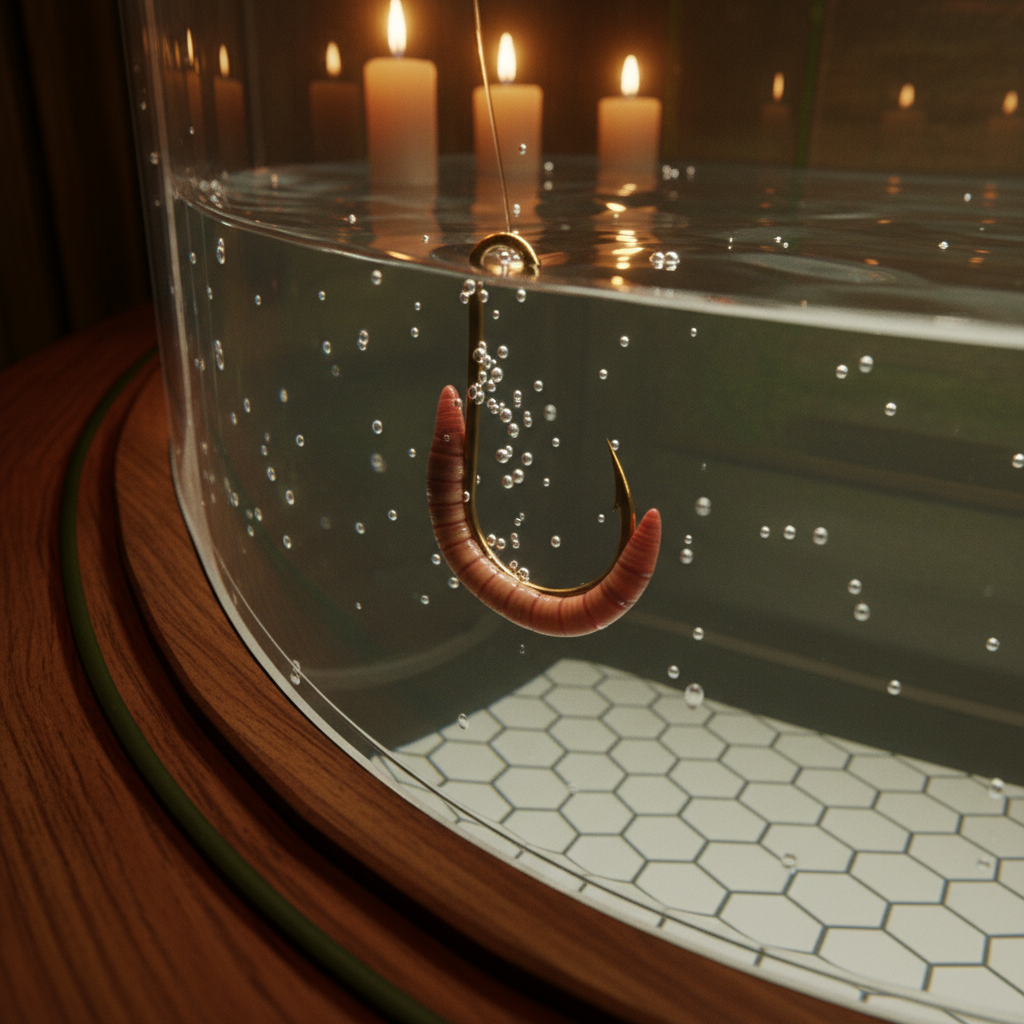
How often do you find yourself physically present in one place, but mentally preoccupied with something else? Perhaps you’re casting your line while simultaneously thinking about your work deadlines, your family obligations, or your social media feed. This is a common trap, and it’s one that can significantly diminish your fishing experience. When your mind is cluttered with thoughts and distractions, you’re unable to fully connect with the present moment. You miss the subtle signs that could lead to a successful catch, and you fail to appreciate the beauty and tranquility of your surroundings.
The “invisible secret” of presence is about cultivating a state of mindful awareness, about bringing your full attention to the task at hand. It’s about noticing the details – the way the sunlight glints off the water, the sound of the birds singing in the trees, the feeling of the wind on your skin. It’s about immersing yourself completely in the fishing experience, letting go of your worries and anxieties, and simply being where you are.
This isn’t always easy, especially in our hyper-connected world. It requires conscious effort and practice. But the rewards are well worth the effort. When you’re truly present, you become more sensitive to the subtle nuances of the fishing environment. You notice the slight twitch in your line that indicates a fish is nibbling, the subtle change in the current that suggests a school of fish is nearby, the almost imperceptible shift in the wind that signals a change in the weather. These are the details that can make the difference between a successful day of fishing and a frustrating one.
Beyond the Catch: Appreciating the Journey
Furthermore, presence allows you to appreciate the intrinsic value of the fishing experience, regardless of whether or not you catch anything. It’s about recognizing that fishing is more than just a means to an end. It’s an opportunity to connect with nature, to challenge yourself, to learn new skills, and to find peace and solitude. When you’re focused solely on catching fish, you miss out on all of these other benefits. You become consumed with the outcome, and you lose sight of the joy of the journey.
Think of a time when you went fishing and didn’t catch anything. Were you disappointed? Frustrated? Did you feel like you wasted your time? Or did you still manage to find something positive in the experience? Did you enjoy the scenery? Did you learn something new? Did you simply appreciate the opportunity to escape from the stresses of everyday life? If you were able to find something positive, then you were already tapping into the power of presence. You were recognizing that the value of fishing lies not just in the catch, but in the overall experience.
The Art of Patience: Waiting for the Right Moment
Patience is a virtue, they say, and it’s especially true when it comes to fishing. Fishing is rarely a fast-paced, action-packed activity. It often involves long periods of waiting, observing, and anticipating. In our instant-gratification society, patience can be a difficult skill to master. We’re used to getting what we want, when we want it. We’re accustomed to immediate feedback and instant results. But fishing requires a different kind of mindset, one that embraces the slow, deliberate rhythm of nature.
The “invisible secret” of patience is about accepting that things will happen in their own time, and that there’s nothing you can do to force them. It’s about resisting the urge to constantly change your bait, your location, or your technique. It’s about trusting your instincts, staying focused, and waiting for the right moment to strike. It’s about understanding that sometimes, the best thing you can do is simply be still and let the fish come to you.
This doesn’t mean that you should passively sit and wait without doing anything. It means that you should be patient in your approach, making subtle adjustments as needed, but avoiding the temptation to overreact or become impatient. Observe the water, the weather, and the behavior of the fish. Experiment with different techniques and baits, but give each one a fair chance to work. Don’t be afraid to try new things, but don’t abandon your core principles. And most importantly, don’t get discouraged if you don’t catch anything right away. Remember that fishing is a process, not a destination.

The Illusion of Control (Revisited)
Think back to a time when you were fishing and felt like you were in complete control. You knew exactly what you were doing, and you were confident that you were going to catch fish. But then, something unexpected happened. The weather changed, the fish stopped biting, or your equipment malfunctioned. Suddenly, you were no longer in control. How did you react? Did you become frustrated and give up? Or did you adapt to the situation and find a way to overcome the challenge? The ability to remain patient and adaptable in the face of adversity is a key ingredient in the “invisible secret” of successful fishing.
Respect for the Environment: A Sacred Trust
Fishing is not just a sport or a hobby; it’s a relationship. It’s a relationship between the angler and the fish, between the angler and the water, between the angler and the entire ecosystem. As anglers, we have a responsibility to treat this relationship with respect and reverence. We must understand that we are not separate from the environment, but rather an integral part of it. Our actions have consequences, and we must be mindful of the impact we have on the delicate balance of nature.
The “invisible secret” of respect is about recognizing the intrinsic value of the natural world, about understanding that it’s not just a resource to be exploited, but a precious gift to be cherished and protected. It’s about practicing sustainable fishing techniques, minimizing our impact on the environment, and advocating for the conservation of our waterways. It’s about leaving the fishing spot cleaner than we found it, and about educating others about the importance of responsible angling.
This might seem like a simple concept, but it’s one that’s often overlooked. Many anglers focus solely on catching fish, without considering the long-term consequences of their actions. They may use unsustainable fishing methods, pollute the water with litter, or damage the habitat of the fish. These actions not only harm the environment, but they also diminish the fishing experience for everyone else. By treating the environment with respect, we ensure that future generations will have the opportunity to enjoy the same benefits that we do.
Beyond Catch and Release: True Stewardship
Catch and release is a valuable practice, but it’s not enough. True respect for the environment goes beyond simply releasing the fish back into the water. It involves actively working to protect and restore the ecosystem. This can include participating in stream cleanups, advocating for stricter environmental regulations, or simply educating others about the importance of conservation. It’s about recognizing that we are all stewards of the environment, and that we have a responsibility to protect it for future generations.
The Ripple Effect: Spreading the “Invisible Secret”
The “invisible secret” of successful fishing is not just about catching more fish; it’s about becoming a better angler, a more mindful human being, and a more responsible steward of the environment. It’s about cultivating a mindset of presence, patience, and respect that extends beyond the fishing experience and into all aspects of your life. When you embrace these principles, you not only improve your fishing skills, but you also enhance your overall well-being.
But the “invisible secret” is not meant to be kept to oneself. It’s meant to be shared with others. By sharing your knowledge and experiences, you can inspire others to adopt the same principles, creating a ripple effect that spreads throughout the angling community and beyond. You can mentor new anglers, share your tips and techniques, and advocate for responsible fishing practices. You can also simply lead by example, demonstrating the power of presence, patience, and respect in your own actions.
Think about the impact you could have if you shared the “invisible secret” with just one other person. Imagine if that person then shared it with someone else, and so on. Over time, the ripple effect could transform the entire angling community, creating a culture of respect, responsibility, and sustainability. This is the power of the “invisible secret” – it has the potential to change the world, one angler at a time.
Leaving a Legacy: More Than Just a Good Fishing Story
What kind of legacy do you want to leave behind? Do you want to be remembered as the angler who caught the biggest fish, or as the angler who made a positive impact on the environment and the angling community? The choice is yours. By embracing the “invisible secret,” you can leave a legacy that extends far beyond your own lifetime. You can inspire future generations to appreciate the beauty and wonder of the natural world, and to protect it for the benefit of all.

So, the next time you head out to the water, remember the “invisible secret.” Remember that true success in fishing lies not just in what you do, but in what you are. Cultivate presence, patience, and respect, and you’ll not only catch more fish, but you’ll also enrich your life and leave a lasting positive impact on the world around you. Are you ready to unlock the unseen potential within yourself and experience fishing in a whole new light? The water is calling, and the journey awaits.