Unlocking the True Potential of Your Fishing Rod
The fishing rod: it’s more than just a stick with some line attached. It’s an extension of your arm, a conduit to the underwater world, and the key to unlocking angling success. But how many anglers truly understand the nuances of their rods, and how to make them work *for* them, not against them? We often focus on the lure, the line, or the reel, but the rod itself is the unsung hero, the foundation upon which your entire fishing strategy rests. Are you maximizing its potential, or simply going through the motions?
This isn’t about buying the most expensive or technologically advanced rod. It’s about understanding the fundamental principles of rod design, action, power, and sensitivity, and how these elements interact to create a tool perfectly suited to your fishing style and target species. It’s about transforming your rod from a passive instrument into an active partner in your angling endeavors. Imagine a world where every cast is more accurate, every hookset more solid, and every fight more controlled. That world is within reach, and it starts with truly understanding your rod.
The Anatomy of a Fishing Rod: Beyond the Basics
We’ll start with the basics, but quickly move beyond the surface level. You likely know the components: the blank, the guides, the reel seat, the handle. But do you understand how each of these components contributes to the overall performance of the rod? The blank, the rod’s body, is the heart of the operation. It’s typically made from fiberglass, graphite, or a composite of the two. Fiberglass is known for its durability and flexibility, making it ideal for beginners and for techniques that require a softer action, like crankbait fishing. Graphite, on the other hand, is lighter and more sensitive, allowing you to detect subtle strikes and react quickly. Composite rods offer a blend of both, providing a balance of power, sensitivity, and durability.
The guides are more than just line holders. Their size, placement, and material all influence casting distance and accuracy. Smaller guides generally improve sensitivity, while larger guides reduce friction and allow for smoother line flow, particularly when using heavier lines. The reel seat, often overlooked, plays a crucial role in transmitting vibrations from the line to your hand. A well-designed reel seat will enhance sensitivity and improve your ability to detect subtle strikes. And finally, the handle: cork or EVA foam? The choice is largely personal preference, but consider the grip and comfort, especially for long days on the water. A comfortable handle will reduce fatigue and improve your overall fishing experience.
Action vs. Power: Decoding the Jargon
Here’s where things often get confusing: action and power. These two terms are often used interchangeably, but they refer to entirely different characteristics of the rod. Action describes where the rod bends along its length. A fast-action rod bends primarily near the tip, while a slow-action rod bends along its entire length. Fast-action rods are typically more sensitive and provide better hooksetting power, making them ideal for techniques that require quick reactions, like jig fishing or worming. Slow-action rods, on the other hand, are more forgiving and better suited for techniques that require a softer presentation, like fly fishing or crankbait fishing.
Power, on the other hand, refers to the rod’s lifting strength or its resistance to bending. A heavy-power rod can handle larger fish and heavier lures, while a light-power rod is better suited for smaller fish and lighter lures. Choosing the right power is crucial for avoiding broken lines and lost fish. Imagine trying to land a 20-pound salmon with a light-power rod – you’d be fighting a losing battle. Conversely, using a heavy-power rod to cast a small finesse worm would be like trying to swat a fly with a sledgehammer – it’s simply overkill.
Understanding the relationship between action and power is key to selecting the right rod for your specific needs. A fast-action, heavy-power rod is ideal for fishing heavy cover for bass, while a slow-action, light-power rod is perfect for presenting small dry flies to trout in a delicate stream. Think about the species you’re targeting, the techniques you’ll be using, and the environment you’ll be fishing in, and then choose a rod with the appropriate action and power.
The Art of the Cast: Beyond Distance and Accuracy
Casting is more than just slinging your lure out into the water. It’s an art form, a delicate dance between angler, rod, and lure. A well-executed cast can mean the difference between landing a trophy fish and going home empty-handed. While distance and accuracy are important, there’s more to casting than simply reaching the target. Consider the presentation, the angle, and the trajectory of your lure. Are you creating a splash that will spook the fish, or are you gently placing your lure in the strike zone?
Different rods are designed for different casting styles. A longer rod will generally provide greater casting distance, while a shorter rod will offer greater accuracy and control. A fast-action rod will allow you to make quick, powerful casts, while a slow-action rod will provide a smoother, more controlled presentation. Experiment with different casting techniques, such as the overhead cast, the sidearm cast, and the flip cast, to find what works best for you and your rod. And remember, practice makes perfect. The more you practice, the more comfortable and confident you’ll become in your casting abilities.
Mastering the Hookset: Turning Bites into Landings
The hookset: the moment of truth. You feel a tug on the line, your heart races, and you instinctively rear back on the rod. But is your hookset effective? Are you driving the hook home, or simply pulling the lure out of the fish’s mouth? A proper hookset requires a combination of timing, power, and technique. The key is to react quickly but deliberately. Don’t jerk the rod too hard, or you risk breaking the line or pulling the hook through the fish’s mouth. Instead, use a smooth, sweeping motion to drive the hook home. The type of rod you’re using will also influence your hookset. A fast-action rod will require a shorter, quicker hookset, while a slow-action rod will require a longer, more deliberate hookset.
Consider the type of lure you’re using as well. When fishing with soft plastics, for example, you’ll need to use a more powerful hookset to penetrate the plastic and drive the hook home. When fishing with treble hooks, on the other hand, you’ll need to be more careful to avoid pulling the hook through the fish’s mouth. Ultimately, the best hookset is the one that results in a landed fish. Experiment with different techniques and find what works best for you and your rod. And don’t be afraid to adjust your hookset based on the conditions and the type of fish you’re targeting.
Fighting the Fish: Leveraging Your Rod’s Power
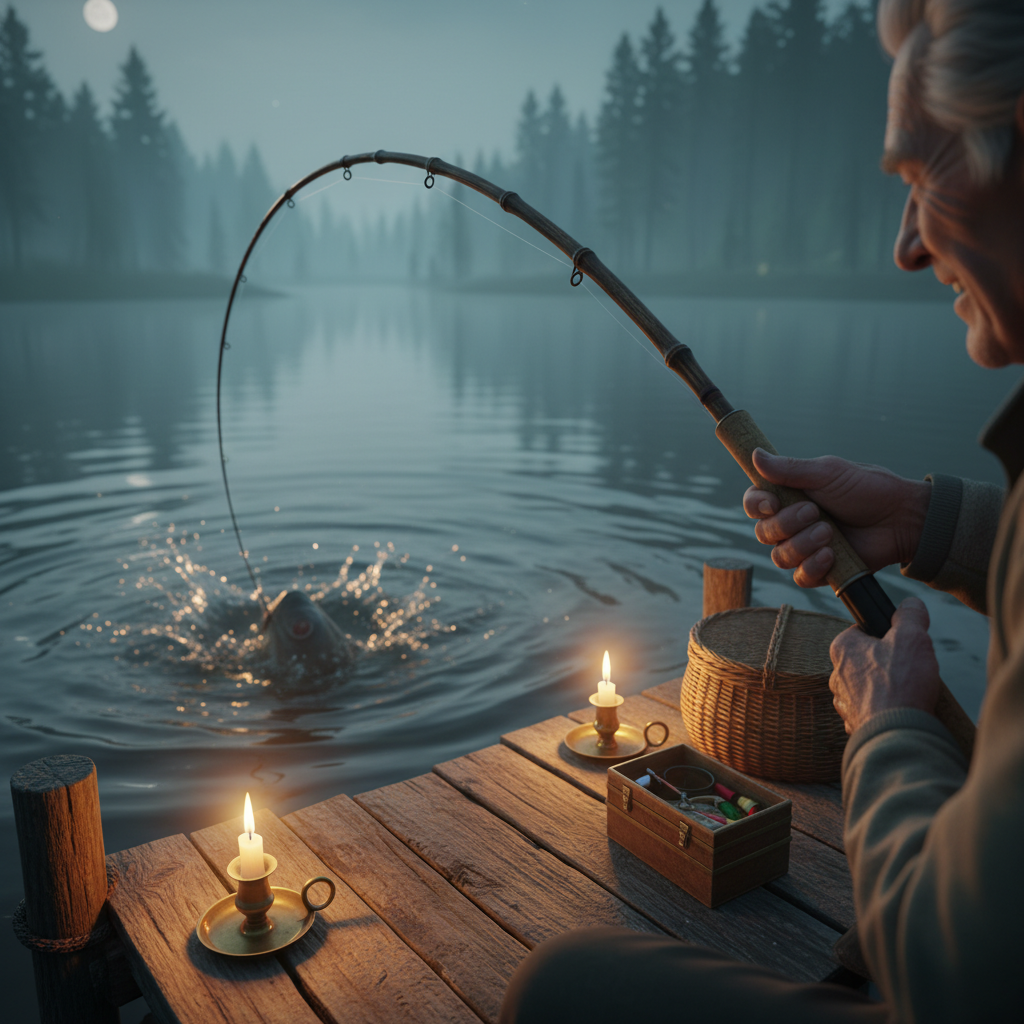
You’ve hooked the fish, now what? The fight is on, and it’s time to put your rod to the test. This is where understanding your rod’s power and action becomes crucial. A heavy-power rod will allow you to control the fish and keep it from running into heavy cover, while a light-power rod will require a more delicate approach to avoid breaking the line. Use the rod’s bend to absorb the fish’s runs and prevent it from gaining leverage. Keep the rod tip high to maintain pressure on the fish and tire it out. Avoid “high-sticking” the rod, which can put excessive strain on the blank and lead to breakage.
Remember to use your reel’s drag system to your advantage. The drag allows the fish to pull line off the reel when it runs, preventing it from breaking the line. Adjust the drag to match the size of the fish and the strength of your line. A properly adjusted drag will allow you to fight the fish effectively without putting excessive strain on your equipment. And finally, be patient. Fighting a fish can be a long and arduous process, but don’t give up. Keep the pressure on, stay focused, and eventually, you’ll bring the fish to the net. Learning to use the full bend of your rod is key. Don’t be afraid to let the rod bend deeply; that’s what it’s designed to do! The rod acts as a shock absorber, protecting your line from sudden bursts of power from the fish.
Matching Rods to Techniques: A Deeper Dive
Now that we’ve covered the fundamentals, let’s delve into specific techniques and the rods that are best suited for them. This is where the rubber meets the road, where theory transforms into practical application. Choosing the right rod for the technique can dramatically improve your success rate, allowing you to present your lure more effectively, detect strikes more readily, and fight fish more efficiently.
Crankbait Fishing: The Importance of a Softer Action
Crankbait fishing requires a rod with a softer action. Why? Because crankbaits typically have treble hooks, which can easily tear out of the fish’s mouth during the fight. A softer action rod will allow the fish to inhale the bait more fully and will provide more forgiveness during the hookset and fight, preventing the hooks from pulling. Look for a rod with a moderate to slow action and a moderate power. Fiberglass or composite rods are often preferred for crankbait fishing due to their flexibility and durability.
Jig and Worm Fishing: Sensitivity is Key
Jig and worm fishing demands a rod with exceptional sensitivity. You need to be able to feel the slightest tick or tap on the line, which could indicate a subtle strike. A fast-action rod made from graphite is ideal for this technique. The fast action will provide excellent hooksetting power, while the graphite construction will enhance sensitivity. Choose a rod with a medium-heavy to heavy power, depending on the size of the fish and the cover you’re fishing in.
Topwater Fishing: Power and Speed
Topwater fishing requires a rod with both power and speed. You need to be able to make long casts to cover water and react quickly to explosive strikes. A fast-action rod with a medium to medium-heavy power is perfect for this technique. Graphite rods are generally preferred for their lightweight and responsiveness. The fast action will allow you to snap the rod and impart action to the lure, while the power will allow you to set the hook firmly.
Fly Fishing: A World of its Own
Fly fishing is a whole different ballgame, with its own unique set of rod characteristics. Fly rods are classified by weight, which corresponds to the line weight they are designed to cast. A 5-weight rod is a good all-around choice for trout fishing, while a heavier 8-weight rod is better suited for larger fish like salmon or steelhead. Fly rod action also plays a crucial role in casting performance. A fast-action fly rod is ideal for casting long distances and cutting through the wind, while a slow-action fly rod is better suited for delicate presentations and close-quarters fishing. Choosing the right fly rod depends on the species you’re targeting, the type of flies you’ll be using, and the conditions you’ll be fishing in.
Rod Maintenance: Extending the Life of Your Investment
Your fishing rod is an investment, and like any investment, it requires proper care and maintenance to ensure its longevity and performance. Neglecting your rod can lead to decreased sensitivity, reduced casting distance, and even breakage. A little bit of maintenance can go a long way in extending the life of your rod and keeping it performing at its best. Think of it like taking care of a finely tuned musical instrument; the better you care for it, the better it will perform.
Cleaning and Storage: Protecting Your Rod from the Elements
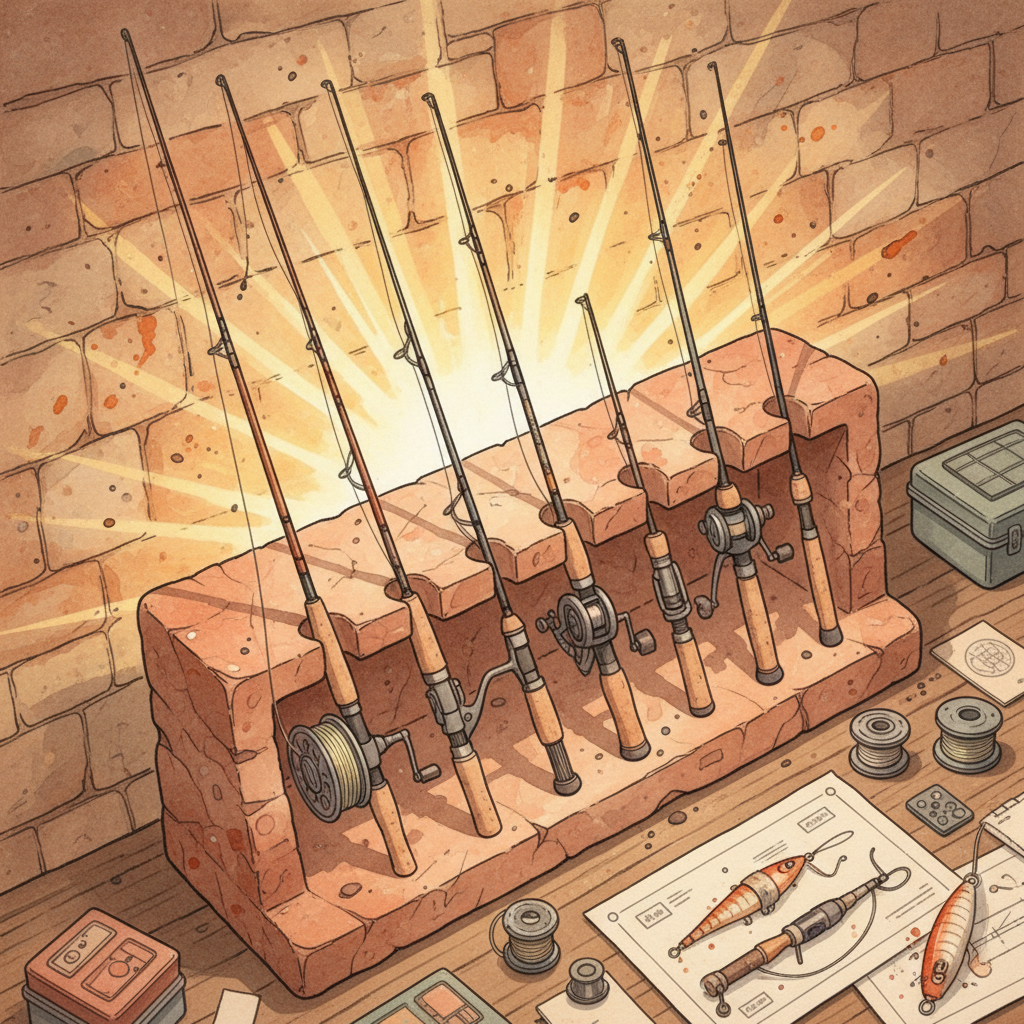
After each fishing trip, it’s important to clean your rod thoroughly. Use a mild soap and water solution to remove dirt, grime, and salt residue. Pay particular attention to the guides, which can accumulate salt deposits that can corrode the metal and damage the line. Rinse the rod thoroughly with clean water and dry it with a soft cloth. When storing your rod, avoid exposing it to extreme temperatures or direct sunlight. Store it in a rod case or a rod rack to protect it from damage. Never lean your rod against a wall or leave it lying on the ground, as this can cause the blank to warp or break. Consider investing in a good quality rod case to protect your rods during transport and storage. These cases come in various sizes and materials, from soft-sided to hard-sided, and can provide excellent protection from bumps, scratches, and other damage.
Guide Inspection: Preventing Line Damage
Regularly inspect your rod’s guides for cracks, chips, or grooves. Even small imperfections can damage your line and reduce casting distance. Run a cotton swab or a piece of nylon stocking through each guide to check for any rough spots. If you find any damage, replace the guide immediately. A damaged guide can fray your line and cause you to lose fish. Replacing a guide is a relatively simple and inexpensive repair that can save you a lot of headaches in the long run.
Reel Seat Maintenance: Ensuring a Secure Connection
Keep your reel seat clean and lubricated to ensure a secure connection between the reel and the rod. Use a reel seat lubricant to prevent corrosion and keep the threads from seizing. Regularly check the reel seat for loose or missing parts and tighten them as needed. A loose reel seat can cause the reel to wobble, reducing sensitivity and affecting casting accuracy. A little bit of preventative maintenance can keep your reel seat in top condition and ensure a solid connection for years to come.
Beyond the Rod: The Complete Angler’s Toolkit
While understanding your rod is crucial, it’s just one piece of the puzzle. A truly successful angler understands the interplay between all the components of their fishing setup, from the line and the reel to the lure and the leader. Mastering these elements and how they work together will elevate your fishing game to a whole new level.
Think of it like a symphony orchestra: each instrument plays a vital role in creating a harmonious sound. The rod is the conductor, guiding the overall performance, but the other instruments – the line, the reel, the lure – must be in tune and working together seamlessly to achieve the desired result. Choosing the right line for your rod and reel is essential for maximizing casting distance and sensitivity. Selecting the appropriate lure for the target species and the conditions is crucial for attracting strikes. And using a leader can help to protect your mainline from abrasion and improve the presentation of your lure. By paying attention to all the details and understanding how each component contributes to the overall performance, you can create a fishing setup that is perfectly tailored to your needs and maximize your chances of success.

Ultimately, the secret to making your rod work for you lies in understanding its capabilities and limitations, and in using it in conjunction with the right techniques and equipment. It’s a continuous learning process, a journey of discovery that will lead you to a deeper appreciation of the art of angling. So, take the time to truly understand your rod, experiment with different techniques, and never stop learning. The rewards will be well worth the effort, and you’ll find yourself catching more fish and enjoying your time on the water even more. Are you ready to unlock the full potential of your fishing rod and become a more successful and accomplished angler?