The Unseen Decider: From Bait to Hookset Mastery
Fishing, at its heart, is a game of subtle nuances. We spend countless hours researching the perfect bait, meticulously selecting the right rod and reel, and scouting the ideal location. Yet, often overlooked, is the seemingly mundane connection between bait and hook: the knot. It’s the unsung hero, the final detail that either secures a triumphant hookset or condemns us to another tale of “the one that got away.” It’s the fine line between angling success and frustrating failure. Are we truly giving this critical connection the attention it deserves? The reality is that mastery of knot tying isn’t just about knowing a few popular knots; it’s about understanding the physics at play, the specific demands of different fishing scenarios, and the art of flawless execution.
This article delves into the often-underappreciated world of fishing knots, exploring not only the “how” but also the “why” behind each choice. We’ll dissect the anatomy of a strong knot, examine common pitfalls that lead to knot failure, and provide practical advice on how to elevate your knot-tying game from novice to expert. Get ready to unlock the secrets that will transform your hooksets and, ultimately, your fishing success.
The Anatomy of a Perfect Fishing Knot
A perfect fishing knot isn’t just about securely attaching line to hook; it’s about preserving the line’s inherent strength. Every time a line bends and twists, its breaking strength is compromised. A poorly tied knot can reduce a line’s strength by as much as 50%, turning your expensive, high-test line into a liability. So, what are the critical components that contribute to a knot’s integrity?
First and foremost is proper lubrication. Friction is the enemy of line strength. Dry line generates excessive heat when tightened, weakening the fibers and creating potential failure points. Always moisten your line with saliva or water before cinching down a knot. This simple step can significantly improve knot strength.
Secondly, neatness counts. Overlapping lines, twists, and kinks create uneven pressure points, making the knot vulnerable to slippage or breakage. Take the time to carefully arrange the line as you tie the knot, ensuring that each wrap and loop is properly aligned. A little extra attention during the tying process will pay dividends when you’re battling a trophy fish.
Finally, consistent tightening is paramount. A knot that’s only partially tightened is prone to slippage under pressure. Gradually and firmly tighten the knot, ensuring that all components are snug and secure. Avoid jerking or yanking the line, as this can create stress points and weaken the knot.
Common Knot-Tying Mistakes and How to Avoid Them
Even experienced anglers fall victim to common knot-tying mistakes. Recognizing these errors and taking steps to avoid them is crucial for maximizing your knot strength and reliability.
One frequent mistake is using the wrong knot for the type of line. Monofilament, fluorocarbon, and braided lines have different properties and require different knot designs. For example, a knot that works well with monofilament may slip or fail when used with braided line. Research and select knots that are specifically designed for the type of line you’re using.
Another common error is failing to properly lubricate the line. As mentioned earlier, friction is a major cause of knot failure. Make it a habit to always moisten your line before tightening any knot.
Over-tightening is another pitfall to avoid. While it’s important to tighten a knot securely, excessive force can damage the line fibers and weaken the knot. Tighten the knot gradually and firmly, stopping when it feels snug and secure.
Finally, neglecting to trim the tag end of the line can lead to problems. A long tag end can snag on debris or create drag in the water. Trim the tag end close to the knot, but be careful not to cut into the knot itself.
The Essential Knots Every Angler Should Know
While there are countless fishing knots to choose from, a handful of essential knots will cover the vast majority of angling situations. Mastering these knots will provide a solid foundation for your knot-tying skills.
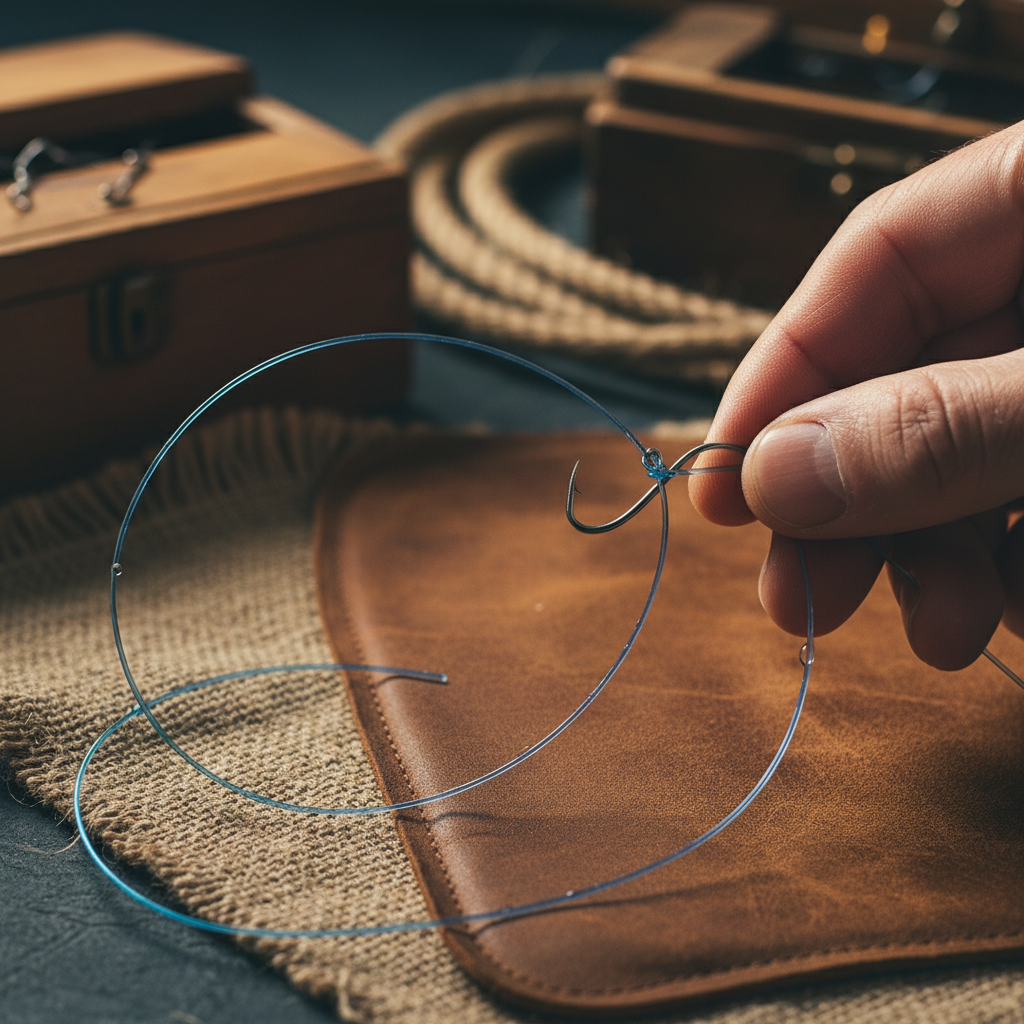
The Palomar knot is widely regarded as one of the strongest and most reliable knots for attaching line to hooks, swivels, and lures. It’s easy to tie and maintains a high percentage of the line’s breaking strength. The key to a strong Palomar knot is ensuring that the loop passes completely over the hook or swivel before tightening.
The Improved Clinch knot is another popular choice for attaching line to terminal tackle. It’s relatively easy to tie and provides good strength for monofilament and fluorocarbon lines. Be sure to make at least five or six wraps around the line before passing the end through the loop.
The Uni knot is a versatile knot that can be used for a variety of purposes, including attaching line to hooks, swivels, and lures, as well as joining two lines together. It’s a strong and reliable knot that’s relatively easy to learn. The key to a strong Uni knot is ensuring that the wraps are tight and uniform.
The Blood knot is specifically designed for joining two lines of similar diameter. It creates a strong and streamlined connection that’s ideal for creating leaders or repairing broken lines. The key to a strong Blood knot is ensuring that the wraps are tight and evenly distributed.
The Surgeon’s knot is a simple and effective knot for joining two lines together, particularly when one line is significantly thicker than the other. It’s easy to tie and provides good strength for a variety of line types.
Knot Selection: Matching the Knot to the Task
Choosing the right knot for the specific fishing scenario is crucial for maximizing your chances of success. Consider the type of line you’re using, the size of the fish you’re targeting, and the type of tackle you’re using when selecting a knot.
For example, when fishing for large, powerful fish with braided line, a Palomar knot or a Uni knot is a good choice. These knots are known for their strength and reliability with braided line. When fishing with monofilament or fluorocarbon line, an Improved Clinch knot or a Uni knot may be more suitable.
When joining two lines together, consider the diameter and material of the lines. A Blood knot is ideal for joining two lines of similar diameter and material. A Surgeon’s knot is a better choice when joining two lines of significantly different diameters.
Also, consider the specific application. For example, when tying a leader to your main line, you want a knot that is strong but also streamlined to minimize drag. A Blood knot or a Uni-to-Uni knot are good choices for this application.
Beyond the Basics: Advanced Knot-Tying Techniques
Once you’ve mastered the essential knots, you can begin to explore more advanced knot-tying techniques. These techniques can further enhance your knot strength and reliability, giving you an edge on the water.
One advanced technique is to use a knot-tying tool. These tools can help you tie knots more quickly and accurately, ensuring consistent knot strength. They are especially useful for tying complex knots or for anglers who have difficulty tying knots by hand.
Another advanced technique is to experiment with different knot variations. Many knots have multiple variations, each with its own strengths and weaknesses. By experimenting with different variations, you can find the knot that works best for your specific needs.
Finally, practice makes perfect. The more you practice tying knots, the better you’ll become at it. Take the time to practice your knot-tying skills regularly, even when you’re not fishing. This will help you develop muscle memory and improve your knot-tying speed and accuracy.
The Impact of Line Type on Knot Performance
The type of fishing line you use significantly impacts knot performance. Each type of line – monofilament, fluorocarbon, and braid – has unique characteristics that affect how it interacts with different knots. Understanding these differences is crucial for selecting the right knot and maximizing its strength.
Monofilament line is known for its stretch and abrasion resistance. It’s a good all-around line that works well with a variety of knots. However, monofilament can be prone to knot slippage if the knot is not tied properly. Knots like the Improved Clinch and Palomar perform well with monofilament when tied correctly and lubricated.
Fluorocarbon line is virtually invisible underwater and offers excellent abrasion resistance. However, it’s also stiffer and less supple than monofilament, which can make it more difficult to tie knots. Fluorocarbon also has a tendency to weaken when exposed to UV light. The Palomar knot and the Uni knot are good choices for fluorocarbon, as they provide a strong and secure connection.
Braided line is incredibly strong and has virtually no stretch. It’s ideal for fishing in heavy cover or for targeting large, powerful fish. However, braided line can be slippery, which can make it prone to knot slippage. Special knots designed for braided line, such as the Palomar knot with extra wraps or the Uni knot, are essential to prevent slippage. It’s also important to use a knot sealant or super glue to further secure the knot.
Troubleshooting Knot Failures: A Diagnostic Approach
Despite your best efforts, knots can still fail. When a knot breaks, it’s important to diagnose the cause of the failure so you can prevent it from happening again. A systematic approach can help you identify the root cause of the problem.
First, examine the broken knot closely. Look for signs of abrasion, slippage, or overheating. Abrasion indicates that the line was damaged by rubbing against a rough surface. Slippage suggests that the knot was not tied tightly enough or that the wrong knot was used for the type of line. Overheating indicates that the knot was tightened too quickly or without proper lubrication.
Next, consider the circumstances surrounding the knot failure. Were you fighting a large fish? Were you fishing in heavy cover? Did you recently re-tie the knot? The answers to these questions can provide clues about the cause of the failure.
If you suspect abrasion, inspect your line guides and your terminal tackle for any rough edges. If you suspect slippage, try using a different knot or adding more wraps to the knot. If you suspect overheating, be sure to lubricate the line thoroughly before tightening the knot.
Finally, don’t be afraid to experiment. Try tying different knots or using different knot-tying techniques. Keep a log of your knot failures and the circumstances surrounding them. Over time, you’ll develop a better understanding of what works and what doesn’t.
Knot Maintenance: Ensuring Long-Term Reliability
Even the best-tied knots can weaken over time due to wear and tear. Regular knot maintenance is essential for ensuring long-term reliability.
Inspect your knots regularly for signs of wear and tear. Look for fraying, abrasion, or discoloration. If you notice any of these signs, re-tie the knot immediately.
Re-tie your knots after catching a large fish or after fishing in heavy cover. These activities can put a lot of stress on your knots and weaken them.
Protect your knots from UV light. UV light can degrade fishing line and weaken knots. Store your tackle in a cool, dark place when not in use.
Consider using a knot sealant or super glue to further protect your knots. These products can help to prevent slippage and abrasion, extending the life of your knots. However, be sure to use a product that is specifically designed for fishing line.

The Psychology of Confidence: Knowing Your Knots Won’t Fail
Beyond the technical aspects of knot tying, there’s a psychological element at play. Confidence in your knots can significantly impact your fishing performance. When you know your knots are strong and reliable, you can fish with more aggression and focus, increasing your chances of success.
Conversely, doubt and uncertainty about your knots can lead to hesitation and missed opportunities. If you’re constantly worried about your knots breaking, you’re less likely to take risks and push your tackle to its limits.
Building confidence in your knots takes time and practice. Start by mastering a few essential knots and practicing them regularly. Test your knots by pulling on them with a spring scale or by attaching them to a heavy object.
As you gain experience, you’ll develop a feel for what a strong knot looks and feels like. You’ll also learn to recognize the signs of a weak or poorly tied knot.
Ultimately, confidence in your knots comes from knowing that you’ve done everything you can to ensure their strength and reliability. This includes selecting the right knot for the job, tying it properly, and maintaining it regularly.
Case Studies: Real-World Examples of Knot Success and Failure
Let’s examine some real-world examples of how knot selection and execution can impact fishing success:
**Case Study 1: The Tuna Tangle**
A seasoned saltwater angler was targeting bluefin tuna off the coast of California. He was using a high-end spinning reel spooled with 80lb braided line. He tied a San Diego Jam knot to connect his leader. After hooking a sizeable tuna, the fish made a powerful run, and the knot failed, costing him the fish and his expensive lure. Upon inspection, it was discovered that the San Diego Jam knot, while generally strong, wasn’t ideal for the slick surface of the braided line, and the angler hadn’t tightened it sufficiently. The lesson: Always double-check the suitability of the knot for the line type and ensure meticulous tightening.
**Case Study 2: The Bass Bonanza**
A weekend bass angler was fishing a local lake, using a Texas-rigged worm. He consistently used the Palomar knot to attach his hook. On a particularly productive day, he landed over a dozen bass, including a five-pounder. The Palomar knot, known for its strength and simplicity, proved to be the perfect choice for the heavy cover and aggressive hooksets required for bass fishing. The lesson: A reliable knot, consistently tied correctly, can make all the difference in a successful day on the water.
**Case Study 3: The Pike Predicament**
An ice fisherman was targeting pike through the ice. He was using a wire leader to prevent bite-offs. He used a simple overhand knot to attach the wire leader to his braided line. After hooking a large pike, the knot slipped, and the fish escaped with the lure. Wire leaders require specialized knots designed to grip the smooth metal surface. The lesson: Always use appropriate knots for specialized tackle like wire leaders.

The Future of Fishing Knots: Innovations and Trends
The world of fishing knots is constantly evolving, with new knots and knot-tying techniques being developed all the time. Technological advancements are also playing a role, with new tools and materials making knot tying easier and more efficient.
One trend is the increasing use of knot-tying apps and online resources. These resources provide detailed instructions and diagrams for tying a wide variety of knots, making it easier for anglers to learn new knots and improve their knot-tying skills.
Another trend is the development of new knot-tying tools. These tools can help anglers tie knots more quickly and accurately, ensuring consistent knot strength. Some tools are designed for specific knots, while others are more versatile and can be used for a variety of knots.
Finally, there’s a growing awareness of the importance of knot selection and execution. Anglers are becoming more educated about the different types of knots and their specific applications. They’re also paying more attention to the details of knot tying, ensuring that their knots are strong and reliable.
In conclusion, mastering the art of fishing knots is an ongoing journey. By understanding the fundamentals of knot tying, avoiding common mistakes, and staying up-to-date on the latest innovations, you can significantly improve your fishing success and enjoy the peace of mind that comes with knowing your knots won’t fail you when it matters most. It’s a craft that demands respect, precision, and a constant willingness to learn. So, take the time to hone your knot-tying skills, and you’ll be well on your way to becoming a more confident and successful angler. The unseen detail – the knot – will no longer be a potential weak point, but a source of strength and assurance in every cast.