The Allure of Perfection: A Fisherman’s Paradox
We’ve all been there. Standing on the bank of a river, the sun warming our backs, casting our line with unwavering optimism. We meticulously select our bait, ensuring it’s the right size, the right color, and the right texture. We strive for perfection, believing that the more flawless our presentation, the more likely we are to entice that elusive trophy fish. But what happens when our bait is too perfect? When it crosses the line from tempting to… suspicious?
It’s a paradox that plagues anglers of all levels. The relentless pursuit of an ideal presentation can ironically backfire, creating an artificiality that repels rather than attracts. Fish, much like humans, possess an innate sense of skepticism. They’ve evolved to detect anomalies, to recognize patterns that deviate from the natural order. A bait that appears too good to be true often triggers this alarm, resulting in a missed opportunity and a lingering sense of frustration.
Think about it. In nature, things are rarely flawless. A struggling insect might have a torn wing, a fleeing baitfish might exhibit an erratic swimming pattern due to injury. These imperfections are often what make them vulnerable, and therefore, attractive to predators. By striving for an unnatural level of perfection, we inadvertently remove these subtle cues that trigger a fish’s predatory instincts.
The Unnatural Lure: When Artifice Becomes Obvious
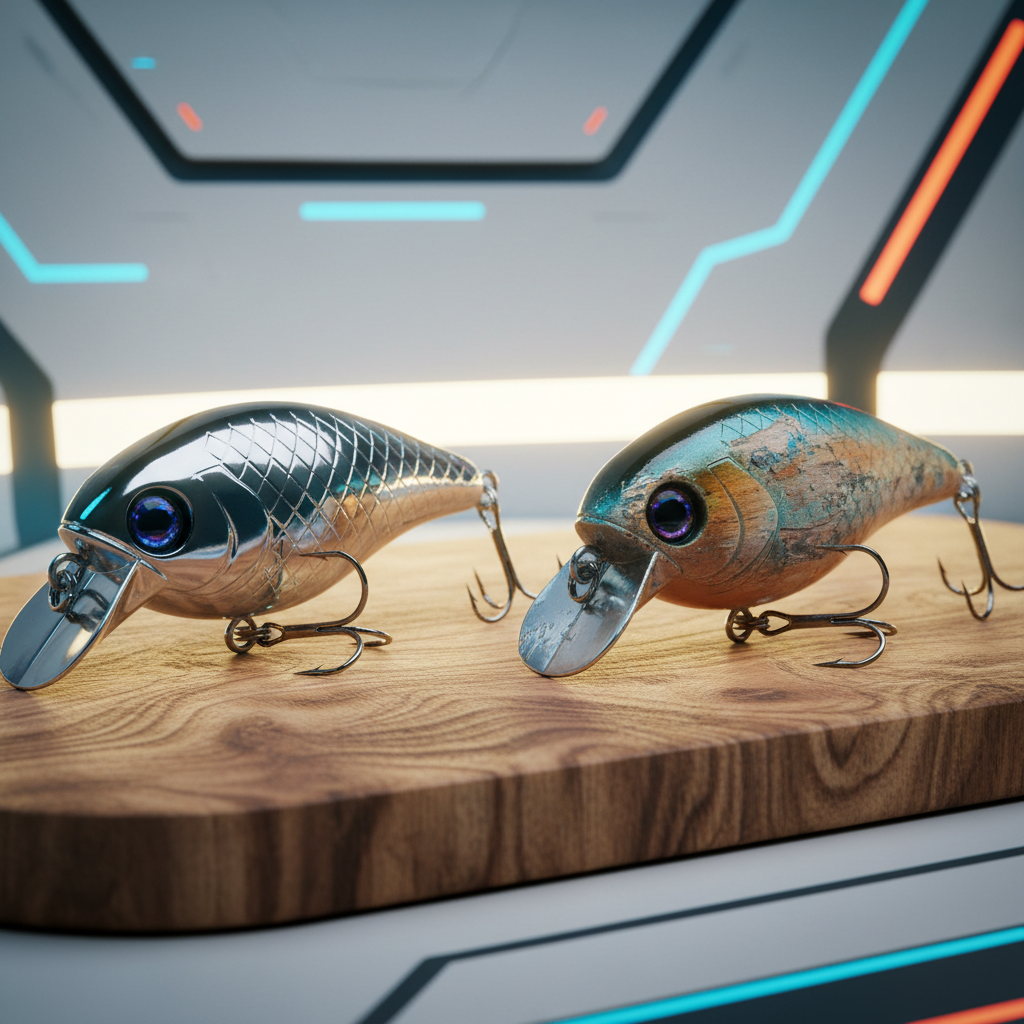
Consider the angler who meticulously cleans every speck of dirt from their lure, polishes it to a mirror sheen, and then casts it with robotic precision. While their dedication is admirable, they may be missing a crucial point: nature abhors perfection. A pristine lure, devoid of any imperfections, can appear unnatural and even threatening to a wary fish. It lacks the subtle nuances that trigger a feeding response. It screams “trap” rather than whispers “opportunity.”
This is especially true in pressured waters, where fish have learned to associate artificial lures with negative experiences. They’ve been caught and released, seen their brethren hooked and hauled away, and have developed a healthy dose of skepticism towards anything that seems too good to be true. In these environments, a slightly battered lure, with a few scratches and imperfections, might actually be more effective than a brand-new, flawless one.
Furthermore, the way we present our bait can also contribute to this sense of artificiality. A perfectly straight retrieve, with no variation in speed or direction, can appear unnatural and unappealing. Fish are accustomed to seeing prey that moves erratically, struggling to escape or exhibiting signs of distress. A robotic presentation, devoid of any spontaneity, can be a major turnoff.
Reading the Water: Context is King
Of course, the effectiveness of a “perfect” bait is highly dependent on the specific fishing conditions. In clear, pristine waters, where visibility is high and fish are highly selective, a flawless presentation might be necessary to entice a bite. However, in murky or stained waters, where visibility is limited, a more aggressive, attention-grabbing presentation might be more effective, regardless of how “perfect” it appears.
Similarly, the type of fish you’re targeting can also influence your approach. Some species, such as trout, are notoriously picky and require a highly refined presentation. Others, such as bass, are more opportunistic and are more likely to strike at a variety of lures, regardless of their level of perfection. Understanding the nuances of your target species and the specific environment you’re fishing in is crucial to determining the optimal presentation strategy.
The key is to “read the water” and adapt your approach accordingly. Pay attention to the clarity of the water, the prevailing weather conditions, and the behavior of the fish. Are they actively feeding on the surface, or are they holding deep in cover? Are they responding to subtle presentations, or are they ignoring everything you throw at them? By carefully observing these factors, you can fine-tune your approach and increase your chances of success.
The Art of Imperfection: Embracing Natural Variation
So, how do we avoid the trap of over-perfection? How do we create a presentation that is both enticing and believable? The answer lies in embracing imperfection. Instead of striving for flawless execution, we should focus on creating a presentation that mimics the natural behavior of prey. This means introducing subtle variations in speed, direction, and depth. It means allowing our lure to bump into rocks, snag on weeds, and otherwise exhibit the kind of erratic behavior that triggers a fish’s predatory instincts.
One technique is to intentionally introduce “mistakes” into your retrieve. For example, you might pause your lure momentarily, allowing it to sink slightly before resuming your retrieve. Or you might twitch your rod tip erratically, creating a jerky, unpredictable motion. These subtle variations can make your lure appear more lifelike and increase its appeal to wary fish.
Another technique is to “tune” your lures to create a more natural action. This might involve bending the bill of a crankbait slightly, or adding a small weight to the hook of a soft plastic lure. These modifications can alter the lure’s swimming action, making it more erratic and unpredictable. Experiment with different techniques and see what works best in your local waters.

Beyond the Lure: The Importance of Presentation
While the choice of lure is undoubtedly important, the way we present it is equally crucial. A perfect lure, presented poorly, is unlikely to entice a bite. Conversely, a less-than-perfect lure, presented with skill and finesse, can be incredibly effective. This is where the art of angling truly comes into play.
Consider the angler who understands the nuances of their fishing rod and reel. They know how to use their equipment to impart subtle actions to their lure, creating a presentation that is both natural and enticing. They can vary their retrieve speed, adjust their rod angle, and even use their body weight to create a more dynamic presentation. This level of control and finesse is what separates the successful anglers from the also-rans.
Moreover, the angle of your cast can also play a significant role in the effectiveness of your presentation. Casting upstream or downstream can create a more natural drift, allowing your lure to move with the current and appear less artificial. Experiment with different casting angles and see what works best in your local waters.
The Mind Game: Fishing Psychology
Ultimately, successful fishing is as much a mental game as it is a physical one. It requires patience, observation, and a willingness to adapt to changing conditions. It requires us to think like a fish, to understand their behavior, and to anticipate their movements. It requires us to overcome our own biases and assumptions, and to embrace the unpredictable nature of the sport.
One of the biggest challenges is overcoming the “perfectionist” mindset. We tend to believe that the more flawless our presentation, the more likely we are to catch fish. But as we’ve seen, this is not always the case. Sometimes, the most effective approach is to embrace imperfection, to allow our lure to move naturally, and to let the fish dictate the pace of the presentation.
This requires a certain level of detachment from the outcome. We need to be willing to experiment, to try new things, and to accept that failure is an inevitable part of the process. We need to focus on the process of fishing, rather than the outcome of catching, and to find enjoyment in the challenge itself.

The Imperfect Fisherman: Learning from Mistakes
Even the most experienced anglers make mistakes. We all have days when we can’t seem to catch a thing, no matter how hard we try. The key is to learn from these experiences, to analyze our mistakes, and to adjust our approach accordingly. What went wrong? Was our lure too perfect? Was our presentation too rigid? Were we fishing in the wrong location?
By asking ourselves these questions, we can gain valuable insights into our fishing habits and identify areas for improvement. We can also learn from the mistakes of others. Talk to other anglers, read fishing articles and books, and watch instructional videos. The more we learn about the sport, the better equipped we will be to overcome challenges and improve our success rate.
Remember, fishing is a lifelong journey of learning and discovery. There is always something new to learn, some new technique to master, some new challenge to overcome. The pursuit of perfection is a worthy goal, but it should not come at the expense of enjoyment and experimentation. Embrace the imperfections, learn from your mistakes, and never stop exploring the endless possibilities of the sport.
Final Cast: A Reflection on the Art of Angling
The next time you find yourself meticulously polishing your lures, remember the paradox of perfection. Ask yourself: am I creating a presentation that is enticing and believable, or am I inadvertently creating an artificiality that repels fish? Strive for natural variation, embrace imperfection, and let the fish dictate the pace of your presentation. And most importantly, remember to enjoy the process, regardless of the outcome. Because in the end, fishing is not just about catching fish; it’s about connecting with nature, challenging ourselves, and finding peace and tranquility in the great outdoors.

The most successful anglers are not necessarily the ones with the most expensive gear or the most flawless technique. They are the ones who understand the nuances of the sport, who are willing to adapt to changing conditions, and who possess the mental fortitude to persevere through setbacks. They are the ones who appreciate the art of angling, who respect the fish they pursue, and who find joy in the simple act of casting a line and connecting with the natural world. So, cast your line with confidence, embrace the imperfections, and let the adventure begin.