Unlocking the Angler’s Advantage: Understanding Trigger Baits
For generations, anglers have tossed hooks baited with everything from wriggling worms to shimmering spoons, all in the hopes of enticing a strike. But what truly separates a lucky cast from a calculated conquest? The answer, more often than not, lies in understanding the power of trigger baits – lures designed not merely to present a meal, but to elicit an instinctive reaction from the fish.
We’ve all heard the saying, “Fish don’t chase bait, they react to triggers.” But what does that really mean? It’s a profound statement that cuts to the core of predatory behavior in the underwater world. Fish, particularly predatory species, are highly attuned to their environment. They operate on instinct, driven by survival and fueled by the need to feed. A well-placed, intelligently chosen bait doesn’t just look like food; it mimics a signal that triggers a predatory response. It’s about tapping into their primal instincts.
Think of it this way: a bass isn’t analyzing the nutritional value of your crankbait. It’s reacting to the vibration, the flash of color, the sudden movement in its peripheral vision. These are the triggers that flip the switch, bypassing conscious thought and initiating an attack. Mastering the art of trigger baits is about understanding these cues and exploiting them to your advantage. It’s about becoming a student of the fish’s behavior, learning what makes them tick, and presenting them with an irresistible proposition they can’t refuse.
The Science of the Strike: Decoding Fish Behavior
Before we delve into the specifics of different trigger baits, it’s crucial to understand the underlying science that governs fish behavior. What sensory inputs do fish rely on, and how can we manipulate these to our benefit?
Fish possess a suite of sensory capabilities, some of which are vastly different from our own. Sight, smell, sound, and vibration all play a role in their perception of the world. However, the relative importance of each sense varies depending on the species, habitat, and water clarity. For instance, in murky waters, a bass might rely more heavily on vibration and scent than on sight. In clear, open water, visual cues might dominate.
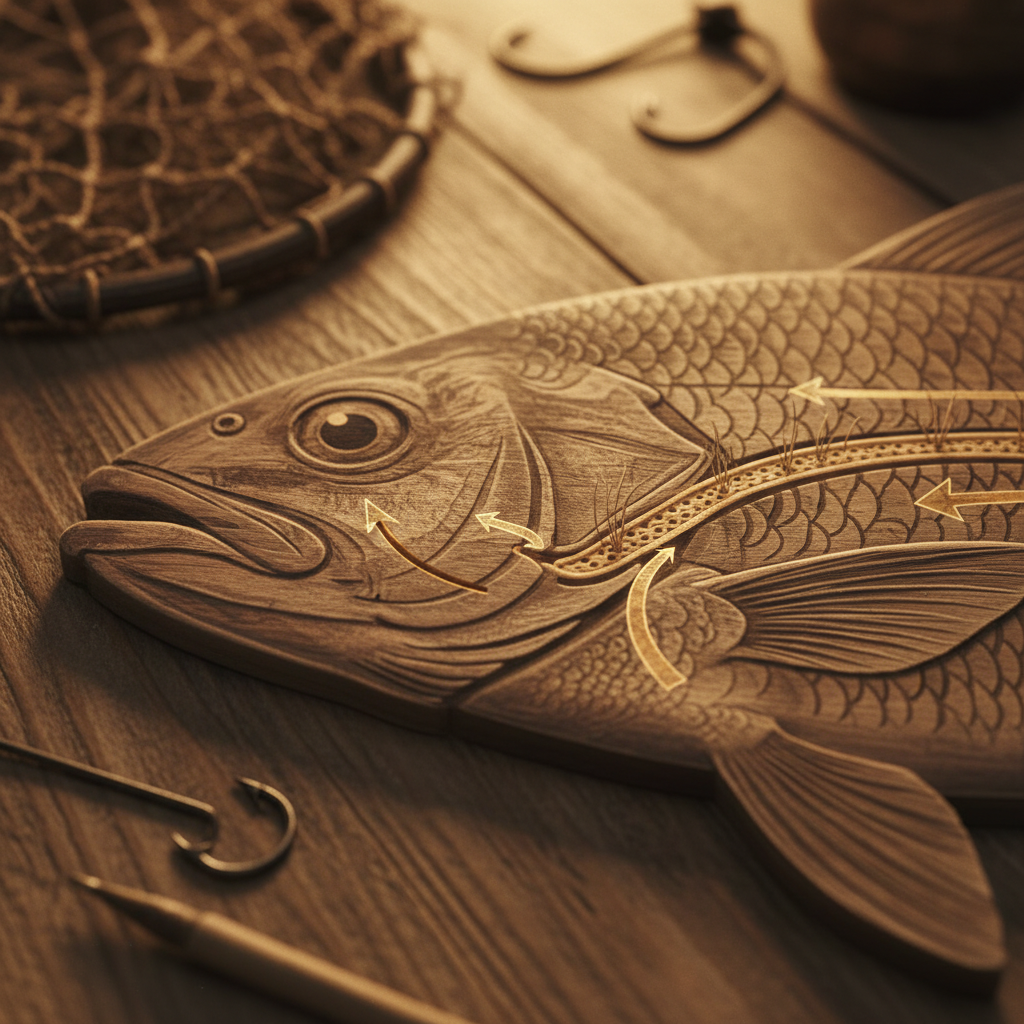
Consider the lateral line, a sensory organ unique to fish. This line runs along the sides of their body and detects changes in water pressure and movement. It’s like having a built-in sonar system that allows them to sense the presence of prey, predators, and obstacles, even in complete darkness. This is why lures that produce strong vibrations, such as crankbaits and spinnerbaits, can be so effective, especially in low-visibility conditions. They’re tapping into the fish’s lateral line, triggering an instinctive reaction to investigate the disturbance.
Furthermore, fish are highly sensitive to changes in their environment. A sudden temperature drop, a shift in current, or the presence of a new structure can all trigger changes in their behavior. These environmental cues can also influence their feeding habits. For example, after a cold front, bass might become lethargic and less likely to chase fast-moving lures. In these situations, a slower, more subtle presentation might be more effective. Understanding these nuances is key to selecting the right trigger bait for the prevailing conditions.
The strike itself is often a reflexive action, a burst of predatory energy triggered by a specific stimulus. The key is to understand what stimulus is most likely to elicit that response in the target species, and then present your bait in a way that maximizes its effectiveness.
Decoding the Arsenal: Types of Trigger Baits and Their Applications
Now that we have a grasp on the underlying principles of trigger baits, let’s explore some specific examples and their applications in different fishing scenarios. The world of fishing lures is vast and varied, but they can generally be categorized based on the type of trigger they employ.
Vibration Baits: The Rhythmic Pulse of Attraction
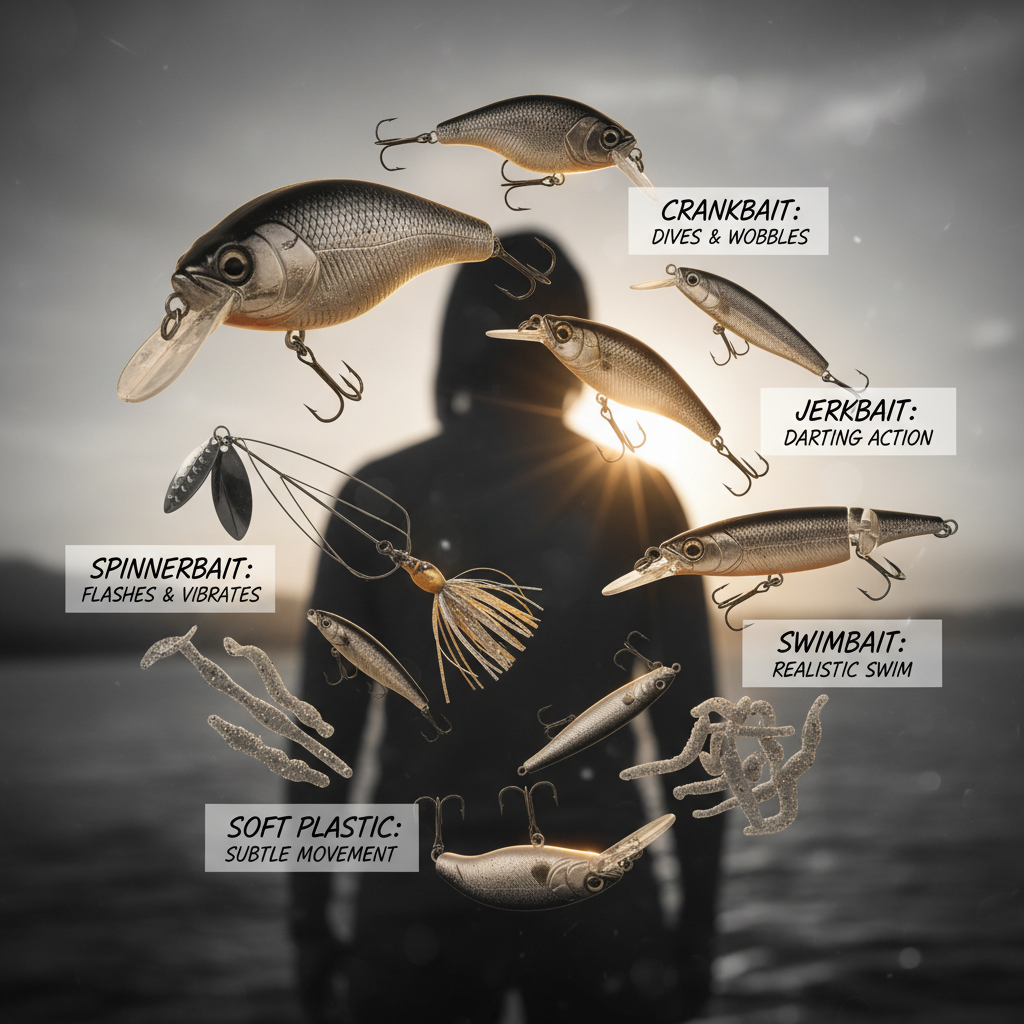
Vibration baits, as the name suggests, rely on vibration to attract fish. These lures typically feature a built-in rattle or a design that creates significant water displacement. Crankbaits, spinnerbaits, and lipless crankbaits are all prime examples of vibration baits.
Crankbaits, with their wobbling action, are particularly effective for covering large areas of water quickly. The vibration they produce mimics the movement of a fleeing baitfish, triggering a chase response in predatory fish. The size and shape of the crankbait, as well as its diving depth, can be adjusted to match the specific conditions and the target species.
Spinnerbaits, with their flashing blades, create both vibration and visual attraction. The spinning blades mimic the movement of multiple baitfish, creating a chaotic and enticing target. Spinnerbaits are particularly effective in stained or murky water, where visibility is limited. The flash of the blades helps the fish to locate the lure, while the vibration triggers their predatory instincts.
Lipless crankbaits combine the vibration of a crankbait with a tighter, more subtle action. These lures are versatile and can be retrieved at various speeds, making them effective in a wide range of fishing conditions. They are particularly useful for fishing around grass beds or other submerged structures, where their tight wobble allows them to navigate through the cover without snagging.
Visual Baits: The Allure of Sight
Visual baits rely primarily on sight to attract fish. These lures typically feature realistic designs, vibrant colors, or reflective surfaces. Jerkbaits, swimbaits, and topwater lures are all examples of visual baits.
Jerkbaits mimic the erratic movement of an injured baitfish. The angler imparts a series of jerks and pauses to the lure, creating a stop-and-go action that is irresistible to predatory fish. Jerkbaits are particularly effective in clear water, where the fish can easily see the lure. The key is to vary the retrieve until you find the cadence that triggers the most strikes.
Swimbaits are designed to imitate the natural swimming action of a baitfish. These lures are typically made of soft plastic and feature a segmented body that allows them to move realistically through the water. Swimbaits are particularly effective for targeting large predatory fish, such as bass, pike, and musky. The key is to choose a swimbait that matches the size and profile of the prevalent baitfish in the area.
Topwater lures create a visual spectacle on the surface of the water. These lures can be poppers, walkers, or buzzbaits, each with its own unique action. Topwater lures are particularly effective in shallow water or around submerged structures, where fish are likely to be looking up for prey. The explosive strikes that topwater lures elicit are some of the most exciting moments in fishing.
Scent Baits: The Power of Olfactory Appeal
Scent baits rely on the sense of smell to attract fish. These lures are typically infused with natural or artificial scents that mimic the odor of prey. Soft plastic lures, such as worms, craws, and tubes, are often used as scent baits.
Scent can be a powerful trigger, especially in murky water or when fish are feeding in heavily pressured areas. The scent helps the fish to locate the lure, even when visibility is limited. It also encourages them to hold onto the lure longer, giving the angler more time to set the hook.
Many anglers use scent attractants to enhance the effectiveness of their lures. These attractants can be applied directly to the lure or injected into soft plastic baits. Popular scents include garlic, anise, and crawfish. The key is to experiment with different scents to find what works best in your local waters.
Mastering the Presentation: The Art of Triggering the Strike
Choosing the right trigger bait is only half the battle. The other half lies in presenting the bait in a way that maximizes its effectiveness. This involves factors such as retrieve speed, lure action, and the overall presentation of the lure in relation to the fish.
Retrieve Speed: Finding the Sweet Spot
Retrieve speed is a critical factor in triggering strikes. Too fast, and the fish might not have time to react. Too slow, and the lure might not generate enough action to attract their attention. The ideal retrieve speed depends on the type of lure, the water conditions, and the behavior of the fish.
As a general rule, faster retrieves are more effective in warm water, when fish are more active. Slower retrieves are better in cold water, when fish are more lethargic. However, there are always exceptions to this rule. The key is to experiment with different retrieve speeds until you find what works best on a given day.
When fishing with crankbaits, vary the retrieve speed to create different actions. A steady retrieve will produce a consistent wobble, while a stop-and-go retrieve can trigger reaction strikes. When fishing with jerkbaits, use a series of jerks and pauses to create an erratic, lifelike action. The key is to vary the cadence until you find the rhythm that triggers the most strikes.
Lure Action: Mimicking Natural Movement
The action of the lure is another critical factor in triggering strikes. The lure should mimic the natural movement of prey as closely as possible. This involves choosing a lure with the right size, shape, and color to match the prevalent baitfish in the area.
When fishing with swimbaits, choose a lure that matches the size and profile of the local baitfish. Use a retrieve speed that allows the swimbait to move naturally through the water. When fishing with topwater lures, create a realistic surface disturbance that mimics the movement of a struggling prey item. The key is to pay attention to the details and strive for a lifelike presentation.
Presentation: Putting it All Together
The overall presentation of the lure is the culmination of all the factors we’ve discussed. This involves positioning the lure in the right location, using the appropriate retrieve speed, and creating a natural, enticing action. The key is to think like a fish and understand what would trigger a strike.
When fishing around structure, such as rocks, logs, or grass beds, position the lure so that it passes close to the cover. Fish often ambush their prey from these locations, so presenting the lure in the right spot can greatly increase your chances of success. When fishing in open water, use a variety of retrieve techniques to cover different depths and areas. The key is to be versatile and adaptable, and to never stop experimenting until you find what works best.

Beyond the Basics: Advanced Trigger Bait Strategies
Once you’ve mastered the fundamentals of trigger baits, you can start experimenting with more advanced strategies to further enhance your fishing success. These strategies involve fine-tuning your presentations, adapting to changing conditions, and thinking outside the box to create unique and irresistible triggers.
Color Selection: Matching the Hatch and Beyond
Color selection is a topic that often sparks debate among anglers. Some believe that color is crucial, while others argue that it’s less important than other factors, such as lure action and presentation. The truth likely lies somewhere in between. Color can definitely play a role in triggering strikes, but its importance varies depending on the water clarity, the weather conditions, and the preferences of the fish.
In clear water, natural-looking colors, such as greens, browns, and blues, are often effective. These colors mimic the appearance of natural prey and can help to fool wary fish. In murky water, brighter colors, such as chartreuse, orange, and red, can be more effective. These colors provide greater visibility and can help the fish to locate the lure, even in low-light conditions.
However, there are also times when unconventional colors can trigger strikes. Sometimes, a bright, gaudy color can stand out from the surrounding environment and attract the attention of fish. Other times, a subtle, understated color can be more effective at fooling pressured fish. The key is to experiment with different colors and see what works best on a given day.
Scent Enhancement: The Olfactory Edge
As we discussed earlier, scent can be a powerful trigger for fish. However, not all scents are created equal. Some scents are more effective than others, depending on the species of fish, the water conditions, and the type of prey that is prevalent in the area.
Natural scents, such as those derived from fish, crawfish, or worms, are often highly effective. These scents mimic the natural odor of prey and can trigger a strong feeding response in fish. Artificial scents, such as those that smell like garlic, anise, or coffee, can also be effective. These scents can mask human odors and attract fish from a distance.
When using scent attractants, it’s important to apply them properly. Some attractants are designed to be sprayed directly onto the lure, while others are designed to be injected into soft plastic baits. The key is to follow the manufacturer’s instructions and to apply the scent evenly and consistently.
Sound Amplification: Creating an Underwater Symphony
Sound can also be a powerful trigger for fish. Many lures, such as crankbaits and spinnerbaits, produce sound vibrations that attract fish from a distance. However, you can also use sound to your advantage by adding rattles or other noise-making devices to your lures.
Rattles can be particularly effective in murky water, where visibility is limited. The sound vibrations produced by the rattles can help the fish to locate the lure, even when they can’t see it. Rattles can also be effective in heavily pressured areas, where fish have become accustomed to seeing the same lures over and over again. The unique sound of a rattle can help to differentiate your lure from the competition.
However, it’s important to use rattles judiciously. In some situations, too much noise can actually spook fish. The key is to experiment with different types of rattles and see what works best in your local waters.

The Zen of Trigger Baits: Patience, Observation, and Adaptation
Ultimately, mastering the art of trigger baits is about more than just choosing the right lure and presenting it effectively. It’s about developing a deep understanding of fish behavior, learning to read the water, and adapting to changing conditions. It’s about becoming a student of the game and constantly striving to improve your skills.
Patience is a virtue in fishing, especially when using trigger baits. It takes time to experiment with different lures, retrieve techniques, and presentations to find what works best. Don’t get discouraged if you don’t catch fish right away. Keep trying, keep learning, and eventually, you’ll start to see results.
Observation is also crucial. Pay attention to the water conditions, the weather, and the behavior of the fish. Are they active or lethargic? Are they feeding on the surface or near the bottom? Are they holding near structure or roaming in open water? The more you observe, the better you’ll be able to adapt your strategy to the prevailing conditions.
Adaptation is the key to long-term success. Fish are constantly adapting to their environment, and anglers must do the same. Be willing to change your lures, your retrieve techniques, and your presentations as needed. Don’t be afraid to try new things and to think outside the box. The most successful anglers are those who are always learning and always adapting.
So, the next time you’re on the water, remember that fish don’t chase bait – they react to triggers. Focus on understanding those triggers, mastering your presentation, and adapting to the ever-changing conditions. With patience, observation, and a little bit of luck, you’ll be well on your way to unlocking the angler’s advantage and enjoying more success on the water. By understanding the subtle nuances of what provokes a strike, you can elevate your fishing game from a mere pastime to a finely tuned art form. Happy fishing!