The Allure of Overkill: When More Isn’t Merrier
We’ve all been there. Standing on the bank, tackle box overflowing, the sun glinting off a dizzying array of lures, hooks, and attractants. A primal urge takes hold – the need to do something, to enhance our chances, to leave no stone unturned (or, in this case, no fish un-tempted). This is the moment when the subtle art of angling can devolve into a frantic, over-the-top display of “fishing effort.” And it’s often the moment when we start overworking the bait.
But what does it even mean to “overwork the bait”? Isn’t the point to make it as appealing as possible? Isn’t more action, more flash, more scent, always better? The simple answer, as any seasoned angler knows, is a resounding no. Just like a chef can ruin a perfectly good steak with too much seasoning, we can easily sabotage our fishing attempts by overwhelming the fish with a presentation that screams, “Danger! Artifice! Avoid!”
The key is understanding that fishing isn’t just about presenting something enticing. It’s about presenting something believable. It’s about mimicking nature, understanding the nuances of fish behavior, and appealing to their instincts in a way that feels authentic, not artificial.
The Psychology of the Spooked Fish
Think about it from the fish’s perspective. They live in a world constantly filled with threats – predators lurking in the shadows, changes in water conditions, the rumble of boats overhead. They are masters of observation, finely tuned to detect anything out of the ordinary. A natural food source, like a minnow or insect, moves with a certain grace and predictability. It behaves in a way that aligns with the natural flow of its environment.
Now, imagine a lure that’s been overloaded with gadgets and gizmos. It might flash and shimmer brilliantly, but it also moves erratically, vibrates excessively, and throws off a cacophony of unnatural sounds. To a wary fish, this isn’t an irresistible meal; it’s a flashing red warning sign. It’s the equivalent of a used car salesman with a neon sign screaming, “Deal of a lifetime!” You might look, but you probably wouldn’t buy.
The more we try to “improve” our bait with excessive additions, the further we stray from the realm of natural presentation. We create something that might catch our eye, but ultimately repels the fish we’re trying to attract. This isn’t to say that attractants and modifications are always bad. It’s about understanding when and how to use them effectively, and knowing when to exercise restraint.
Common Culprits: How We Overwork Our Bait
So, what are some of the most common ways we end up overworking our bait? Let’s explore a few scenarios:
The “Christmas Tree” Lure: Excessive Add-ons
This is the classic example: a lure adorned with so many spinners, beads, and plastic appendages that it resembles a miniature Christmas tree. While a bit of flash can be effective in certain situations, overloading a lure with too much hardware can create several problems.
First, it can drastically alter the lure’s action. It might make it run too deep, wobble erratically, or simply become too cumbersome for the fish to easily strike. Second, it can create an unnatural profile that spooks wary fish. They might see the flash, but they also see a chaotic mess of metal and plastic that doesn’t resemble anything they would naturally encounter.
Example: A bass angler adds three spinner blades, two plastic worms, and a rattle to a crankbait, hoping to attract more attention. Instead, the lure becomes unbalanced, dives erratically, and fails to trigger any strikes. A simpler presentation with just the crankbait or a single trailer hook might have been more effective.

The Scent Overload: Too Much, Too Strong
Scent attractants can be powerful tools, masking unnatural odors and enticing fish to strike. However, just like with visual enhancements, there’s a point of diminishing returns. Overloading your bait with excessive scent can be just as detrimental as overdoing the flash.
The problem lies in the intensity and artificiality of the scent. A subtle, natural-smelling attractant can pique a fish’s curiosity and trigger a feeding response. But a strong, overpowering, or chemically artificial scent can be off-putting, signaling danger or simply overwhelming their senses. Think of it like wearing too much cologne – a subtle hint is alluring, but a cloud of overpowering fragrance is a turn-off.
Example: A trout angler soaks their artificial worm in a potent garlic-scented attractant, hoping to entice wary fish. Instead, the strong smell repels the trout, which are accustomed to more natural scents like earthworms or insects. A more subtle attractant or simply a clean, un-scented worm might have been more effective.
The Hyperactive Presentation: Too Much Action
The way you present your bait is just as important as the bait itself. An overly aggressive or erratic presentation can spook fish just as easily as an unnatural-looking lure. This is especially true in clear water or when targeting pressured fish.
The key is to match your presentation to the conditions and the fish’s mood. Sometimes, a slow, subtle retrieve is all it takes to entice a strike. Other times, a more aggressive retrieve might be necessary to trigger a reaction. But constantly ripping, jerking, and twitching your bait without any rhyme or reason is likely to do more harm than good.
Example: A walleye angler aggressively jigs their lure in clear, calm water, creating a loud, erratic presentation. The noise and commotion spook the walleye, which are more likely to respond to a slow, subtle presentation in those conditions. A slow, dragging retrieve or a gentle jigging motion might be more effective.
The Art of Subtlety: When Less Is Truly More
So, how do you avoid overworking the bait? How do you strike the right balance between attracting attention and maintaining a natural, believable presentation? Here are a few guidelines to keep in mind:
Know Your Target: Understand Fish Behavior
The first step is to understand the behavior and preferences of the fish you’re targeting. What do they typically eat? What kind of habitat do they prefer? How do they react to different types of presentations? The more you know about your quarry, the better equipped you’ll be to choose the right bait and present it effectively.
For example, trout are often wary and selective, preferring natural-looking baits and subtle presentations. Bass, on the other hand, can be more aggressive and willing to strike a variety of lures, but they can still be spooked by overly unnatural presentations. Walleye often prefer slower presentations, especially in clear water, while pike and musky may be more responsive to fast-moving, flashy lures.
Match the Hatch: Mimic Natural Food Sources
Whenever possible, try to mimic the natural food sources that the fish are feeding on. This is especially important when targeting wary or pressured fish. Observe the water conditions, identify the dominant prey species, and choose baits that closely resemble them in size, shape, and color.
If you’re fishing a lake where small minnows are abundant, try using a small crankbait or swimbait that imitates their appearance. If you’re fishing a stream where insects are hatching, try using a fly or small lure that imitates the insects. The closer you can match the hatch, the more likely you are to fool the fish.
Simplify Your Presentation: Focus on the Essentials
When in doubt, err on the side of simplicity. Start with a basic bait and presentation, and gradually add or adjust as needed. Don’t feel the need to overload your lure with every possible add-on. Often, the most effective baits are the simplest ones.
A single jig with a simple trailer, a plain crankbait, or a bare hook with live bait can often be more effective than a complex, overloaded concoction. Focus on presenting the bait in a natural and believable way, and let the fish do the rest.
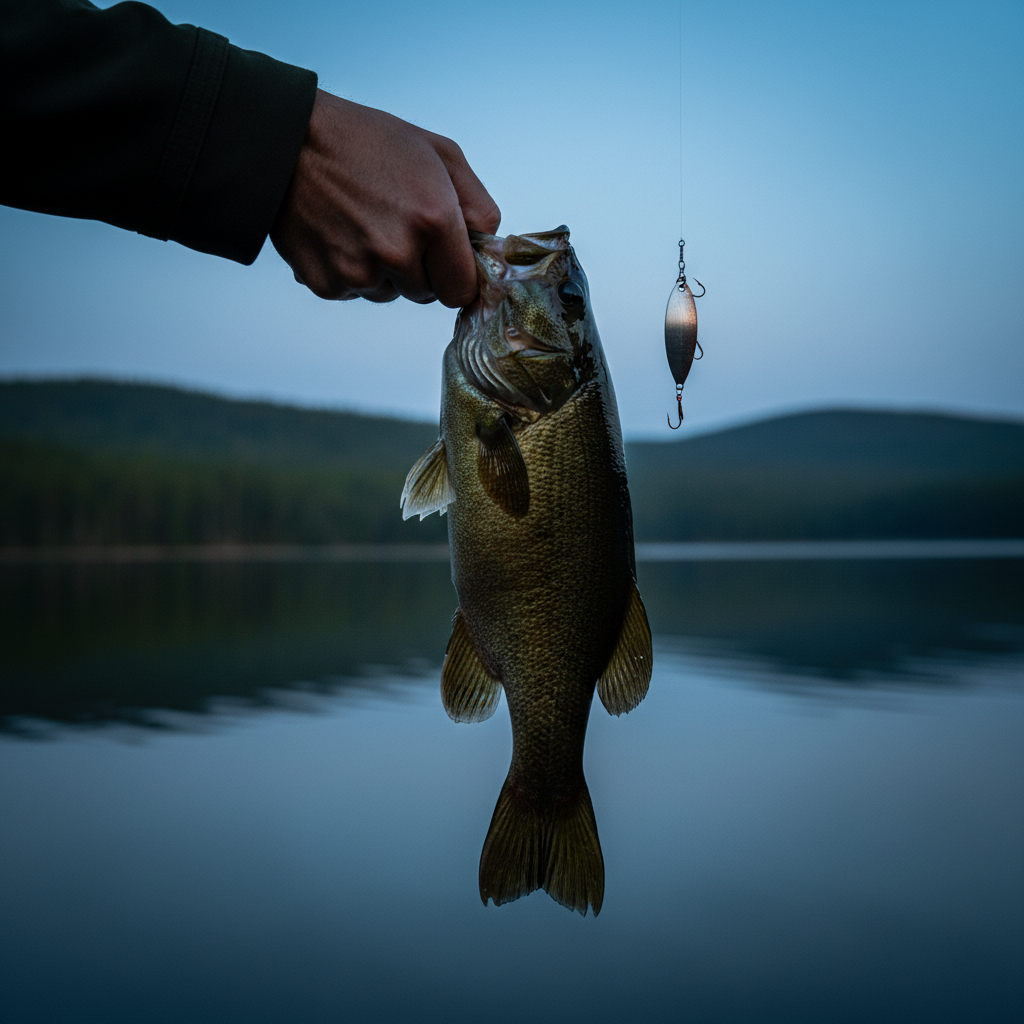
Observe and Adapt: Pay Attention to the Fish’s Response
The most important thing is to pay attention to the fish’s response. Are they following your bait but not striking? Are they striking and missing? Are they ignoring your bait altogether? Use this information to adjust your presentation accordingly.
If the fish are following your bait but not striking, try slowing down your retrieve, changing the action of your lure, or switching to a smaller bait. If they’re striking and missing, try using a sharper hook, setting the hook more quickly, or switching to a bait with a better hook-up ratio. If they’re ignoring your bait altogether, try switching to a different type of bait, fishing in a different location, or adjusting your presentation to match the conditions.
Case Studies: Learning from Experience
Let’s examine a couple of real-world scenarios where overworking the bait proved detrimental, and how a more subtle approach led to success:
Case Study 1: The Overzealous Bass Angler
A bass angler, eager to catch a trophy fish, arrived at a local lake armed with a tackle box overflowing with lures and attractants. He started by rigging a large swimbait with multiple hooks, spinner blades, and a scent attractant, hoping to trigger a massive strike. He cast the lure repeatedly, but received no interest from the bass.
Frustrated, he continued to switch lures and add-ons, each more elaborate than the last. He tried everything from rattling crankbaits to oversized jigs with multiple trailers, but nothing seemed to work. The bass seemed completely uninterested in his offerings.
Finally, in desperation, he decided to simplify his approach. He removed all the extra hardware from his swimbait, leaving just the bare lure with a single hook. He then slowed down his retrieve and focused on presenting the lure in a natural and believable way. On his very next cast, he hooked into a large bass that had been watching his previous presentations with suspicion. The simpler, more natural presentation had finally fooled the wary fish.
Case Study 2: The Trout Fisherman’s Revelation
A trout fisherman, determined to catch his limit, arrived at a local stream armed with a variety of artificial worms and attractants. He soaked his worms in a potent garlic-scented attractant, hoping to entice the trout to strike. He cast his worm repeatedly, but received no bites.
He noticed other anglers nearby catching fish with simple, un-scented worms. Intrigued, he decided to try a different approach. He removed the garlic scent from his worm and began presenting it in a more natural and subtle way, allowing it to drift naturally with the current.
Almost immediately, he started catching fish. The trout, which had been repelled by the strong garlic scent, were now eager to strike his un-scented worm. He realized that less was truly more when it came to attracting wary trout.
The Zen of Fishing: Finding Harmony in Simplicity
Ultimately, the art of fishing is about more than just catching fish. It’s about connecting with nature, honing your skills, and finding a sense of peace and tranquility. Overworking the bait can disrupt this harmony, turning a relaxing pastime into a stressful and frustrating experience.
By embracing simplicity, understanding fish behavior, and paying attention to the subtle cues of the environment, you can unlock a deeper level of angling success. You’ll not only catch more fish, but you’ll also develop a greater appreciation for the art of fishing and the natural world.
So, the next time you’re standing on the bank, tackle box overflowing, resist the urge to overwork the bait. Take a deep breath, observe your surroundings, and ask yourself: “What would a fish actually eat in this situation?” The answer might surprise you. It might be simpler, more subtle, and more natural than you ever imagined.

Beyond the Bait: Cultivating a Mindful Approach
The principle of avoiding overwork extends beyond just the bait itself. It permeates the entire fishing experience. Are you overthinking your strategy? Are you constantly changing locations without giving each spot a fair chance? Are you letting frustration dictate your decisions?
Sometimes, the best thing you can do is to slow down, breathe, and simply be present in the moment. Observe the water, feel the wind, and listen to the sounds of nature. Let your intuition guide you, and trust that the fish will eventually come.
This mindful approach can transform your fishing experience from a frantic pursuit of success to a peaceful and rewarding connection with the natural world. It’s about appreciating the journey, not just the destination. It’s about finding joy in the simple act of casting a line and waiting patiently for a bite.
The Long Game: Patience and Persistence
Fishing is a game of patience and persistence. There will be days when the fish aren’t biting, no matter what you do. There will be days when you try every lure in your tackle box without any success. There will be days when you feel like giving up and going home.
But it’s on those days that your true character as an angler is revealed. It’s on those days that you learn the importance of perseverance, the value of observation, and the power of positive thinking. Don’t let frustration get the best of you. Keep casting, keep experimenting, and keep learning. Eventually, your efforts will be rewarded.
And remember, even on the days when you don’t catch a single fish, you’re still gaining valuable experience. You’re learning about fish behavior, water conditions, and the nuances of angling. You’re honing your skills and developing a deeper understanding of the natural world. And that, in itself, is a victory.

The Ripple Effect: Responsible Angling and Conservation
By adopting a more mindful and sustainable approach to fishing, we can also contribute to the conservation of our aquatic resources. Overworking the bait, using excessive amounts of attractants, and engaging in unsustainable fishing practices can all have negative impacts on the environment.
By choosing our baits and presentations carefully, minimizing our impact on the water, and practicing catch-and-release when appropriate, we can help ensure that future generations will have the opportunity to enjoy the same fishing experiences that we do.
Ultimately, responsible angling is about respecting the fish, the environment, and the traditions of the sport. It’s about understanding that we are all stewards of our aquatic resources, and that it’s our responsibility to protect them for future generations. So, the next time you’re out on the water, remember to fish responsibly, fish sustainably, and fish with respect. And remember, sometimes the best way to catch a fish is to simply let them be.