The Unseen Culprit: Are You Spooking the Fish?
We’ve all been there. Standing on the shore, the air crisp, the anticipation building with each cast. You’ve got the perfect bait, a brand-new line, and a spot that’s practically legendary among local anglers. Yet, after hours of patient waiting, your bucket remains stubbornly empty. What gives? While many factors contribute to fishing success – or the lack thereof – there’s one often-overlooked element that can make or break your chances: the invisible presentation mistake. This mistake, subtle yet profound, has the power to scare fish away before they even get a whiff of your meticulously chosen bait. We’re talking about unnatural movement, vibrations, and visual cues that scream “danger” to the underwater world.
Think of it this way: fish are creatures of habit and keen observers. They live in a world where survival depends on detecting the slightest anomaly. A perfectly presented bait mimics their natural food sources, lulling them into a false sense of security. But introduce an unnatural element, a jerky retrieve, a glint of metal, or a vibration that doesn’t belong, and you’ve instantly raised alarm bells. Imagine trying to sneak up on a deer in the forest while wearing noisy shoes and a bright orange jacket. The fish are just as sensitive, if not more so, to their environment.
Understanding the Underwater World
To truly grasp the impact of the invisible presentation mistake, we need to dive deeper (pun intended!) into how fish perceive their surroundings. Unlike humans, who rely heavily on sight, fish use a complex combination of senses to navigate, hunt, and avoid predators. These include:
- Vision: While visibility varies depending on water clarity and depth, fish can still see surprisingly well. They are particularly sensitive to movement and contrasting colors.
- Hearing: Fish don’t have external ears like we do, but they possess an internal hearing system and a lateral line, a sensory organ that runs along their sides. This allows them to detect vibrations and pressure changes in the water, essentially “hearing” with their entire body.
- Smell: Fish have an incredibly acute sense of smell, which they use to locate food, find mates, and avoid danger.
- Taste: Taste buds are not just in their mouths; many fish have them distributed across their bodies, allowing them to “taste” the water around them.
This multi-sensory awareness means that fish are constantly receiving information about their environment. Any unnatural disturbance can trigger an immediate flight response. This is why a seemingly insignificant mistake in your presentation can have a disproportionate impact on your fishing success.
Common Culprits of the Invisible Presentation Mistake
Now that we understand the importance of natural presentation, let’s explore some of the most common culprits behind the invisible presentation mistake. These often-overlooked details can be the difference between a successful fishing trip and a frustrating day on the water.
Line Visibility: The Unseen Snare
One of the most common, yet often ignored, factors is line visibility. In clear water conditions, a thick, brightly colored fishing line can stick out like a sore thumb. Fish are surprisingly adept at spotting these unnatural lines, especially when they are suspended unnaturally in the water column. The line creates an obvious connection between the bait and the angler, immediately raising suspicion.
Solution: Opt for fluorocarbon or monofilament lines with low visibility. Fluorocarbon is nearly invisible underwater, while monofilament comes in various shades that blend well with different water conditions. Adjusting your line size to the targeted species is also crucial. Using excessively heavy line can create unnecessary drag and increase visibility. Consider using a fluorocarbon leader in clear water to further minimize line visibility near your bait. This is especially important when fishing for wary species like trout or bass.

Unnatural Bait Movement: Jerky Retrieves and Robotic Action
Another major offender is unnatural bait movement. Fish are accustomed to seeing their prey move in specific ways. A minnow darts erratically, a worm wiggles enticingly, and a crayfish scuttles along the bottom. When your bait’s movement deviates from these natural patterns, it sends a clear signal of danger.
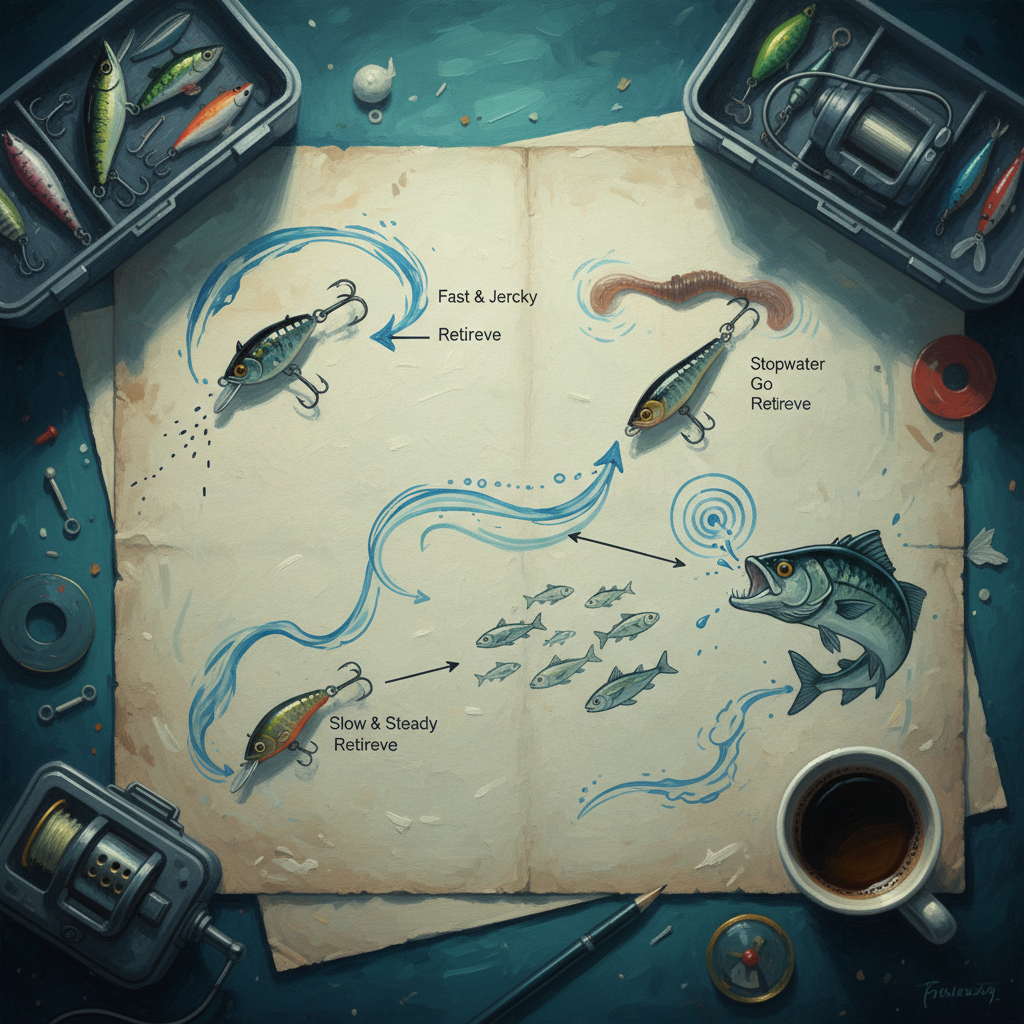
Solution: Practice varying your retrieve speeds and techniques. Experiment with pauses, twitches, and erratic movements to mimic the behavior of natural prey. Observe how real baitfish move in the water and try to replicate their actions. If you’re using a lure, choose one with realistic action and adjust your retrieve to match. Avoid jerky, robotic movements that look unnatural. Slow, deliberate retrieves are often more effective, especially in clear water or when fish are pressured. Consider using a loop knot to attach your lure, which allows for more natural movement.
Terminal Tackle Troubles: Shiny Hooks and Clumsy Swivels
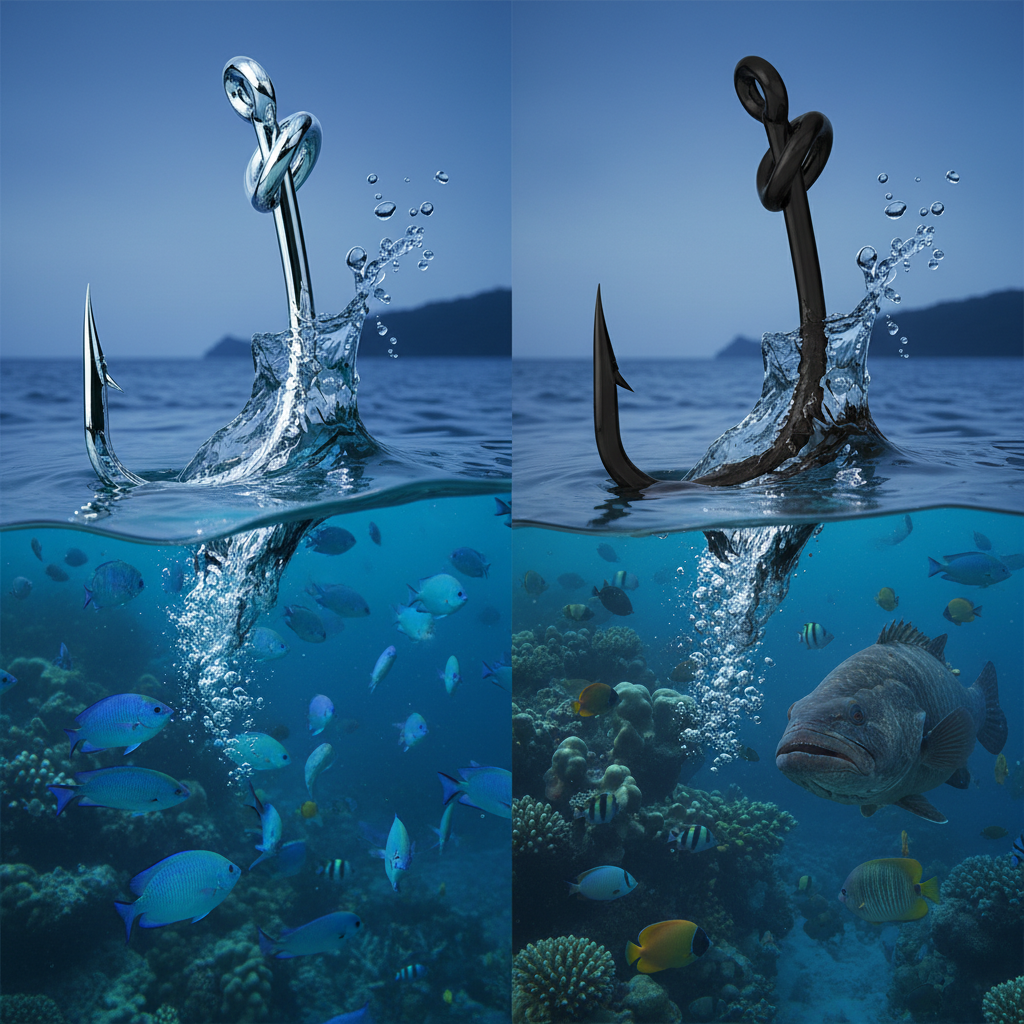
The terminal tackle you use can also contribute to the invisible presentation mistake. Shiny hooks and bulky swivels can reflect light and create unnatural flashes underwater, spooking wary fish. These metallic glints are particularly noticeable in clear water and bright sunlight.
Solution: Use hooks with a dull finish or camouflage them with a permanent marker. Opt for smaller, less conspicuous swivels and snaps. Consider using a swivel with a matte finish or covering it with a small piece of shrink tubing to reduce its visibility. When fishing in heavily pressured waters, try tying your line directly to the lure whenever possible to eliminate unnecessary hardware. Also, ensure your knots are neat and trimmed close to the hook eye to minimize any unnatural appearance.
Vibrations and Noise: The Silent Alarms
As mentioned earlier, fish are incredibly sensitive to vibrations and noise in the water. Any unnatural vibration can trigger a flight response. This includes vibrations from your boat, your fishing line rubbing against rocks, or even your footsteps on the shore.
Solution: Minimize unnecessary noise and vibrations. Avoid slamming your boat hatches or dropping heavy objects on the deck. When fishing from shore, walk softly and avoid making sudden movements. Use a line that is smooth and doesn’t create excessive friction as it passes through your rod guides. Consider using a rubber landing net to minimize noise when landing fish. Be mindful of the vibrations you’re creating, even if you can’t hear them yourself. Fish can detect these subtle disturbances from a considerable distance.
Scent Considerations: Unnatural Odors and Contaminants
While technically not an “invisible” mistake, scent plays a crucial role in how fish perceive your bait. Unnatural odors, such as sunscreen, insect repellent, or gasoline, can contaminate your bait and deter fish. These foreign smells can mask the natural scent of your bait and make it less appealing.
Solution: Wash your hands thoroughly before handling bait and avoid using scented products near your fishing gear. Store your bait in a clean container and keep it away from potential contaminants. Consider using a scent attractant that mimics the natural odors of prey. Experiment with different scents to see what works best in your local waters. Some anglers even believe that certain scents can mask human odors and make your bait more appealing to fish.
Case Studies: Learning from Real-World Experiences
To further illustrate the impact of the invisible presentation mistake, let’s examine a few real-world case studies. These examples highlight how subtle changes in technique and equipment can dramatically improve your fishing success.
The Case of the Spooked Trout
A seasoned trout angler, known for his meticulous approach, was consistently getting skunked on a popular stream. He had tried every fly in his box, experimented with different drift techniques, and even changed his fishing location. Yet, the trout remained stubbornly uninterested. Frustrated, he decided to observe the stream more closely. He noticed that the trout were particularly skittish in a certain section of the stream, darting for cover at the slightest disturbance. After careful observation, he realized that his bright orange fly line was highly visible in the clear water, especially when the sun was at a certain angle. He switched to a clear fluorocarbon leader and immediately noticed a difference. The trout became less wary, and he started hooking fish consistently. This case study demonstrates the importance of line visibility, even in seemingly murky water conditions.
The Bass That Wouldn’t Bite
A weekend bass angler was struggling to catch fish in a heavily pressured lake. He was using a popular crankbait that had always produced results in the past. However, this time, the bass seemed completely uninterested. He tried varying his retrieve speeds, changing his lure colors, and even fishing at different times of day. Nothing seemed to work. One day, while cleaning his tackle box, he noticed that the hooks on his crankbait were slightly rusty. He replaced the rusty hooks with new, sharp hooks that had a dull finish. On his next fishing trip, he immediately started catching bass. The dull hooks not only provided better hooksets but also reduced the amount of light reflection, making the lure appear more natural.
The Walleye Whisperer
A walleye fishing guide shared a story about a client who was consistently spooking fish. The client was an experienced angler but had a habit of aggressively snapping his rod tip when setting the hook. This jerky motion created an unnatural vibration in the water that alerted the walleye and caused them to reject the bait. The guide instructed the client to use a smoother, more controlled hookset. He also advised him to use a lighter fishing line to reduce the amount of vibration transmitted through the water. The client followed the guide’s advice and immediately started catching walleye. This case study highlights the importance of minimizing unnecessary vibrations and using a smooth, deliberate fishing technique.
Mastering the Art of Natural Presentation: Practical Tips and Techniques
So, how can you master the art of natural presentation and avoid the invisible presentation mistake? Here are some practical tips and techniques to help you become a more successful angler:
Choose the Right Gear: Line, Hooks, and Terminal Tackle
Selecting the right gear is the first step towards natural presentation. As we’ve already discussed, opt for low-visibility fishing lines, dull-finished hooks, and inconspicuous terminal tackle. Consider the water clarity, the targeted species, and the fishing conditions when making your gear choices. Don’t be afraid to experiment with different types of lines, hooks, and swivels to see what works best in your local waters.
Refine Your Retrieve: Mimic Natural Prey
Practice varying your retrieve speeds and techniques to mimic the behavior of natural prey. Observe how real baitfish move in the water and try to replicate their actions. Experiment with pauses, twitches, and erratic movements. Pay attention to the way your lure or bait is moving and adjust your retrieve accordingly. Remember, the goal is to create a presentation that looks natural and enticing to fish.
Minimize Noise and Vibration: Stealth is Key
Minimize unnecessary noise and vibrations when fishing. Walk softly on the shore, avoid slamming boat hatches, and use a smooth, deliberate fishing technique. Be mindful of the vibrations you’re creating, even if you can’t hear them yourself. Fish can detect these subtle disturbances from a considerable distance. Consider using a trolling motor instead of a gas engine when fishing in shallow water to reduce noise and vibration.
Control Your Scent: Avoid Unnatural Odors
Wash your hands thoroughly before handling bait and avoid using scented products near your fishing gear. Store your bait in a clean container and keep it away from potential contaminants. Consider using a scent attractant that mimics the natural odors of prey. Experiment with different scents to see what works best in your local waters.
Observe and Adapt: Learn from Your Mistakes
Pay attention to the behavior of fish and adapt your presentation accordingly. If you notice that fish are spooking easily, try switching to a lighter line, using a smaller hook, or slowing down your retrieve. Don’t be afraid to experiment with different techniques until you find something that works. The key to mastering natural presentation is to be observant, adaptable, and willing to learn from your mistakes.
The Psychology of the Fish: Understanding Their Fear and Trust
Ultimately, mastering the art of natural presentation requires understanding the psychology of the fish. Fish are constantly evaluating their environment, weighing the risks and rewards of feeding. They are naturally wary of anything that seems unnatural or out of place. By understanding their fears and building their trust, you can increase your chances of success.
Think of it like this: You’re walking through a forest and stumble upon a perfectly placed, delicious-looking berry. But something feels off. Maybe it’s too perfectly positioned, or perhaps you detect a faint, unfamiliar smell. Would you risk eating it? Probably not. Fish are no different. They are constantly assessing the risks and rewards of each potential meal. By presenting your bait in a natural and enticing way, you can convince them that it’s worth the risk.
The key is to create a sense of trust. Fish are more likely to bite if they feel safe and comfortable in their surroundings. This means minimizing noise, vibration, and visual disturbances. It also means presenting your bait in a way that mimics their natural prey. By creating a sense of trust, you can overcome their natural wariness and entice them to bite.
Beyond the Basics: Advanced Techniques for Natural Presentation
Once you’ve mastered the basics of natural presentation, you can start exploring more advanced techniques. These techniques require a deeper understanding of fish behavior and a greater level of skill, but they can significantly improve your fishing success.
Match the Hatch: Imitate Natural Food Sources
“Matching the hatch” is a term often used in fly fishing, but it applies to all types of fishing. It means identifying the natural food sources that fish are currently feeding on and using baits or lures that closely imitate them. This requires careful observation and a willingness to experiment. Examine the stomach contents of caught fish to identify their primary food sources. Collect insects or other invertebrates from the water and try to find lures or baits that match their size, shape, and color. By matching the hatch, you can increase your chances of presenting a bait that fish find irresistible.
Use Natural Cover: Blend into the Environment
Fish often congregate near natural cover, such as rocks, weeds, and logs. These areas provide them with protection from predators and access to food. When fishing near cover, try to blend into the environment as much as possible. Use natural-colored lines and lures that match the surrounding vegetation. Avoid making sudden movements or creating excessive noise. The goal is to become part of the natural environment, allowing you to approach fish without spooking them.

Fish with the Current: Create a Natural Drift
When fishing in rivers or streams, use the current to your advantage. Allow your bait or lure to drift naturally with the current, mimicking the movement of natural prey. Avoid using heavy weights or sinkers that can impede the natural drift. Experiment with different drift techniques to see what works best in different current conditions. The goal is to create a presentation that looks natural and enticing to fish, even in moving water.
In conclusion, the invisible presentation mistake is a subtle but powerful factor that can significantly impact your fishing success. By understanding how fish perceive their environment, minimizing unnatural disturbances, and mastering the art of natural presentation, you can increase your chances of hooking more fish and enjoying a more rewarding fishing experience. It’s about thinking like a fish, anticipating their fears, and earning their trust. It’s about transforming from a mere angler into a true student of the underwater world.