Understanding Bait: Beyond What Catches Your Eye
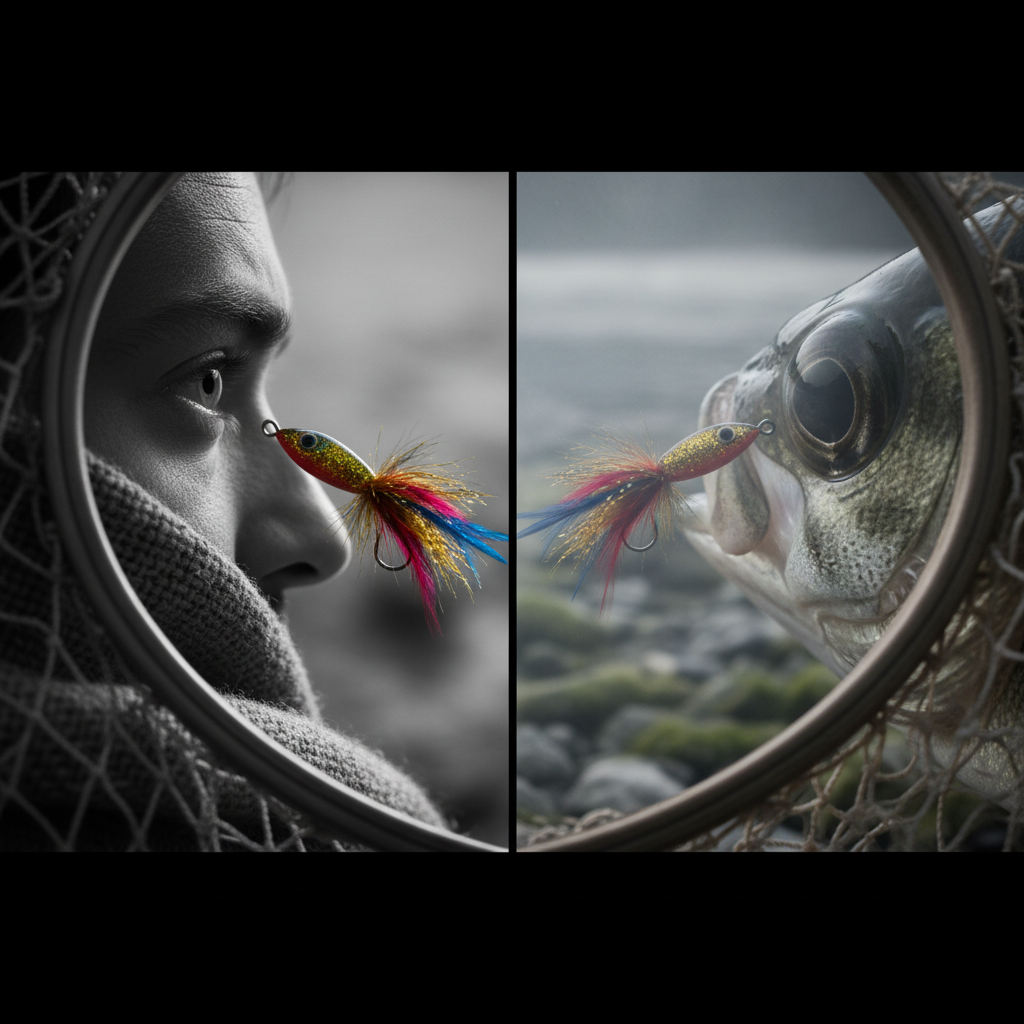
We’ve all been there, haven’t we? Standing in the tackle shop, surrounded by a dazzling array of baits and lures. Shiny spinners, brightly colored soft plastics, and meticulously painted crankbaits – each one seemingly designed to whisper, “Buy me! The fish can’t resist!” It’s tempting, isn’t it? To believe that the most visually appealing bait to us will automatically be the most appealing to the fish. But that’s a dangerous assumption, one that can lead to empty stringers and frustrating days on the water. The truth is, what looks irresistible to you often looks… well, rather uninteresting, or even alarming, to the fish.
Think about it from the fish’s perspective. They live in a world of currents, shadows, and subtle vibrations. Their senses are finely tuned to detect the slightest anomaly, the slightest hint of danger. A lure that’s too bright, too flashy, or moves in an unnatural way can actually spook them, sending them scurrying for cover. So, how do we bridge the gap between what we find appealing and what truly entices a fish to strike? The answer lies in understanding the nuances of bait selection, presentation, and the specific environment you’re fishing in.
The Illusion of Perfection
The fishing industry is a master of illusion. Marketing campaigns often focus on creating a sense of urgency and excitement, promising incredible catches and guaranteed success. We’re bombarded with images of smiling anglers holding up trophy-sized fish, all caught using the latest and greatest lure. It’s easy to get caught up in the hype and believe that the perfect bait is the key to unlocking fishing nirvana. But the reality is far more complex. There’s no magic bullet, no single lure that works in every situation. Successful fishing requires a deeper understanding of fish behavior, habitat, and the subtle cues that trigger their feeding instincts.
Consider the case of the renowned bass angler, Kevin VanDam. While he certainly uses top-of-the-line equipment and a wide variety of lures, his success isn’t solely attributed to the baits he chooses. It’s his meticulous approach to understanding the lake he’s fishing, his ability to read the water, and his pinpoint accurate casts that set him apart. He understands that the lure is just one piece of the puzzle, and that presentation is often more important than the bait itself. He’s not just throwing a lure into the water; he’s telling a story, creating an illusion that convinces the fish to strike.
Decoding the Fish’s Perspective: Sensory Overload and Subtle Signals
To truly understand what makes a bait effective, we need to try and see the world through the eyes (or, more accurately, the lateral line) of a fish. Their senses are vastly different from ours, and they perceive the underwater world in ways we can only imagine. While we rely heavily on sight, fish often rely more on other senses, such as smell, vibration, and even electrical impulses.
The Lateral Line: Feeling the World Around Them
The lateral line is a sensory organ that runs along the sides of a fish’s body. It’s essentially a network of tiny pores that detect changes in water pressure, allowing the fish to sense the movement of other objects in the water, even in complete darkness. This is why a lure’s action, its vibration, and the way it displaces water, is often more important than its color or appearance. A lure that creates a strong vibration can attract fish from a distance, even in murky water where visibility is limited. However, a lure that creates too much vibration, or an unnatural vibration, can also spook fish. Finding the right balance is key.
Imagine a smallmouth bass holding in a rocky stream. It’s relying on its lateral line to detect the presence of nearby prey, such as crayfish or small minnows. A well-presented crankbait that mimics the movement of a crayfish scurrying along the bottom can trigger an instinctive strike. But a spinnerbait that’s retrieved too quickly, creating a high-pitched buzzing sound, might be perceived as a threat and cause the bass to flee.
Smell and Taste: Chemical Cues in the Water
Fish also have a highly developed sense of smell and taste. They can detect even the faintest traces of chemicals in the water, which they use to locate food, identify predators, and even communicate with each other. This is why scent attractants and flavored baits can be so effective. A smallmouth bass, for example, might be drawn to a tube bait that’s been soaked in crayfish scent. Or a catfish might be irresistibly attracted to a bait that’s been marinated in a pungent blend of fish oils and garlic.
However, it’s important to remember that not all scents are created equal. Some scents can actually repel fish, especially if they’re too strong or unnatural. For example, using a hand lotion with a strong floral scent can actually contaminate your bait and deter fish. It’s also important to consider the water conditions. In clear water, a subtle scent might be all that’s needed to entice a fish. But in murky water, a stronger scent might be necessary to cut through the murk and reach the fish’s olfactory receptors.
Matching the Hatch: Imitating Nature’s Offerings
One of the most effective strategies for choosing the right bait is to “match the hatch.” This means selecting a bait that closely resembles the natural food sources that are available in the water you’re fishing. This could include insects, crustaceans, baitfish, or even amphibians. By imitating the size, shape, color, and action of these natural prey items, you can significantly increase your chances of success.
Observing the Environment: Clues to the Food Chain
Matching the hatch requires careful observation of the environment. Take some time to examine the water, the shoreline, and the surrounding vegetation. Look for signs of insect activity, such as mayfly hatches or caddisfly larvae clinging to rocks. Observe the behavior of baitfish. Are they schooling near the surface, or are they hiding amongst the weeds? Pay attention to the color of the water. Is it clear, stained, or murky? All of these factors can provide valuable clues about what the fish are feeding on and what type of bait will be most effective.
For example, if you’re fishing a trout stream during a mayfly hatch, you’ll want to use a dry fly that closely resembles the size, shape, and color of the mayflies that are emerging. Or if you’re fishing a lake that’s teeming with shad, you’ll want to use a crankbait or swimbait that mimics the size, shape, and action of the shad. By matching the hatch, you’re essentially offering the fish a meal that they’re already accustomed to eating, making it more likely that they’ll strike.

The Art of Presentation: Making Your Bait Irresistible
Even the most realistic bait will be ineffective if it’s not presented properly. Presentation refers to the way you retrieve your bait, the speed at which you retrieve it, and the depth at which you fish it. The goal is to make your bait look as natural as possible, mimicking the movement and behavior of real prey. This requires patience, experimentation, and a keen eye for detail.
Varying Your Retrieve: Experimentation is Key
Don’t be afraid to experiment with different retrieves until you find what works. Try varying the speed of your retrieve, pausing and twitching your bait, or even letting it sink to the bottom and then hopping it back up. Pay attention to how the fish are reacting to your bait. Are they following it but not striking? Are they striking short? Are they ignoring it altogether? Use this information to adjust your presentation accordingly.
For example, if you’re fishing a crankbait for bass, you might start with a steady retrieve, reeling the bait in at a moderate speed. If the bass aren’t responding, you might try a stop-and-go retrieve, pausing the bait every few feet to let it suspend in the water. Or you might try a ripping retrieve, jerking the bait sharply to create a more erratic action. By varying your retrieve, you can trigger different responses from the fish and increase your chances of getting a strike.
Water Clarity and Bait Selection: Adapting to the Conditions
Water clarity plays a significant role in bait selection. In clear water, fish can see your bait from a greater distance, so you can often get away with using more natural-looking baits and subtle presentations. But in murky water, visibility is limited, so you need to use baits that create more vibration, flash, or scent to attract the fish’s attention.
Clear Water: Subtle and Natural Presentations
In clear water, opt for baits that closely resemble the natural prey items that are available. Use natural colors, such as greens, browns, and blues. And focus on presenting your bait in a way that looks as natural as possible. Use lighter line, make longer casts, and avoid making any sudden movements that might spook the fish. Drop shot rigs, weightless worms, and finesse crankbaits can be incredibly effective in clear water conditions.
Murky Water: Loud and Obnoxious Baits
In murky water, you need to use baits that are more attention-grabbing. Choose baits that are brightly colored, such as chartreuse, orange, or red. And use baits that create a lot of vibration, flash, or scent. Spinnerbaits, crankbaits, and lipless crankbaits can be excellent choices for murky water fishing. You might also consider using a bait that’s scented with a strong attractant. And don’t be afraid to fish your bait aggressively, using a fast retrieve and making plenty of noise.

The Psychology of the Strike: Understanding Fish Behavior
Ultimately, successful fishing is about understanding the psychology of the strike. Why do fish strike at certain baits and not others? What triggers their feeding instincts? The answers to these questions are complex and can vary depending on the species of fish, the time of year, and the specific environment you’re fishing in.
The Predatory Instinct: Triggering the Chase
Many fish are predators, and they strike at baits because they perceive them as potential prey. But not all prey is created equal. Fish are often selective about what they eat, preferring prey that is easy to catch and provides a high energy return. This is why a lure that mimics the movement of a wounded or distressed baitfish can be so effective. It triggers the fish’s predatory instinct, making it more likely to strike. This is also why “reaction baits” like spinnerbaits and crankbaits work so well. They elicit a strike based on instinct rather than careful consideration from the fish.
The Defensive Response: Protecting Their Territory
Sometimes, fish strike at baits out of aggression or territoriality. This is especially true during the spawning season when fish are fiercely protective of their nests. A lure that encroaches on their territory can trigger a defensive response, causing them to strike out of anger rather than hunger. This is why fishing near spawning beds can be so productive, but it’s also important to be respectful of the fish and their environment, practicing catch and release whenever possible.
Beyond the Bait: The Importance of the Hook
While selecting the right bait is crucial, the hook you use is just as important. After all, a beautiful lure is useless if the hook fails to penetrate the fish’s mouth or if it bends or breaks under pressure. Choosing the right hook size, shape, and sharpness can make all the difference between landing a trophy fish and losing it at the boat. Consider the size of the bait you’re using and the size of the fish you’re targeting. A small hook might be fine for panfish, but it won’t be strong enough to handle a large bass or pike. Similarly, a large hook might be too bulky for a small bait, making it look unnatural and deterring fish from striking.
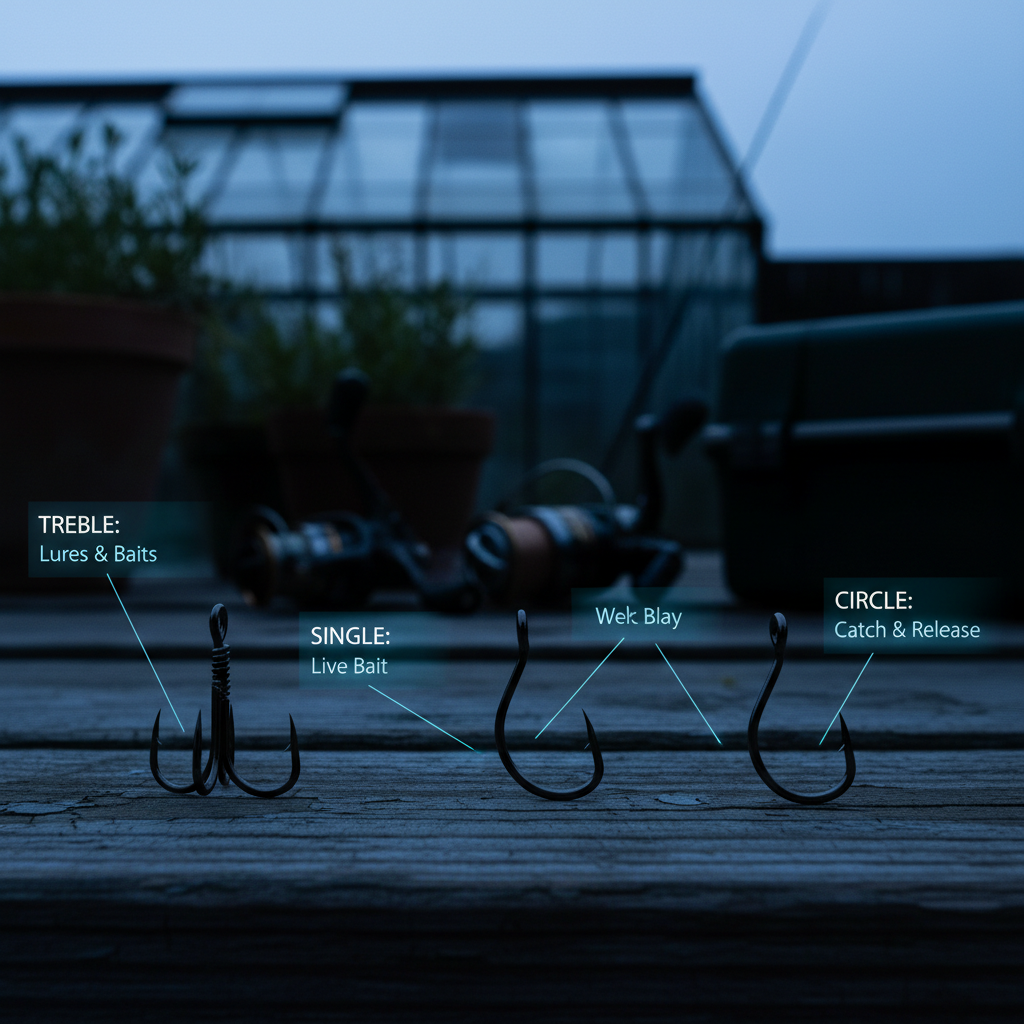
Hook sharpness is also paramount. A dull hook will require more force to penetrate the fish’s mouth, increasing the chances of a missed strike. Always check your hooks before each fishing trip and sharpen them if necessary. A hook file or honing stone can be used to restore the hook’s sharpness. The type of hook also matters. Treble hooks are common on crankbaits and other lures, offering multiple points of contact. However, they can also be more damaging to the fish. Single hooks are often preferred for live bait fishing and can be less harmful if the fish is released. Circle hooks are designed to hook the fish in the corner of the mouth, making them a good choice for catch and release fishing.
So, the next time you’re standing in the tackle shop, surrounded by a sea of tempting baits, remember that what looks irresistible to you might not be what the fish are looking for. Take the time to understand their perspective, to observe the environment, and to experiment with different baits and presentations. By doing so, you’ll not only increase your chances of catching more fish, but you’ll also develop a deeper appreciation for the art and science of fishing. And always remember that the most important ingredient for success is patience. Fish are fickle creatures, and sometimes they just aren’t biting. But if you keep learning, keep experimenting, and keep adapting, you’ll eventually find the magic combination that unlocks their secrets.