Unlocking the Angler’s Advantage: Mastering Mental Fortitude
Fishing, at its core, is a dance between anticipation and patience. We cast our lines, not just into the water, but also into a sea of uncertainty. Will the fish bite? Will the weather hold? Will today be the day we land the trophy we’ve been dreaming of? It’s a sport, an art, and a test of mental fortitude, all rolled into one. While technique and equipment play undeniable roles, there’s a hidden secret that separates the consistently successful angler from the casual weekend warrior: the ability to transform a potentially difficult fishing trip into a seemingly effortless experience. This secret isn’t about magic lures or secret spots, it’s about cultivating a powerful mindset.
Think about it. Have you ever been on a fishing trip where everything seemed to go wrong? The weather turned sour, the fish weren’t biting, and your gear malfunctioned? In those moments, it’s easy to become frustrated, discouraged, and even angry. But what if you could learn to navigate these challenges with grace and resilience? What if you could transform these seemingly insurmountable obstacles into opportunities for growth and learning?
The Power of Positive Expectation
One of the most potent tools in the angler’s mental arsenal is the power of positive expectation. This isn’t about blindly believing that you’ll catch a fish regardless of the conditions. It’s about approaching each cast with a sense of optimism and possibility. Studies have shown that positive expectations can actually influence our performance, increasing our focus, motivation, and even our physical capabilities. When we believe we can succeed, we are more likely to take the necessary steps to make that success a reality.
Consider this scenario: Two anglers head out on the same day to the same fishing spot. Angler A wakes up with a sense of dread, convinced that the fish won’t be biting. They grumble about the weather forecast and mentally prepare for a day of disappointment. Angler B, on the other hand, wakes up with a sense of excitement and anticipation. They acknowledge the challenging conditions but choose to focus on the possibilities. They believe that even on a tough day, there’s still a chance to land a fish. Who do you think is more likely to succeed? The answer is clear: Angler B’s positive expectation will translate into a more focused, determined, and ultimately successful fishing experience.

Embracing the Learning Curve
Fishing is a continuous learning process. No matter how experienced you are, there’s always something new to discover, a new technique to master, or a new challenge to overcome. The angler who approaches each trip with a willingness to learn and grow is the one who will ultimately thrive. This means being open to experimenting with different lures, techniques, and fishing spots. It means paying attention to the subtle clues that the fish are giving you, such as changes in water temperature, current, or feeding patterns. And it means being willing to admit when you’re wrong and to learn from your mistakes.
Imagine a scenario where you’ve been fishing for hours without a single bite. A less experienced angler might become frustrated and give up, blaming the conditions or the fish. But the experienced angler will see this as an opportunity to learn. They might start experimenting with different lures, changing their retrieve speed, or trying a different fishing spot. They’ll analyze the conditions and try to figure out what the fish are doing. And even if they don’t catch anything, they’ll still walk away with valuable knowledge that they can use on future trips.
Cultivating Patience and Persistence
Patience is arguably the most valuable virtue an angler can possess. Fishing is not a guaranteed outcome; it requires enduring periods of inactivity and resisting the urge to become discouraged. It demands the ability to remain focused and attentive, even when nothing seems to be happening. This patience is not passive waiting; it’s an active engagement with the environment, a constant observation and adjustment based on the subtle cues of nature.
Persistence goes hand-in-hand with patience. It’s the refusal to give up, even when faced with adversity. It’s the willingness to keep casting, keep trying, and keep learning, even when the fish aren’t biting. It’s the understanding that success in fishing, as in life, often requires a relentless pursuit of your goals.
Consider the story of an angler who spent weeks trying to catch a particularly elusive fish in a local lake. Day after day, they would arrive at the lake before dawn and fish until well after sunset. They tried every lure, every technique, and every spot they could think of. Many times, they went home empty-handed, feeling discouraged and defeated. But they refused to give up. They knew that the fish was there, and they were determined to catch it. Finally, after weeks of persistence, their efforts paid off. They landed the fish of their dreams, a trophy that they will cherish for a lifetime. This story exemplifies the power of patience and persistence in overcoming even the most challenging obstacles.
Mastering the Art of Adaptability
The only constant in fishing is change. The weather can change in an instant, the fish can move to different locations, and the techniques that worked yesterday might not work today. The angler who can adapt to these changes is the one who will consistently find success. This means being flexible in your approach, being willing to try new things, and being able to think on your feet.
Adaptability extends beyond simply changing lures or techniques. It also involves adjusting your mental state to the present circumstances. It means accepting that things might not always go according to plan and being able to find the positive in any situation. It means being able to let go of expectations and focus on the task at hand. And it means being able to learn from your mistakes and use them to improve your future performance.
Reading the Water: Decoding Nature’s Clues
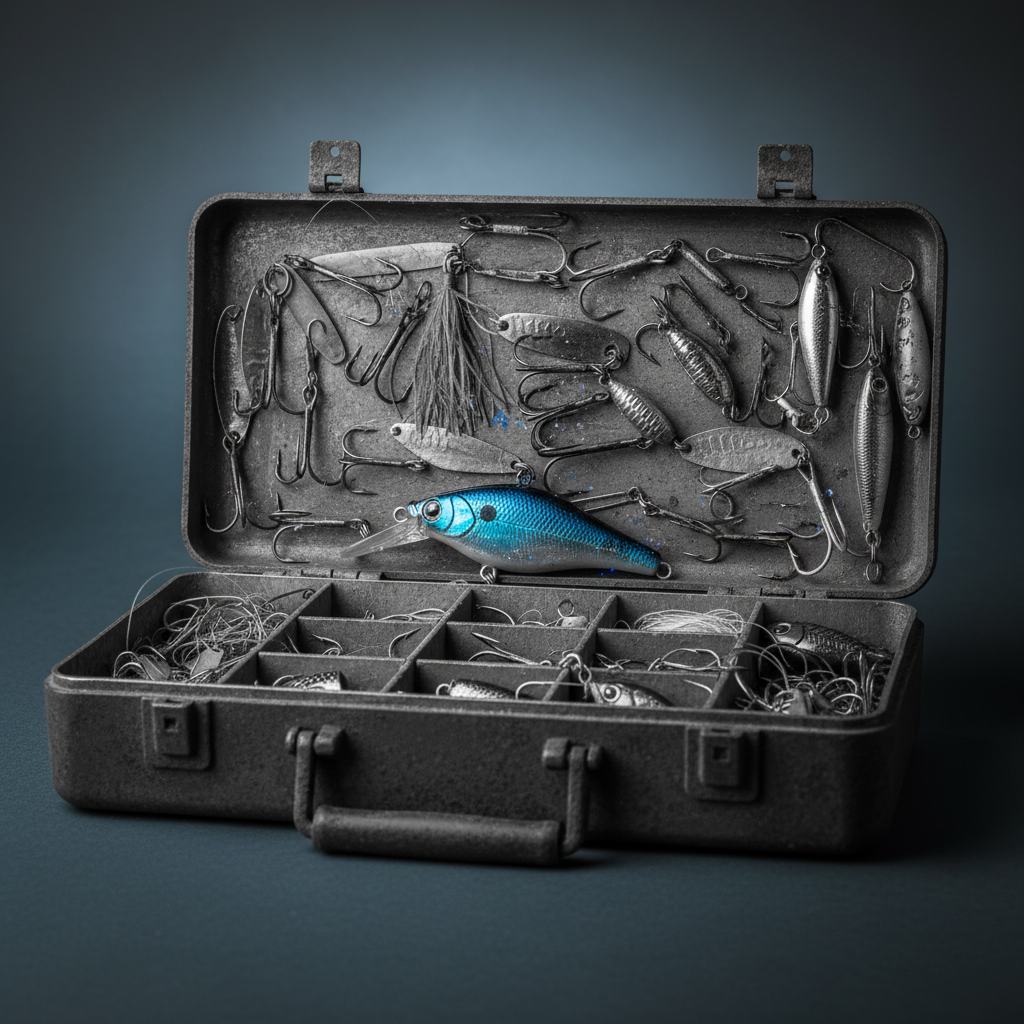
Understanding the aquatic environment is paramount to successful fishing. “Reading the water” involves observing and interpreting various indicators to gain insights into fish behavior and habitat. This includes factors like water clarity, temperature, current, and the presence of aquatic vegetation or structure. Each element provides valuable clues about where fish are likely to be found and how they are likely to be feeding.
For example, clear water often indicates that fish will be more sensitive to movement and noise, requiring a more stealthy approach and the use of lighter lines and smaller lures. Murky water, on the other hand, may allow for the use of brighter colors and larger lures, as fish are less likely to be spooked. Water temperature plays a critical role in determining fish activity levels, as fish are cold-blooded and their metabolism is directly affected by temperature. Understanding these nuances allows anglers to make informed decisions about their tactics and increase their chances of success.
The Importance of Observation
Observation is a skill that can be honed over time. Paying close attention to the details of your surroundings can provide valuable insights into the behavior of fish. Look for signs of fish activity, such as rising fish, baitfish flickering on the surface, or birds diving into the water. Observe the current and identify areas where fish might be holding, such as behind rocks, logs, or other structures. Pay attention to the weather and how it might be affecting the fish. The more you observe, the more you will learn about the environment and the more successful you will become as an angler.
Imagine you’re fishing in a river and notice a group of insects hatching on the surface. This could be a sign that the fish are actively feeding on these insects. By observing the type of insects that are hatching and matching your lure to them, you can significantly increase your chances of catching a fish. Similarly, if you notice a sudden change in the weather, such as a drop in temperature or an increase in wind, you can adjust your tactics accordingly. For example, you might move to a deeper part of the river or switch to a slower retrieve.
Building Unwavering Confidence
Confidence is a self-fulfilling prophecy. When you believe in your abilities, you are more likely to take risks, persevere through challenges, and ultimately achieve your goals. In fishing, confidence can be the difference between landing a trophy fish and going home empty-handed. But confidence isn’t something that you’re born with; it’s something that you build over time through experience, preparation, and positive self-talk.
One of the best ways to build confidence is to focus on your strengths. Identify the things that you do well as an angler and celebrate your successes. Don’t dwell on your mistakes; instead, learn from them and use them as opportunities for growth. Surround yourself with positive people who support your goals and encourage your efforts. And most importantly, believe in yourself. Believe that you have the skills, knowledge, and determination to succeed, and you will.
Preparation Breeds Confidence
Thorough preparation is the cornerstone of confidence. Knowing that you have done everything possible to prepare for your fishing trip can significantly reduce anxiety and increase your sense of control. This includes researching the fishing location, understanding the local regulations, gathering the necessary equipment, and practicing your techniques. The more prepared you are, the more confident you will feel when you finally hit the water.
Consider the example of an angler who is planning a trip to a remote lake. Before embarking on the trip, they spend hours researching the lake, studying maps, and reading fishing reports. They talk to local anglers and guides to get their insights and recommendations. They gather all the necessary equipment, including rods, reels, lines, lures, and tackle. They practice their casting and knot-tying skills. And they create a detailed plan for their trip, including where they will fish, what techniques they will use, and what to do in case of an emergency. By the time they arrive at the lake, they are fully prepared and confident in their ability to succeed.

Visualizing Success
Visualization is a powerful technique that can be used to enhance performance in any field, including fishing. By mentally rehearsing the act of catching a fish, you can program your mind for success. This involves imagining every detail of the experience, from the initial bite to the final landing. Visualize yourself casting your line, feeling the tug of the fish, fighting it with skill and determination, and finally bringing it to the net. The more vividly you can imagine these scenarios, the more likely you are to experience them in reality.
For example, before heading out on a fishing trip, take a few minutes to close your eyes and visualize yourself catching the fish of your dreams. Imagine the feeling of the line tightening, the adrenaline pumping, and the satisfaction of landing a beautiful fish. Feel the weight of the fish in your hands, admire its colors and patterns, and then release it back into the water. By visualizing these experiences, you can create a positive mental blueprint for success.
Finding Joy in the Journey
Ultimately, the secret to transforming any difficult fishing trip into a seemingly effortless experience lies in finding joy in the journey. Fishing is not just about catching fish; it’s about connecting with nature, spending time with friends and family, and challenging yourself to overcome obstacles. It’s about appreciating the beauty of the natural world and finding peace and tranquility in the solitude of the outdoors. When you focus on these aspects of fishing, the pressure to catch fish diminishes, and the experience becomes more enjoyable, regardless of the outcome.
Embrace the challenges, celebrate the small victories, and learn from your mistakes. Appreciate the beauty of the surroundings, the camaraderie of your fellow anglers, and the simple pleasure of being outdoors. And remember that even on the toughest days, there’s always something to learn and something to appreciate. By cultivating a sense of gratitude and appreciation, you can transform any fishing trip into a positive and rewarding experience.
So, the next time you find yourself facing a difficult fishing trip, remember the secret: it’s not about the fish, it’s about the mindset. Cultivate positive expectations, embrace the learning curve, practice patience and persistence, master the art of adaptability, build unwavering confidence, and find joy in the journey. By doing so, you can transform any challenging fishing trip into a seemingly effortless and ultimately rewarding experience. And that, my friends, is the true secret of the successful angler.