The Bait vs. The Rod: A Philosophical Angler’s Dilemma
We’ve all been there. Staring blankly at the water, the sun glinting off the surface, feeling a growing sense of frustration. The fish just aren’t biting. Immediately, the mind races: Is it my technique? My presentation? The spot? Or, perhaps most commonly, is it my rod? Should I have brought a different action? A lighter weight? A longer reach? We start second-guessing the very tool in our hands, the extension of our will and skill – the rod. But hold on a second. Before you start dismantling your carefully curated arsenal, consider a more fundamental question: Are you offering the fish what they actually want?
The urge to blame the rod is understandable. It’s a tangible thing, something we can see, feel, and easily swap out. It represents control, or at least the illusion of it. Changing rods feels like taking decisive action, like actively trying to solve the problem. But fishing, at its heart, is about understanding the fish. It’s about deciphering their behavior, their preferences, and their mood on any given day. And that understanding starts with the bait.
Think of it this way: A master chef can create a culinary masterpiece using even basic kitchen equipment, as long as they have access to the right ingredients. Conversely, the most advanced oven in the world won’t save a dish made with spoiled or unsuitable ingredients. The rod is your oven; the bait is your primary ingredient. While a good rod certainly enhances the experience and can improve your presentation, it’s ultimately the bait that seals the deal. It’s what triggers the strike, what convinces the fish to abandon caution and commit to the take.
The Psychology of the Strike: Why Bait Matters More
To truly understand why changing bait often trumps changing rods, we need to delve into the psychology of the strike. What motivates a fish to bite? Is it hunger? Curiosity? Aggression? Defense of territory? The answer, of course, is all of the above, and it varies depending on the species, the environment, and the time of year.
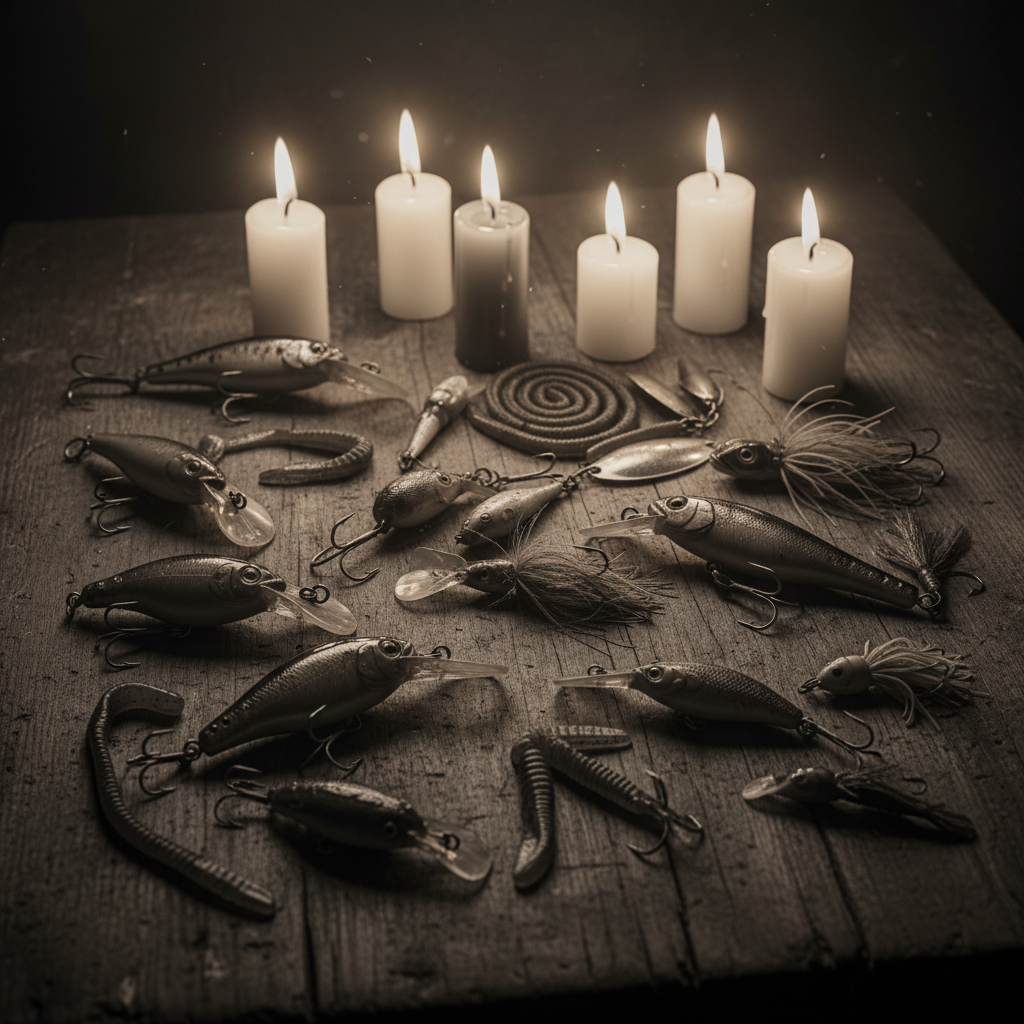
Consider a largemouth bass lurking in a weedy ambush point. It’s a predator, programmed to hunt and consume. But it’s also an opportunist. It’s not going to expend unnecessary energy chasing down a meal if there’s an easier option available. The key is to present a bait that appeals to its current disposition. If it’s actively hunting, a fast-moving crankbait or spinnerbait might trigger a reaction strike. If it’s feeling lethargic or pressured, a slow-crawling Texas-rigged worm or a jig fished along the bottom might be more enticing.
The rod, in this scenario, plays a supporting role. It allows you to cast the bait accurately, impart the desired action, and ultimately, set the hook. But it’s the bait that first captures the bass’s attention and sparks its interest. It’s the bait that mimics the natural prey, triggers the feeding instinct, and ultimately, provokes the strike.
Decoding the Water: Reading the Signs and Choosing the Right Bait
So, how do you know which bait to choose? This is where the art and science of fishing truly converge. It requires careful observation, a willingness to experiment, and a deep understanding of the aquatic ecosystem.
Start by paying attention to the environment. What’s the water clarity like? Is it clear, stained, or muddy? What’s the water temperature? What’s the dominant type of vegetation? Are there any signs of baitfish or other prey species? All of these factors can influence a fish’s behavior and its preference for certain types of bait.
For example, in clear water, fish tend to be more selective and wary. They can see the bait more clearly, so it needs to look as natural as possible. Natural colors, realistic profiles, and subtle presentations often work best in these conditions. In stained or muddy water, on the other hand, fish rely more on their other senses, such as vibration and sound. Brighter colors, larger profiles, and baits that produce a lot of noise can be more effective in these murky environments.
Water temperature also plays a crucial role. In warmer water, fish tend to be more active and aggressive. They’re more likely to chase down fast-moving baits and strike with abandon. In colder water, they become more lethargic and prefer slower-moving baits that require less effort to catch.
Another critical aspect of bait selection is matching the hatch. This refers to the practice of choosing baits that resemble the natural prey that the fish are currently feeding on. If you see a lot of shad in the water, for example, try using a shad-imitation crankbait or swimbait. If you see a lot of grasshoppers hopping around on the bank, try using a topwater lure that mimics a grasshopper. Paying attention to these subtle clues can significantly increase your chances of success.
Case Study: The Tale of Two Bass
Let’s consider a real-world example. Imagine you’re fishing a local lake on a sunny afternoon. You’ve been throwing a crankbait for hours without a single bite. You’re starting to get discouraged and consider switching to a different rod, perhaps one with a lighter action for more finesse presentations. But before you do, you decide to try one last thing: You switch to a Texas-rigged worm, a dark green color, and start fishing it slowly along the bottom, near some submerged timber.
Within minutes, you feel a subtle tap on your line. You set the hook and land a beautiful four-pound bass. Excited by your success, you continue fishing the worm and catch another bass, even bigger than the first. What happened? Did the rod suddenly become more effective? No. The fish simply changed their preference. They were no longer interested in chasing a fast-moving crankbait. They wanted something slower, more subtle, and closer to the bottom. By changing your bait, you were able to adapt to their changing mood and ultimately, catch more fish.
Now, imagine a slightly different scenario. You’re fishing the same lake, on the same day, using the same crankbait. You’re not getting any bites, but you notice that the fish are swirling on the surface, chasing after insects. You decide to switch to a topwater lure, a popper that mimics the sound and action of a struggling insect. You cast the popper out, give it a few sharp pops, and instantly, a bass explodes on the surface, engulfing the lure. Again, it wasn’t the rod that made the difference. It was the bait. By matching the hatch and offering the fish what they wanted, you were able to trigger a reaction strike and land another fish.
The Finesse Factor: When Rods and Bait Work in Harmony
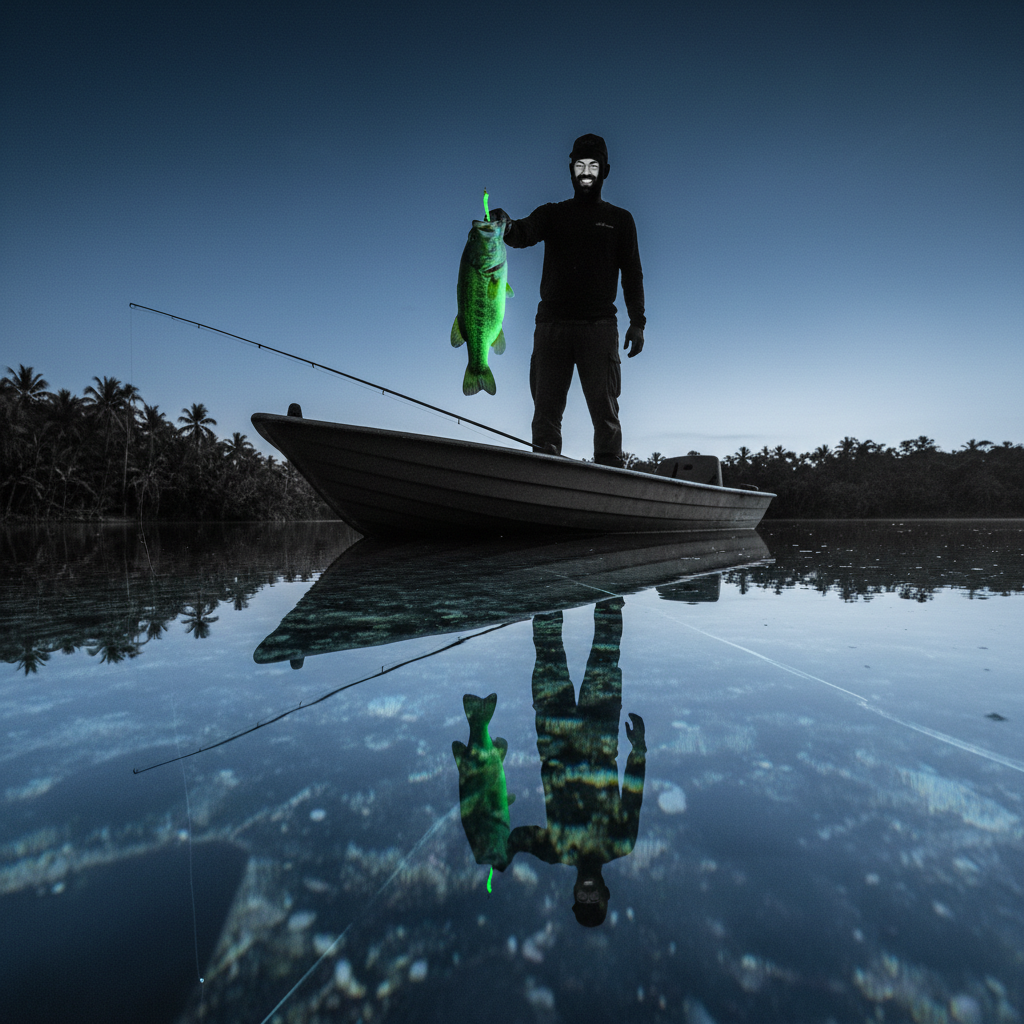
While I’ve argued that changing bait is often more effective than changing rods, it’s important to acknowledge that the two are not mutually exclusive. In fact, the most successful anglers are those who understand how to use their rods and baits in harmony. The rod can significantly enhance the presentation of a particular bait, allowing you to impart the desired action and maximize its effectiveness.
For example, a sensitive spinning rod can be crucial for fishing finesse baits like drop-shot rigs or Neko rigs. The rod’s sensitivity allows you to detect subtle bites and react quickly. The light action of the rod also helps to prevent you from pulling the hook out of the fish’s mouth during the fight. Similarly, a stiff baitcasting rod is essential for fishing heavy cover with jigs or Texas rigs. The rod’s power allows you to penetrate the thick vegetation and pull the fish out of their hiding places.
The key is to choose a rod that is appropriate for the type of bait you’re using and the fishing conditions you’re facing. A versatile rod can handle a wide range of baits and situations, but specialized rods can provide a distinct advantage in certain circumstances. Ultimately, the best rod is the one that you feel most comfortable with and that allows you to effectively present your bait to the fish.
Beyond the Basics: Advanced Bait Strategies
Once you’ve mastered the basics of bait selection, you can start experimenting with more advanced techniques. This might involve using unconventional baits, combining different types of baits, or modifying your baits to create a unique presentation.
For example, some anglers have had success using swimbaits designed to mimic trout in lakes where trout are stocked. The logic is that the bass key in on these larger, protein-rich meals. Others have experimented with combining a spinnerbait with a soft plastic trailer, creating a hybrid bait that offers both flash and vibration. Still, others will dye their soft plastics with garlic scent or fish attractant to try and entice a strike.
The possibilities are endless, and the only limit is your imagination. The most important thing is to be willing to experiment and try new things. You never know when you might stumble upon a bait or technique that the fish have never seen before.
Remember that the fish are constantly adapting to their environment. What worked yesterday might not work today. That’s why it’s so important to stay flexible and be willing to change your approach. The more you experiment, the more you’ll learn about the fish and their behavior. And the more you learn, the more successful you’ll become as an angler.

The Power of Observation: Becoming a Student of the Fish
Ultimately, the most important factor in choosing the right bait is observation. Pay attention to the fish’s behavior. Are they actively feeding on the surface? Are they holding tight to cover? Are they chasing after baitfish? The more you observe, the more you’ll learn about their preferences and their mood on any given day.
Talk to other anglers. Ask them what they’ve been using and what’s been working. Check out fishing reports online or in local magazines. These resources can provide valuable insights into the current fishing conditions and the best baits to use.
Keep a fishing log. Record the date, time, location, weather conditions, water conditions, and the baits you used. Note which baits produced the most strikes and which ones didn’t. Over time, you’ll start to see patterns emerge and you’ll be able to make more informed decisions about bait selection.
The more you learn about the fish, the better you’ll become at predicting their behavior and choosing the right bait. And the more you learn, the more enjoyable your fishing experiences will be.
Beyond the Catch: The Deeper Meaning of Bait Selection
In a way, the process of choosing the right bait is a metaphor for life itself. We’re constantly faced with choices, and the success of our endeavors often depends on our ability to adapt to changing circumstances and offer the world what it needs.
Just as a fisherman needs to understand the fish and their environment, we need to understand the people around us and the situations we find ourselves in. We need to be able to read the signs, adapt our approach, and offer the right “bait” to achieve our goals.
Sometimes, the right bait is a kind word, a helping hand, or a listening ear. Other times, it’s a bold action, a creative solution, or a willingness to take a risk. The key is to be mindful, observant, and responsive to the needs of the moment.
So, the next time you’re out on the water, remember the lesson of the bait. Don’t be afraid to experiment, to try new things, and to adapt to changing conditions. And don’t be afraid to ask yourself: Am I offering the fish – or the world – what they truly need?

Ultimately, the choice between changing your bait and changing your rod is a personal one. There’s no right or wrong answer. However, I believe that focusing on bait selection is often the more effective approach. By understanding the fish, their environment, and their preferences, you can significantly increase your chances of success. So, next time you’re struggling to catch fish, before you reach for a different rod, take a moment to consider your bait. Are you offering the fish what they truly want? The answer might just surprise you, and it might just lead you to the fish of a lifetime. Fishing is more than just a sport; it’s a constant learning process, a dance between angler and aquatic world, a testament to patience, observation, and the art of offering the perfect temptation.