The Paradox of Effort: Less Can Be More in Fishing
We’ve all been there. The sun beats down, the tackle box is overflowing, and yet, the fish remain stubbornly elusive. Hours turn into an agonizing eternity, punctuated only by the occasional nibble that leads to nothing. In these moments, the temptation is to redouble our efforts: cast further, reel faster, switch lures every five minutes. But what if the key to unlocking a more bountiful catch lies not in doing more, but in doing things differently? What if, counterintuitively, fewer attempts could actually lead to more hits?
This isn’t some esoteric fishing philosophy. It’s a principle rooted in understanding fish behavior, refining technique, and cultivating patience. It’s about transitioning from a shotgun approach, spraying casts indiscriminately across the water, to a more targeted, precise, and thoughtful strategy. It’s about quality over quantity, observation over brute force, and understanding the subtle language of the water.
Understanding the Fish: It’s Not Just About the Lure
Many anglers fall into the trap of believing that the perfect lure is the ultimate solution. While lure selection is undoubtedly important, it’s only one piece of a much larger puzzle. Understanding the fish you’re targeting is paramount. What are their feeding habits? What’s their preferred habitat? How do they react to different environmental conditions? Are they actively hunting, or are they conserving energy?
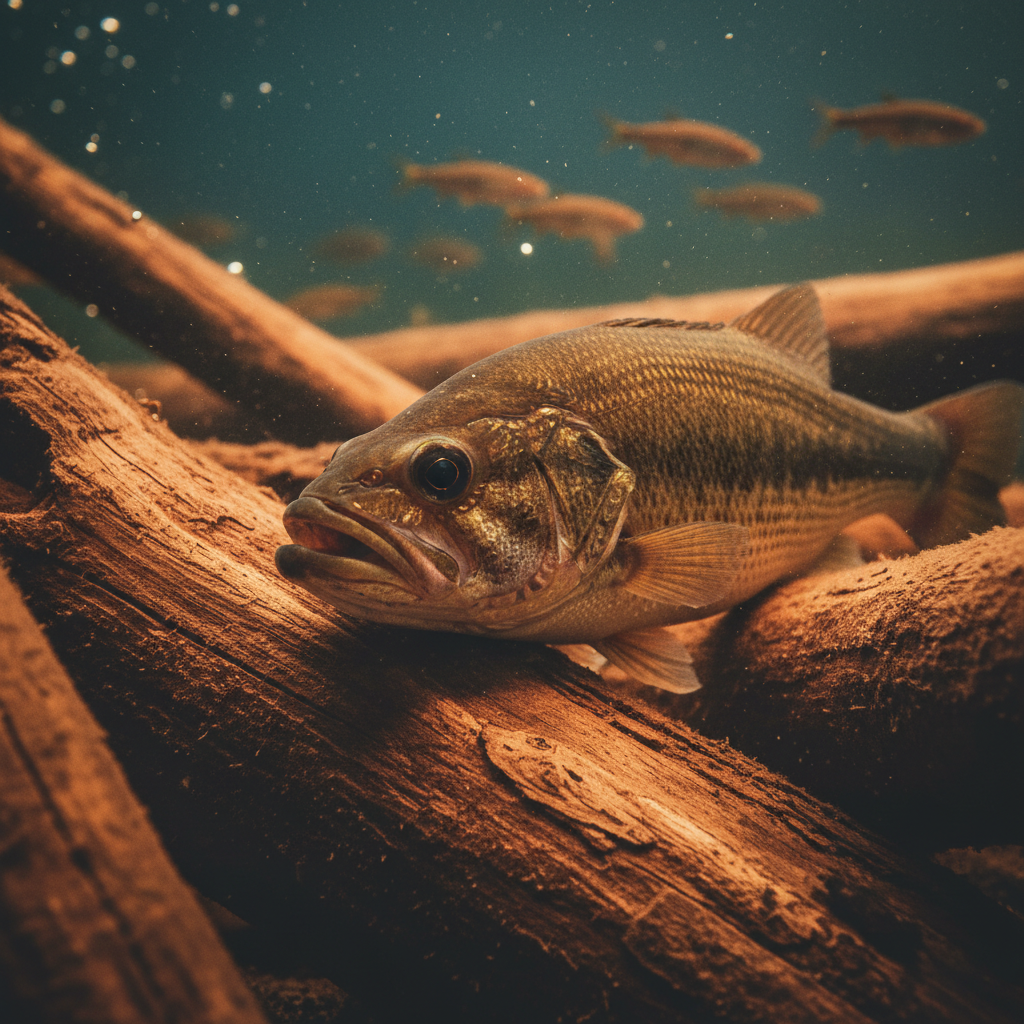
For instance, consider bass fishing. Largemouth bass are ambush predators, often lurking near structure like submerged logs, weed beds, or rocky outcrops. They wait for unsuspecting prey to wander within striking distance. Knowing this, a frantic, rapid-fire casting approach across open water is likely to be far less effective than a deliberate, slow presentation near likely ambush points. Similarly, trout often hold in areas with current breaks, where they can conserve energy while waiting for food to drift by. A dry fly presented with a delicate drift through these areas is far more likely to entice a strike than a poorly presented streamer retrieved at breakneck speed.
Before even wetting a line, take the time to research the species you’re targeting and the specific body of water you’ll be fishing. Talk to local anglers, consult online resources, and study topographical maps. This knowledge will allow you to make more informed decisions about where to fish, what lures to use, and how to present them effectively. It’s about becoming a student of the fish, understanding their world, and adapting your approach accordingly. This preparation dramatically reduces wasted casts and increases the likelihood of presenting your lure to a receptive fish.
Refining Technique: Precision Over Power
Beyond understanding fish behavior, mastering the art of precise casting and presentation is crucial. Many anglers equate casting distance with effectiveness, believing that the further they can cast, the more likely they are to catch a fish. However, accuracy and controlled presentation often trump sheer distance. A perfectly placed cast near structure, with a subtle and enticing retrieve, is far more likely to elicit a strike than a long bomb that lands haphazardly in open water.
Consider fly fishing. A sloppy cast that lands with a splash is likely to spook any nearby fish. A more effective approach involves mastering techniques like the roll cast, the reach cast, and the double haul, allowing you to present your fly delicately and accurately, even in challenging conditions like windy weather or tight quarters. Similarly, in spin fishing, learning to control the trajectory and speed of your lure, and mastering techniques like skipping lures under docks or pitching them into tight cover, can dramatically increase your success rate.
The key is to practice regularly, focusing on refining your technique rather than simply casting as far as possible. Spend time practicing your casting accuracy in a controlled environment, such as a park or field. Experiment with different retrieves and presentations, and pay attention to how your lure moves through the water. Visualize where you want your lure to land and practice hitting that spot consistently. The more precise and controlled your presentation, the more likely you are to present your lure effectively and entice a strike.
The Art of the Pause: Patience as a Virtue
In our fast-paced world, patience can be a rare commodity. However, in fishing, it’s an invaluable asset. Many anglers become impatient and begin reeling in their lure too quickly, or move on to a new spot prematurely. Often, the most effective approach is to slow down, be patient, and allow the fish to find your lure. This is especially true when fishing with slow-moving lures like jigs, plastic worms, or crankbaits. Allowing the lure to sink to the bottom and then slowly retrieving it, with occasional pauses, can be incredibly effective at enticing strikes from sluggish or wary fish. The pause often triggers a reaction strike, as the fish mistakes the lure for an injured or vulnerable prey item.
Furthermore, resisting the urge to constantly change lures can also be beneficial. Give a particular lure a fair chance to work before switching to something different. Sometimes, it takes time for the fish to become accustomed to a new lure or presentation. Constantly switching lures can disrupt the fish and prevent them from settling down and feeding. Instead, focus on varying your retrieve and presentation with the same lure, and only switch if you’re consistently getting no response after a reasonable amount of time.

Cultivating Observation: Reading the Water
Experienced anglers develop a keen sense of observation, allowing them to “read” the water and identify likely fish-holding areas. They pay attention to subtle clues like changes in current, water clarity, bottom structure, and the presence of baitfish. These clues can provide valuable insights into where fish are likely to be located and what they’re likely to be feeding on.
For example, noticing a subtle current seam where two currents converge can indicate a prime feeding area for trout or other stream-dwelling fish. Similarly, observing a concentration of baitfish near a particular structure can suggest that predatory fish are likely to be nearby. Paying attention to water clarity can also help you determine the best lure selection. In clear water, natural-colored lures are often more effective, while in murky water, brighter or more contrasting lures may be necessary to attract attention.
Developing this observational skill takes time and practice. Spend time simply observing the water before you even start fishing. Look for clues that might indicate the presence of fish or their food sources. Pay attention to the weather conditions and how they might be affecting fish behavior. The more you observe and learn, the better you’ll become at predicting where fish are likely to be located and how to catch them. It’s about developing a deep understanding of the aquatic ecosystem and how it influences fish behavior.
The Mental Game: Patience, Persistence, and Positive Thinking
Fishing is as much a mental game as it is a physical one. Maintaining a positive attitude, even when the fishing is tough, is crucial. It’s easy to become discouraged when you’re not catching fish, but dwelling on negative thoughts can only make things worse. Instead, focus on what you can control: your technique, your presentation, and your attitude. Remember that every cast is a new opportunity, and that even the most experienced anglers have slow days. It’s about embracing the challenge, learning from your mistakes, and remaining optimistic, even in the face of adversity.
Visualization can also be a powerful tool. Before you even make a cast, visualize the lure moving through the water, attracting the attention of a fish, and ultimately resulting in a hookup. This mental rehearsal can help you focus your attention, improve your technique, and increase your confidence. It’s about training your mind to anticipate success and to approach each cast with a positive and focused mindset.

Case Studies: Fewer Casts, More Fish in Action
Let’s examine a few real-world examples of how this “fewer attempts, more hits” philosophy can be applied in different fishing scenarios:
Case Study 1: The Wary Trout in the Crystal-Clear Stream. A seasoned fly fisherman encountered a particularly challenging stretch of a spring creek known for its selective trout. The water was gin-clear, and the trout were easily spooked by any unnatural movement. Instead of casting repeatedly and indiscriminately, he spent a considerable amount of time observing the water, identifying subtle current seams and likely holding lies. He then carefully selected a small, realistic dry fly and presented it with a delicate drift, focusing on making only a few perfectly placed casts to each target area. This patient and precise approach resulted in hooking several beautiful brown trout that had previously ignored other anglers’ more aggressive tactics.
Case Study 2: The Bass Angler and the Overfished Lake. A bass angler faced the challenge of fishing a heavily pressured lake where the bass had become accustomed to seeing a wide variety of lures. Instead of simply throwing every lure in his tackle box, he focused on fishing specific structure with a Texas-rigged plastic worm, using a slow, deliberate presentation. He allowed the worm to sink to the bottom and then slowly hopped it along the structure, pausing frequently to allow the bass to examine it. This patient and subtle approach proved to be far more effective than a faster, more aggressive presentation with crankbaits or spinnerbaits. He reasoned that the pressured bass were more likely to respond to a subtle and natural presentation that didn’t immediately scream “artificial lure.”
Case Study 3: The Saltwater Fisherman and the Elusive Snook. A saltwater fisherman targeted snook around mangrove shorelines, known for their tight quarters and snag-filled environment. Instead of making long casts that were likely to result in snags, he focused on making short, accurate pitches with a live shrimp, using a sidearm cast to keep the bait low and under the mangrove branches. This precise and controlled presentation allowed him to present the bait directly in front of the snook, resulting in several exhilarating hookups. He understood that in this environment, accuracy and stealth were far more important than distance.
Beyond the Numbers: The True Reward of Focused Fishing
Ultimately, the “fewer attempts, more hits” philosophy isn’t just about catching more fish. It’s about cultivating a deeper connection with the natural world, refining your skills, and enhancing your overall fishing experience. It’s about slowing down, paying attention, and appreciating the subtle nuances of the aquatic environment. It’s about transforming fishing from a mere numbers game into a more mindful and rewarding pursuit. It’s about embracing the journey, not just the destination.
So, the next time you find yourself struggling on the water, resist the urge to simply do more. Instead, take a step back, observe your surroundings, refine your technique, and cultivate patience. You might be surprised at how much more effective you can be by doing less. The true secret of advanced fishing lies not in the quantity of your casts, but in the quality of your approach.