The Art of the Accidental Advantage
We’ve all been there. That moment of sheer, unadulterated fishing fumble. The errant cast, the tangled line, the lure that lands with a pathetic plop far short of its intended target. It’s the kind of mistake that sends shivers down the spine of any self-respecting angler, a testament to the fact that even the most skilled among us are prone to error. But what if I told you that these seemingly disastrous blunders could be transformed into golden opportunities? What if the very act of messing up could become your secret weapon, the key to unlocking a bounty of fish that would otherwise remain elusive?
This isn’t some fanciful fishing fairytale. It’s a practical approach, a mindset shift that can revolutionize your angling game. It’s about learning to recognize and capitalize on the unexpected, to see the potential for success lurking within the shadows of failure. Are you ready to embrace the art of the accidental advantage?
Understanding the Fish Mindset
Before we delve into the techniques for turning mistakes into catches, it’s crucial to understand how fish perceive the world around them. They aren’t simply reacting to the presence of a lure; they’re evaluating it within the context of their environment and past experiences. Think about it: a perfectly presented lure, gliding effortlessly through the water, might seem appealing to us, but to a seasoned fish, it could scream “artificial!” They’ve seen it all before, the predictable patterns and movements that betray the lure’s true nature.
However, a mistake, an unexpected twitch or a sudden change in direction, can disrupt this perception. It can mimic the erratic behavior of injured prey, triggering a predatory response that overrides their inherent caution. It’s the element of surprise, the departure from the norm, that can make all the difference.
The Power of the Unnatural
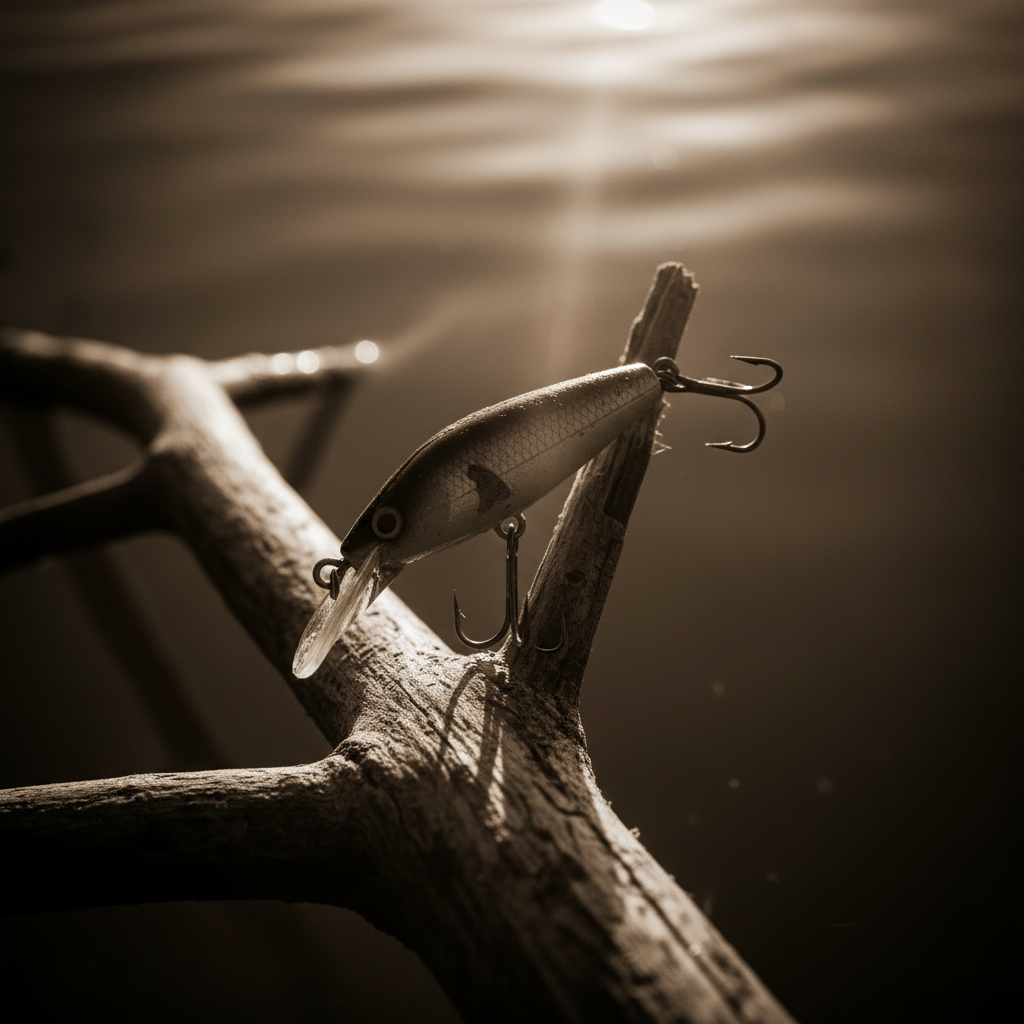
Consider this scenario: you’re fishing a familiar stretch of river, casting your favorite crankbait with unwavering precision. Hour after hour, you retrieve the lure with the same methodical rhythm, but the fish remain stubbornly disinterested. Frustrated, you decide to switch things up, but in your haste, you botch a cast, sending the crankbait careening off a submerged log. The lure bounces awkwardly, momentarily snagging before breaking free with a sudden, jarring movement.
Suddenly, a fish strikes.
What happened? The mistake, the unnatural movement of the lure, was precisely what triggered the strike. The fish, accustomed to seeing lures move in a predictable manner, was enticed by the unexpected, the deviation from the norm.
Common Fishing Fails and How to Exploit Them
Now, let’s examine some common fishing blunders and how to transform them into opportunities:
* **The Short Cast:** We’ve all come up short on a cast, landing the lure well short of our intended target. Instead of immediately reeling in and recasting, let the lure sit for a moment. This can create the illusion of a wounded or disoriented prey item, making it an easy target for opportunistic predators. Add a few twitches or subtle movements to further entice nearby fish.
* **The Overcast:** Casting too far can also be advantageous. Allow the lure to sink to the bottom and then slowly retrieve it, bumping it along the structure. This can stir up sediment and attract the attention of bottom-feeding fish. Experiment with different retrieve speeds and pauses to find what works best.
* **The Tangle:** A tangled line can be incredibly frustrating, but it can also create a unique presentation. As you work to untangle the line, the lure may twitch and flutter in an unpredictable manner, mimicking the movements of a struggling insect or baitfish. Be ready for a strike as you’re untangling!
* **The Snag:** Getting snagged on a rock or a piece of vegetation is inevitable. Instead of yanking the line and potentially breaking it, try gently shaking the rod tip or using a lure retriever to free the lure. The resulting vibrations and movements can attract fish, especially if the snag is located near a known hiding spot.
Case Study: The Accidental Jerkbait Master
I once fished alongside a fellow angler named Mark, who was notoriously clumsy. He’d trip over his own feet, fumble with his tackle, and regularly botch his casts. One day, we were fishing for largemouth bass in a heavily pressured lake. I was meticulously working a jerkbait with a textbook-perfect retrieve, but the bass remained stubbornly uninterested. Mark, on the other hand, was having a field day. His casts were erratic, his retrieve was jerky and inconsistent, and he was constantly snagging his lure on submerged vegetation. Yet, he was consistently catching fish.
I watched him closely, trying to decipher his secret. It wasn’t skill; that much was obvious. It was the randomness of his presentation, the unpredictable movements that seemed to mesmerize the bass. His mistakes were creating a presentation that the fish had never seen before, a departure from the predictable patterns they had grown accustomed to. He wasn’t trying to do it, but his imperfections were working in his favor.
The Psychology of Surprise: Why Mistakes Work
The effectiveness of turning mistakes into catches lies in the psychology of surprise. Fish, like any other creature, are creatures of habit. They learn to recognize patterns and avoid anything that seems out of place or potentially dangerous. However, when confronted with something unexpected, their natural instincts take over.
A sudden, erratic movement can trigger their predatory response, overriding their caution and prompting them to strike. It’s the same principle that underlies many successful fishing techniques, such as jigging, popping, and trolling. The key is to create a presentation that is both enticing and unpredictable, one that captures the fish’s attention and compels them to act.
Breaking the Monotony
Think of it like this: imagine watching the same movie over and over again. Eventually, you’ll become bored and desensitized to its charms. But if something unexpected happens – a scene is cut short, a character acts out of character – you’ll suddenly be re-engaged. The same principle applies to fishing. By introducing an element of surprise, you can break the monotony and re-engage the fish.
Techniques for Intentional “Mistakes”
While genuine mistakes can be surprisingly effective, you can also intentionally incorporate elements of unpredictability into your fishing technique. Here are a few strategies to try:
* **The “Dead Stick” Technique:** Cast your lure to a promising spot and simply let it sit motionless on the bottom. This can be particularly effective when fishing for sluggish or pressured fish. After a few minutes, give the lure a subtle twitch or two, and then let it sit again. The sudden movement can trigger a strike.
* **The Erratic Retrieve:** Instead of retrieving your lure with a steady, consistent pace, vary the speed and rhythm. Pause occasionally, twitch the rod tip, or even change direction mid-retrieve. The goal is to create a presentation that is both unpredictable and enticing.
* **The “Deflection” Technique:** Intentionally cast your lure so that it bounces off a rock, a log, or another piece of structure. The sudden change in direction and the resulting vibrations can attract fish.
* **The “Stumble” Technique:** When fishing with a crankbait, intentionally bump the lure into the bottom or other underwater obstacles. This can create a lifelike imitation of a baitfish foraging for food.

Experimentation is Key
The key to mastering the art of the accidental advantage is experimentation. Don’t be afraid to try new things, to push the boundaries of your fishing technique. Pay attention to how fish react to different presentations, and adjust your approach accordingly. The more you experiment, the better you’ll become at recognizing and capitalizing on opportunities.
The Mental Game: Embracing Imperfection
Perhaps the most important aspect of turning mistakes into catches is the mental game. It’s about embracing imperfection, about learning to see failure as an opportunity for growth. Don’t get discouraged by your mistakes; instead, learn from them. Analyze what went wrong, and then try to incorporate that knowledge into your future fishing efforts.
The Power of Positive Thinking
A positive attitude can make all the difference. Believe that you can turn a mistake into a catch, and you’re more likely to do so. Approach each fishing trip with an open mind and a willingness to experiment, and you’ll be amazed at what you can accomplish.
Beyond the Mistake: Adaptability and Observation
While learning to capitalize on mistakes is valuable, it’s important to remember that adaptability and observation are crucial skills for any successful angler. Pay close attention to the conditions, the behavior of the fish, and the actions of other anglers. Be willing to adjust your approach as needed, and never stop learning.
Reading the Water
Learning to “read the water” is essential. Observe the current, the structure, and the presence of baitfish. This will help you identify potential hotspots and determine the best way to present your lure.
Learning from Others
Don’t be afraid to learn from other anglers. Observe their techniques, ask questions, and share your own experiences. Fishing is a collaborative sport, and we can all learn from each other.

Ethical Considerations: Respecting the Resource
As anglers, we have a responsibility to protect the resource we enjoy. Practice catch and release whenever possible, and always follow local fishing regulations. Be mindful of your impact on the environment, and do your part to ensure that future generations can enjoy the sport of fishing.
Leave No Trace
Pack out everything you pack in, and avoid disturbing the natural habitat. Dispose of fishing line properly, and never litter.
Respect Other Anglers
Be courteous to other anglers, and avoid crowding them. Give them plenty of space, and don’t cast over their lines.
The Ultimate Catch: Transforming Setbacks into Success
In the world of fishing, as in life, mistakes are inevitable. But it’s how we respond to those mistakes that ultimately defines our success. By embracing imperfection, by learning to see opportunity within the shadows of failure, we can transform setbacks into triumphs. So, the next time you botch a cast or snag your lure, don’t despair. Instead, remember the art of the accidental advantage, and turn that mistake into a guaranteed catch. It’s about turning your fishing failures into the stories you tell for years to come.

The journey of a fisherman is not just about catching fish; it’s about mastering the art of adaptation, the resilience to learn from every cast, and the wisdom to see potential where others see failure. It’s about transforming the unexpected into an advantage and finding success in the most unlikely of circumstances. Ultimately, the most rewarding catch isn’t just the fish, but the knowledge and experience gained along the way.