Beyond the Cast: Understanding the Art of Fishing
Fishing, at its heart, is more than just casting a line and hoping for a bite. It’s about understanding the intricate dance between the angler and the aquatic world. It’s about learning to “read the water,” a skill that separates the lucky from the consistently successful. It’s a skill honed through observation, patience, and a deep respect for the ecosystem.
Many beginners approach fishing with the mindset of simply wanting to catch a fish, any fish. They buy the flashiest lures, the most expensive rods, and head out to the nearest body of water, only to be met with disappointment. Why? Because they haven’t taken the time to understand the fundamental principles that govern fish behavior and habitat.
Think of it like this: you wouldn’t try to navigate a new city without a map or GPS, would you? Similarly, you can’t expect to be successful at fishing without first learning to navigate the underwater world. Reading the water is your map, your compass, and your key to unlocking the secrets hidden beneath the surface.
But what does it actually mean to “read the water”? It’s a multifaceted skill that involves paying attention to a variety of clues, from the surface conditions to the underwater structure, and using that information to predict where fish are likely to be and how they’re likely to behave. It’s about becoming a detective, piecing together the evidence to solve the puzzle of the fish’s location and motivation.
The Surface Tells a Story
The surface of the water is far more than just a reflective plane. It’s a canvas upon which the environment paints a picture, revealing valuable information about what’s happening beneath. Learning to interpret these visual cues is the first step in becoming a proficient angler.
Consider the presence of ripples or disturbances on the surface. These could be caused by wind, currents, or even the movement of fish. A sudden swirl could indicate a predator chasing its prey, while a series of small rings might suggest rising fish feeding on insects. Each ripple tells a story, and it’s up to you to decipher it.
Another important factor to consider is the color and clarity of the water. Clear water allows you to see deeper and potentially spot fish or underwater structure, while murky water might require you to rely more on other senses, such as feeling for structure with your lure or listening for sounds of fish activity. The color of the water can also indicate the presence of algae or other organic matter, which can affect fish behavior and distribution.
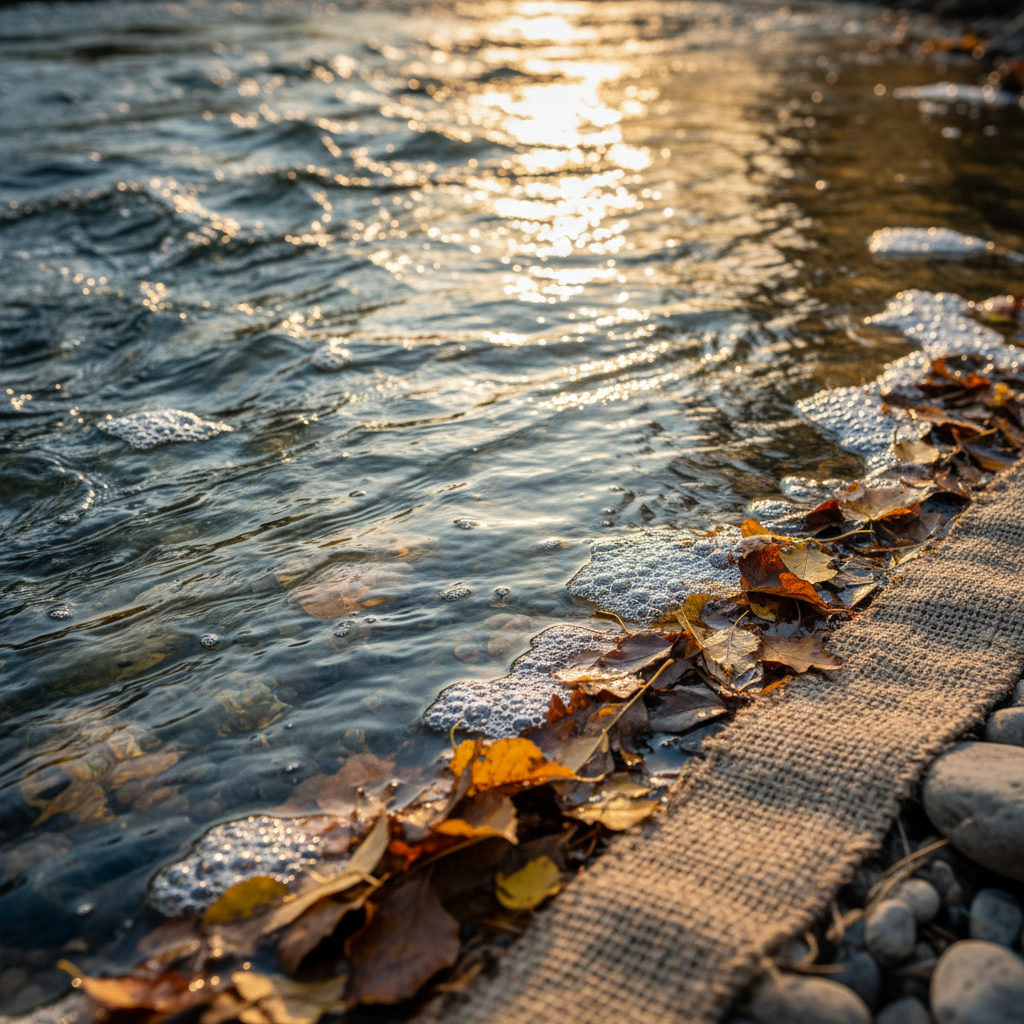
Furthermore, pay attention to the presence of foam or debris on the surface. These can accumulate in areas where currents converge or where wind is blowing, creating natural feeding zones for fish. Insects and other small organisms tend to gather in these areas, attracting larger fish that are looking for an easy meal.
For example, imagine you’re fishing a river and you notice a section of water where the surface is noticeably calmer and smoother than the surrounding areas. This could indicate the presence of a deeper pool or a slower current, which might be holding fish seeking refuge from the faster flow. By targeting these areas, you increase your chances of finding fish that are actively feeding or resting.
Decoding Underwater Structures
Beneath the surface lies a hidden world of structures and features that provide habitat and cover for fish. These underwater structures are essential for their survival, offering protection from predators, providing spawning grounds, and concentrating food sources. Learning to identify and target these structures is crucial for consistent fishing success.
Rocks, logs, and vegetation are all prime examples of underwater structures that attract fish. Rocks provide cover and ambush points for predators, while logs offer shelter and attract algae and other organisms that serve as food for smaller fish. Vegetation, such as weeds and lily pads, provides oxygen, shade, and a breeding ground for insects and other invertebrates that are essential to the food chain.
But how do you locate these underwater structures when you can’t see them? This is where a good understanding of the terrain and the use of technology can come in handy. Topographic maps and depth finders can help you identify submerged ledges, drop-offs, and other features that are likely to hold fish. You can also use your senses to feel for structure with your lure or bait, paying attention to any changes in the bottom composition or the presence of snags and obstructions.
Consider a scenario where you’re fishing a lake and you notice a section of the shoreline that has a lot of fallen trees and submerged logs. This area is likely to be teeming with fish, as the logs provide ample cover and attract a variety of aquatic life. By focusing your efforts in this area, you increase your chances of finding fish that are actively feeding or seeking refuge.
Furthermore, pay attention to the changes in depth and bottom composition. Fish often congregate along drop-offs or where the bottom changes from sand to gravel, as these areas provide a variety of habitats and food sources. By targeting these transition zones, you can increase your chances of finding fish that are moving between different areas of the lake.
Understanding Fish Behavior
To truly master the art of reading the water, you must also understand the behavior of the fish you’re trying to catch. Different species of fish have different preferences for habitat, feeding habits, and spawning behaviors. By learning about these preferences, you can better predict where to find them and how to entice them to bite.
For example, bass are known to be ambush predators, often lurking near cover and waiting for unsuspecting prey to swim by. They prefer areas with structure, such as rocks, logs, and vegetation, where they can hide and ambush their prey. Trout, on the other hand, tend to prefer cooler, oxygen-rich waters and often congregate near riffles and runs in rivers and streams. They feed on a variety of insects and other invertebrates that are carried by the current.
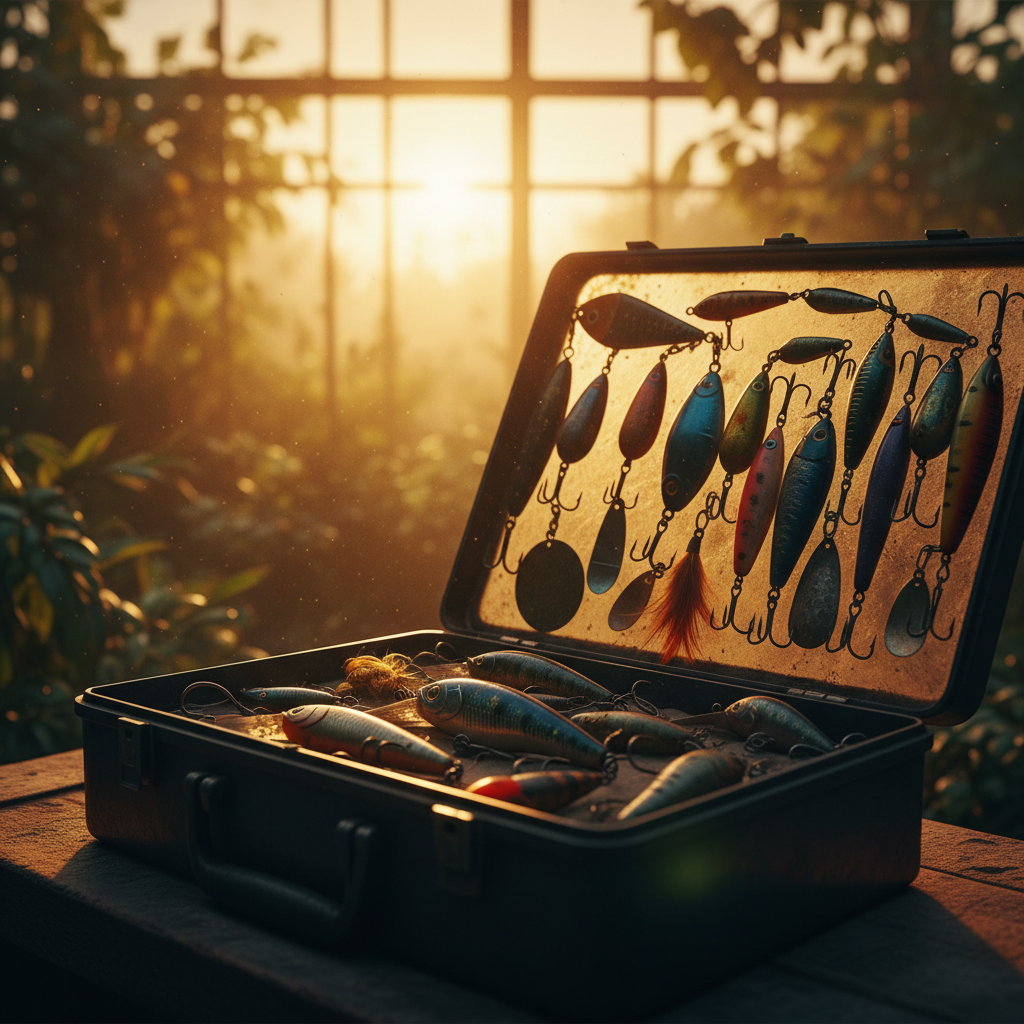
Understanding these behavioral patterns can help you choose the right lures, baits, and techniques for targeting specific species of fish. If you’re fishing for bass, you might choose to use a crankbait or a spinnerbait to mimic the movement of a fleeing baitfish. If you’re fishing for trout, you might choose to use a dry fly or a nymph to imitate the insects that they’re feeding on.
Furthermore, pay attention to the time of day and the weather conditions, as these can also affect fish behavior. Fish are often more active during dawn and dusk, when the light is lower and the water is cooler. Cloudy or overcast days can also be productive, as the reduced sunlight allows fish to move more freely and feed without being as easily spotted by predators.
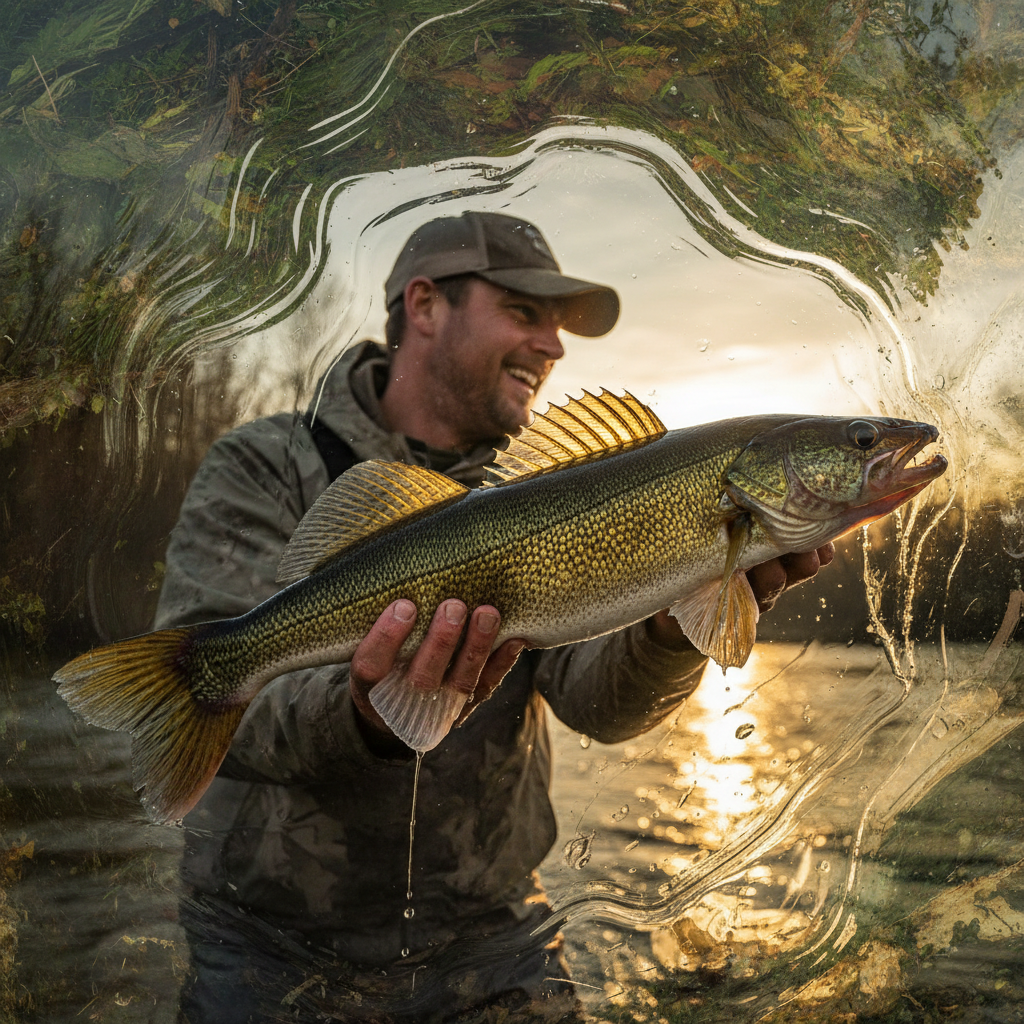
Imagine you’re fishing for walleye in a lake. You know that walleye are nocturnal feeders and tend to prefer deeper water during the day. Therefore, you might focus your efforts on fishing along drop-offs or near underwater structures in the early morning or late evening, using lures or baits that imitate the movement of baitfish.
The Impact of Weather and Seasons
Weather and seasonal changes play a significant role in shaping the aquatic environment and influencing fish behavior. Understanding these influences is crucial for adapting your fishing strategies and maximizing your chances of success.
Temperature is a key factor that affects fish metabolism, feeding activity, and spawning behavior. As water temperatures rise in the spring, fish become more active and begin to feed more aggressively in preparation for spawning. During the summer months, fish may seek out cooler, deeper water to escape the heat. As water temperatures cool in the fall, fish begin to feed heavily again to prepare for the winter months. During the winter, fish may become less active and seek out areas with stable temperatures and minimal current.
Wind can also have a significant impact on fish behavior. Wind can create currents that concentrate food sources and attract fish. It can also create waves that stir up sediment and reduce visibility, making it more difficult for fish to see and feed. Furthermore, wind can affect the surface temperature of the water, creating pockets of warmer or cooler water that attract or repel fish.
Rain can also have a significant impact on fish behavior. Rain can increase the flow of rivers and streams, carrying nutrients and organic matter into the water. This can stimulate feeding activity and attract fish. Rain can also reduce visibility and create turbid water conditions, making it more difficult for fish to see and feed.
Consider a scenario where you’re fishing for bass in the spring. You know that bass are preparing to spawn and are actively feeding near shallow water. A sudden cold front can cause the water temperature to drop, causing the bass to move back into deeper water and become less active. By understanding the impact of weather on fish behavior, you can adjust your fishing strategies accordingly and increase your chances of success.
Putting It All Together: A Case Study
Let’s imagine you’re planning a fishing trip to a local lake. Before you even leave home, you should start gathering information about the lake. Research the lake’s depth, structure, and fish species. Look at topographic maps to identify potential hotspots, such as drop-offs, submerged islands, and creek channels.
When you arrive at the lake, take some time to observe the surface of the water. Look for signs of fish activity, such as ripples, swirls, or jumping fish. Pay attention to the wind direction and the presence of any current. Check the water clarity and temperature. All of these factors can provide valuable clues about where the fish might be located.
Next, use your depth finder to locate underwater structures, such as rocks, logs, and vegetation. Pay attention to changes in depth and bottom composition. Look for areas where the bottom changes from sand to gravel or where there are submerged ledges or drop-offs. These areas are likely to hold fish.
Based on your observations and research, choose the right lures, baits, and techniques for targeting the fish species you’re interested in catching. If you’re fishing for bass, you might start by casting a crankbait or a spinnerbait near submerged structures. If you’re fishing for crappie, you might try using a jig or a minnow under a bobber near vegetation.
As you fish, pay attention to how the fish are responding to your presentation. If you’re not getting any bites, try changing your lure, bait, or technique. Experiment with different retrieves and depths. Be patient and persistent, and don’t be afraid to try new things.
For instance, let’s say you are fishing for trout on a sunny afternoon in a mountain stream. You notice that the water is clear and the current is swift. You see a few mayflies hatching on the surface. Based on this information, you might choose to use a dry fly that imitates the mayflies. You would cast your fly upstream and let it drift naturally with the current, paying close attention to any subtle takes. If you don’t get any bites, you might try switching to a different fly pattern or adding a dropper nymph below your dry fly to target trout that are feeding subsurface.

The Importance of Patience and Observation
Reading the water is not a skill that can be mastered overnight. It requires patience, observation, and a willingness to learn from your mistakes. The more time you spend on the water, the better you’ll become at understanding the nuances of the aquatic environment and predicting fish behavior.
Don’t be discouraged if you don’t catch fish every time you go out. Even experienced anglers have days when they struggle to find fish. The key is to keep learning and adapting your strategies based on your observations and experiences. Every fishing trip is an opportunity to learn something new and improve your skills.
Take the time to observe the water, the weather, and the fish. Pay attention to the details, and don’t be afraid to experiment. The more you learn about the aquatic environment, the more successful you’ll become as an angler. Remember, fishing is not just about catching fish; it’s about connecting with nature and enjoying the process.
And that’s the beautiful irony, isn’t it? That the more you learn, the more you realize how much more there is to learn. The underwater world is a complex and ever-changing ecosystem, and mastering the art of reading the water is a lifelong pursuit. But with patience, dedication, and a genuine love for the sport, you can unlock its secrets and become a truly skilled and successful angler.
For example, consider a seasoned fisherman who has been fishing the same lake for decades. He knows the lake like the back of his hand, having observed the seasonal changes, the fish migrations, and the impact of weather patterns over many years. He can predict with remarkable accuracy where the fish will be at any given time, and he knows exactly what lures and techniques to use to catch them. This level of expertise is not achieved overnight, but rather through years of dedicated observation and learning.
Beyond the Catch: Respect and Conservation
Finally, remember that fishing is not just about catching fish. It’s also about respecting the environment and practicing responsible fishing habits. Always follow local fishing regulations, and practice catch and release whenever possible. Dispose of your trash properly, and avoid damaging the habitat. By doing your part to protect the aquatic environment, you can ensure that future generations will be able to enjoy the sport of fishing for years to come.
Ultimately, reading the water is about developing a deeper connection with the natural world. It’s about learning to appreciate the beauty and complexity of the aquatic ecosystem and understanding your role in preserving it. By becoming a more knowledgeable and responsible angler, you can not only improve your fishing success but also contribute to the long-term health of our waterways. So, the next time you head out on the water, remember to take a moment to pause, observe, and truly read the water. You might be surprised at what you discover.