Beyond the Bait: The Art of Observational Angling
For generations, anglers have obsessed over bait. From secret concoctions passed down through families to the latest scientifically engineered attractants, the pursuit of the perfect bait has become a near-religious quest. Tackle shops overflow with an arsenal of scents, flavors, and textures, each promising to unlock the secrets of the underwater world and lure even the most discerning fish. But what if I told you that all this focus on bait is, in many ways, a distraction? What if the true key to consistent success lies not in what you offer, but in how you observe?
The truth is, the environment speaks volumes. It whispers secrets of fish behavior, feeding patterns, and movement, if only we take the time to listen. Learning to read the water, understand weather patterns, and interpret subtle clues in the surrounding landscape is far more valuable than relying solely on the allure of even the most potent bait. This is the essence of observational angling – a holistic approach that transforms you from a mere bait-dangler into a true student of the aquatic realm.
The Limitations of Bait-Centric Thinking
Consider this: a perfectly presented bait, even one that precisely mimics a fish’s natural prey, will be useless if it’s cast into barren water. A trophy-sized bass isn’t going to magically appear simply because you’re using the “hottest” new lure. Fish are creatures of habit, influenced by a complex interplay of environmental factors. They seek out specific habitats, follow migration routes, and adjust their feeding behaviors based on weather conditions, water temperature, and a host of other variables. Ignoring these factors and blindly relying on bait is like trying to solve a complex equation with only one variable. You might get lucky occasionally, but consistent success will remain elusive.
Moreover, over-reliance on bait can lead to a lazy approach to angling. It encourages a passive mindset, where the angler simply casts and waits, hoping the magic bait will do its work. Observational angling, on the other hand, demands active engagement. It forces you to become a detective, constantly searching for clues and adapting your strategy based on real-time observations. This active approach not only increases your chances of success but also deepens your connection with the natural world.
Think of a seasoned deer hunter. They don’t just wander into the woods and randomly set up a stand. They scout the area, looking for tracks, rubs, scrapes, and other signs of deer activity. They study the terrain, wind direction, and available food sources. Only then do they choose a strategic location to maximize their chances of success. Observational angling requires the same level of dedication and attention to detail.
Deciphering the Language of the Water
Learning to read the water is perhaps the most crucial skill in observational angling. The water’s surface, color, clarity, and current all hold valuable information about what’s happening beneath. Let’s delve into some key aspects:
Understanding Water Clarity and Color
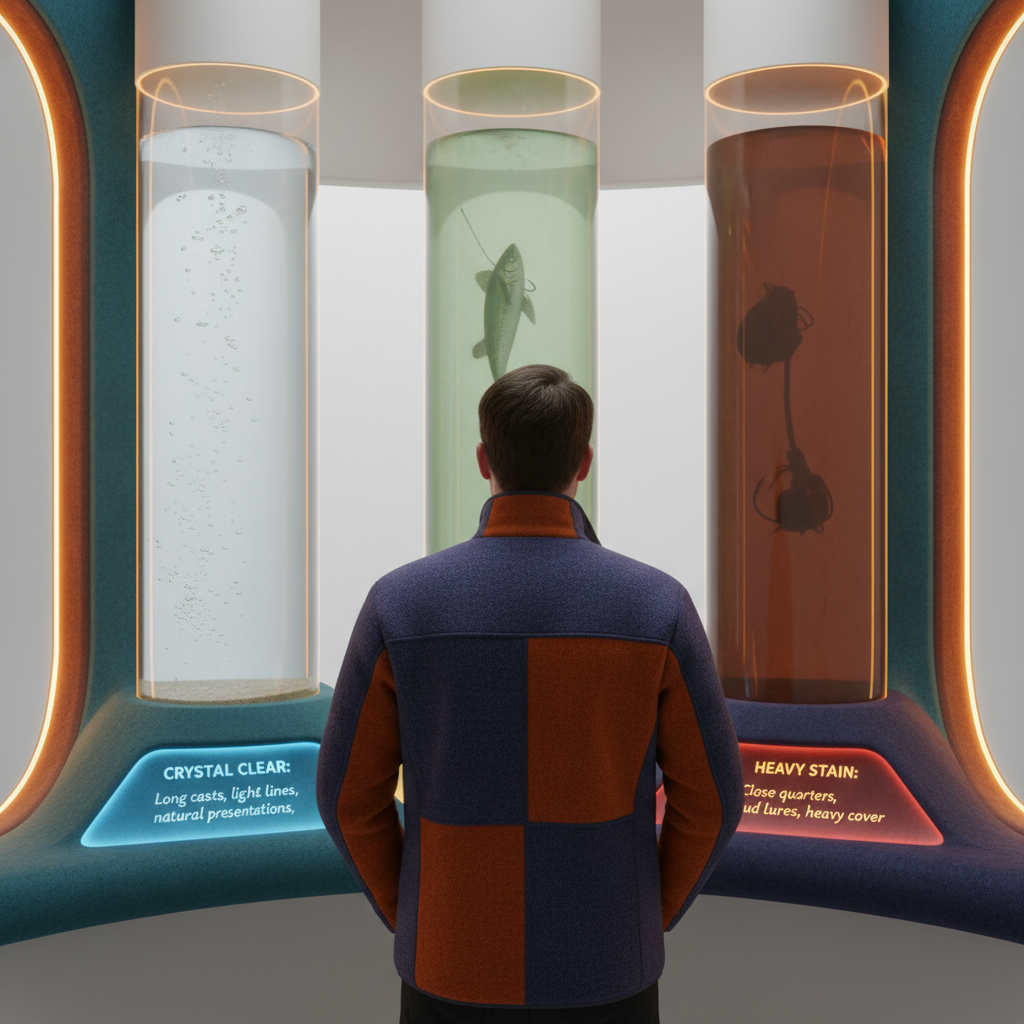
Water clarity is a direct indicator of visibility, which in turn affects how fish perceive bait and predators. In clear water, fish are more likely to be spooked by unnatural movements or lines, requiring a more stealthy approach. Natural-looking baits and longer casts become essential. In murky or stained water, however, fish rely more on their other senses, such as smell and vibration. This is where scented baits and lures with strong vibrations can excel. The color of the water can also provide clues about the presence of algae blooms, sediment, or other factors that may affect fish behavior. For example, a sudden green tint could indicate an algae bloom, which can deplete oxygen levels and push fish to seek more oxygenated areas.
Reading the Surface: Ripples, Eddies, and Wind
The surface of the water is a dynamic canvas, constantly changing in response to wind, current, and underwater structure. Ripples and waves can indicate the presence of submerged rocks, weed beds, or drop-offs. Eddies, formed by obstructions in the current, often provide shelter for fish waiting to ambush prey. Wind direction and strength can also significantly impact fish behavior. A gentle breeze can create surface chop, which can mask the angler’s presence and make fish feel more secure. Strong winds, however, can make casting difficult and disrupt feeding patterns. Pay attention to how the wind is affecting the water and adjust your strategy accordingly.
For instance, imagine you’re fishing a river with a moderate current. You notice a series of small eddies forming behind a submerged log. These eddies create a slack-water zone where fish can conserve energy while waiting for food to drift by. This would be a prime location to present a bait or lure, drifting it naturally into the eddy and allowing it to settle in the strike zone.
Currents: The Highways of the Underwater World
Currents are the lifeblood of many aquatic ecosystems, transporting nutrients, oxygen, and food throughout the water column. Fish often congregate in areas where currents converge or change direction, creating feeding opportunities. Understanding current patterns is essential for presenting your bait effectively. Knowing where the current is strongest, where it weakens, and where it creates eddies or backwaters can help you predict where fish are likely to be holding. Use this knowledge to your advantage, positioning yourself to intercept fish as they move along these underwater highways.
Beyond the Water’s Edge: Understanding the Surrounding Environment
The environment surrounding the water can provide valuable clues about fish behavior and habitat. Pay attention to the following:
Vegetation: A Haven for Fish and Food
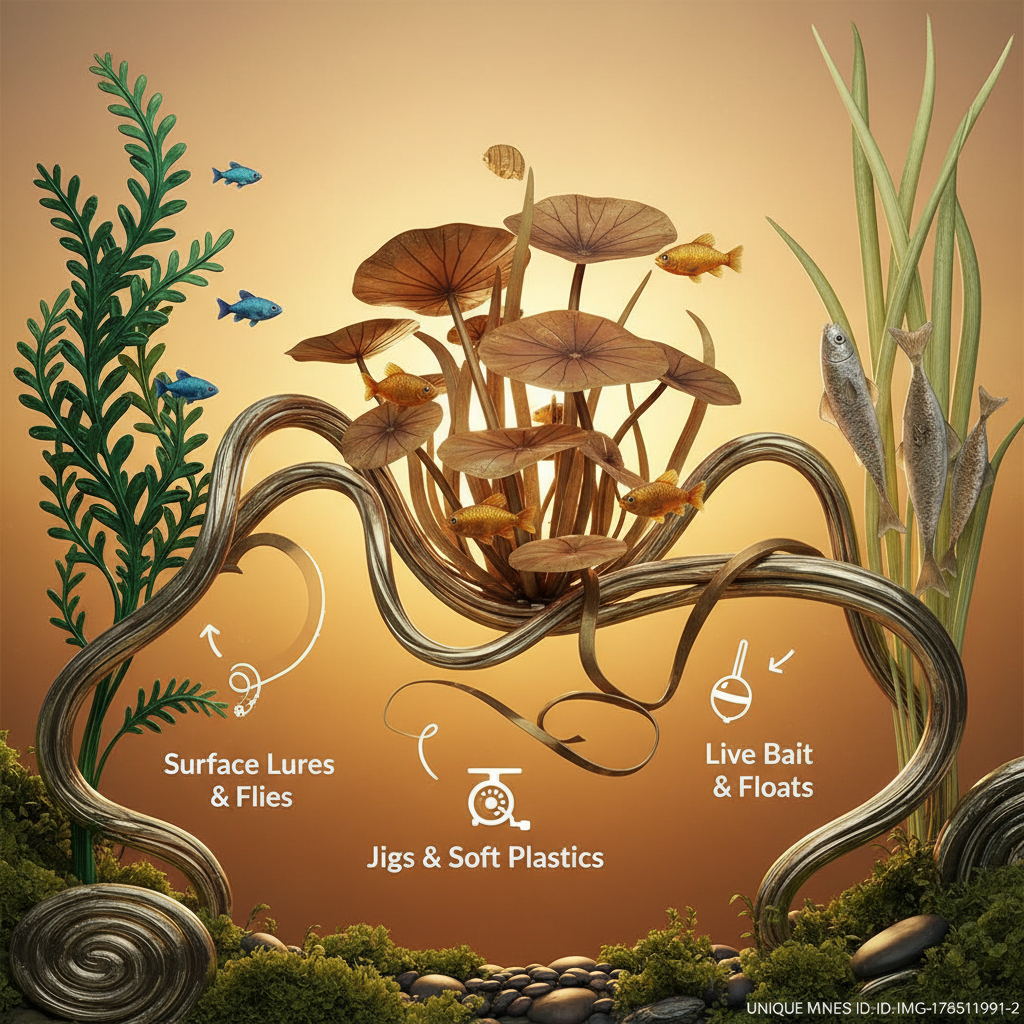
Aquatic vegetation, such as reeds, lily pads, and submerged weeds, provides essential habitat for fish, offering shelter from predators, spawning grounds, and a rich source of food. Different types of vegetation attract different species of fish and offer varying degrees of cover. Understanding the types of vegetation present in a particular area can help you target specific species and present your bait effectively. For example, bass often lurk in dense weed beds, waiting to ambush prey. A weedless lure presented close to the vegetation is likely to trigger a strike. Conversely, trout may prefer the edges of submerged weed beds, where they can feed on insects and crustaceans.
Consider a scenario where you’re fishing a lake with extensive lily pad fields. These lily pads provide shade, cover, and ambush points for bass. Instead of casting blindly into the middle of the pads, focus on the edges, where the pads meet open water. These transition zones are often hotspots for bass activity, as they offer a combination of cover and access to feeding opportunities. Using a weedless frog lure or a Texas-rigged worm, you can effectively target these areas and entice bass to strike.
Weather Patterns: The Unseen Hand
Weather patterns exert a profound influence on fish behavior. Changes in air temperature, barometric pressure, and wind direction can all trigger shifts in feeding patterns and habitat preferences. Learning to anticipate these changes is a crucial aspect of observational angling. For example, a sudden drop in barometric pressure often precedes a storm, which can trigger a feeding frenzy among some species. Conversely, a period of prolonged high pressure can make fish lethargic and difficult to catch. Pay attention to weather forecasts and observe how fish are reacting to changing conditions. Adjust your strategy accordingly, changing your bait, presentation, or location as needed.
Terrestrial Clues: Signs on the Shore
Even the land surrounding the water can provide valuable clues about fish behavior. Look for signs of animal activity, such as tracks, droppings, or feeding areas. These signs can indicate the presence of prey species that fish may be targeting. For example, if you notice a lot of insect activity along the shoreline, it’s likely that fish are feeding on those insects. Matching your bait to the prevalent insects can significantly increase your chances of success. Similarly, if you see signs of birds feeding on small fish or crustaceans, it’s a good indication that those prey species are abundant in the area.
The Art of Adaptation: Staying Flexible and Responsive
Observational angling is not a rigid set of rules, but rather a flexible approach that requires constant adaptation. What works one day may not work the next, as environmental conditions and fish behavior are constantly changing. The key is to remain observant, analytical, and willing to adjust your strategy as needed. This may involve changing your bait, presentation, location, or even your target species. The angler who is most adaptable is the angler who is most likely to succeed.
Case Study: The Shifting Sands of a Coastal Fishery
Consider a coastal fishery where the tidal flow is a dominant factor. A successful angler in this environment understands the intricate dance between the tides, currents, and fish behavior. They know that certain species will move into shallow flats during high tide to feed on crustaceans and small fish, while others will retreat to deeper channels during low tide. They also understand how the tide affects water clarity, temperature, and salinity, and how these factors influence fish distribution and feeding activity.
An angler practicing observational angling in this scenario wouldn’t simply cast blindly into the water. They would first observe the tidal stage, water clarity, and weather conditions. They would look for signs of feeding activity, such as birds diving, baitfish scattering, or surface strikes. Based on these observations, they would choose a location that is likely to hold fish and select a bait and presentation that is appropriate for the conditions. They might start by fishing shallow flats during high tide, using a topwater lure to target fish feeding on the surface. As the tide recedes, they might move to deeper channels and switch to a bottom-fishing rig to target fish that have retreated to the depths.

Embracing the Learning Process
Observational angling is a continuous learning process. Every trip to the water is an opportunity to hone your skills, expand your knowledge, and deepen your understanding of the aquatic world. Don’t be afraid to experiment, make mistakes, and learn from your experiences. Keep a fishing log, noting the date, time, location, weather conditions, water clarity, bait used, and any other relevant observations. Over time, this log will become a valuable resource, helping you identify patterns, predict fish behavior, and refine your angling strategy. The more you observe, the more you learn, and the more successful you will become.
Beyond Catching: A Deeper Connection
Ultimately, observational angling is about more than just catching fish. It’s about developing a deeper connection with the natural world, fostering a sense of respect for the environment, and appreciating the intricate beauty of the aquatic ecosystem. By learning to observe and understand the subtle nuances of the water and the surrounding landscape, you’ll not only become a more successful angler but also a more knowledgeable and responsible steward of our natural resources.
Consider the satisfaction of not just catching a fish, but understanding *why* you caught it. Was it the specific time of day, the changing tide, the subtle shift in wind direction? Connecting the dots between your observations and your success elevates the experience from a simple pastime to an intellectual and spiritual pursuit. It transforms you from a consumer of the resource to a participant in the ecosystem.
This deeper connection also fosters a sense of responsibility. When you understand the delicate balance of the aquatic environment, you’re more likely to take steps to protect it. You’ll be more mindful of your impact on the ecosystem, practicing catch-and-release techniques, disposing of trash properly, and advocating for responsible fishing regulations. Observational angling is not just about catching fish; it’s about becoming a better angler, a better environmentalist, and a better human being.

So, the next time you head out to the water, remember to look beyond the bait. Take a moment to observe the environment, listen to the whispers of the wind, and feel the pulse of the current. You might be surprised at what you discover. The true magic of angling lies not in the perfect bait, but in the power of observation and the ability to connect with the natural world on a deeper level. Embrace the art of observational angling, and you’ll unlock a world of knowledge, success, and fulfillment that extends far beyond the thrill of the catch. Let the environment be your ultimate guide.