Understanding the Elusive Quarry
The allure of fishing often lies not just in the act itself, but in the challenge of pursuing those species deemed most elusive. Whether it’s the wily brown trout in a crystal-clear stream, the powerful musky lurking in the depths of a northern lake, or the ghost-like bonefish gliding across a saltwater flat, these fish demand a higher level of skill, patience, and understanding. But why are some fish so difficult to catch? And more importantly, how can we increase our chances of success without sacrificing countless hours and resources?
The “elusiveness” of a fish is a multifaceted characteristic, influenced by a complex interplay of factors. These can be broadly categorized into biological, environmental, and behavioral aspects. Biologically, some species simply possess heightened senses, making them more adept at detecting predators (including anglers). For instance, bonefish have incredibly sharp eyesight and are notoriously skittish, fleeing at the slightest disturbance. Environmentally, factors like water clarity, temperature, and the availability of food sources can dramatically impact a fish’s behavior and vulnerability to angling pressure. Clear water, for example, allows fish to see lures and lines more easily, while fluctuating temperatures can affect their metabolism and feeding habits. Finally, behavioral factors, such as learned avoidance, spawning migrations, and individual personality differences, all contribute to a fish’s overall elusiveness. A fish that has been caught and released multiple times may become wary of certain lures or techniques, while a fish preparing to spawn may prioritize reproduction over feeding.
The key to consistently catching elusive fish lies in adopting a holistic approach that considers all these factors. It’s not enough to simply cast a line and hope for the best. We need to become students of the fish we’re pursuing, understanding their biology, their environment, and their behavior. This requires a commitment to continuous learning, observation, and experimentation. We must be willing to adapt our strategies based on the conditions we encounter and the feedback we receive from the fish themselves.
Beyond Luck: Mastering the Fundamentals
While luck can certainly play a role in fishing, relying solely on chance is a recipe for frustration, especially when targeting elusive species. Instead, we need to focus on mastering the fundamentals of angling, honing our skills in areas such as casting accuracy, knot tying, lure presentation, and fish fighting. These foundational skills provide the bedrock upon which more advanced techniques can be built. A perfectly presented fly, a secure knot that won’t fail under pressure, and a well-executed hookset can all make the difference between landing a trophy fish and watching it swim away.
Furthermore, understanding the specific techniques and tactics that are most effective for the species you’re targeting is crucial. For example, targeting musky often involves using large, flashy lures and employing a figure-eight retrieve at the boat to trigger strikes. Bonefishing, on the other hand, requires stealth, precision casting, and the use of lightly weighted flies that mimic the natural prey found on the flats. Researching the preferred habitats, feeding habits, and seasonal movements of your target species will allow you to tailor your approach and maximize your chances of success.

Strategic Location and Timing
Even the most skilled angler will struggle to catch fish if they’re fishing in the wrong place at the wrong time. Identifying productive fishing locations and understanding the seasonal patterns that influence fish behavior are essential components of a successful strategy. This involves more than just randomly selecting a spot on a map. It requires careful research, observation, and a willingness to explore new areas.
Factors such as water depth, structure, current, and vegetation all play a role in determining where fish are likely to congregate. For example, trout often hold in areas with strong currents that bring them food, while bass may seek refuge in submerged vegetation or around fallen trees. Understanding these habitat preferences will allow you to narrow your search and focus your efforts on the most promising locations. Similarly, timing your fishing trips to coincide with periods of peak activity can significantly increase your chances of success. For instance, fishing during the pre-spawn period when fish are actively feeding to prepare for reproduction can be highly productive. Paying attention to weather patterns, moon phases, and tidal cycles can also provide valuable insights into fish behavior.
Decoding Environmental Cues
The environment is constantly communicating with us, providing clues about fish behavior and location. Learning to interpret these cues can give you a significant advantage on the water. For example, a sudden drop in water temperature may cause fish to become less active and seek deeper water. Conversely, a warm, sunny day may trigger a feeding frenzy in shallow areas. Paying attention to wind direction, cloud cover, and barometric pressure can also provide valuable information. A falling barometric pressure, for instance, is often associated with increased fish activity.
Furthermore, observing the behavior of other animals, such as birds and insects, can provide clues about the presence of fish. Diving birds may indicate the location of baitfish schools, while mayfly hatches can trigger intense feeding activity among trout. By becoming more attuned to the environment and learning to interpret these subtle cues, you can gain a deeper understanding of fish behavior and adapt your strategy accordingly.
Presentation is Paramount
Even if you’ve located the fish and chosen the right lure, poor presentation can still prevent you from getting a strike. The way you present your lure or fly can make all the difference between a successful catch and a frustrating day on the water. Presentation encompasses a wide range of factors, including casting accuracy, retrieve speed, depth control, and the use of natural-looking movements.
Casting accuracy is particularly important when targeting fish in tight cover or when trying to present a lure to a specific target, such as a submerged log or a weed bed. Practicing your casting technique and developing the ability to accurately place your lure where you want it to go will significantly improve your chances of success. Retrieve speed and depth control are also crucial elements of presentation. Experimenting with different retrieve speeds and depths can help you determine what the fish are responding to on a given day. For example, a slow, deliberate retrieve may be more effective when the water is cold and the fish are sluggish, while a fast, erratic retrieve may be more appealing when the water is warm and the fish are actively feeding.
Mimicking Nature: The Art of Deception
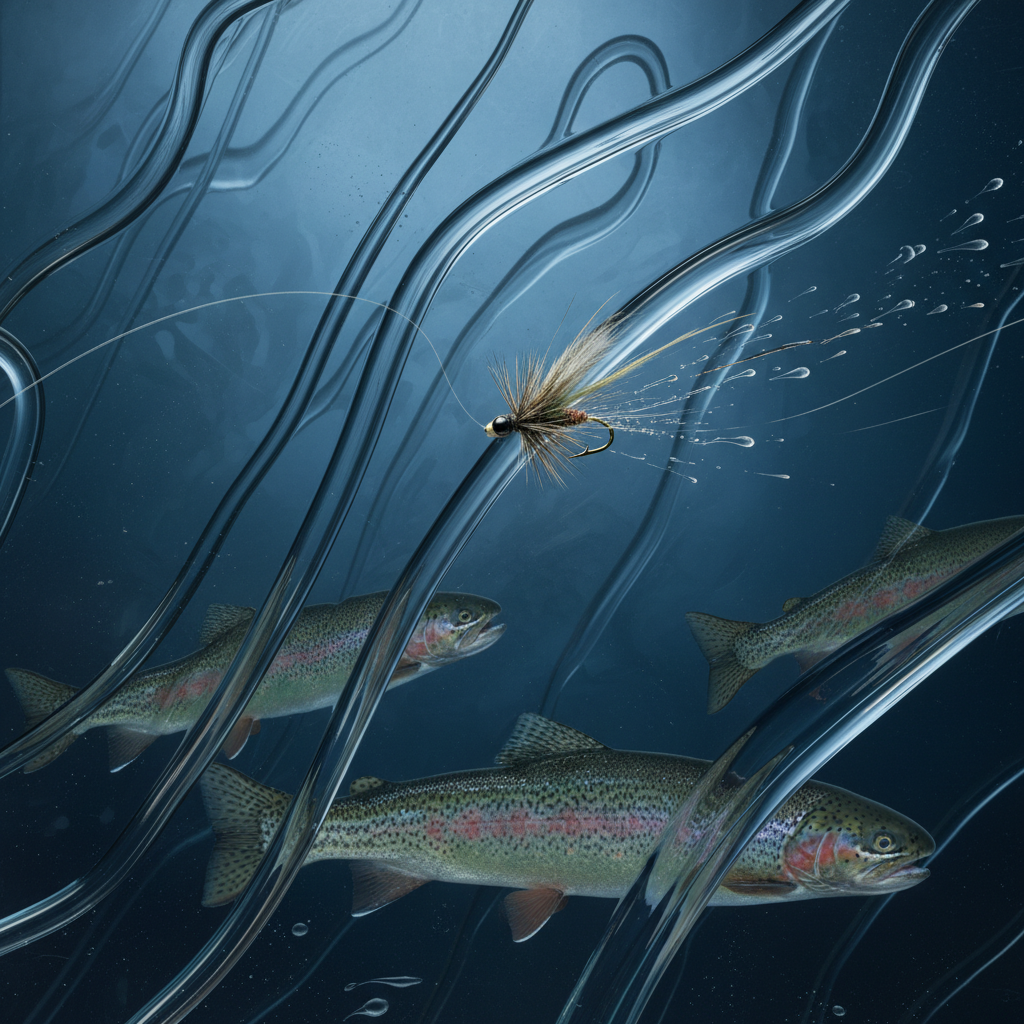
Ultimately, the goal of presentation is to mimic the natural movements and appearance of the fish’s prey. This requires a keen understanding of the fish’s feeding habits and the types of food they typically consume. Observing the natural forage in the area and selecting lures or flies that closely resemble it is a good starting point. However, it’s also important to pay attention to the details of your presentation, such as the way your lure moves in the water and the way it reflects light. Adding subtle twitches or pauses to your retrieve can often make your lure appear more lifelike and trigger a strike. Similarly, using polarized sunglasses can help you see beneath the surface of the water and observe how your lure is behaving. This allows you to make adjustments to your presentation and ensure that you’re presenting your lure in the most natural and appealing way possible.
The Mental Game: Patience and Persistence
Fishing for elusive species can be mentally challenging. There will be days when you don’t get a single bite, despite your best efforts. It’s during these times that patience and persistence become crucial. Maintaining a positive attitude and refusing to give up, even when the odds seem stacked against you, can make all the difference. Remember that even the most experienced anglers have days when they struggle. The key is to learn from your mistakes, adapt your strategy, and keep casting.
Furthermore, it’s important to manage your expectations and avoid getting discouraged by setbacks. Elusive fish are elusive for a reason. They’re not always easy to catch, and there will be times when you simply can’t figure them out. Instead of dwelling on your failures, focus on the process of learning and improving your skills. Celebrate small victories, such as perfecting a new casting technique or identifying a productive fishing location. By focusing on the positive aspects of the experience and maintaining a long-term perspective, you can stay motivated and persistent, even when the fishing is tough.
Embracing the Challenge
Ultimately, the pursuit of elusive fish is about more than just catching fish. It’s about embracing the challenge, pushing your limits, and connecting with nature on a deeper level. It’s about learning to appreciate the beauty and complexity of the aquatic ecosystem and developing a sense of respect for the creatures that inhabit it. It’s about the journey, not just the destination. So, the next time you find yourself struggling to catch that elusive fish, remember to take a deep breath, relax, and enjoy the experience. The reward may not always be a trophy fish, but the lessons you learn and the memories you create will be priceless.

Advanced Tactics for Specific Species
While the fundamentals discussed above apply broadly, specific elusive species often require specialized tactics and knowledge. Let’s consider a few examples:
Musky: Deciphering the Apex Predator
Musky, often dubbed “the fish of 10,000 casts,” are notorious for their unpredictable behavior. To consistently target them, understanding their ambush predator nature is key. This translates to focusing on structure: weed beds, rocky points, and submerged timber. Large, flashy lures like bucktails, crankbaits, and jerkbaits are the norm, often retrieved with erratic, stop-and-go motions to trigger reaction strikes. The figure-eight retrieve at the boat is crucial, as many musky follow the lure without committing until the last moment. Water temperature plays a significant role; musky tend to be more active in cooler water (60-70°F). Don’t be afraid to experiment with different lure colors and retrieve speeds until you find what the fish are responding to. A steel leader is a non-negotiable due to their sharp teeth.
Bonefish: The Ghost of the Flats
Bonefish, inhabiting shallow saltwater flats, demand stealth and precision. Their incredible eyesight makes them easily spooked. Wading quietly, minimizing shadows, and making long, accurate casts are essential. Lightly weighted flies, mimicking shrimp or crabs, are typically used. The presentation must be delicate, landing the fly softly and allowing it to sink naturally. Observing the bonefish’s behavior is crucial; are they tailing (feeding on the bottom), cruising, or grouped up? Adjust your fly selection and presentation accordingly. Polarized sunglasses are indispensable for spotting bonefish in the clear, shallow water. Consider hiring a local guide; their knowledge of the flats and bonefish behavior is invaluable.
Brown Trout: The Selective Eater
Wild brown trout in clear, flowing waters are notoriously selective feeders. Matching the hatch, using flies that imitate the insects currently hatching, is paramount. This requires careful observation of the insects present and carrying a variety of fly patterns. Drifting your fly naturally, without drag, is crucial. Techniques like nymphing (fishing flies below the surface) and dry fly fishing (fishing flies on the surface) require different rod actions and line control. Understanding the trout’s feeding lies (the spots where they hold to intercept food) is also important. Look for seams between fast and slow water, undercut banks, and areas near structure.
Continuous Learning and Adaptation
Fishing for elusive fish is a never-ending learning process. New techniques, lures, and technologies are constantly emerging. Staying up-to-date on the latest trends and information is crucial. Read books, articles, and online forums. Talk to other anglers and share your experiences. Don’t be afraid to experiment and try new things. Most importantly, be willing to adapt your strategy based on the conditions you encounter and the feedback you receive from the fish themselves. What worked yesterday may not work today. The ability to adapt and learn from your experiences is the key to consistently catching elusive fish.

The pursuit of elusive fish is a journey of constant discovery and refinement. It demands patience, persistence, and a deep understanding of the aquatic ecosystem. By mastering the fundamentals, strategically choosing locations and times, perfecting your presentation, and embracing the mental game, you can significantly increase your chances of success. Remember that the true reward lies not just in catching the fish, but in the process of learning, adapting, and connecting with nature. So, go forth, explore, and may your lines be tight with the most elusive quarry!