Your First Fishing Trip: A Beginner’s Guide to Landing a Catch
The allure of fishing is timeless. It’s a chance to connect with nature, challenge yourself, and maybe even bring home dinner. But for a beginner, the world of rods, reels, lines, and lures can feel overwhelming. Where do you even begin? This guide is designed to demystify the process, equipping you with the essential knowledge and practical tips you need to make your first fishing trip a success. We’ll cover everything from choosing the right gear to understanding fish behavior, ensuring you’re not just casting a line, but actually increasing your chances of landing a catch.
Why Fishing? More Than Just Catching Fish
Before we dive into the technical aspects, let’s consider why fishing is so appealing. It’s not merely about the fish. It’s about the tranquility of being outdoors, the challenge of mastering a new skill, and the satisfaction of providing for yourself (if you choose to keep your catch). Fishing offers a unique opportunity to disconnect from the digital world and reconnect with the natural environment. It teaches patience, observation, and respect for the delicate ecosystems we rely on. So, as you prepare for your first trip, remember to embrace the journey, not just the destination. Are you ready to experience the peace and excitement that fishing offers?
Gear Up: Essential Equipment for Beginners
Having the right equipment is crucial for a successful fishing trip. While you don’t need to break the bank on top-of-the-line gear, investing in quality basics will make the experience much more enjoyable and productive. Let’s break down the essential equipment you’ll need:
The Rod: Your Fishing Partner
Choosing a rod can be confusing, but for beginners, a medium-action spinning rod is a great all-around option. These rods are versatile enough to handle a variety of fish species and fishing techniques. Look for a rod that’s around 6 to 7 feet long. This length provides a good balance between casting distance and maneuverability. Consider the material as well. Graphite rods are more sensitive and lighter, while fiberglass rods are more durable and affordable. As a beginner, a fiberglass or composite rod (a blend of graphite and fiberglass) might be a good starting point. Remember, the rod is an extension of your arm; find one that feels comfortable and balanced in your hand.
The Reel: Where the Line Lives
A spinning reel is the most beginner-friendly option. They are easy to use and relatively inexpensive. Match the size of your reel to your rod. A 2500 or 3000 size reel is typically a good fit for a medium-action spinning rod. When choosing a reel, pay attention to the number of ball bearings. More ball bearings generally translate to smoother operation. Also, consider the gear ratio, which indicates how many times the spool rotates with each turn of the handle. A gear ratio of around 5:1 is a good all-purpose choice. Practice casting with your reel before your trip to get a feel for how it works.
The Line: The Invisible Connection
Monofilament line is a good choice for beginners. It’s affordable, easy to manage, and has good stretch, which can help absorb the shock of a fighting fish. Choose a line weight that’s appropriate for the fish you’re targeting. For example, if you’re fishing for trout or panfish, a 4 to 6-pound test line is sufficient. For bass or larger fish, you might want to use an 8 to 10-pound test line. Always inspect your line for any signs of wear or damage before each fishing trip. A weak line can easily break, resulting in a lost fish and a frustrating experience.
Hooks, Bobbers, and Sinkers: The Small Details That Matter
Hooks come in various sizes and styles. For beginners, a size 6 or 8 bait hook is a good starting point. Circle hooks are also a good option, as they tend to hook fish more consistently in the corner of the mouth. Bobbers are used to suspend your bait at a specific depth. Choose a bobber size that’s appropriate for the size of your bait. Sinkers are used to add weight to your line, allowing you to cast further and fish in deeper water. A variety of split shot sinkers in different sizes will give you the flexibility to adjust your presentation.

Lures: Tempting the Fish
Lures are artificial baits designed to attract fish. There’s a vast array of lures available, but for beginners, it’s best to start with a few simple and versatile options. Spinners, spoons, and crankbaits are all good choices. Spinners are effective for attracting fish in clear water, while spoons are better for murky water. Crankbaits are designed to imitate the swimming action of baitfish. Choose lures in colors that are appropriate for the water conditions. In clear water, natural colors tend to work best, while in murky water, brighter colors are more effective. Experiment with different lures and retrieves to see what works best in your local waters.
Other Essentials: Comfort and Safety First
Don’t forget the essentials for your comfort and safety. A fishing hat and sunglasses will protect you from the sun. Sunscreen will prevent sunburn. Insect repellent will keep the bugs away. A pair of pliers or forceps will help you remove hooks from fish. A fishing license is required in most states, so be sure to obtain one before you go. A first-aid kit is essential for treating minor injuries. And, of course, bring plenty of water and snacks to stay hydrated and energized throughout the day. A small backpack to carry all your gear will also be helpful.
Finding the Fish: Location, Location, Location
Knowing where to fish is just as important as having the right equipment. Fish are not evenly distributed throughout a body of water. They tend to congregate in areas where they can find food, shelter, and suitable water conditions. Understanding fish behavior and habitat preferences can significantly increase your chances of success.
Understanding Fish Habitat
Different species of fish have different habitat preferences. Trout, for example, prefer cold, clear, and fast-flowing water. Bass prefer warmer, more stagnant water with plenty of cover, such as weeds, logs, and rocks. Panfish, such as bluegill and crappie, can be found in a variety of habitats, but they often congregate around submerged vegetation and docks. Understanding the specific habitat preferences of the fish you’re targeting will help you narrow down your search.
Reading the Water: Clues to Finding Fish
Learning to “read the water” is a crucial skill for any angler. Look for clues that might indicate the presence of fish. For example, weed beds provide cover and attract baitfish, making them prime locations for predators. Drop-offs and ledges create changes in depth, which can concentrate fish. Points of land extending into the water often hold fish, as they provide current breaks and ambush points. Also, pay attention to any signs of fish activity, such as jumping fish, baitfish flickering on the surface, or birds diving into the water. These are all indicators that fish are present.
Time of Day and Season: When Fish Are Most Active
Fish activity levels vary throughout the day and throughout the year. Generally, fish are most active during the early morning and late evening hours, when the light is low and the water is cooler. During the heat of the day, fish tend to seek out deeper, cooler water. The time of year also plays a significant role. Fish spawn during specific seasons, and they tend to be more active during these periods. Water temperature is a key factor influencing fish behavior. As the water temperature changes, fish will move to areas where they are most comfortable.
Using Technology: Fish Finders and Maps
If you have access to a fish finder, it can be a valuable tool for locating fish. Fish finders use sonar to detect fish and underwater structures. They can also provide information about water depth, temperature, and bottom composition. Topographic maps can also be helpful for identifying potential fishing spots. Look for areas with steep drop-offs, submerged islands, or other underwater features that might attract fish. Many online resources offer detailed maps of lakes and rivers, including information about fish habitat and fishing hotspots.

The Art of Casting: Getting Your Bait in the Zone
Casting is a fundamental skill in fishing. A good cast allows you to present your bait or lure accurately and efficiently. There are several different casting techniques, but for beginners, the overhand cast and the sidearm cast are the most commonly used.
The Overhand Cast: Distance and Accuracy
The overhand cast is a powerful cast that allows you to cover a lot of distance. To perform an overhand cast, hold the rod with both hands, with your dominant hand gripping the reel seat. Extend your arm forward, then bring the rod back over your shoulder in a smooth, fluid motion. As you bring the rod forward, release the line from your index finger. The key to a successful overhand cast is to use your entire body, not just your arm. Practice your timing and coordination to achieve a smooth and accurate cast.
The Sidearm Cast: Accuracy and Stealth
The sidearm cast is a more subtle cast that’s ideal for fishing in tight spaces or when you need to avoid spooking fish. To perform a sidearm cast, hold the rod with your dominant hand and swing it to the side in a smooth, horizontal motion. Release the line from your index finger as the rod reaches the target. The sidearm cast is less powerful than the overhand cast, but it’s more accurate and allows you to present your bait or lure with greater stealth. Practice both casting techniques to develop a well-rounded skillset.
Retrieving Your Bait: The Presentation
The way you retrieve your bait or lure can significantly impact your success. Different retrieves are effective for different types of fish and different types of lures. A slow, steady retrieve is often effective for attracting sluggish fish, while a fast, erratic retrieve can trigger strikes from aggressive fish. Experiment with different retrieves to see what works best in your local waters. Pay attention to the depth at which you’re retrieving your bait. Some fish prefer to feed near the surface, while others prefer to feed near the bottom. Adjust your retrieve accordingly.
Setting the Hook: The Moment of Truth
Setting the hook is the moment when you transform a bite into a caught fish. When you feel a fish bite, don’t hesitate. Set the hook immediately by sharply jerking the rod upward. The goal is to drive the hook firmly into the fish’s mouth. The force of the hookset should be proportional to the size of the fish. For small fish, a gentle flick of the wrist is sufficient. For larger fish, you’ll need to use more force. After setting the hook, keep the line tight and begin reeling in the fish. If you feel the fish pulling hard, let it run a bit to avoid breaking the line.
Landing the Fish: The Final Act
Once you’ve hooked a fish, the next step is to land it. This requires patience, skill, and a bit of luck. The key is to keep the line tight and avoid sudden movements that could cause the fish to break free.
Fighting the Fish: Patience and Control
Fighting a fish is a battle of wills. The fish will try to run, jump, and dive, while you’ll try to keep it under control. The key is to use the rod to absorb the fish’s movements and prevent it from breaking the line. Keep the rod tip pointed upward and reel in line whenever the fish gives you an opportunity. Avoid reeling when the fish is running, as this can put excessive strain on the line. Let the fish tire itself out before attempting to land it.
Using a Net: The Gentle Approach
A landing net is an essential tool for landing fish. It allows you to bring the fish safely into the boat or onto the shore without injuring it. Choose a net that’s large enough to accommodate the size of the fish you’re targeting. When netting a fish, approach it from the head and scoop it up gently. Avoid slamming the net into the water, as this can spook the fish. Once the fish is in the net, carefully remove the hook and release the fish back into the water (if you’re practicing catch and release).

Catch and Release: Conserving Our Resources
Catch and release fishing is an important practice that helps to conserve fish populations. If you’re not planning on eating the fish you catch, it’s important to release them back into the water as quickly and carefully as possible. To minimize stress on the fish, handle it with wet hands and avoid removing the protective slime layer. Use pliers or forceps to remove the hook, and try to avoid touching the gills. If the fish is deeply hooked, cut the line as close to the hook as possible and release the fish. The hook will eventually dissolve or rust out. When releasing the fish, gently cradle it in the water until it regains its strength and swims away on its own.
Beyond the Basics: Tips and Tricks for Success
Now that you have a solid foundation in the basics of fishing, let’s explore some additional tips and tricks that can help you increase your success rate.
Know Your Knots: Secure Connections
A strong knot is essential for connecting your line to your hook, lure, or swivel. There are many different types of fishing knots, but for beginners, learning a few basic knots is sufficient. The improved clinch knot is a versatile knot that’s suitable for attaching your line to hooks and lures. The Palomar knot is another strong knot that’s easy to tie. Practice tying these knots until you can do them quickly and reliably. A weak knot can break under pressure, resulting in a lost fish.
Sharpen Your Hooks: The Cutting Edge
A sharp hook is essential for a good hookset. Hooks can become dull from hitting rocks, logs, or other underwater obstacles. Use a hook sharpener to keep your hooks razor-sharp. A few strokes with a hook sharpener before each fishing trip can make a big difference in your hookup ratio. Be careful when sharpening hooks, as they can be very sharp. Always use a hook sharpener with a guard to protect your fingers.
Use a Leader: Invisibility and Abrasion Resistance
A leader is a short length of line that’s attached to the end of your main line. Leaders can be made of fluorocarbon or monofilament. Fluorocarbon leaders are virtually invisible underwater, making them ideal for fishing in clear water. Monofilament leaders are more abrasion-resistant, making them a good choice for fishing around rocks or other structure. The length of your leader will depend on the type of fishing you’re doing, but typically, a leader that’s 12 to 24 inches long is sufficient.
Match the Hatch: Imitating Nature
Matching the hatch refers to the practice of using lures or baits that imitate the natural food sources that fish are feeding on. This is particularly important when fishing for trout or other selective feeders. Observe the insects and other organisms that are present in the water and try to choose lures or baits that closely resemble them. If you’re not sure what the fish are feeding on, ask a local bait shop or fishing guide for advice.
Pay Attention to the Weather: The Impact on Fish
Weather conditions can significantly impact fish behavior. Fish tend to be more active during periods of stable weather. A sudden change in weather, such as a cold front or a thunderstorm, can cause fish to become less active. Overcast days are often good for fishing, as the low light conditions make fish less wary. Wind can also affect fishing. A light breeze can create surface chop, which can help to camouflage your line and lure. However, strong winds can make it difficult to cast and control your boat.
Final Thoughts: Embrace the Journey
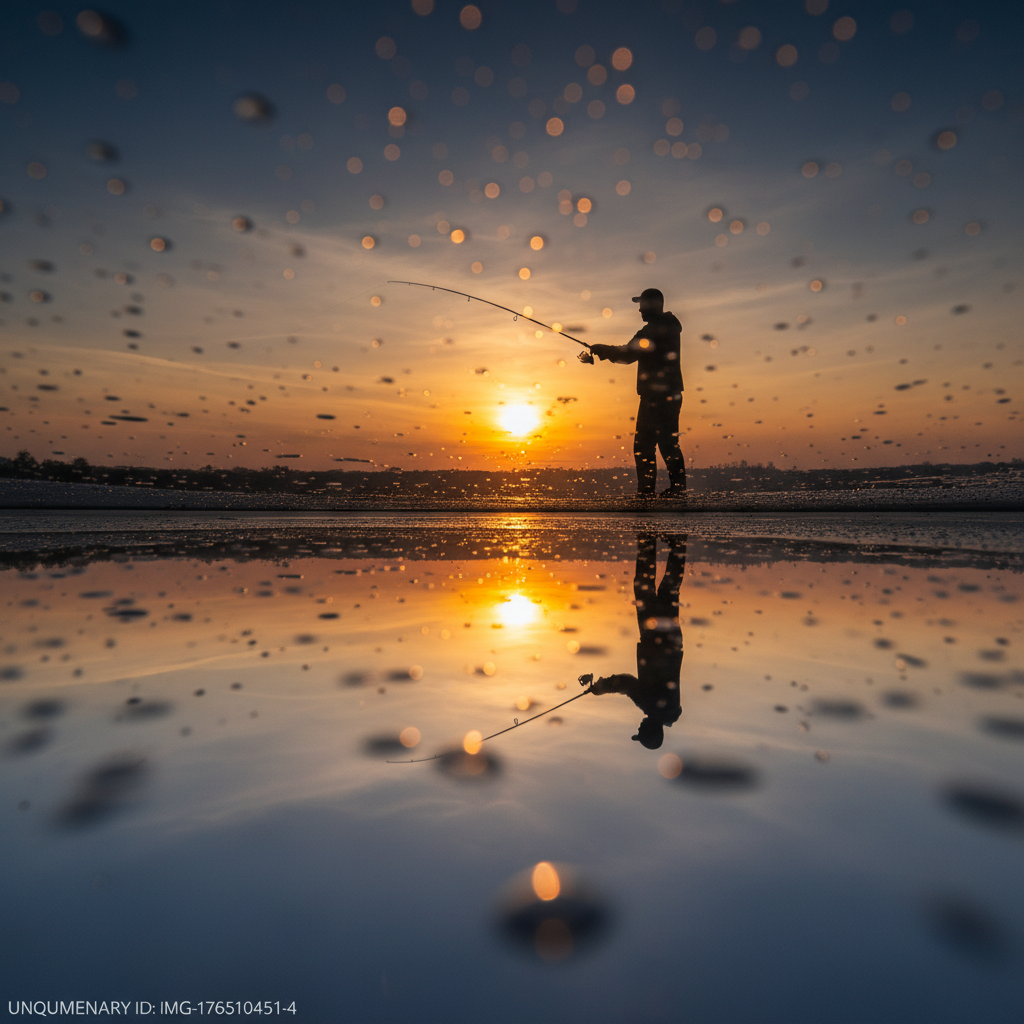
Fishing is a lifelong learning experience. Don’t be discouraged if you don’t catch a fish on your first trip. The most important thing is to enjoy the process, learn from your mistakes, and keep practicing. With patience, persistence, and a willingness to learn, you’ll eventually become a skilled angler. Remember to respect the environment, practice catch and release, and always follow local fishing regulations. So grab your gear, head out to the water, and experience the joy of fishing. The anticipation, the challenge, and the connection with nature await. Every cast is a new opportunity, a new story waiting to be written on the water.