The Undeniable Pull of the Line
Have you ever felt an inexplicable pull towards something, a yearning that resonates deep within your soul? For many, that pull is towards the water, towards the quiet anticipation of a tug on the line, towards the ancient art of fishing. It’s more than just a hobby; it’s a homecoming. A return to something primal, something essential to the human spirit. Why is it that fishing, in its seemingly simple act, can evoke such powerful emotions? What is it about this connection with nature that feels so profoundly like coming home?
Beyond the Catch: A Deeper Connection
Fishing is often perceived as a sport focused solely on the outcome – the size of the fish, the number caught, the bragging rights earned. But for those who truly understand its allure, the catch is merely a happy byproduct of something much more profound. It’s about the connection forged with the natural world, the immersion in the rhythm of the water, the mindful focus that drowns out the noise of modern life.
Think about it: when you’re standing on the bank of a river, casting your line, are you really thinking about your emails, your deadlines, your social media feed? Probably not. Your attention is drawn to the subtle movements of the water, the darting of insects, the calls of birds overhead. You’re present. You’re engaged. You’re part of something larger than yourself. This immersion in the present moment, this mindful connection with nature, is a powerful antidote to the stresses of modern life. It’s a way to reconnect with your roots, to tap into a sense of belonging that has been eroded by the relentless pace of technology and urbanization.
The Ritual and the Routine: Finding Solace in Structure
There’s a certain ritualistic quality to fishing. From preparing your gear to selecting the right bait or lure, to casting your line and patiently waiting for a bite, each step is imbued with a sense of purpose and intention. This routine can be incredibly grounding, especially in a world that often feels chaotic and unpredictable.
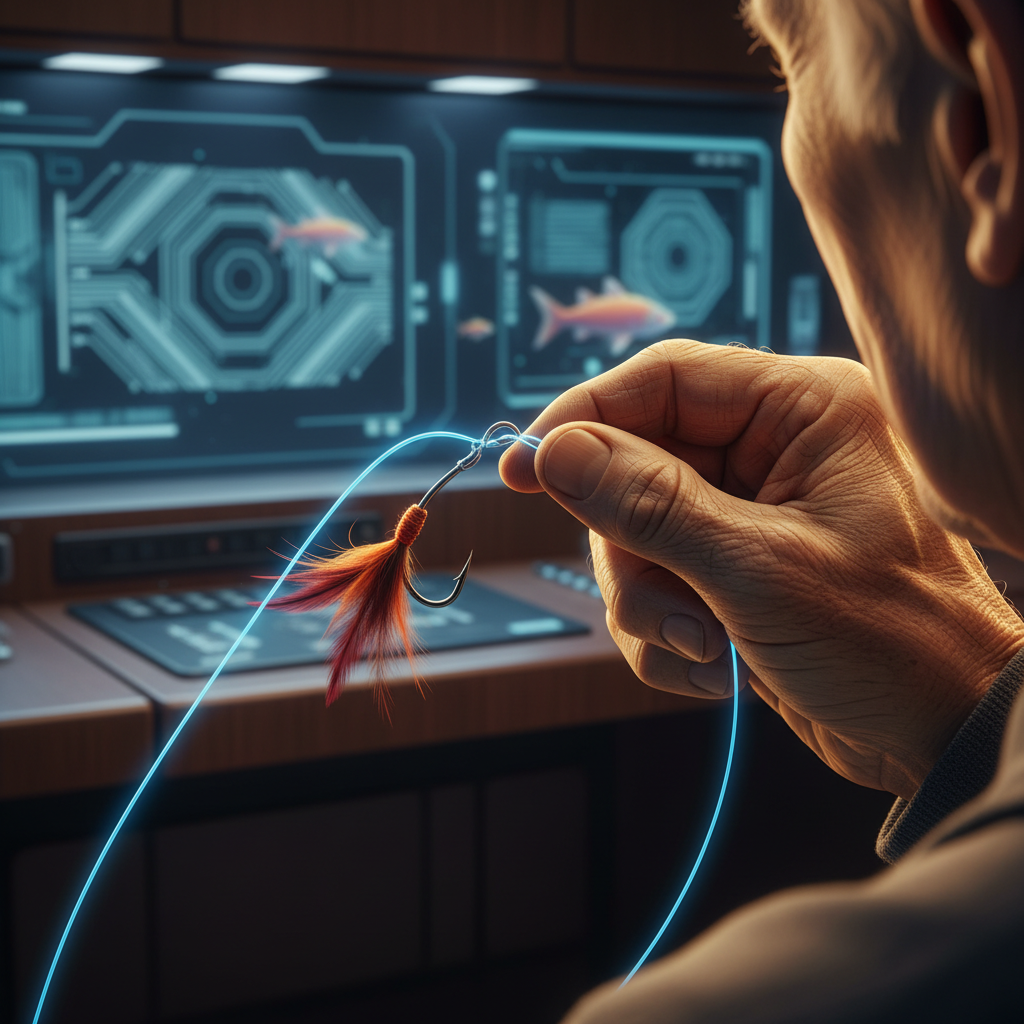
Consider the act of tying a fishing knot. It requires focus, precision, and a deep understanding of the materials you’re working with. Each knot has its own specific purpose, its own unique strengths and weaknesses. Mastering these knots is a skill that takes time and patience, a skill that connects you to a long line of anglers who have come before you. In a way, tying a fishing knot is like performing a small act of magic, binding together disparate elements to create something strong and reliable. This sense of accomplishment, this feeling of mastery, can be incredibly rewarding.
The same can be said for the act of casting. It’s not just about throwing a line into the water; it’s about finding the perfect rhythm, the perfect balance, the perfect trajectory. It’s about feeling the weight of the line in your hand, sensing the wind, and adjusting your technique accordingly. It’s a skill that requires practice and dedication, a skill that connects you to the elements.
The Intergenerational Bond: A Legacy of Learning
For many, fishing is a tradition passed down through generations. Grandfathers teaching their grandsons how to cast, fathers sharing their secret fishing spots with their daughters, mothers passing on their knowledge of local fish species. These shared experiences create a powerful bond, a connection that transcends time and circumstance.
Think about the stories that are shared around the campfire after a day of fishing. The tales of the one that got away, the humorous mishaps, the quiet moments of reflection. These stories become part of the family lore, shaping the identity of each individual and strengthening the bonds between them. Fishing becomes more than just a hobby; it becomes a shared history, a common language, a source of enduring connection.
Even if you didn’t grow up fishing, it’s never too late to learn. Find a mentor, join a fishing club, take a class. The fishing community is generally welcoming and supportive, eager to share their knowledge and passion with newcomers. Embrace the opportunity to learn from others, to connect with people who share your love of the outdoors, and to create your own fishing legacy.
The Challenge and the Reward: Embracing the Unknown
Fishing is not always easy. There are days when the fish simply aren’t biting, days when the weather is unforgiving, days when you feel like you’re doing everything wrong. But it’s in these challenges that the true reward lies.
Fishing teaches you patience, resilience, and the ability to adapt to changing conditions. It teaches you to appreciate the small victories, to celebrate the moments of success, and to learn from your mistakes. It teaches you that sometimes, the best things in life are worth waiting for.
Consider the feeling of finally hooking a fish after hours of fruitless casting. The surge of adrenaline, the thrill of the fight, the satisfaction of landing your prize. It’s a feeling that’s hard to describe, a feeling that makes all the hours of effort worthwhile. And even if you don’t catch anything, the experience of being out in nature, of challenging yourself, of connecting with something larger than yourself, is a reward in itself.
The Conservation Ethic: Protecting What We Love
As anglers, we have a responsibility to protect the resources that we enjoy. This means practicing sustainable fishing techniques, respecting the environment, and advocating for conservation efforts. We are stewards of the water, guardians of the fish, and protectors of the natural world.
Think about the impact that our actions have on the ecosystem. Overfishing, pollution, habitat destruction – these are all threats to the health of our waterways and the survival of fish populations. By practicing catch and release, using biodegradable tackle, and supporting conservation organizations, we can help to ensure that future generations will have the opportunity to experience the joy of fishing.
Moreover, our direct interaction with nature through fishing fosters a deeper appreciation for its fragility and beauty. We become more attuned to the subtle changes in the environment, more aware of the impact of human activity, and more motivated to protect the places we love. Fishing, therefore, is not just a recreational activity; it is a form of environmental activism, a way to connect with and care for the natural world.
The Solitude and the Silence: Finding Peace Within
In a world that is constantly bombarding us with information and stimulation, the solitude and silence of fishing can be incredibly therapeutic. It’s a chance to disconnect from the noise and reconnect with yourself, to find peace and clarity in the stillness of nature.
Think about the feeling of being alone on the water, surrounded by nothing but the sounds of nature. The gentle lapping of the waves, the rustling of the leaves, the calls of the birds. It’s a sensory experience that can be incredibly calming and restorative. It’s a chance to escape the pressures of daily life, to clear your head, and to find a sense of inner peace.
This solitude is not necessarily loneliness. It’s a chosen isolation, a deliberate stepping away from the crowds and the clamor to find solace in one’s own company and the company of nature. It allows for introspection, for contemplation, and for a deeper understanding of oneself. In the quietude of the fishing environment, the mind can wander, explore, and ultimately, find a sense of tranquility.
The Metaphor of the Line: Life, Patience, and Perseverance
The fishing line itself can be seen as a metaphor for life. It represents the connection between us and our goals, the link between our dreams and our reality. It’s a fragile thread that can be easily broken, but with patience, perseverance, and skill, it can lead us to something truly remarkable.
Think about the times when you’ve felt like giving up, when the line has been tangled, when the fish have been elusive. It’s in these moments that your character is tested. Do you give up, or do you keep casting, keep trying, keep believing?
Fishing teaches us that success is not always guaranteed, that there will be setbacks and disappointments along the way. But it also teaches us that with persistence, dedication, and a little bit of luck, anything is possible. The act of casting and reeling, of patiently waiting for a bite, is a constant reminder that life is a process, not a destination.
Beyond Sport: The Art of Observation and Immersion
Fishing, at its core, transcends mere sport; it’s an art form that cultivates observation and immersion in the natural world. It demands that anglers become students of their environment, learning to read the water, understand the habits of fish, and anticipate the changing conditions.
Consider the skills required to successfully fish a particular stretch of river. You must observe the current, identify potential holding areas for fish, and select the appropriate lure or bait to match the available food sources. This requires a keen eye, a deep understanding of ecology, and a willingness to learn from experience.
Furthermore, fishing encourages a level of immersion that is rare in modern life. It demands that you disconnect from distractions and fully engage with your surroundings. You become attuned to the subtle sounds and sights of nature, noticing details that might otherwise go unnoticed. This immersive experience can be incredibly enriching, fostering a deeper appreciation for the beauty and complexity of the natural world.
The Unspoken Language of Nature: Finding Your Place
Ultimately, fishing feels like coming home because it allows us to connect with something fundamental within ourselves, something that has been shaped by millennia of human interaction with the natural world. It’s a way to tap into our primal instincts, to rediscover our connection to the earth, and to find our place in the grand tapestry of life.
When you’re out on the water, surrounded by the beauty of nature, you’re not just fishing; you’re participating in an ancient ritual, a timeless dance between humans and the environment. You’re becoming part of a story that has been told for generations, a story that celebrates the resilience, the beauty, and the interconnectedness of all living things.
It’s in those moments, when the sun is setting, the fish are biting, and the world fades away, that you truly understand why fishing feels like coming home. It’s a return to something essential, something deeply ingrained in our DNA. It’s a reminder that we are all connected, that we are all part of something larger than ourselves, and that we all belong. The quiet understanding that settles in, the peace that washes over you – that’s the feeling of coming home. It’s the recognition that you are exactly where you are meant to be.