The Quiet Revolution on the Water
Fishing. For some, it’s a weekend hobby, a chance to escape the digital clamor and breathe in some fresh air. For others, it’s a competitive sport, a test of skill and strategy. But beyond the surface, beyond the tackle and the techniques, lies something deeper. Fishing, at its core, is a transformative practice that subtly, yet profoundly, alters the way you think.
Have you ever noticed how time seems to slow down when you’re on the water? How the frantic pace of modern life fades into a background hum? This isn’t just a feeling; it’s a shift in perspective, a recalibration of your internal clock. The rhythmic cast of the line, the gentle sway of the boat, the patient wait for a bite – these elements conspire to pull you into the present moment, forcing you to engage with the here and now.
And it’s in that present moment, stripped of distractions and anxieties, that profound insights can emerge. Fishing isn’t just about catching fish; it’s about catching yourself. It’s about confronting your patience, your persistence, and your resilience. It’s a mirror reflecting your inner landscape, revealing strengths you didn’t know you possessed and weaknesses you’re now willing to confront.
The Art of Attentiveness
In a world obsessed with multitasking and instant gratification, fishing demands attentiveness. You can’t scroll through your phone or answer emails while simultaneously reading the water, feeling the subtle currents, and anticipating the movements of the fish. Fishing necessitates a singular focus, a deep immersion in the environment. This heightened awareness extends beyond the immediate surroundings. It sharpens your senses, allowing you to notice nuances you might otherwise miss – the subtle shift in the wind, the telltale ripple on the surface, the almost imperceptible tug on the line.
This enhanced attentiveness spills over into other areas of life. You begin to notice the details in your surroundings, the subtle cues in conversations, the unspoken emotions in others. You become a more observant, more perceptive individual, capable of navigating the complexities of the world with greater clarity and understanding.

Embracing Uncertainty and Patience
Fishing is, by its very nature, an exercise in embracing uncertainty. You can scout the perfect spot, use the finest gear, and employ the most advanced techniques, but you can never guarantee a catch. The fish are wild creatures, driven by instinct and influenced by countless variables – weather, water conditions, food availability. You can only do your best, adapt to the circumstances, and accept the outcome, whatever it may be.
This acceptance of uncertainty is a powerful lesson that extends far beyond the realm of fishing. It teaches you to let go of control, to embrace the unpredictable nature of life, and to find peace in the midst of chaos. It cultivates resilience, the ability to bounce back from setbacks and to persevere in the face of adversity. After all, every experienced angler has a story of the one that got away, the fish that snapped the line or vanished into the depths. But instead of dwelling on the loss, they learn from the experience, adjust their approach, and cast their line again, fueled by hope and determination.
Moreover, fishing cultivates patience. In a world of instant gratification, where we expect immediate results, fishing teaches the value of waiting, of observing, of allowing things to unfold in their own time. It’s a masterclass in delayed gratification. The reward – the thrill of the catch, the satisfaction of landing a prized fish – is all the more meaningful because it was earned through perseverance and patience.
The Problem-Solving Angler
Every fishing trip presents a unique set of challenges. The water is too murky, the wind is too strong, the fish are biting on something you don’t have. To be a successful angler, you must become a problem solver, a resourceful strategist capable of adapting to changing conditions. You analyze the situation, experiment with different techniques, and learn from your mistakes. You develop a keen understanding of fish behavior, of the interplay between weather, water, and the environment. This constant process of problem-solving hones your critical thinking skills and fosters a creative mindset.
Consider the angler who faces a sudden change in weather. A bright, sunny day turns cloudy, the wind picks up, and the fish stop biting. Instead of giving up, the problem-solving angler will adapt. They might switch to a different lure, adjust their fishing depth, or move to a more sheltered location. They use their knowledge and experience to overcome the challenge and increase their chances of success. This adaptability and resourcefulness are invaluable skills that translate directly to other areas of life, from navigating professional challenges to resolving personal conflicts.
Connecting with Nature and Self
Fishing is, fundamentally, a connection with nature. It immerses you in the natural world, allowing you to experience its beauty, its rhythms, and its raw power. You witness the sunrise over the water, feel the wind on your face, and observe the intricate ecosystems that thrive beneath the surface. This connection with nature has a profound impact on your well-being, reducing stress, boosting creativity, and fostering a sense of awe and wonder.
Studies have shown that spending time in nature can lower blood pressure, reduce anxiety, and improve cognitive function. Fishing provides a structured way to access these benefits, encouraging you to spend hours outdoors, breathing fresh air, and engaging with the environment. But the connection goes beyond the physical benefits. It’s about feeling a sense of belonging, of being part of something larger than yourself. It’s about recognizing the interconnectedness of all living things and appreciating the delicate balance of nature.
The Introspective Angler
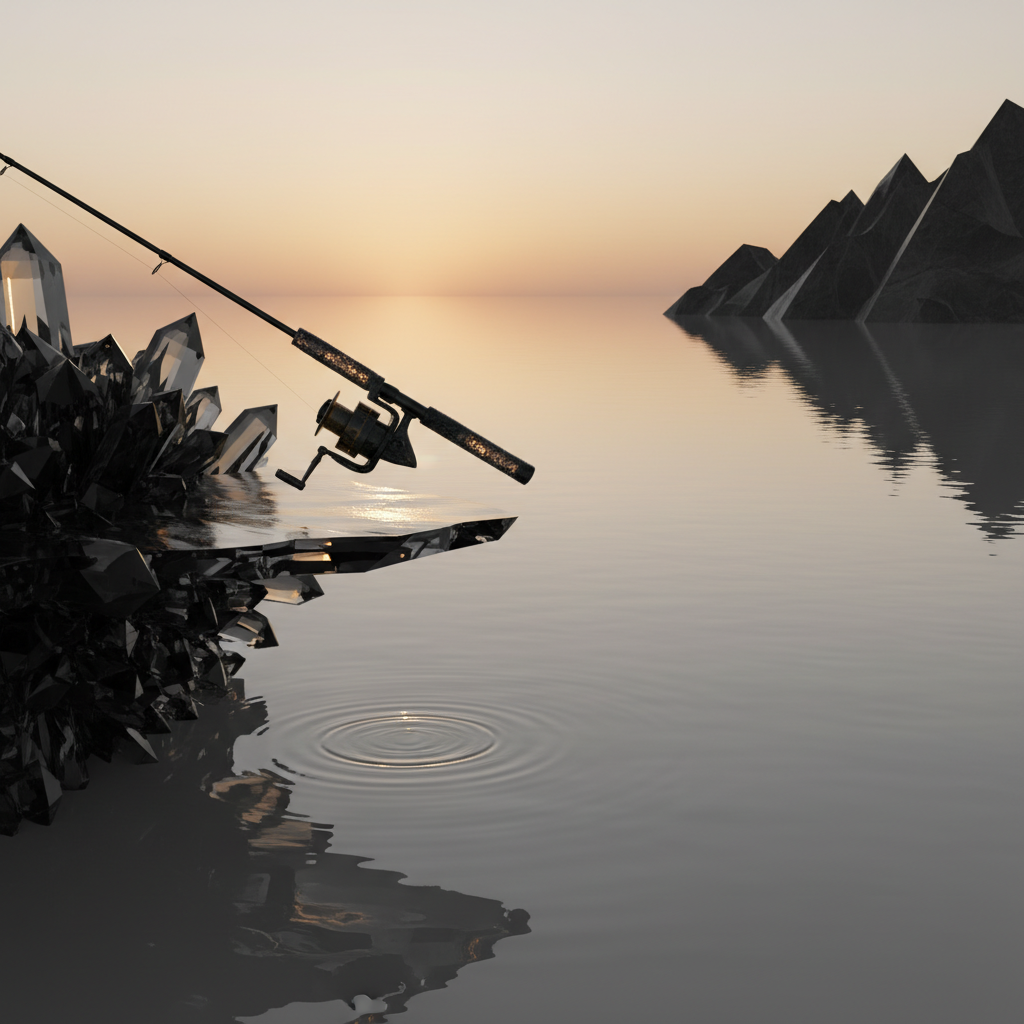
Beyond the external connection with nature, fishing fosters an internal connection with oneself. The solitude and stillness of the water provide an opportunity for introspection, for reflecting on your thoughts, your feelings, and your life’s journey. Away from the distractions of modern life, you can quiet the noise in your mind and listen to your inner voice. This self-reflection can lead to greater self-awareness, a deeper understanding of your values, and a clearer sense of purpose.
Many anglers describe their time on the water as a form of meditation, a chance to clear their minds and find inner peace. The repetitive motions of casting and reeling, the focused attention on the task at hand, create a state of flow, a sense of being fully present in the moment. This meditative state can be incredibly therapeutic, helping to reduce stress, improve focus, and enhance overall well-being. In the quiet solitude of the water, surrounded by the beauty of nature, you can confront your fears, process your emotions, and gain clarity on your life’s path.
The Humility of the Hunt
Despite the advancements in fishing technology, the core of the pursuit remains a hunt. And inherent in the hunt, successful or otherwise, is a lesson in humility. You are, after all, attempting to outsmart a creature perfectly adapted to its environment. The fish possess senses and instincts honed over millennia. They are masters of camouflage, experts at detecting danger, and incredibly resilient.
Even the most skilled angler will experience days when the fish simply aren’t biting, days when their best efforts are met with complete indifference. These humbling experiences serve as a reminder of our limitations, of the forces beyond our control. They teach us to respect the fish, to appreciate their intelligence, and to acknowledge their rightful place in the ecosystem. True anglers understand that fishing is not about dominance or conquest, but about connection and respect.
Conservation and Responsibility
The act of fishing, ideally, fosters a sense of responsibility towards the environment. As you spend time on the water, you become more aware of the delicate ecosystems that support fish populations. You see firsthand the impact of pollution, habitat destruction, and unsustainable fishing practices. This awareness can inspire you to become a steward of the environment, advocating for conservation efforts and practicing responsible fishing techniques.
Responsible anglers practice catch and release, use sustainable fishing gear, and avoid disturbing sensitive habitats. They understand that their actions have consequences and that they have a responsibility to protect the resources they enjoy. This sense of responsibility extends beyond the immediate environment. It fosters a broader sense of environmental awareness, inspiring you to make more sustainable choices in all aspects of your life, from reducing your carbon footprint to supporting eco-friendly businesses.
Beyond the Catch: Building Character
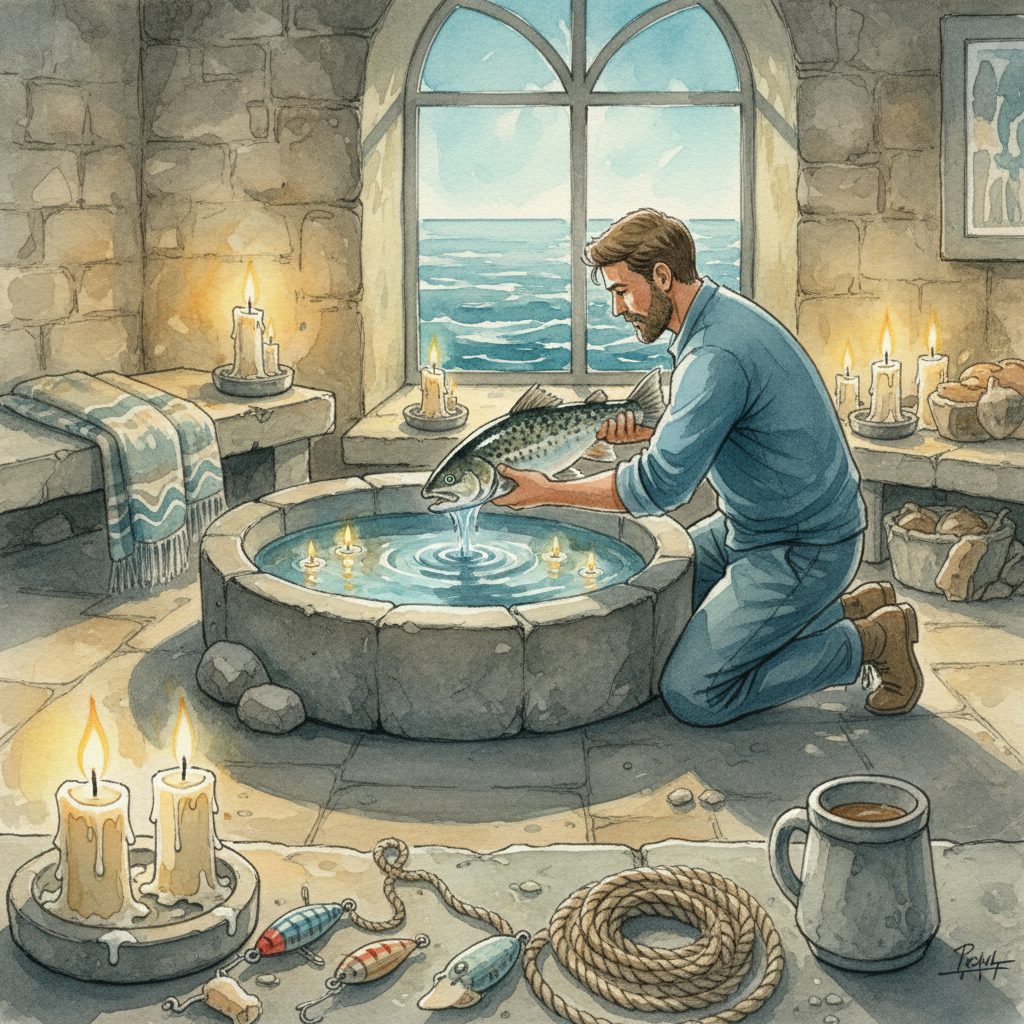
Ultimately, fishing is about more than just catching fish. It’s about building character, cultivating resilience, and fostering a deeper connection with nature and self. It’s a practice that challenges you, humbles you, and ultimately transforms you into a more thoughtful, patient, and resourceful individual.
Think about the skills you develop while fishing: patience, perseverance, problem-solving, adaptability, attentiveness. These are all valuable qualities that contribute to success in all areas of life, from your career to your relationships. Fishing teaches you to set goals, to develop strategies, and to learn from your mistakes. It teaches you to embrace challenges, to overcome obstacles, and to never give up on your dreams.
The Enduring Legacy
Fishing is a tradition passed down through generations, a shared experience that connects people across cultures and backgrounds. It’s a way to bond with family and friends, to share stories, and to create lasting memories. Many anglers learned to fish from their parents or grandparents, and they in turn pass on the tradition to their own children, creating a legacy of connection and stewardship.
This intergenerational connection is a powerful force, strengthening family bonds and fostering a sense of community. Fishing provides a shared activity that transcends age and background, allowing people to connect on a deeper level. It’s a chance to unplug from the digital world and engage in meaningful conversations, to share experiences, and to create memories that will last a lifetime.
Furthermore, the skills and values learned through fishing – patience, perseverance, respect for nature – are invaluable lessons that can be passed on to future generations. By teaching children to fish, we are not only introducing them to a rewarding hobby, but we are also instilling in them a sense of responsibility, a love of nature, and a respect for the environment.

The Unexpected Philosophy of Fishing
So, why does fishing change the way you think? Because it’s an education in life itself. It’s a constant reminder that success is not guaranteed, that patience is a virtue, and that the greatest rewards often come from the simplest experiences. It teaches you to appreciate the beauty of the natural world, to respect the delicate balance of ecosystems, and to recognize your place within the grand tapestry of life.
The next time you cast your line, remember that you’re not just fishing for fish. You’re fishing for insights, for clarity, for a deeper understanding of yourself and the world around you. You’re engaging in a practice that has the power to transform your perspective, to cultivate your character, and to connect you with something larger than yourself. It’s a quiet revolution, one cast at a time. It’s a journey of self-discovery, disguised as a day on the water. And perhaps, that’s its greatest magic.
The quiet moments spent waiting, observing, and connecting with nature offer a space for reflection often missing in our fast-paced lives. Fishing isn’t merely a pastime; it’s an opportunity to cultivate patience, resilience, and a deeper appreciation for the natural world, ultimately shaping a more thoughtful and grounded perspective.