The Unseen Curriculum of the Riverbank
Fishing, at its core, is far more than just the pursuit of catching fish. It’s an immersive experience, a masterclass in observation delivered by the greatest teacher of all: nature. The riverbank, the lakeside, the ocean’s edge – these are classrooms without walls, where the curriculum is constantly evolving and the lessons are etched in the subtle shifts of wind, water, and wildlife.
Have you ever truly stopped to consider the intricate web of life unfolding around you while you’re waiting for a bite? We often get so laser-focused on the lure, the line, and the potential prize that we miss the symphony of information playing out right before our eyes. This symphony holds the key to unlocking a deeper understanding of fishing and, more importantly, a profound appreciation for the natural world.
Think about it. A sudden lull in the breeze, a flock of birds taking flight, the frantic dance of mayflies on the water’s surface – these are all clues. They are whispers from the environment, hints about the fish’s behavior, their feeding patterns, and their vulnerability. To ignore them is to remain a student forever stuck on the first page of the textbook.
Decoding the Language of the Water
The water itself is perhaps the most eloquent teacher. Its color, its current, its clarity – all provide invaluable insights. Murky water after a rainfall might indicate that fish are seeking shelter and avoiding strong currents. Clear, still water might suggest that they are more wary and require a more subtle approach.
The current is another crucial element. Where the current slows, creating eddies and slack water, fish often congregate, waiting for food to drift their way. Understanding these subtle shifts in water flow can dramatically increase your chances of success.
Take, for example, a small stream I used to fish regularly. I noticed that after a heavy rain, the water would become significantly darker, almost a muddy brown. Initially, I assumed fishing would be impossible. However, after observing the behavior of the local birds, I noticed they were actively feeding along the edges of the stream where the water was slightly clearer. This led me to experiment with brightly colored lures in these calmer areas, and I was surprised to find that the fish were, in fact, actively feeding. They were taking advantage of the disoriented insects washed into the stream by the rain. This experience taught me a valuable lesson about adaptability and the importance of looking beyond the obvious.
The Alarming Absence of Observation
In today’s world, where technology often overshadows direct experience, the art of observation is sadly fading. We rely on gadgets and data to tell us what we should be seeing, rather than training our own senses to perceive the world around us. This is particularly detrimental to fishing, a sport that relies heavily on intuition and an understanding of natural patterns.
How many anglers spend more time staring at their fish finders than actually looking at the water? How many rely on online forums for advice instead of learning from their own experiences and the wisdom of the natural world? This reliance on external sources can create a disconnect, preventing us from developing a true connection with the environment and hindering our ability to adapt to changing conditions.
Sharpening Your Observational Skills
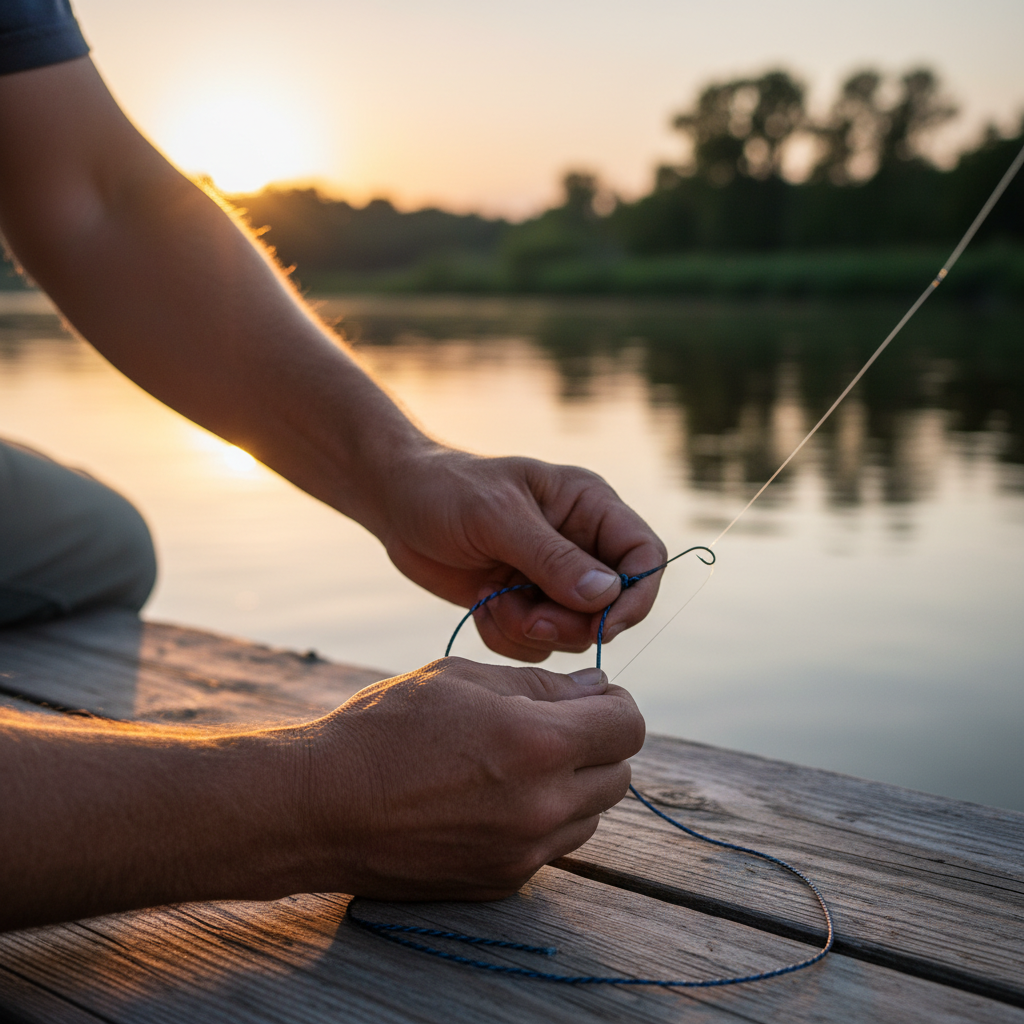
So, how do we reclaim the art of observation and become more attuned to the subtle cues of nature? It starts with a conscious effort to disconnect from distractions and engage all our senses.
* **Slow Down:** The first step is to simply slow down and be present in the moment. Leave your phone in your pocket, silence your thoughts, and focus on what’s happening around you.
* **Engage Your Senses:** Pay attention to the sights, sounds, smells, and even the feel of the air. What colors are prevalent in the landscape? What sounds do you hear – birdsong, rustling leaves, the gentle lapping of water? Can you smell the damp earth or the salty air?
* **Look for Patterns:** Nature is full of patterns, from the predictable rise and fall of tides to the seasonal migrations of fish. By observing these patterns over time, you can begin to anticipate changes and predict fish behavior.
* **Ask Questions:** Curiosity is a powerful tool. Don’t be afraid to ask questions about what you’re seeing. Why are those birds congregating in that particular spot? Why is the water so clear today? The more questions you ask, the more you’ll learn.
* **Keep a Journal:** Documenting your observations in a journal can be incredibly helpful. Note the date, time, weather conditions, water conditions, and any other relevant details. Over time, you’ll begin to see trends and patterns that you might have otherwise missed.
Case Study: The Observant Fly Fisherman
Consider the example of a skilled fly fisherman. They don’t just blindly cast their line and hope for the best. They carefully study the water, looking for signs of rising fish. They observe the types of insects that are hatching and select flies that closely match them. They pay attention to the wind and current, adjusting their casting technique accordingly.
This level of observation requires years of practice, but it’s what separates the average angler from the truly successful one. They understand that fishing is not just about luck; it’s about knowledge, skill, and a deep connection with the natural world. They have learned to read the language of the river, and the river, in turn, rewards them with its bounty.
Beyond the Catch: The Deeper Rewards
While catching fish is undoubtedly a satisfying part of the fishing experience, the true rewards lie in the deeper connection with nature that it fosters. By learning to observe and appreciate the natural world, we gain a greater understanding of ourselves and our place in the larger ecosystem.
Fishing can be a form of meditation, a way to escape the stresses of modern life and reconnect with our primal instincts. It can teach us patience, perseverance, and humility. It can also inspire a sense of wonder and awe at the beauty and complexity of the natural world.
Moreover, observing nature while fishing can cultivate a sense of environmental stewardship. When we understand the delicate balance of the ecosystem, we are more likely to take steps to protect it. We become advocates for clean water, healthy habitats, and sustainable fishing practices. We realize that our actions have consequences, and we strive to minimize our impact on the environment.
The Ripple Effect of Observation
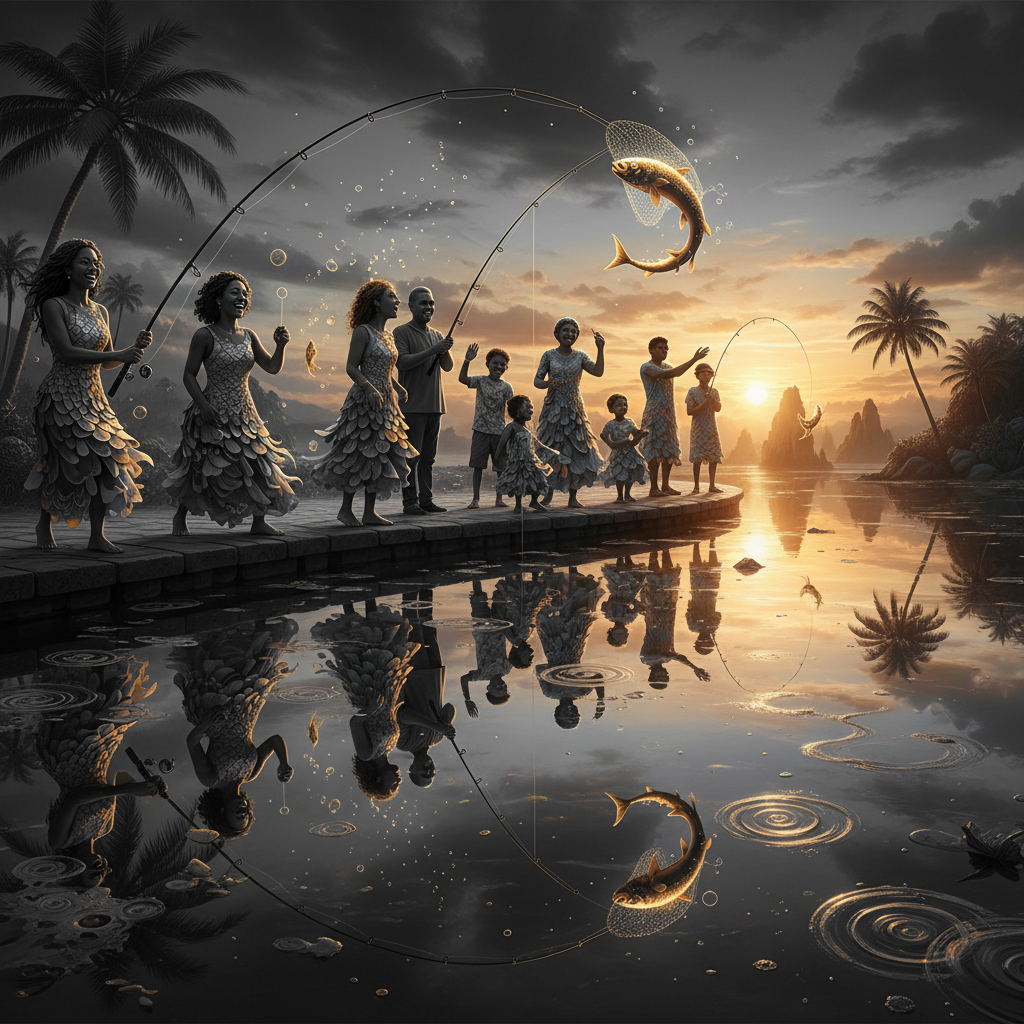
The benefits of observant fishing extend far beyond the individual angler. When we share our knowledge and experiences with others, we create a ripple effect, inspiring a new generation of nature lovers and environmental stewards.
Think about the impact you could have by taking a child fishing and teaching them to observe the natural world. You could spark a lifelong passion for the outdoors and instill in them a sense of responsibility for protecting the environment.
By sharing our stories, our knowledge, and our passion, we can help to create a more sustainable and equitable future for all.
The Tools of Observation: Not Just Rod and Reel
While the traditional fishing gear – rod, reel, line, and lures – are essential, the true tools of observation extend far beyond these tangible items. They are the intangible qualities that we cultivate within ourselves: patience, curiosity, and a willingness to learn.
However, there are also some practical tools that can enhance our observational abilities.
* **Binoculars:** A good pair of binoculars can help you spot birds, wildlife, and other details that you might otherwise miss.
* **Field Guides:** Field guides to birds, insects, plants, and fish can help you identify and learn more about the species you encounter.
* **Weather Apps:** Weather apps can provide valuable information about temperature, wind, precipitation, and other factors that can affect fish behavior. However, remember to use these apps as a supplement to your own observations, not as a replacement for them.
* **A Notebook and Pen:** As mentioned earlier, keeping a journal is a great way to document your observations and track patterns over time.
Embrace the Imperfect Art
It’s important to remember that observation is not an exact science. There will be times when you misinterpret the signs or when your predictions turn out to be wrong. This is perfectly normal. The key is to learn from your mistakes and to keep refining your observational skills.
The more time you spend observing nature, the better you will become at understanding its subtle cues. You’ll develop a sense of intuition, a feeling for when and where the fish are likely to be. This intuition is not magic; it’s the result of years of experience and careful observation.
The Ethical Angler: Observation and Conservation
The ethical angler is not just concerned with catching fish; they are also deeply committed to conservation. They understand that the health of the fishery is directly linked to the health of the surrounding ecosystem.
By observing the environment, ethical anglers can identify potential threats to the fishery, such as pollution, habitat destruction, and overfishing. They can then take steps to address these threats, such as reporting pollution to the authorities, volunteering for habitat restoration projects, and advocating for sustainable fishing regulations.
Catch and Release: A Testament to Observation
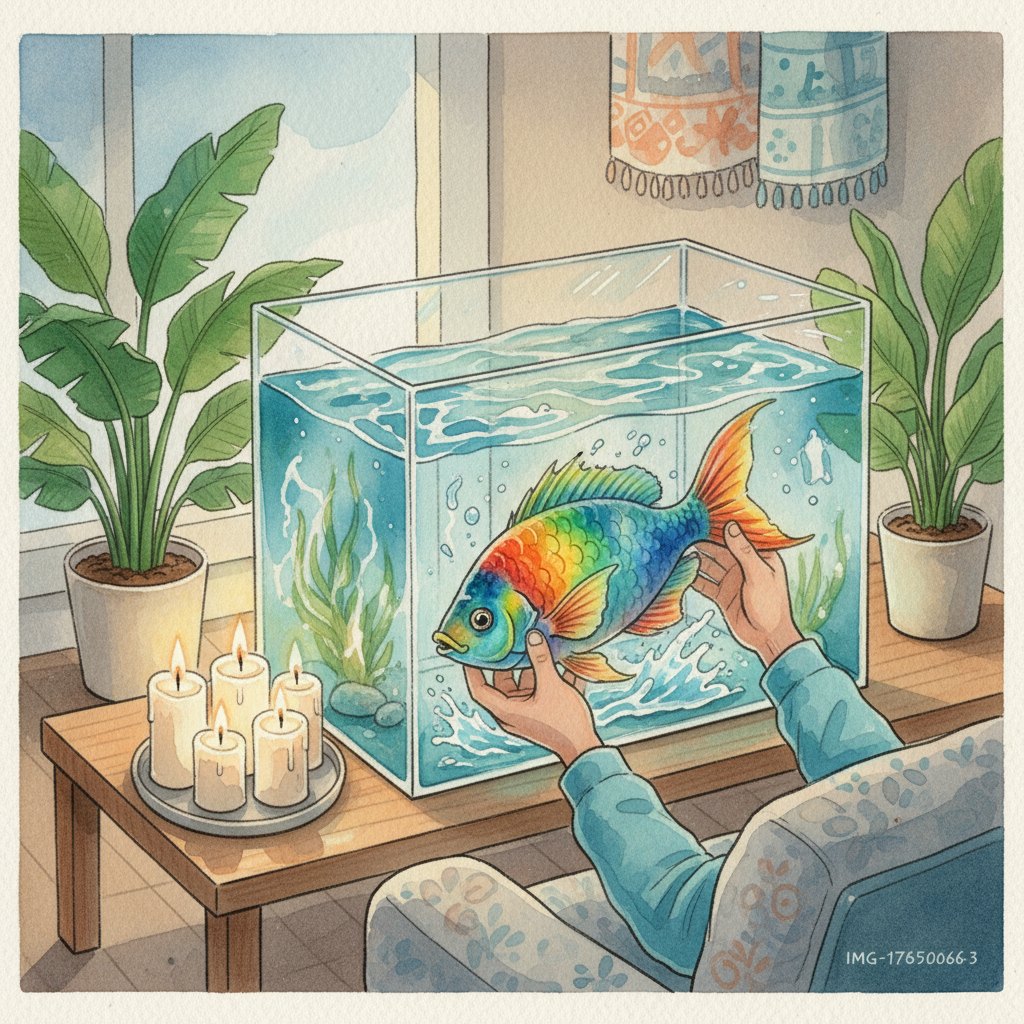
The practice of catch and release is a prime example of how observation can lead to more ethical fishing practices. By observing the effects of different fishing techniques on fish health, anglers have learned that certain methods are more harmful than others. This has led to the development of more fish-friendly techniques and the widespread adoption of catch and release.
Catch and release is not just about letting fish go; it’s about ensuring that they survive and thrive. This requires careful handling techniques, such as using barbless hooks, wetting your hands before touching the fish, and minimizing the time the fish is out of the water.
The Future of Fishing: A Call for Observational Awareness
As we face increasing environmental challenges, the need for observational awareness in fishing is more critical than ever. We must move beyond the narrow focus on catching fish and embrace a more holistic approach that considers the health of the entire ecosystem.
This requires a shift in mindset, from viewing fishing as a purely recreational activity to recognizing it as an opportunity to connect with nature, learn about the environment, and contribute to conservation efforts.
The Power of Collective Observation
Imagine the impact we could have if every angler took the time to observe their surroundings and share their observations with others. We could create a vast network of citizen scientists, monitoring the health of our fisheries and identifying potential threats.
By working together, we can ensure that future generations will have the opportunity to experience the joy of fishing and the wonder of the natural world. We can create a future where fishing is not just a sport, but a powerful force for conservation.

Ultimately, observing nature while fishing is about so much more than just catching fish. It’s about cultivating a deeper understanding of the natural world, fostering a sense of environmental stewardship, and connecting with something larger than ourselves. It’s about slowing down, paying attention, and appreciating the beauty and complexity of the world around us. It’s about transforming a simple pastime into a profound and meaningful experience. So, the next time you head out to the water, remember to take a moment to look around, to listen, to smell, and to feel. You might be surprised at what you discover. The river, the lake, the ocean – they all have stories to tell, if only we take the time to listen. And within those stories lies the key to unlocking a deeper connection with nature, a more fulfilling fishing experience, and a more sustainable future for all.