The Unhurried Rhythm of Nature
In our relentlessly fast-paced world, where instant gratification reigns supreme and the digital realm constantly demands our attention, the concept of slowing down often feels like a radical act. We’re conditioned to believe that productivity is directly proportional to speed, that efficiency is measured in milliseconds, and that success hinges on constant activity. But what if this deeply ingrained notion is fundamentally flawed? What if the greatest rewards, the most profound insights, and the most meaningful experiences are reserved for those who dare to embrace a slower, more deliberate pace? Nature, in its infinite wisdom, offers a compelling counter-narrative, a testament to the power of patience and the richness of unhurried observation.
Think about it: the most breathtaking landscapes were sculpted over millennia, not days. The tallest trees grew slowly, patiently reaching for the sun, weathering countless storms. The deepest rivers carved their paths gradually, eroding rock and shaping the terrain over eons. Nature doesn’t rush; it unfolds. And it’s in this unfolding, in this unhurried rhythm, that we find a profound lesson about life, success, and our connection to the world around us.
The Illusion of Speed
We often conflate speed with progress, believing that the faster we move, the more we accomplish. But this is often an illusion. Consider the angler who frantically casts their line, hopping from spot to spot, never taking the time to truly understand the water, the currents, the fish. They may cover more ground, but their chances of success are often diminished compared to the angler who patiently studies the environment, observes the subtle signs, and waits for the opportune moment.
Our obsession with speed can blind us to the nuances and complexities that lie beneath the surface. We become so focused on reaching the destination that we miss the journey itself. We sacrifice depth for breadth, understanding for information, and genuine connection for superficial interaction.
Reconnecting with the Natural World
Fishing, at its core, is an exercise in slowing down. It’s an invitation to disconnect from the digital noise and reconnect with the natural world. It’s an opportunity to observe the intricate dance of life unfolding around us, to appreciate the beauty of a sunrise over the water, the rustling of leaves in the wind, the flight of a heron across the sky.
But this reconnection requires a conscious effort. It requires us to resist the urge to constantly check our phones, to track our progress, to measure our success. It requires us to simply be present, to immerse ourselves in the moment, and to allow nature to work its magic.

The Art of Patience
Patience, often perceived as a passive virtue, is actually a powerful force, a key ingredient for success in many aspects of life, especially when engaging with nature. It’s the ability to remain calm and focused in the face of uncertainty, to trust the process, and to persevere even when results are not immediately apparent.
Think about the farmer who plants seeds in the spring, knowing that they won’t see a harvest for months. They patiently tend to their crops, watering, weeding, and fertilizing, trusting that their efforts will eventually bear fruit. Or consider the sculptor who meticulously chisels away at a block of marble, revealing the hidden form within, one painstaking strike at a time.
Fishing as a Metaphor for Life
Fishing is a particularly apt metaphor for life because it embodies the art of patience in so many ways. From waiting for the right moment to cast your line, to patiently reeling in a fish, to enduring long stretches of inactivity, the sport demands a level of patience that few other activities can match.
But the rewards of patience in fishing extend far beyond simply catching a fish. It’s about developing a deeper understanding of the environment, learning to read the signs, and adapting to changing conditions. It’s about cultivating a sense of inner peace and tranquility, finding joy in the simple act of being present in nature.
The Value of Observation
Patience allows us to become more observant, to notice the subtle details that we might otherwise miss. We begin to see the patterns in nature, the interconnectedness of all things, the delicate balance of the ecosystem.
For example, a patient angler might notice the subtle rise of a trout feeding on insects, the flash of silver as a school of minnows swims by, or the telltale ripple on the surface of the water that indicates the presence of a predator. These observations can provide valuable clues about where to fish, what bait to use, and how to approach the situation.

Mindfulness in the Outdoors
Mindfulness, the practice of paying attention to the present moment without judgment, is another essential element of slowing down and connecting with nature. It’s about letting go of our worries and anxieties, our regrets about the past, and our fears about the future, and simply being present in the here and now.
When we’re truly mindful, we can fully appreciate the beauty of the natural world, the sights, sounds, smells, and textures that surround us. We can savor the feeling of the sun on our skin, the wind in our hair, the earth beneath our feet.
Fishing as a Form of Meditation
For many, fishing is a form of moving meditation, a way to quiet the mind and find inner peace. The repetitive motions of casting, reeling, and waiting can be incredibly calming and therapeutic. The focus required to track the line, feel the bite, and land the fish can help to clear the mind of distracting thoughts and worries.
Moreover, the solitude and tranquility of being in nature can provide a much-needed respite from the stresses of modern life. It’s an opportunity to disconnect from the constant demands of technology and reconnect with our own inner selves.
Cultivating Gratitude
Mindfulness also helps us to cultivate gratitude, to appreciate the simple things in life that we often take for granted. We become more aware of the abundance that surrounds us, the beauty of the natural world, the gift of life itself.
When we approach fishing with a sense of gratitude, we’re less likely to be focused on simply catching fish and more likely to appreciate the experience as a whole. We’re grateful for the opportunity to be in nature, to connect with the environment, and to share the experience with friends or family.
The Long-Term Rewards
The benefits of slowing down and connecting with nature extend far beyond the immediate gratification of catching a fish or enjoying a beautiful sunset. They have profound and lasting effects on our physical, mental, and emotional well-being.
Studies have shown that spending time in nature can reduce stress, lower blood pressure, boost the immune system, and improve mood. It can also enhance creativity, improve focus, and promote a sense of connection and belonging.
Building Resilience
Slowing down and connecting with nature can also help us to build resilience, the ability to bounce back from adversity. When we’re grounded in nature, we’re better able to cope with stress, manage our emotions, and maintain a sense of perspective during challenging times.
The lessons we learn from nature – the importance of patience, the power of observation, the value of gratitude – can help us to navigate the ups and downs of life with greater ease and grace.
A Deeper Understanding of Ourselves
Ultimately, slowing down and connecting with nature is about gaining a deeper understanding of ourselves, our place in the world, and our connection to all living things. It’s about recognizing that we are not separate from nature, but rather an integral part of it.
When we embrace a slower pace, we open ourselves up to new possibilities, new insights, and new ways of being. We discover the joy of simple pleasures, the beauty of imperfection, and the wisdom of the natural world.

Practical Tips for Slowing Down
While the concept of slowing down may seem appealing, putting it into practice in our busy lives can be challenging. Here are a few practical tips to help you embrace a slower pace and connect with nature more deeply:
* **Schedule time in nature:** Make time for regular outdoor activities, whether it’s fishing, hiking, camping, or simply taking a walk in the park. Treat these activities as important appointments that you can’t miss.
* **Disconnect from technology:** Leave your phone at home or turn it off while you’re in nature. Resist the urge to check your email or social media. Allow yourself to be fully present in the moment.
* **Practice mindful observation:** Pay attention to the details of your surroundings. Notice the colors, shapes, sounds, and smells of nature. Observe the patterns in the landscape and the behavior of animals.
* **Engage your senses:** Immerse yourself in the sensory experience of nature. Feel the sun on your skin, the wind in your hair, the earth beneath your feet. Listen to the sounds of the birds, the wind, and the water.
* **Find a quiet spot:** Seek out a quiet spot in nature where you can sit and reflect. This could be a secluded fishing spot, a hidden clearing in the woods, or a peaceful spot by a lake.
* **Keep a nature journal:** Write down your observations, thoughts, and feelings about your experiences in nature. This can help you to deepen your connection with the environment and to appreciate the beauty of the natural world.
* **Learn a new skill:** Take up a new outdoor hobby, such as fly fishing, birdwatching, or nature photography. This can provide a new way to engage with nature and to learn more about the environment.
* **Practice gratitude:** Take time each day to appreciate the simple things in life, such as the beauty of a sunset, the sound of birdsong, or the feeling of the sun on your skin. Cultivate a sense of gratitude for the natural world.
The Legacy of Slowing Down
The choice to slow down and connect with nature is not merely a personal one; it’s a decision that can have a ripple effect, influencing our relationships, our communities, and even the planet. When we prioritize experiences over possessions, presence over productivity, and connection over consumption, we create a more sustainable and fulfilling way of life.
By embracing a slower pace, we can become better stewards of the environment, more engaged citizens, and more compassionate human beings. We can inspire others to reconnect with nature, to appreciate the beauty of the natural world, and to protect it for future generations.
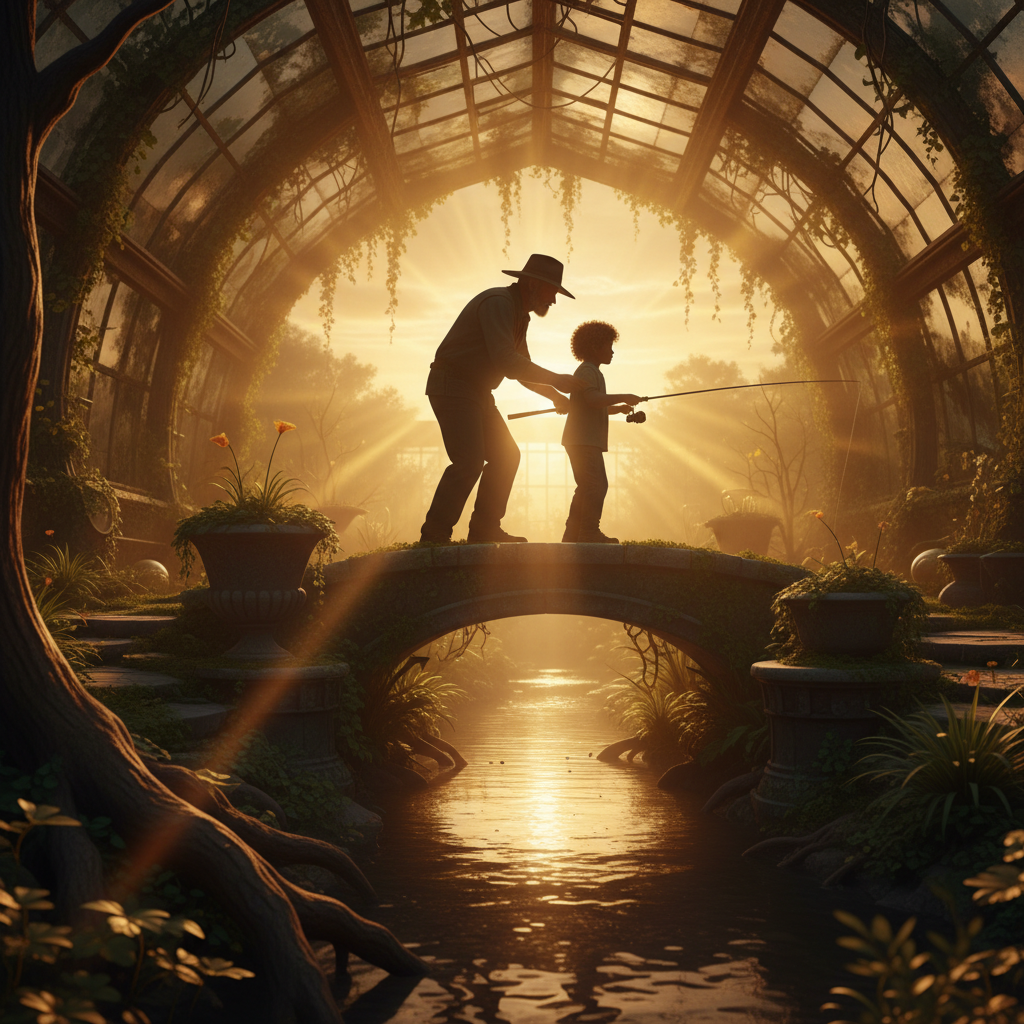
Ultimately, the greatest reward of slowing down is the opportunity to live a more meaningful and authentic life, a life that is grounded in nature, connected to our inner selves, and aligned with our deepest values. It’s a life that is not defined by speed or efficiency, but rather by depth, connection, and purpose. It’s a life where the quiet moments become the loudest, and the simple things become the most profound. It’s a life lived in harmony with the unhurried rhythm of nature, a rhythm that rewards those who listen closely and move with intention.
So, the next time you find yourself rushing through life, take a moment to pause, to breathe, and to remember the wisdom of nature. Slow down, reconnect, and discover the profound rewards that await you.