The Unspoken Language of the River
Before the line even touches the water, before the lure dances its tantalizing jig, before the satisfying tug confirms a connection, there exists a deeper connection – a silent conversation between angler and environment. It’s a connection forged in respect, patience, and a profound understanding of the delicate balance that governs the aquatic world. It’s the connection that begins before the first cast.
Think about it. What draws us to the water’s edge, time and again? Is it simply the thrill of the catch? While that undoubtedly plays a role, it’s rarely the sole motivator. For many, it’s the escape, the immersion into a world far removed from the pressures of daily life. It’s the opportunity to reconnect with something primal, something inherent in our human spirit that yearns for the wild.
This connection manifests in myriad ways. It’s the way we study the water, deciphering its currents and anticipating the hidden lies of fish. It’s the meticulous care we take in selecting the right fly, mimicking the natural food sources that sustain the ecosystem. It’s the quiet reverence we feel as the sun rises over the water, painting the sky in hues of orange and gold.
But perhaps most importantly, it’s the understanding that we are merely visitors in this realm. We are guests in the home of the fish, and we must treat it with the utmost respect. This means practicing catch and release whenever possible, minimizing our impact on the environment, and advocating for the protection of these precious resources for future generations. Are we truly connecting with nature if we’re not considering its future?
Beyond the Surface: A Deeper Understanding
The connection that begins before the first cast isn’t just about appreciating the beauty of nature; it’s about understanding its complexities. It’s about recognizing that every action, no matter how small, has a ripple effect on the entire ecosystem. From the runoff from agricultural fields to the discarded plastic bottle, every form of pollution eventually finds its way into the waterways, impacting the health and well-being of aquatic life.
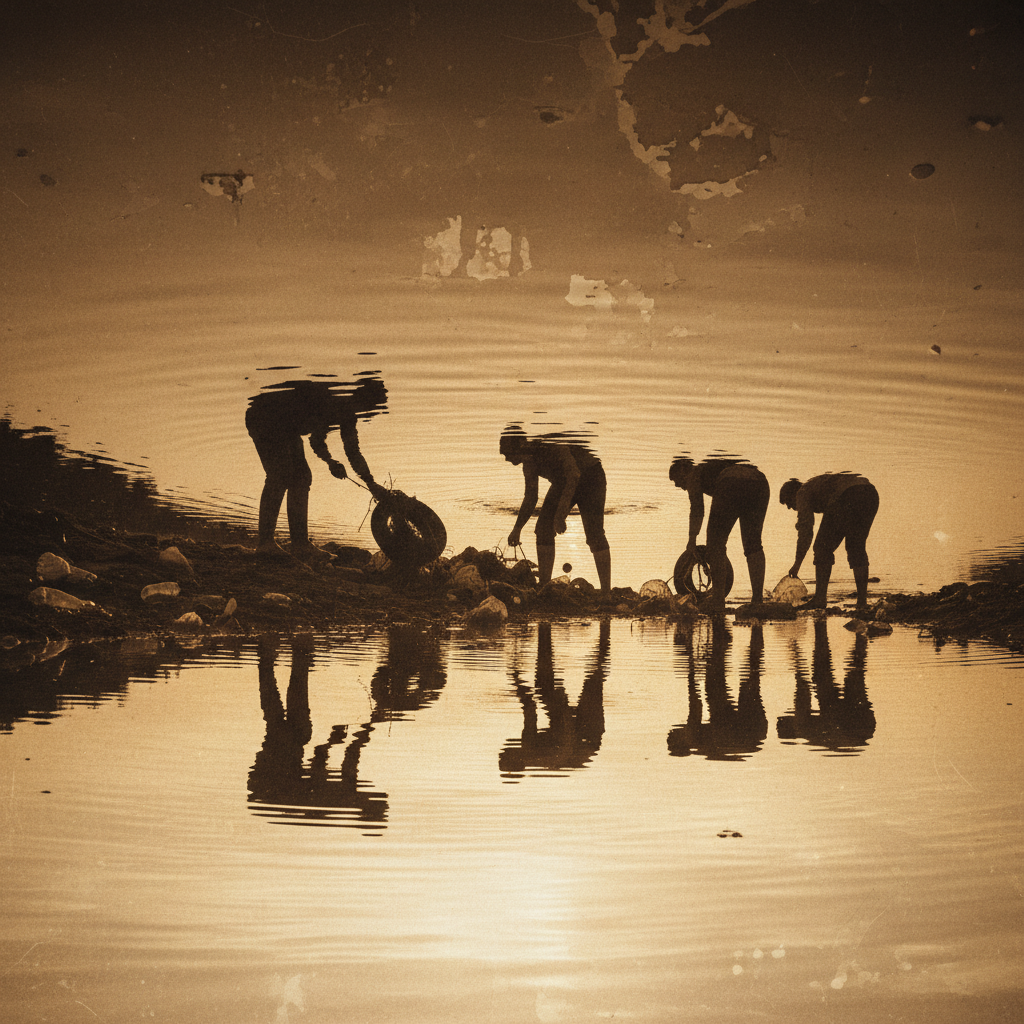
Therefore, responsible angling requires more than just knowing how to cast a line. It requires a commitment to environmental stewardship. It requires us to be informed about the challenges facing our waterways and to actively participate in efforts to protect them. This might involve volunteering for stream cleanups, supporting conservation organizations, or simply educating ourselves and others about the importance of sustainable fishing practices.
Consider the impact of overfishing. When fish populations are depleted, it disrupts the entire food web, affecting everything from the smallest invertebrates to the largest predators. This can have devastating consequences for the health and resilience of the ecosystem. By practicing catch and release, adhering to fishing regulations, and supporting responsible fisheries management, we can help ensure that fish populations remain healthy and abundant for years to come.

The Art of Observation: Reading the River’s Story
One of the most rewarding aspects of fishing is the opportunity to hone our observational skills. The river is constantly telling a story, if only we know how to listen. By paying attention to the subtle cues in our surroundings, we can gain a deeper understanding of the environment and improve our chances of success.
Start by observing the water itself. Is it clear and fast-flowing, or murky and slow-moving? What types of insects are hatching? Are there any signs of fish activity, such as rises or swirls on the surface? The answers to these questions can provide valuable clues about where the fish are likely to be holding and what they are likely to be feeding on.
Pay attention to the weather as well. Changes in temperature, barometric pressure, and wind direction can all influence fish behavior. For example, a sudden drop in temperature might cause fish to become less active, while a warm rain after a prolonged dry spell could trigger a feeding frenzy. How often do we stop to consider the subtle shifts in atmospheric conditions and their profound impact on the underwater world?
Take the time to study the surrounding vegetation. Are there any overhanging trees or bushes that provide shade and cover for fish? Are there any submerged logs or rocks that create eddies and current breaks? These are all potential hotspots where fish might be lurking, waiting for an opportunity to ambush their prey. By learning to read these subtle cues, we can become more effective anglers and more attuned to the rhythms of nature.
The Rhythms of Nature: A Symphony of Life
The river is more than just a body of water; it’s a living, breathing ecosystem, a symphony of life playing out in real-time. Every plant, every animal, every insect plays a vital role in the intricate web of relationships that sustains the entire system. By understanding these relationships, we can gain a deeper appreciation for the delicate balance of nature and the importance of protecting it.
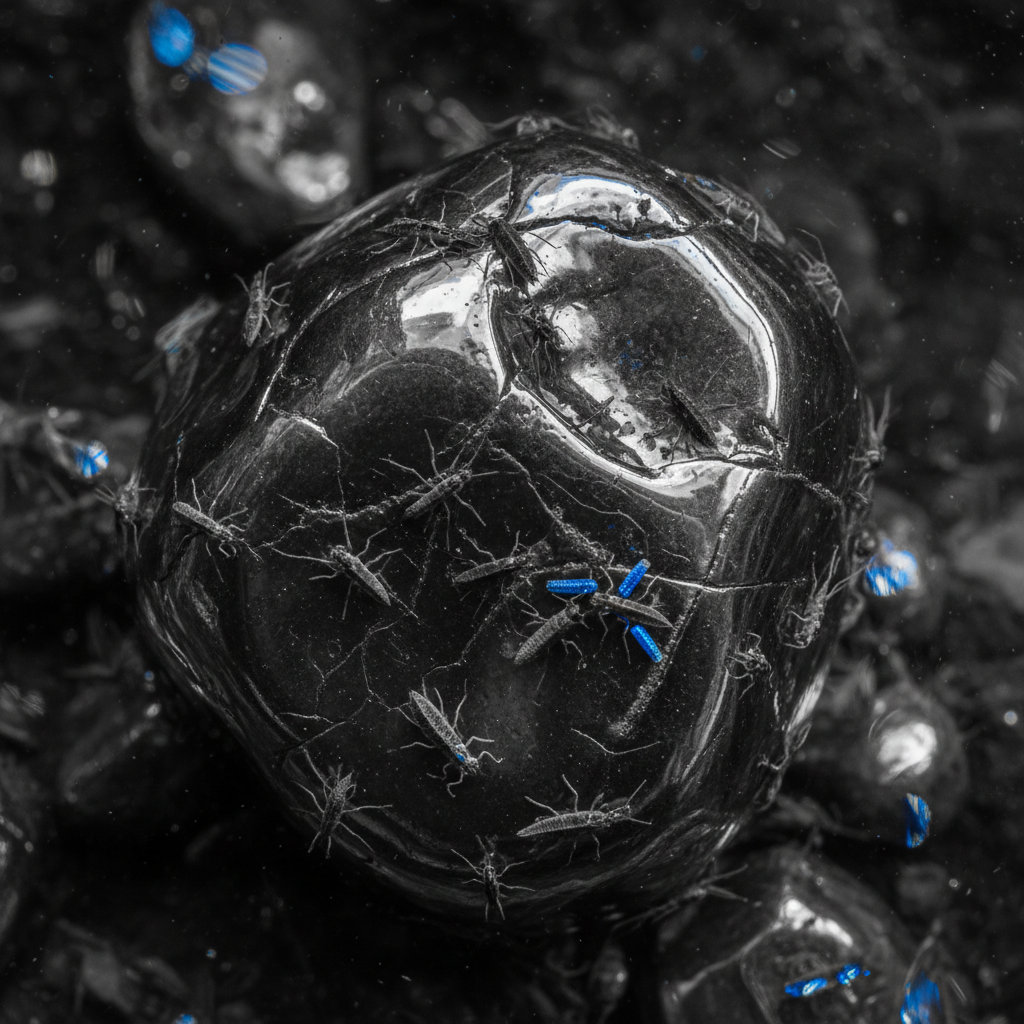
Consider the role of insects, for example. They are a crucial food source for many fish species, and their abundance and diversity are indicators of the overall health of the ecosystem. By learning to identify the different types of insects that are present in the river, we can better understand what the fish are feeding on and select the appropriate flies or lures to match the hatch. But beyond that, we gain an appreciation for their intricate life cycles and their vital role in the food chain.
Think about the relationship between fish and aquatic plants. Plants provide shelter and oxygen for fish, while fish help to control the growth of plants by grazing on them. This symbiotic relationship is essential for maintaining the health and stability of the ecosystem. When aquatic plants are damaged or destroyed, it can have a cascading effect on the entire food web.
The connection that begins before the first cast is about recognizing these intricate relationships and understanding our place within them. It’s about acknowledging that we are not separate from nature, but rather an integral part of it. And it’s about acting in a way that reflects this understanding, by minimizing our impact on the environment and advocating for its protection.
The Patience of Stillness: Embracing the Present Moment
In our fast-paced, technology-driven world, it’s easy to lose touch with the present moment. We are constantly bombarded with distractions, our minds racing from one task to the next. Fishing offers a welcome antidote to this frenetic pace of life, a chance to slow down, breathe deep, and simply be present in the moment. It is an active meditation.
Standing by the water’s edge, waiting for a bite, requires patience and stillness. It requires us to quiet our minds and focus our attention on the task at hand. It’s a practice in mindfulness, a way to cultivate awareness of our surroundings and our inner state. How often do we allow ourselves to simply be, without the need to achieve or accomplish anything?
The patience required for fishing can be a valuable lesson in other areas of our lives as well. It teaches us to persevere through challenges, to remain calm in the face of adversity, and to appreciate the small victories along the way. It reminds us that not everything comes easily, and that some things are worth waiting for.
Furthermore, the stillness of fishing allows us to connect with our inner selves. It provides an opportunity for reflection, contemplation, and self-discovery. Away from the distractions of modern life, we can gain a clearer perspective on our values, our goals, and our place in the world. It’s a chance to recharge our batteries, rejuvenate our spirits, and reconnect with what truly matters.
The Zen of Fishing: Finding Peace in the Process
Some might even describe fishing as a form of meditation. The repetitive motion of casting, the rhythmic sound of the water, the focused attention on the line – all these elements can create a state of flow, where we lose track of time and become completely absorbed in the present moment. In this state of flow, our minds quiet down, our anxieties dissipate, and we experience a sense of peace and contentment.
The connection that begins before the first cast, then, extends beyond the environment and into our own inner landscape. It’s a connection that nourishes our souls, calms our minds, and reminds us of the simple joys of life. It’s a reminder that true happiness is not found in material possessions or external achievements, but rather in the present moment, in the connection with nature, and in the cultivation of inner peace. Isn’t that, in essence, what we’re all searching for?
Consider the seasoned angler, seemingly unfazed by the lack of immediate results. They understand that the value of the experience lies not solely in the catch, but in the entire process – the preparation, the observation, the patience, the connection with nature. They have learned to find joy in the journey, regardless of the outcome.

The Responsibility of Legacy: Protecting Our Waters for the Future
The connection that begins before the first cast also carries with it a responsibility – the responsibility to protect our waters for future generations. We are stewards of these precious resources, and it is our duty to ensure that they remain healthy and vibrant for those who come after us.
This responsibility encompasses a wide range of actions, from practicing sustainable fishing practices to advocating for stronger environmental regulations. It means being mindful of our impact on the environment and taking steps to minimize our footprint. It means educating ourselves and others about the challenges facing our waterways and working together to find solutions.
Think about the legacy we want to leave behind. Do we want to be remembered as the generation that depleted fish populations, polluted our rivers, and destroyed critical habitats? Or do we want to be remembered as the generation that took action to protect our waters, restore ecosystems, and ensure a sustainable future for all?
The choice is ours. And the time to act is now. By embracing our responsibility as stewards of the environment, we can ensure that future generations will have the opportunity to experience the joy and wonder of fishing, and to forge their own connections with the natural world. What kind of world do we want to pass on to our children and grandchildren?
Beyond the Individual: Collective Action for Conservation
Protecting our waters is not just an individual responsibility; it’s a collective one. It requires us to work together, as anglers, conservationists, and community members, to address the complex challenges facing our waterways. This means supporting organizations that are working to protect and restore aquatic habitats, participating in citizen science projects, and advocating for policies that promote sustainable fishing practices.
Consider the power of collective action. When individuals come together with a shared goal, they can achieve far more than they could on their own. By joining forces, we can amplify our voices, increase our impact, and create lasting change. This might involve organizing stream cleanups, planting trees along riverbanks, or lobbying government officials to support conservation initiatives. The strength is in the unity of purpose.
The connection that begins before the first cast, then, is not just a personal connection; it’s a communal one. It’s a connection that binds us together as stewards of the environment, as protectors of our waters, and as advocates for a sustainable future. It’s a connection that inspires us to act, to make a difference, and to leave a positive legacy for generations to come.
The Enduring Connection: More Than Just a Hobby
Ultimately, the connection that begins before the first cast is more than just a hobby; it’s a way of life. It’s a commitment to respecting nature, to understanding its complexities, and to protecting its future. It’s a journey of self-discovery, a path to inner peace, and a celebration of the simple joys of life. It’s a reminder that we are all connected, to each other, to the environment, and to something larger than ourselves.
So, the next time you stand by the water’s edge, take a moment to appreciate the deeper connection that exists before you even cast your line. Listen to the whispers of the river, observe the subtle cues in your surroundings, and embrace the patience of stillness. And remember that you are not just an angler; you are a steward of the environment, a protector of our waters, and a part of something truly special.
The memories created on the water, the lessons learned from nature, and the connections forged with fellow anglers – these are the treasures that we carry with us long after we’ve left the riverbank. They are the threads that weave together the tapestry of our lives, adding color, texture, and meaning to our existence. And they are a testament to the enduring power of the connection that begins before the first cast.