The Unhurried Rhythm of the Angler
There’s a certain magic woven into the act of fishing, a quiet symphony played out between the angler, the water, and the unseen world beneath the surface. It’s a dance not of force, but of patience, a conversation conducted in the language of stillness and observation. In a world obsessed with instant gratification and immediate results, fishing offers a welcome respite, a chance to reconnect with the natural rhythms that have governed life for millennia.
Think about it: how often do we truly allow ourselves to simply be? To exist in the present moment, unburdened by the anxieties of the future or the regrets of the past? Fishing, at its core, is an exercise in mindfulness. It demands our attention, our focus, but not in the demanding, stressful way of modern life. Instead, it invites us to observe, to anticipate, to become attuned to the subtle cues of the natural world.
The gentle lapping of water against the hull of a boat, the rustling of leaves in the wind, the sudden splash of a fish breaking the surface – these are the details that fill the angler’s senses, drawing them deeper into the present moment. The act of casting, the slow, deliberate retrieve, the anticipation of a strike – each action is a small meditation, a moment of focused intention that quiets the mind and calms the spirit. In this unhurried rhythm, the angler finds a connection to something larger than themselves, a sense of belonging to the ancient and enduring cycle of life.
Beyond the Catch: A Deeper Connection
While the thrill of landing a fish is undeniable, the true rewards of fishing extend far beyond the catch itself. It’s about the journey, the experience, the moments of quiet contemplation that unfold along the way. It’s about forging a deeper connection with nature, understanding its intricate web of life, and appreciating its delicate balance.
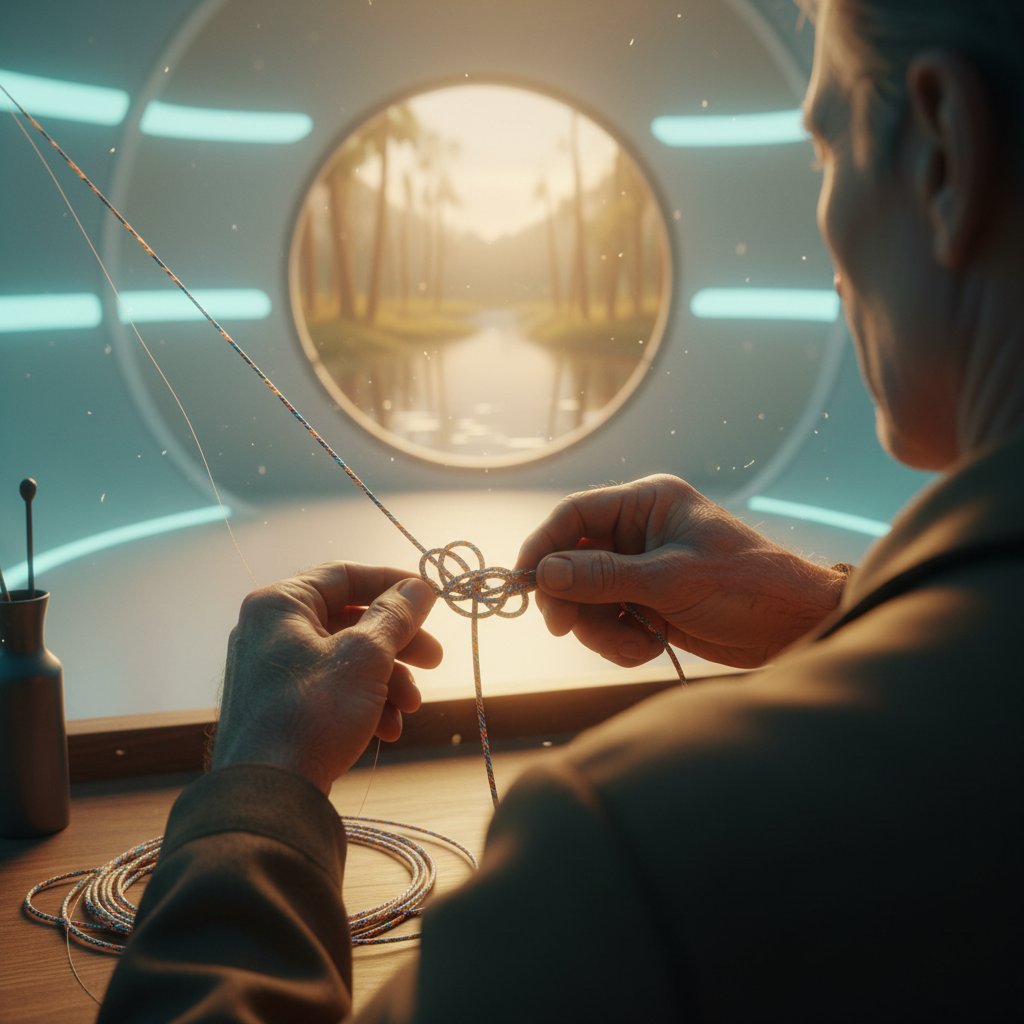
Consider the meticulous preparation that goes into a fishing trip: the careful selection of lures, the meticulous tying of knots, the thorough cleaning of gear. Each task is a ritual, a way of honoring the pursuit and demonstrating respect for the environment. It’s a recognition that we are guests in this natural world, and that our actions have consequences.
And what about the camaraderie that often accompanies fishing? Sharing stories around a campfire, offering advice to a fellow angler, celebrating a successful catch – these are the moments that build lasting bonds and create a sense of community. Fishing, in this sense, becomes more than just a solitary pursuit; it becomes a shared experience, a way of connecting with others who share a love of nature and a respect for the sport.
The Patience of a Predator: Lessons from Nature
The natural world is a masterclass in patience. From the spider meticulously weaving its web to the heron standing motionless in the shallows, waiting for its prey, nature teaches us that success often comes to those who are willing to wait, to observe, and to adapt.
The angler, in many ways, embodies this same patient spirit. They understand that fishing is not about force or aggression, but about understanding the habits and behaviors of their target species. They learn to read the water, to identify likely feeding spots, and to present their bait in a way that is both enticing and natural.
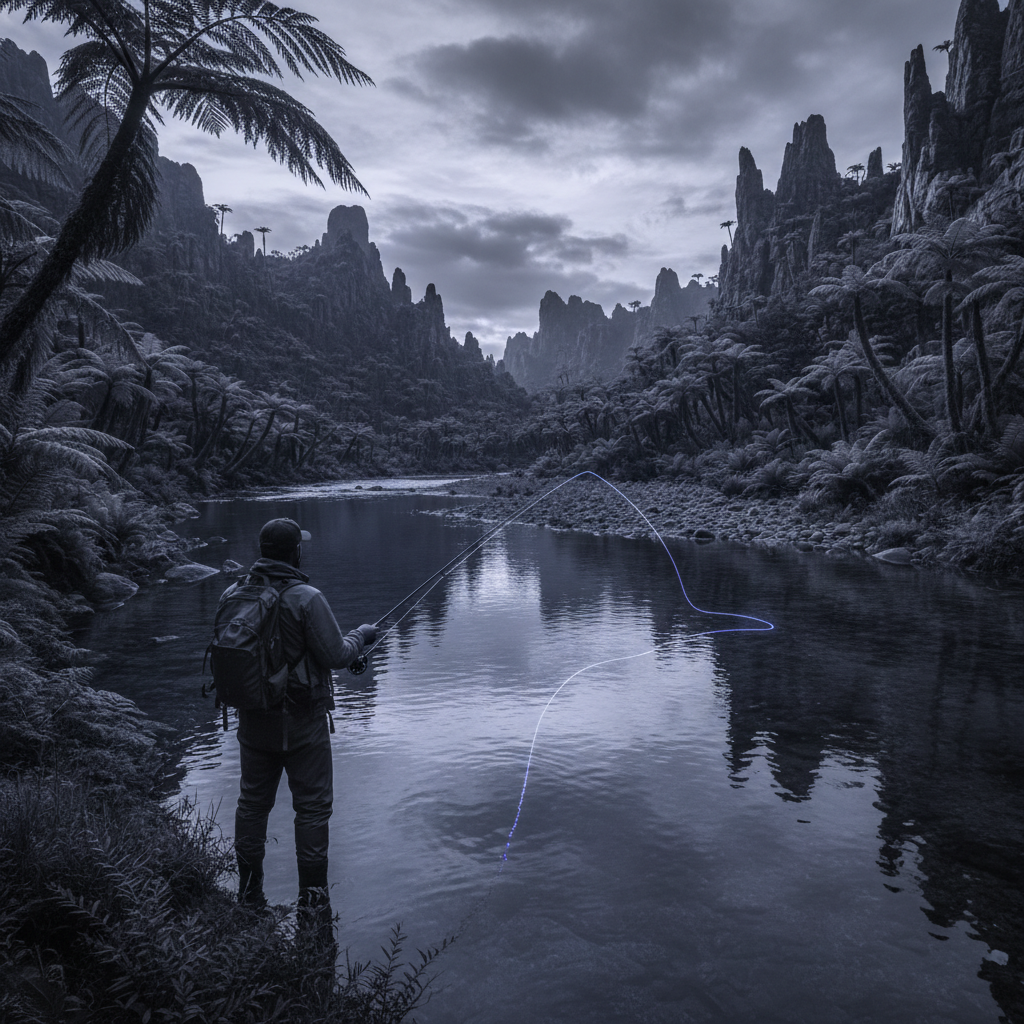
Think about the different types of fishing: fly fishing, for example, requires an extraordinary level of patience and skill. The angler must master the art of casting, presenting the fly in a way that mimics the natural movement of an insect. They must also understand the life cycle of the insects that fish feed on, and choose their flies accordingly. It’s a complex and demanding pursuit, but one that offers immense rewards to those who are willing to invest the time and effort to learn.
The Ripple Effect: Our Impact on the Environment
As anglers, we have a responsibility to be stewards of the environment. Our actions, both on and off the water, have a direct impact on the health of our fisheries and the overall well-being of the natural world. It’s crucial to adopt sustainable fishing practices that minimize our impact and ensure that future generations can enjoy the same opportunities that we do.
This includes practicing catch and release, using barbless hooks, and disposing of fishing line and other trash properly. It also means supporting conservation efforts that protect our waterways and promote healthy fish populations. By taking these steps, we can help to ensure that our passion for fishing does not come at the expense of the environment.
Consider the impact of pollution on our waterways. Chemicals, plastics, and other pollutants can contaminate the water, harm fish populations, and disrupt the delicate balance of the ecosystem. As anglers, we can play a vital role in reducing pollution by avoiding the use of harmful chemicals, properly disposing of waste, and advocating for policies that protect our waterways.
Furthermore, we can support organizations that are working to restore degraded habitats, remove dams, and improve water quality. By investing in these efforts, we can help to ensure that our fisheries remain healthy and productive for years to come.
The Art of Letting Go: Finding Peace in Impermanence
Fishing, like life itself, is full of uncertainties. There are days when the fish are biting and days when they are not. There are moments of exhilarating success and moments of frustrating failure. Learning to accept this impermanence is a crucial part of the angling experience, and it offers valuable lessons that can be applied to other aspects of our lives.
Think about the times when you’ve spent hours on the water without catching a single fish. It can be tempting to get discouraged, to give up, to blame the weather or the equipment. But the true angler understands that these moments are part of the process, that they offer an opportunity to learn, to adapt, and to appreciate the times when success does come.
The art of letting go is not about giving up on our goals, but about releasing our attachment to the outcome. It’s about finding peace in the present moment, regardless of whether we catch a fish or not. It’s about appreciating the beauty of the natural world, the companionship of friends, and the simple joy of being outdoors.
The Zen of Fishing: Finding Stillness Within
Many anglers describe fishing as a form of meditation, a way of finding stillness and peace within. The repetitive motions of casting, retrieving, and waiting can be incredibly calming, allowing the mind to quiet down and focus on the present moment. In this state of focused attention, the angler can experience a sense of oneness with the natural world, a feeling of being completely connected to something larger than themselves.
Consider the similarities between fishing and mindfulness meditation. Both practices involve focusing on a single point of attention, whether it’s the breath, a mantra, or the movement of a lure in the water. Both practices require patience, discipline, and a willingness to let go of distractions. And both practices can lead to a state of profound relaxation and inner peace.
The next time you’re on the water, try to approach fishing as a form of meditation. Pay attention to your breath, your body, and your surroundings. Let go of your expectations and simply be present in the moment. You may be surprised at the depth of peace and tranquility you can find.
The Stories the Water Holds: A Legacy of Connection
Fishing is more than just a sport or a hobby; it’s a tradition, a legacy that has been passed down through generations. It’s a way of connecting with our ancestors, who relied on fishing for sustenance and survival. It’s a way of honoring the natural world and preserving it for future generations.
Think about the stories that are told around the campfire, the tales of legendary catches, of near misses, of encounters with wildlife. These stories are more than just entertainment; they are a way of sharing knowledge, of building community, and of preserving the values that are important to us.
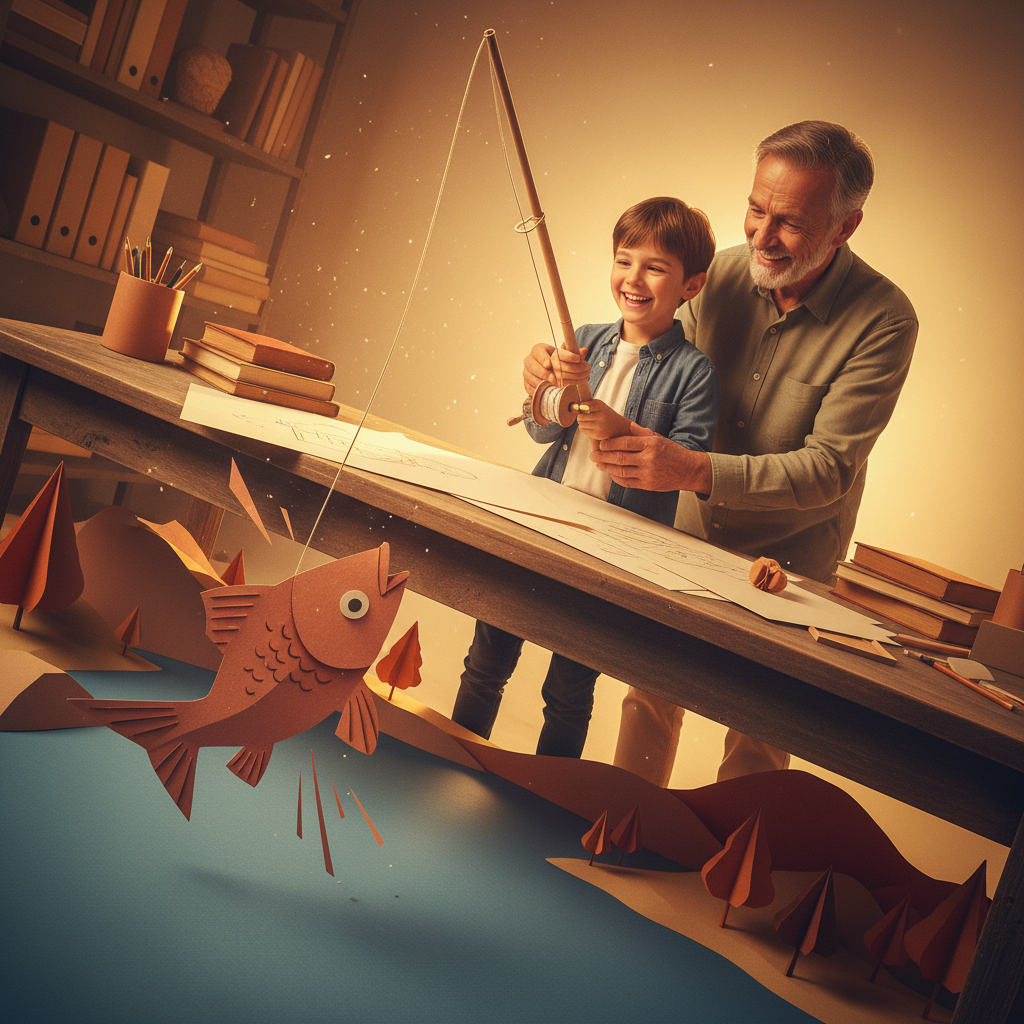
And what about the personal stories that are created on the water? The memories of a father teaching his son how to fish, of a group of friends sharing a laugh, of a solitary angler finding solace in nature. These are the moments that shape us, that define us, that become a part of our identity.
Preserving the Future: A Call to Action
The future of fishing depends on our commitment to conservation and sustainability. We must be willing to make changes in our behavior, to support policies that protect our waterways, and to educate others about the importance of responsible fishing practices.
This includes advocating for stricter regulations on pollution, supporting efforts to restore degraded habitats, and promoting the use of sustainable fishing gear. It also means teaching our children about the importance of respecting the environment and practicing responsible fishing habits.
By working together, we can ensure that future generations will have the opportunity to experience the same joys and benefits of fishing that we do. We can create a legacy of connection to nature, a legacy of stewardship, and a legacy of respect for the natural world.
Beyond the Horizon: The Enduring Allure of the Water
The allure of the water is timeless and universal. Whether it’s the vast expanse of the ocean, the gentle flow of a river, or the tranquil surface of a lake, water holds a certain mystique, a sense of possibility and adventure. It’s a place where we can escape the pressures of modern life, reconnect with nature, and find peace within ourselves.
Fishing is one way of tapping into this enduring allure. It’s a way of engaging with the water, of understanding its secrets, and of appreciating its beauty. It’s a way of challenging ourselves, of learning new skills, and of connecting with others who share our passion.
And so, the next time you feel the pull of the water, embrace it. Grab your rod, pack your gear, and head out to your favorite fishing spot. Let the rhythm of the cast, the anticipation of the strike, and the quiet contemplation of the natural world wash over you. You may be surprised at what you discover, both within yourself and in the world around you.
The journey of the angler is a lifelong pursuit, a constant learning process, a deep dive into the heart of nature. It’s a journey marked by patience, perseverance, and a profound respect for the delicate balance of the natural world. And it’s a journey that offers endless opportunities for self-discovery, connection, and peace.