The Unexpected Serenity of the Angler’s Art
Fishing. For some, it’s a Sunday afternoon pastime, a chance to grill some burgers and tell tall tales. For others, it’s a competitive sport, a battle against the elements and the cunning of aquatic life. But strip away the barbecue smoke and the tournament scoreboards, and you’ll find something deeper, something profoundly meditative lurking beneath the surface.
Is it really possible to find Zen in the act of trying to trick a fish into biting a hook? Can the patience required to wait for a nibble actually translate into a calmer, more focused state of mind? The answer, surprisingly, is a resounding yes. Fishing, at its core, is a practice in mindfulness, a lesson in patience, and a pathway to connecting with something far larger than ourselves.
Beyond the Bait and Tackle
The modern world is a cacophony of notifications, deadlines, and demands. We are constantly bombarded with stimuli, our attention fractured into a million pieces. Fishing offers a sanctuary from this chaos, a digital detox in its purest form. Out on the water, whether it’s a vast ocean or a tranquil stream, the distractions fade away. The only things that truly matter are the gentle lapping of waves, the feel of the rod in your hand, and the anticipation of that first tug.
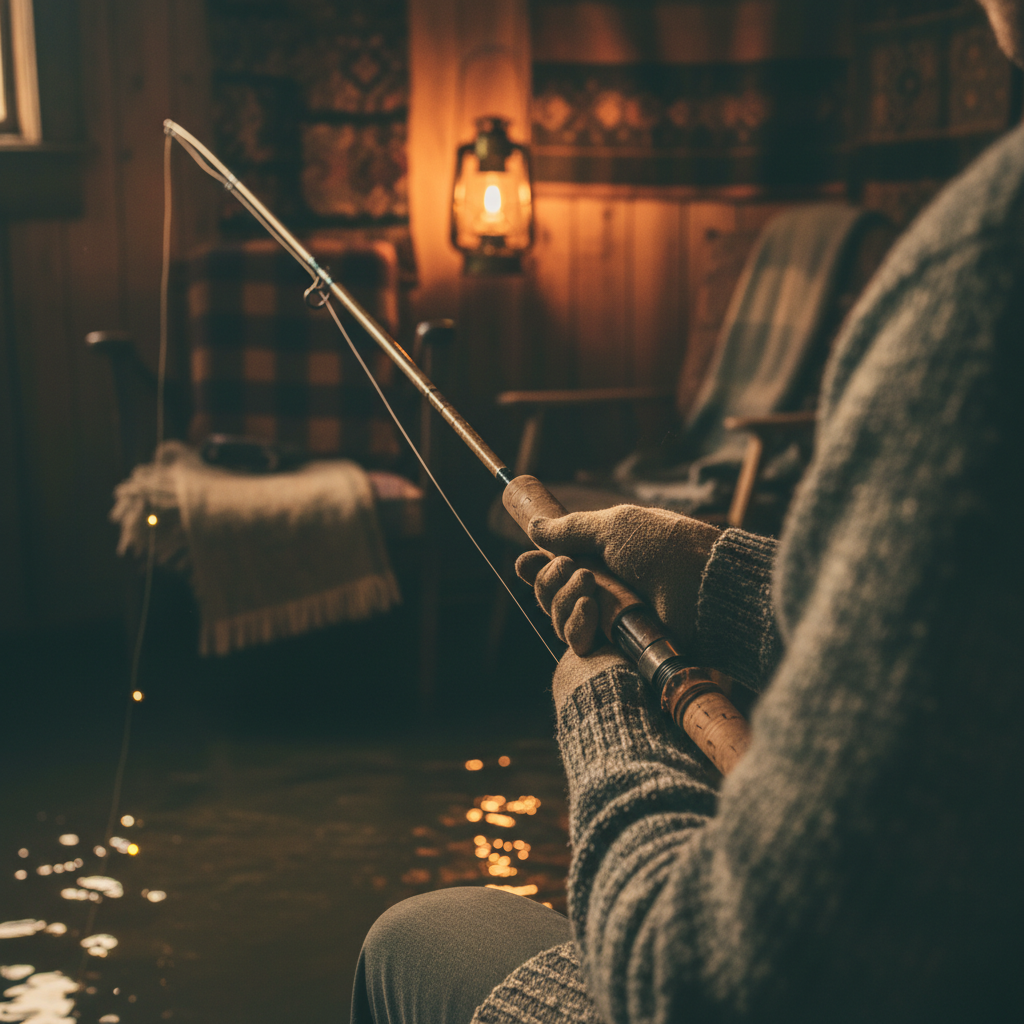
Consider the inherent elements of fishing. The slow, deliberate movements of casting, the quiet observation of the water’s surface, the focused attention required to detect the slightest movement of the line. These actions, repeated over and over, create a rhythm, a mantra that stills the mind and allows you to be fully present in the moment. Think of it as an active meditation, where the object of your focus isn’t your breath, but the potential for connection with the underwater world.
The Dance of Patience and Acceptance
Patience is not just a virtue in fishing; it’s an absolute necessity. Fish are notoriously unpredictable creatures. Sometimes they bite readily, and other times they seem to vanish completely. Learning to accept this uncertainty, to embrace the periods of inactivity, is a valuable life lesson that extends far beyond the water’s edge.
How often in our daily lives do we become frustrated by delays, setbacks, and unexpected obstacles? We want instant gratification, immediate results. Fishing teaches us to let go of that need for control, to surrender to the natural rhythms of the environment. You can’t force a fish to bite, just as you can’t force life to conform to your expectations.
The art of fishing lies in preparing diligently, presenting your offering skillfully, and then patiently waiting. It’s a dance of control and surrender, of action and acceptance. The reward isn’t always a trophy-sized catch; sometimes, the reward is simply the peace of mind that comes from being present and accepting whatever the day brings.
The Art of Losing Yourself to Find Yourself
There’s a certain paradox inherent in fishing. You go out seeking to catch something, to bring something back. But in the process, you often end up losing yourself – losing yourself in the quiet contemplation, the rhythm of the cast, and the vastness of nature. And it is in this losing of yourself that you often find something far more valuable: a deeper connection with yourself and the world around you.
Think of the times you’ve been completely absorbed in an activity, so focused that you’ve lost all track of time. This state of “flow,” as psychologist Mihaly Csikszentmihalyi calls it, is a key component of happiness and well-being. Fishing provides the perfect environment for cultivating this state of flow. The repetitive motions, the focused attention, and the element of challenge all contribute to a sense of complete immersion in the present moment.
Connecting with Something Greater
Beyond the personal benefits of mindfulness and patience, fishing also offers a powerful opportunity to connect with something larger than ourselves. It’s a chance to reconnect with nature, to appreciate the beauty and fragility of the natural world. Standing on the shore or drifting on the water, you become acutely aware of the intricate web of life that surrounds you.
Have you ever stopped to consider the complex ecosystem that exists beneath the surface of a lake or ocean? From the microscopic plankton to the apex predators, every creature plays a vital role in maintaining the delicate balance of nature. Fishing can be a way to gain a deeper understanding and appreciation for this interconnectedness.

A Respectful Encounter
Of course, this connection comes with a responsibility. Ethical fishing practices are essential to ensuring the sustainability of fish populations and the health of aquatic ecosystems. Catch-and-release fishing, responsible gear selection, and adherence to fishing regulations are all crucial for minimizing our impact on the environment.
Fishing is not about conquering nature, but about engaging with it respectfully. It’s about understanding our place within the ecosystem and acting as stewards of the natural world. This sense of responsibility can extend beyond fishing, influencing our choices in other areas of our lives and fostering a deeper commitment to environmental conservation.
The Fisherman’s Philosophy
The true fisherman isn’t just after a big catch; they are seeking something more profound. They are seeking a connection with nature, a moment of peace, and a deeper understanding of themselves. The philosophy of fishing is one of patience, acceptance, and respect. It’s a way of life that emphasizes the importance of being present, of appreciating the simple things, and of finding joy in the journey, regardless of the outcome.
Consider the analogy to life itself. We cast our lines, set our goals, and patiently wait for opportunities to arise. Sometimes we succeed, and sometimes we fail. But the true measure of our success isn’t the size of our catch, but the lessons we learn along the way. The setbacks, the frustrations, and the moments of doubt are all part of the process.
More Than Just a Hobby
Fishing, when approached with mindfulness and respect, becomes more than just a hobby; it becomes a practice in living. It teaches us to be patient, to be present, and to appreciate the beauty of the natural world. It offers a sanctuary from the stresses of modern life and a pathway to inner peace. It is a reminder that sometimes, the greatest rewards come not from what we catch, but from what we learn and experience along the way.
The next time you find yourself feeling overwhelmed, stressed, or disconnected, consider picking up a fishing rod. Head out to your nearest body of water, cast your line, and take a deep breath. Let the rhythm of the water and the anticipation of the catch quiet your mind and reconnect you with the present moment. You might be surprised at what you discover.

Embracing the Impermanence of the Moment
One of the most profound lessons fishing can teach us is the concept of impermanence. The water is constantly flowing, the weather is ever-changing, and the fish are always on the move. Nothing stays the same for long. This constant flux is a reminder that life itself is a process of continuous change.
How often do we cling to the past or worry about the future, forgetting to appreciate the present moment? Fishing forces us to be present, to focus on the here and now. The fleeting beauty of a sunrise over the water, the feeling of the wind on our face, the anticipation of a bite – these are all experiences that can only be fully appreciated in the present moment.
Letting Go of Expectations
Learning to accept the impermanence of things can be incredibly liberating. It allows us to let go of our attachment to outcomes and to embrace the uncertainty of life. In fishing, this means accepting that we won’t always catch a fish, and that even when we do, the moment of triumph is fleeting.
The true joy of fishing lies not in the end result, but in the process itself. It’s about the connection with nature, the quiet contemplation, and the challenge of mastering a skill. When we let go of our expectations and focus on the present moment, we open ourselves up to a deeper sense of peace and contentment.
The Echoes of Stillness
The practice of fishing as meditation extends beyond the time spent on the water. The stillness and focus cultivated during those hours can have a lasting impact on our daily lives. We learn to approach challenges with greater patience, to manage stress more effectively, and to appreciate the simple joys that life has to offer.
Have you ever noticed how a day spent in nature can leave you feeling refreshed and rejuvenated? This is because spending time in natural environments has been shown to reduce stress hormones, lower blood pressure, and improve mood. Fishing provides a particularly effective way to access these benefits, combining the restorative power of nature with the meditative qualities of focused attention.
A Ripple Effect of Calm
The calmness and clarity that we cultivate through fishing can ripple outwards, influencing our relationships, our work, and our overall sense of well-being. We become more patient and understanding with others, more focused and productive in our work, and more appreciative of the beauty and wonder that surrounds us.
Fishing, therefore, is not just a hobby or a pastime; it’s a practice that can transform our lives. It’s a pathway to inner peace, a connection with nature, and a deeper understanding of ourselves. So, the next time you’re feeling stressed, overwhelmed, or disconnected, consider casting a line. You might just find that the greatest catch of the day is the peace of mind you bring back with you.
The experience of fishing transcends the simple act of catching fish. It’s a journey of self-discovery, a communion with nature, and a testament to the power of patience and mindfulness in a world that often demands instant gratification.