The Unhurried Wisdom of the River
We live in an age of relentless acceleration. A world obsessed with speed, efficiency, and instant gratification. From the lightning-fast processing power of our smartphones to the global connectivity of the internet, we are constantly bombarded with stimuli designed to compress time and maximize output. We strive to accomplish more in less time, chasing deadlines and optimizing every aspect of our lives for peak performance. But what are we losing in this frantic pursuit of speed? What wisdom is being drowned out by the cacophony of our hyper-connected world?
The answer, I believe, lies in the quiet contemplation of nature, particularly in the gentle, yet powerful, flow of a river. Rivers, in their unhurried journey to the sea, offer a profound lesson in patience, observation, and the art of being present. They teach us that true understanding and lasting fulfillment cannot be rushed, but must be cultivated through careful attention and a deep connection with the natural world. Fishing, in its purest form, is an invitation to embrace this slower pace, to shed the anxieties of modern life, and to rediscover the timeless wisdom that the water holds.
This isn’t just about catching fish. It’s about the meditative quality of being on the water, the heightened awareness of your surroundings, and the subtle dance between angler and environment. It’s about recognizing that the most profound experiences often lie hidden beneath the surface, waiting to be discovered by those willing to slow down and observe.
Speed’s Deceptive Embrace: The Illusion of Control
Our modern obsession with speed often gives us the illusion of control. We believe that by optimizing every minute of our day, by multitasking and streamlining our processes, we can somehow master our environment and bend it to our will. We measure our success by the number of tasks we complete, the number of emails we answer, and the sheer volume of information we consume. But this frantic activity often masks a deeper sense of unease and disconnection.
Consider the difference between driving through a scenic landscape at high speed versus walking through it at a leisurely pace. When driving, the landscape becomes a blur of colors and shapes, a fleeting impression that fails to truly register. We may see the mountains in the distance, but we miss the delicate wildflowers blooming along the roadside, the intricate patterns of the bark on the trees, and the subtle shifts in the light and shadow. We sacrifice depth of experience for the sake of covering more ground.
Similarly, in our daily lives, the relentless pursuit of speed often prevents us from truly appreciating the present moment. We are so focused on the next task, the next deadline, that we fail to notice the beauty that surrounds us, the small joys that make life worth living. We become disconnected from our senses, from our bodies, and from the natural world.
Fishing, on the other hand, forces us to slow down. It demands that we pay attention to the subtle cues of the environment, the movement of the water, the changing weather patterns, the behavior of the fish. It requires us to be present in the moment, to relinquish our need for control, and to surrender to the rhythms of nature. It’s a reminder that true understanding comes not from forcing our will upon the world, but from observing it with patience and respect.
The Water’s Subtle Lessons: Patience, Observation, and Acceptance
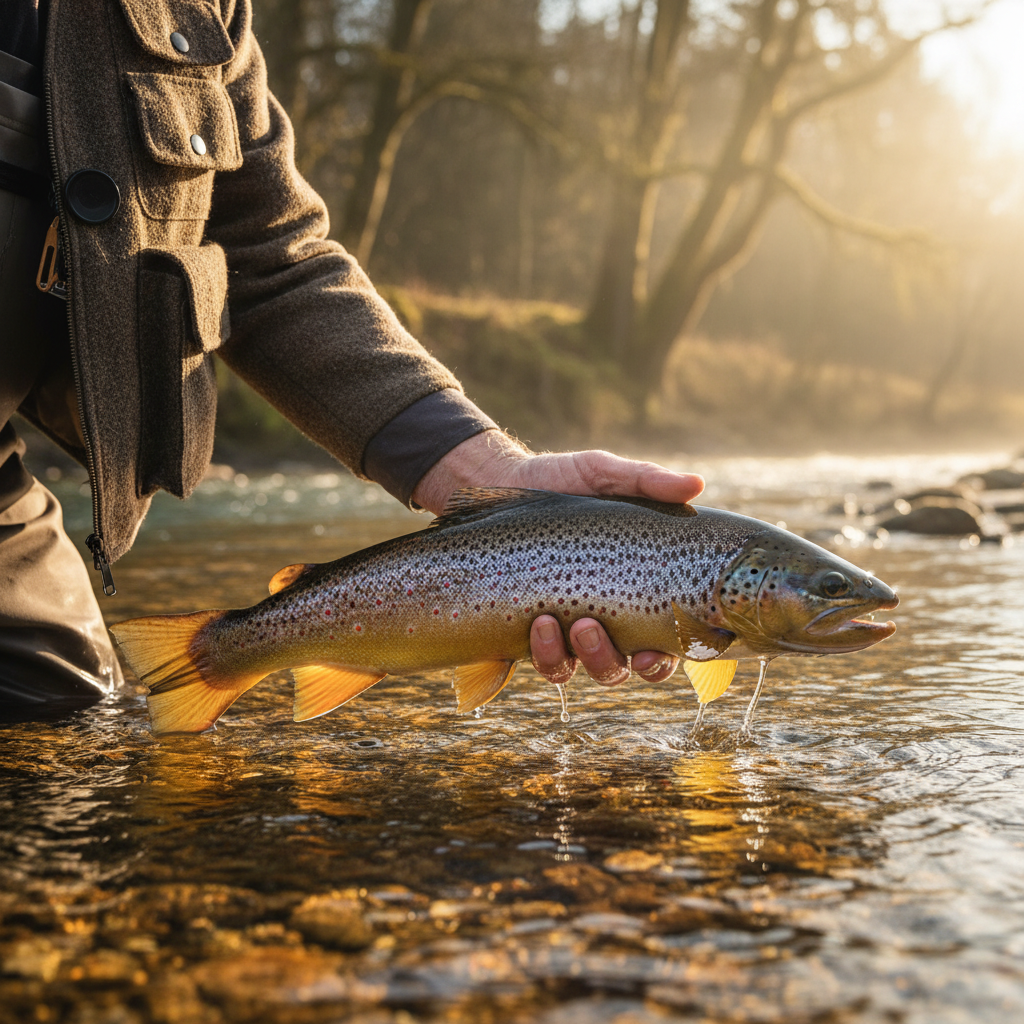
The river is a master teacher, offering lessons in patience, observation, and acceptance. It teaches us that progress is not always linear, that obstacles are inevitable, and that sometimes the best thing we can do is simply wait and observe.
* **Patience:** Fishing requires an immense amount of patience. Hours can pass without a single bite, and even when a fish finally takes the bait, there is no guarantee of success. The angler must be willing to wait, to observe, and to adjust their strategy as needed. This patience is not merely passive waiting, but an active engagement with the environment, a willingness to learn from the water and to adapt to its ever-changing conditions. In a world that demands instant gratification, the river teaches us the value of delayed gratification, the satisfaction of working towards a goal over time.
* **Observation:** The successful angler is a keen observer. They pay attention to the subtle details of the environment, the direction of the wind, the intensity of the sunlight, the type of insects hatching on the water. They learn to read the river, to understand its currents and eddies, to identify the places where fish are likely to be hiding. This heightened awareness of the environment extends beyond the riverbank, influencing how they perceive and interact with the world around them. They become more attuned to the nuances of human behavior, the subtle cues of social interaction, and the hidden patterns of the natural world.
* **Acceptance:** The river is constantly changing, shaped by the forces of nature. It floods, it dries up, it shifts its course, and it deposits debris along its banks. The angler must learn to accept these changes, to adapt to the ever-evolving conditions, and to find beauty even in the midst of chaos. They learn that not everything is within their control, that sometimes the best thing they can do is simply surrender to the flow and accept the inevitable. This acceptance is not resignation, but a form of resilience, a recognition that life is a dynamic process, full of ups and downs, and that true strength lies in our ability to adapt and persevere.
The Rhythms of Nature: Reconnecting with Our Primal Instincts
In our modern, technology-driven world, we have become increasingly disconnected from the natural rhythms that once governed our lives. We spend our days indoors, bathed in artificial light, surrounded by the hum of machines. We eat processed foods, devoid of nutrients, and we consume information at an alarming rate, often without pausing to reflect on its meaning. This disconnection from nature has profound consequences for our physical and mental well-being.
Fishing offers a powerful antidote to this disconnection. It allows us to reconnect with our primal instincts, to tap into the ancient knowledge that is encoded in our DNA. It reminds us that we are, at our core, creatures of nature, dependent on the environment for our survival.
When we stand in a river, casting a line, we are engaging in an activity that has been practiced by humans for thousands of years. We are connecting with our ancestors, with their deep understanding of the natural world, their intimate knowledge of the cycles of life and death. We are participating in a ritual that has been passed down through generations, a ritual that celebrates our connection to the environment and our dependence on its bounty.
Furthermore, being outdoors, surrounded by the sights, sounds, and smells of nature, has a profound impact on our mental state. Studies have shown that spending time in nature can reduce stress, lower blood pressure, improve mood, and enhance cognitive function. The simple act of breathing fresh air, feeling the sun on our skin, and listening to the sounds of the river can have a transformative effect on our overall well-being.
Beyond the Catch: The Intangible Rewards of Slowing Down
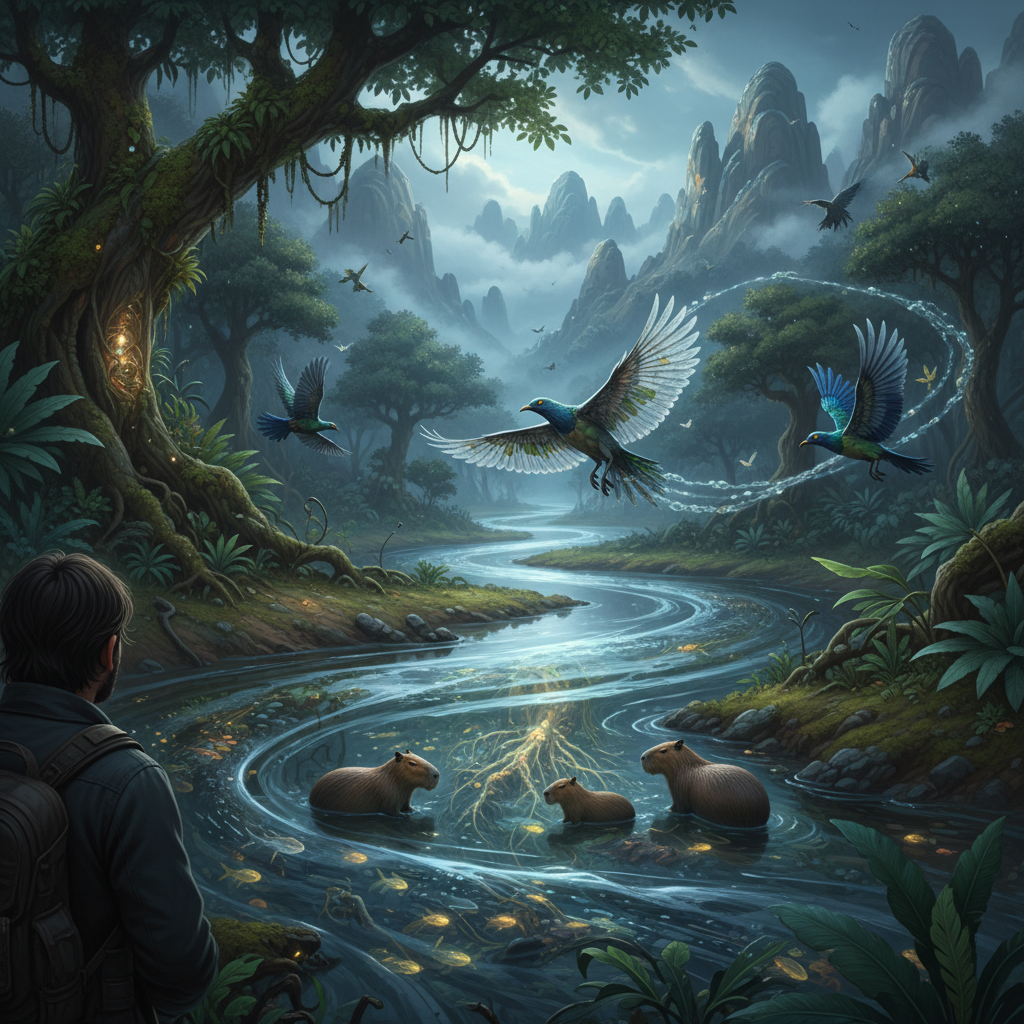
While the thrill of catching a fish is undeniably satisfying, the true rewards of fishing often lie in the intangible experiences that occur along the way. It’s in the quiet moments of contemplation, the shared camaraderie of fellow anglers, and the deep appreciation for the beauty of the natural world.
The act of fishing can be a form of meditation, a way to quiet the mind and focus on the present moment. The repetitive motion of casting a line, the gentle sound of the water, and the focused attention required to detect a bite can all induce a state of flow, a feeling of being completely absorbed in the activity at hand. In this state, worries and anxieties fade away, and a sense of peace and tranquility emerges.
Fishing can also be a deeply social activity, a way to connect with friends and family in a meaningful way. Sharing stories around a campfire, swapping tips and techniques, and celebrating each other’s successes can create lasting bonds and strengthen relationships. The shared experience of being on the water, of facing the challenges of nature together, can forge a sense of camaraderie that is difficult to replicate in other settings.
Ultimately, the most profound reward of fishing is the opportunity to connect with the natural world on a deeper level. It’s about appreciating the beauty of the landscape, the diversity of the ecosystem, and the intricate web of life that sustains us all. It’s about recognizing our place within this web, our responsibility to protect it, and our dependence on its health and well-being. It’s a reminder that we are not separate from nature, but an integral part of it, and that our own well-being is inextricably linked to the health of the environment.
Case Study: From Urban Hustle to Riverside Stillness
Consider the case of a successful entrepreneur, driven by ambition and consumed by the demands of his fast-paced career. He worked tirelessly, sacrificing his personal life and neglecting his health in pursuit of financial success. He was constantly stressed, anxious, and disconnected from his own emotions. One day, feeling burnt out and overwhelmed, he decided to try something completely different. He booked a guided fishing trip to a remote river in the mountains.
Initially, he struggled to slow down. His mind raced with thoughts of work, deadlines, and unanswered emails. He was impatient, frustrated by his lack of experience, and eager to catch a fish. But as the days passed, something began to shift. He started to pay attention to the sounds of the river, the rustling of the leaves, and the changing colors of the sky. He learned to read the water, to understand the behavior of the fish, and to appreciate the subtle beauty of the natural world.
He found himself spending hours in quiet contemplation, reflecting on his life and his priorities. He realized that he had been so focused on achieving external success that he had neglected his own well-being and his relationships with loved ones. He began to understand the importance of slowing down, of being present in the moment, and of appreciating the simple joys of life.
By the end of the trip, he had not only caught a few fish, but he had also undergone a profound transformation. He returned home with a renewed sense of purpose, a deeper appreciation for nature, and a commitment to living a more balanced and fulfilling life. He made changes to his work schedule, prioritizing his health and spending more time with his family. He continued to fish regularly, using it as a way to de-stress, reconnect with nature, and cultivate a sense of inner peace. He learned that true success is not measured by financial wealth or professional accomplishments, but by the quality of our relationships, the health of our minds and bodies, and the depth of our connection to the natural world.

Practical Steps: Embracing the Slow Life on and off the Water
The wisdom of the river is not limited to the act of fishing. It can be applied to all aspects of our lives, helping us to cultivate a slower, more mindful, and more fulfilling existence. Here are a few practical steps we can take to embrace the slow life, both on and off the water:
* **Schedule Time for Nature:** Make a conscious effort to spend more time outdoors, even if it’s just a few minutes each day. Take a walk in the park, sit by a lake, or simply observe the clouds passing overhead. Disconnect from technology and reconnect with the natural world.
* **Practice Mindfulness:** Cultivate a greater awareness of the present moment by practicing mindfulness techniques such as meditation, deep breathing, or yoga. Focus on your senses, paying attention to the sights, sounds, smells, tastes, and textures of your surroundings.
* **Simplify Your Life:** Identify areas where you can simplify your life, reducing clutter, streamlining your schedule, and eliminating unnecessary commitments. Focus on quality over quantity, choosing experiences and relationships that truly enrich your life.
* **Disconnect from Technology:** Set boundaries around your use of technology, limiting your exposure to social media, email, and other digital distractions. Create tech-free zones in your home and schedule regular digital detoxes.
* **Cultivate Patience:** Practice patience in your daily interactions, resisting the urge to rush, to interrupt, or to judge. Allow yourself and others the time and space to process information, to express themselves fully, and to make mistakes.
* **Embrace Imperfection:** Accept that life is messy and unpredictable, and that things will not always go according to plan. Embrace imperfection, learn from your mistakes, and cultivate a sense of humor about the challenges of life.
* **Find Your River:** Identify activities that bring you joy, that allow you to connect with your senses, and that help you to slow down and be present in the moment. Whether it’s fishing, gardening, cooking, or simply spending time with loved ones, find your river and immerse yourself in its flow.
The Enduring Allure of Stillness
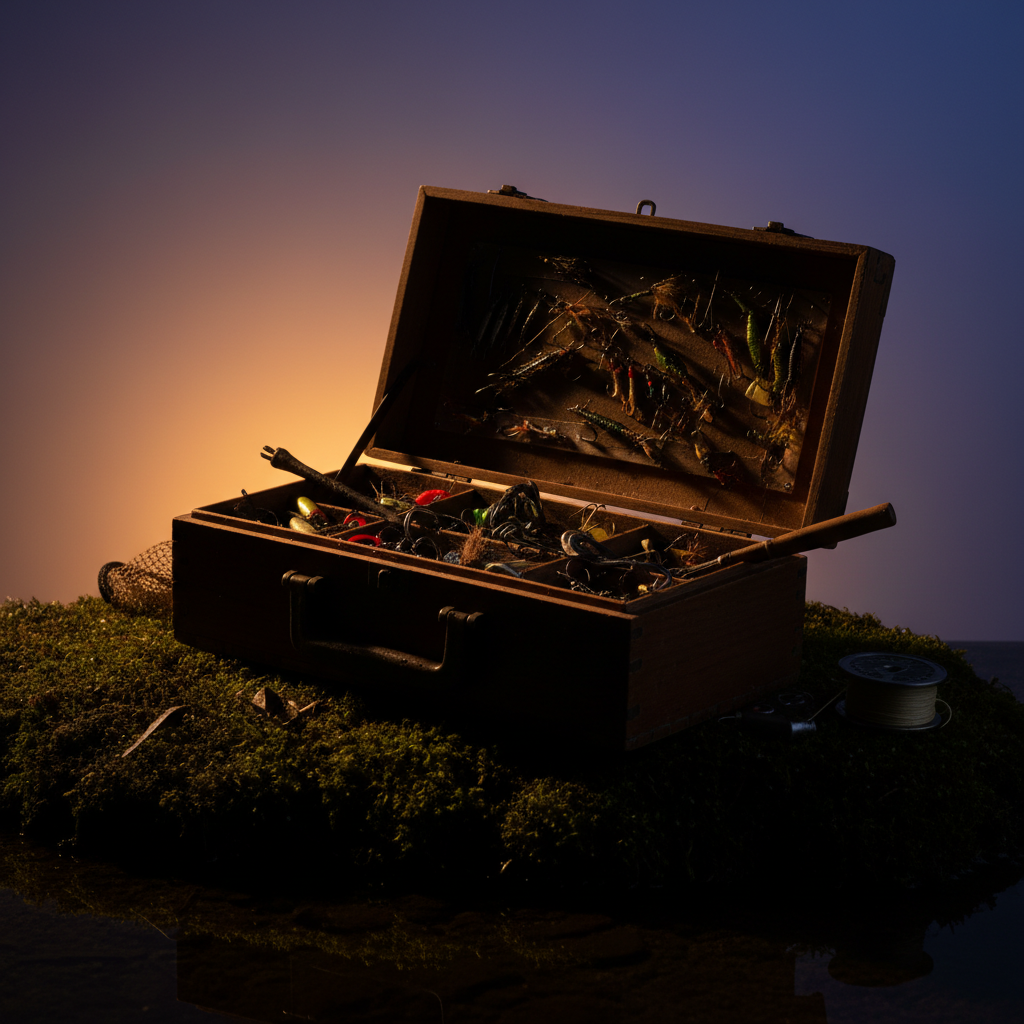
The relentless pursuit of speed often leads us to believe that we are in control, that we are maximizing our potential, and that we are achieving greater success. However, the wisdom of the river teaches us that true understanding and lasting fulfillment cannot be rushed, that patience, observation, and acceptance are essential for a meaningful life. By slowing down, by reconnecting with nature, and by embracing the rhythms of the natural world, we can rediscover the timeless wisdom that the water holds, and we can cultivate a life of greater peace, purpose, and fulfillment. The allure of stillness is not about inactivity or resignation, but about a conscious choice to engage with the world in a more mindful, deliberate, and meaningful way. It’s about recognizing that true power lies not in controlling our environment, but in understanding it, respecting it, and learning to live in harmony with its rhythms. It is in these moments of stillness, amidst the rush and clamor of modern life, that we discover the deepest truths about ourselves and the world around us. It is here, in the quiet contemplation of the river, that we find the wisdom that speed so often hides.