The Silent Curriculum of the River
Fishing. We often think of it as a sport, a hobby, or even a way to put food on the table. But beneath the surface of casting lines and reeling in catches lies something far more profound: a silent curriculum of respect. It’s a curriculum taught not with words or lectures, but through the patient observation of nature, the acceptance of its rhythms, and the understanding of our place within its intricate web.
How often do we truly listen to the world around us? In our fast-paced lives, we’re bombarded with noise, demands, and distractions. Fishing, in its purest form, strips away these layers, forcing us to slow down, to be present, and to hear the whispers of the river, the rustling of the leaves, the calls of the birds. It’s in this quietude that respect begins to blossom.
It’s not a forced respect, mind you. It’s not a respect born of fear or obligation. It’s a respect that grows organically from a deeper understanding of the interconnectedness of all things. When you spend hours studying the subtle movements of a trout, learning its feeding habits, and adapting your approach to its preferences, you develop a reverence for its existence. You recognize that it’s not just a fish; it’s a vital part of an ecosystem, a creature with its own intrinsic value.
This respect extends beyond the fish themselves. It encompasses the entire environment: the water, the plants, the insects, the animals, even the weather. A responsible angler understands that their actions have consequences, that their presence can either enrich or degrade the delicate balance of nature. They learn to tread lightly, to leave no trace, and to protect the resources that sustain them.
The Unspoken Rules of Engagement
The respect that fishing teaches isn’t limited to the natural world. It also extends to our fellow anglers, to the traditions of the sport, and to the ethical principles that guide our actions. There’s an unspoken code among fishermen and women, a set of rules that emphasize fairness, sportsmanship, and consideration.
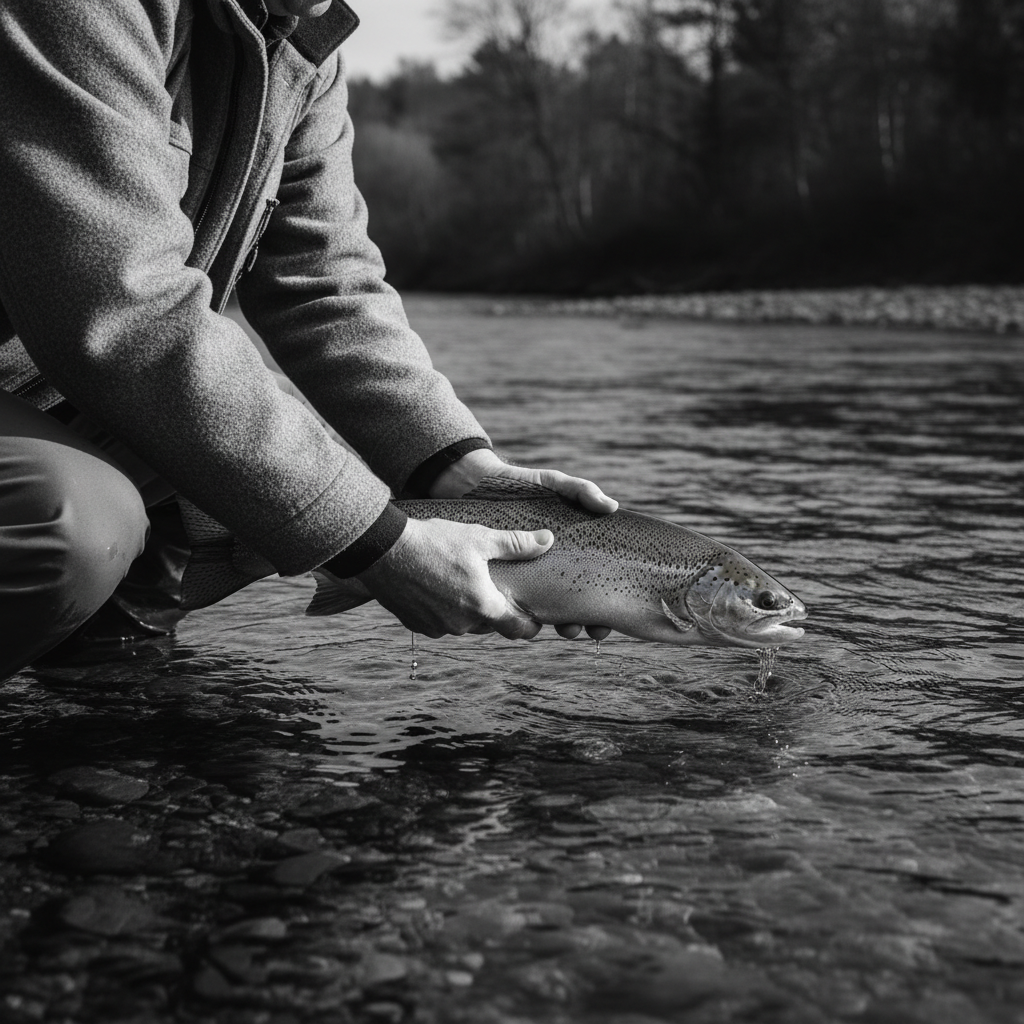
For example, a seasoned angler would never crowd another person’s fishing spot, especially if they were there first. They would offer assistance to someone who’s struggling, sharing their knowledge and experience without expectation of reward. They would always practice catch and release, ensuring the survival of the fish for future generations.
These actions, while seemingly small, speak volumes about the character of the individual. They demonstrate a commitment to something larger than oneself, a recognition that we’re all part of a community, bound together by our shared love of fishing and our responsibility to protect it.
Consider the story of old man Hemlock, a fixture on the banks of the Willow Creek. He wasn’t known for catching the biggest fish, or for using the fanciest gear. But he was revered for his unwavering respect for the river and its inhabitants. He would spend hours meticulously cleaning up trash left behind by others, carefully releasing every fish he caught, and patiently teaching young anglers the importance of conservation. He taught respect not by lecturing, but by example.
Patience: The Cornerstone of Respect
Patience is a virtue often associated with fishing, but it’s more than just a practical skill. It’s an essential component of respect. Learning to wait, to observe, to adapt, to accept the unpredictable nature of the sport, all contribute to a deeper understanding of the world around us.
In a world that demands instant gratification, fishing teaches us the value of delayed gratification. It reminds us that some things are worth waiting for, that the journey is often more rewarding than the destination. It cultivates a sense of humility, reminding us that we’re not always in control, that we must respect the forces of nature and the timing of the universe.
How many times have you seen someone get frustrated when they’re not catching fish? They start casting wildly, changing lures incessantly, and generally disrupting the peace of the environment. This impatience is a sign of disrespect, a lack of appreciation for the subtleties of the sport and the rhythms of nature.
True respect involves accepting the possibility of failure, learning from your mistakes, and continuing to persevere with grace and humility. It’s about understanding that fishing is not just about catching fish; it’s about connecting with nature, challenging yourself, and cultivating a sense of inner peace.
The Ripple Effect of Respect
The respect that fishing teaches doesn’t stay confined to the riverbank. It seeps into other aspects of our lives, shaping our relationships with others, our approach to work, and our overall worldview. When you learn to respect nature, you learn to respect yourself and others. You develop a greater sense of empathy, compassion, and responsibility.
Think about it. Someone who is patient and observant on the river is likely to be patient and understanding in their personal relationships. Someone who is mindful of their impact on the environment is likely to be mindful of their impact on others. Someone who values fairness and sportsmanship in fishing is likely to value fairness and integrity in their professional life.
The lessons learned on the water are transferable skills, qualities that can enhance our lives in countless ways. They make us better citizens, better neighbors, and better human beings. They contribute to a more harmonious and sustainable world.
Conservation: Respect in Action
Conservation is the ultimate expression of respect for the natural world. It’s the act of protecting and preserving the resources that sustain us, ensuring that future generations can enjoy the same benefits we do. Fishing, when practiced responsibly, is inherently linked to conservation.
Anglers are often the first to notice signs of environmental degradation, such as pollution, habitat loss, or declining fish populations. They have a vested interest in protecting the health of the ecosystem, and they often become advocates for conservation efforts.
Many fishing organizations are actively involved in habitat restoration, water quality monitoring, and fish stocking programs. They work in partnership with government agencies, conservation groups, and local communities to protect and enhance our natural resources.
Consider the example of the “Trout Unlimited” organization. This group is dedicated to conserving, protecting, and restoring North America’s coldwater fisheries and their watersheds. They work on a variety of projects, from removing dams to restoring stream banks to educating the public about the importance of conservation. Their efforts are a testament to the power of anglers to make a positive impact on the environment.
The Legacy of Respect
The respect that fishing teaches is a legacy that can be passed down from generation to generation. By sharing our love of fishing with our children, grandchildren, and friends, we can instill in them the same values of patience, observation, and responsibility.
We can teach them to appreciate the beauty of nature, to understand the interconnectedness of all things, and to respect the rights of others. We can show them how to fish responsibly, how to conserve resources, and how to advocate for environmental protection.
Imagine a future where everyone has a deep respect for nature, where everyone understands the importance of conservation, and where everyone is committed to living sustainably. This is the legacy we can create through fishing, a legacy of respect that will benefit generations to come.
Beyond the Catch: A Deeper Connection
Fishing, at its heart, is about more than just catching fish. It’s about forging a deeper connection with nature, with ourselves, and with others. It’s about escaping the stresses of modern life and finding solace in the tranquility of the outdoors. It’s about learning to appreciate the simple things in life, like the warmth of the sun on your face, the sound of the water flowing, and the satisfaction of catching your own meal.
How often do we allow ourselves to truly disconnect from the digital world and immerse ourselves in the natural world? We’re constantly bombarded with notifications, emails, and social media updates, leaving us feeling stressed, overwhelmed, and disconnected.
Fishing provides an opportunity to escape this constant stimulation and reconnect with our senses. It allows us to slow down, to breathe deeply, and to appreciate the beauty of the world around us. It can be a form of meditation, a way to clear our minds and find inner peace.
Think about the last time you went fishing. Did you notice the intricate patterns on the wings of a dragonfly? Did you hear the melodious song of a robin? Did you feel the cool spray of the water on your skin? These sensory experiences can be incredibly grounding, helping us to feel more present and connected to the world around us.
The Therapeutic Power of Fishing
There’s a growing body of research that supports the therapeutic benefits of spending time in nature. Studies have shown that being outdoors can reduce stress, lower blood pressure, improve mood, and boost the immune system. Fishing, in particular, has been shown to be beneficial for people with anxiety, depression, and PTSD.
The act of fishing itself can be incredibly calming and meditative. The repetitive motions of casting and reeling can help to quiet the mind and promote relaxation. The focus required to track the line and anticipate a strike can distract from worries and anxieties.
Moreover, fishing provides an opportunity for social connection. Whether you’re fishing with friends, family, or other anglers, you’re sharing a common experience, building relationships, and creating memories. These social connections can be incredibly important for our mental and emotional well-being.
Consider the story of a veteran struggling with PTSD who found solace in fly fishing. He had difficulty sleeping, experienced frequent flashbacks, and felt isolated from others. But when he started fly fishing, he found a sense of peace and purpose. The focus required to tie flies and cast a line helped to quiet his mind, and the connection with nature helped him to feel more grounded. He also found camaraderie with other veterans who shared his love of fly fishing, creating a supportive community that helped him to heal.
The Importance of Mentorship
Mentorship plays a crucial role in passing on the values of respect and conservation to future generations. Experienced anglers can serve as role models for younger anglers, teaching them not only the skills of fishing but also the ethical principles that guide their actions.
A good mentor will emphasize the importance of respecting the environment, practicing catch and release, and obeying fishing regulations. They will also teach younger anglers how to be responsible stewards of the resource, encouraging them to participate in conservation efforts and advocate for environmental protection.
Mentorship can also provide a sense of community and belonging. Younger anglers can learn from the experiences of older anglers, and they can find support and encouragement in their shared love of fishing. This intergenerational connection can be incredibly valuable, helping to build a sense of continuity and tradition within the fishing community.

Addressing the Challenges: Ensuring Sustainable Fishing
While fishing can be a powerful force for good, it’s important to acknowledge that it can also have negative impacts on the environment if not practiced responsibly. Overfishing, habitat destruction, and pollution are all threats to the health of our fisheries.
To ensure the sustainability of fishing, it’s crucial that we address these challenges head-on. This requires a multi-faceted approach, involving anglers, government agencies, conservation groups, and local communities.
Responsible Fishing Practices
One of the most important steps we can take to ensure sustainable fishing is to adopt responsible fishing practices. This includes:
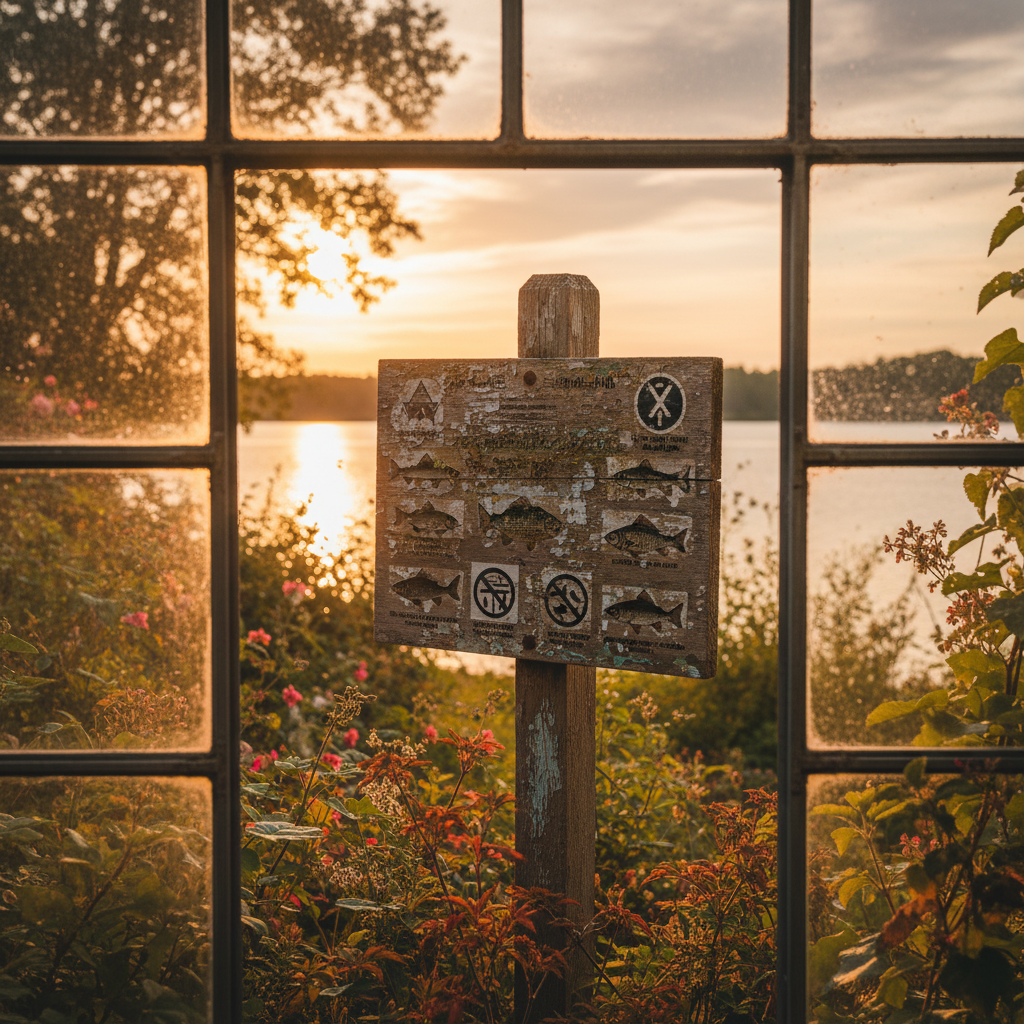
* **Obeying fishing regulations:** These regulations are designed to protect fish populations and ensure the long-term health of the ecosystem.
* **Practicing catch and release:** This allows fish to reproduce and maintain healthy populations.
* **Using appropriate gear:** Using the right gear can minimize stress on fish and reduce the risk of injury.
* **Avoiding sensitive areas:** Spawning grounds and other sensitive areas should be avoided to protect fish populations.
* **Cleaning up trash:** Litter can pollute waterways and harm wildlife.
By adopting these responsible fishing practices, we can minimize our impact on the environment and ensure that future generations can enjoy the same benefits we do.
Habitat Restoration and Protection
Protecting and restoring fish habitat is another crucial step in ensuring sustainable fishing. This includes:
* **Restoring stream banks:** Eroded stream banks can contribute to sedimentation, which can harm fish habitat.
* **Removing dams:** Dams can block fish migration and alter stream flows, negatively impacting fish populations.
* **Planting trees:** Trees can provide shade, stabilize stream banks, and filter pollutants from runoff.
* **Protecting wetlands:** Wetlands play a vital role in filtering water and providing habitat for fish and other wildlife.
By protecting and restoring fish habitat, we can create a more resilient ecosystem that can support healthy fish populations.
Combating Pollution
Pollution is a major threat to the health of our fisheries. It can contaminate water, harm wildlife, and make fish unsafe to eat. To combat pollution, we need to:
* **Reduce our use of pesticides and fertilizers:** These chemicals can run off into waterways and pollute the water.
* **Properly dispose of waste:** Improperly disposed of waste can contaminate water and harm wildlife.
* **Reduce our carbon footprint:** Climate change is contributing to water pollution and other environmental problems.
* **Support policies that protect water quality:** These policies can help to prevent pollution and protect our waterways.
By combating pollution, we can protect the health of our fisheries and ensure that they remain a valuable resource for generations to come.
The Future of Fishing: A Call to Action
The future of fishing depends on our ability to embrace the values of respect and conservation. We must recognize that we are not separate from nature, but rather an integral part of it. Our actions have consequences, and we have a responsibility to protect the resources that sustain us.
As anglers, we have a unique opportunity to be stewards of the environment. We can educate others about the importance of conservation, participate in habitat restoration projects, and advocate for policies that protect our fisheries. We can also serve as role models for younger anglers, teaching them the skills of fishing and the values of respect.
The next time you go fishing, take a moment to reflect on the lessons you’ve learned from the river. Remember the importance of patience, observation, and responsibility. Let the experience deepen your connection with nature and inspire you to take action to protect it.
The respect that fishing teaches is not just about catching fish; it’s about creating a more sustainable and harmonious world for all. It’s a call to action, a challenge to embrace our role as stewards of the environment, and a promise to pass on a legacy of respect to future generations. So, cast your line, not just for the thrill of the catch, but for the sake of the river, the fish, and the future of our planet. It’s a lesson taught without words, but felt in the heart of every true angler.