The Unspoken Lessons of the Water
Fishing, at its core, is a conversation. But it’s not a conversation of words. It’s a dialogue conducted in the language of patience, observation, and, most importantly, silence. We often chase the thrill of the catch, the adrenaline of the fight, but it’s in the quiet moments between those bursts of action that the true lessons of fishing reveal themselves. It’s during the stretches of stillness when we truly connect with the environment, with ourselves, and with the subtle wisdom of the water.
Why is silence such a powerful teacher in this pursuit? Because it allows us to listen – not just to the sounds around us, but to the deeper rhythms of nature. It strips away the distractions of the modern world, the constant noise and demands on our attention, and leaves us open to the quiet whispers of the river, the lake, or the ocean. It’s in this silence that we begin to truly understand the intricate web of life that exists beneath the surface.
Think about it: how much do we actually learn when we’re constantly talking, fidgeting, or otherwise disrupting the natural flow? Precious little. But when we embrace the stillness, we become observers, students of the wild. We notice the subtle shifts in the current, the delicate dance of insects on the water’s surface, the telltale signs of a lurking predator.
Beyond the Bait: Cultivating Observation Through Stillness
The art of fishing is inextricably linked to the art of observation. And observation thrives in silence. It’s about training your senses to pick up on the minute details that would otherwise go unnoticed. Are the mayflies hatching? Is the wind picking up, signaling a change in weather? Are the birds acting differently, perhaps indicating the presence of fish?
This isn’t just about technical skill; it’s about developing a deeper understanding of the environment and our place within it. It’s about learning to read the language of the land, the water, and the creatures that inhabit them. And that language is rarely spoken aloud. It’s whispered in the rustle of leaves, the ripple of the water, the flight of a heron.
Consider the experienced fly fisherman. They don’t just cast blindly into the water. They spend time observing, studying the currents, identifying the insects that the fish are feeding on, and carefully selecting the appropriate fly. They are masters of silence, of observation, of patience. They understand that the key to success lies not in brute force, but in subtle understanding.
And the benefits extend far beyond the fishing itself. The ability to observe, to pay attention to detail, is a valuable asset in all aspects of life. It allows us to be more present, more aware, and more connected to the world around us. It fosters empathy, understanding, and a deeper appreciation for the beauty and complexity of life.

The Rhythm of Patience: Learning to Wait
Silence also cultivates patience, a virtue that is often in short supply in our fast-paced world. Fishing requires us to slow down, to wait, to endure the moments when nothing seems to be happening. It teaches us that not all rewards are immediate, that sometimes the greatest satisfaction comes from the long, slow burn of anticipation.
How often do we rush through life, chasing the next goal, the next achievement, without taking the time to simply be present in the moment? Fishing forces us to confront this tendency, to embrace the stillness, to find contentment in the simple act of waiting. It’s a reminder that life is not just about the destination, but also about the journey.
Think about the hours spent sitting by a lake, watching the sun rise, feeling the gentle breeze on your face, listening to the sounds of nature. These are not wasted hours. They are hours spent recharging, reconnecting, and rediscovering the simple joys of life. They are hours spent learning the invaluable lesson of patience.
And this patience translates into other areas of our lives as well. It helps us to be more tolerant, more understanding, and more resilient in the face of challenges. It allows us to approach problems with a clear head, to make better decisions, and to persevere through difficult times.
The Inner Dialogue: Connecting with Yourself in Solitude
Fishing is often a solitary pursuit, and this solitude provides a unique opportunity for introspection. In the silence of the wilderness, we can escape the distractions of the outside world and turn our attention inward. We can reflect on our lives, our goals, our values, and our relationships.
Why is this inner dialogue so important? Because it allows us to gain a deeper understanding of ourselves. It helps us to identify our strengths and weaknesses, to clarify our priorities, and to make more conscious choices about how we want to live our lives. It’s a chance to reconnect with our authentic selves, to shed the masks that we wear in the outside world, and to simply be present in our own skin.
Consider the moments spent sitting by the water, contemplating the vastness of the universe, feeling the insignificance of our own problems in the face of such grandeur. These are moments of profound clarity, moments of spiritual awakening. They are reminders that we are all part of something larger than ourselves, and that our lives have meaning and purpose, even if we don’t always understand what that purpose is.
This inner connection fostered by silence and solitude empowers us to live more authentically, more purposefully, and more joyfully. It allows us to navigate the challenges of life with greater resilience, to cultivate stronger relationships, and to make a more positive impact on the world.
The Echoes of Nature: Finding Peace in the Wild
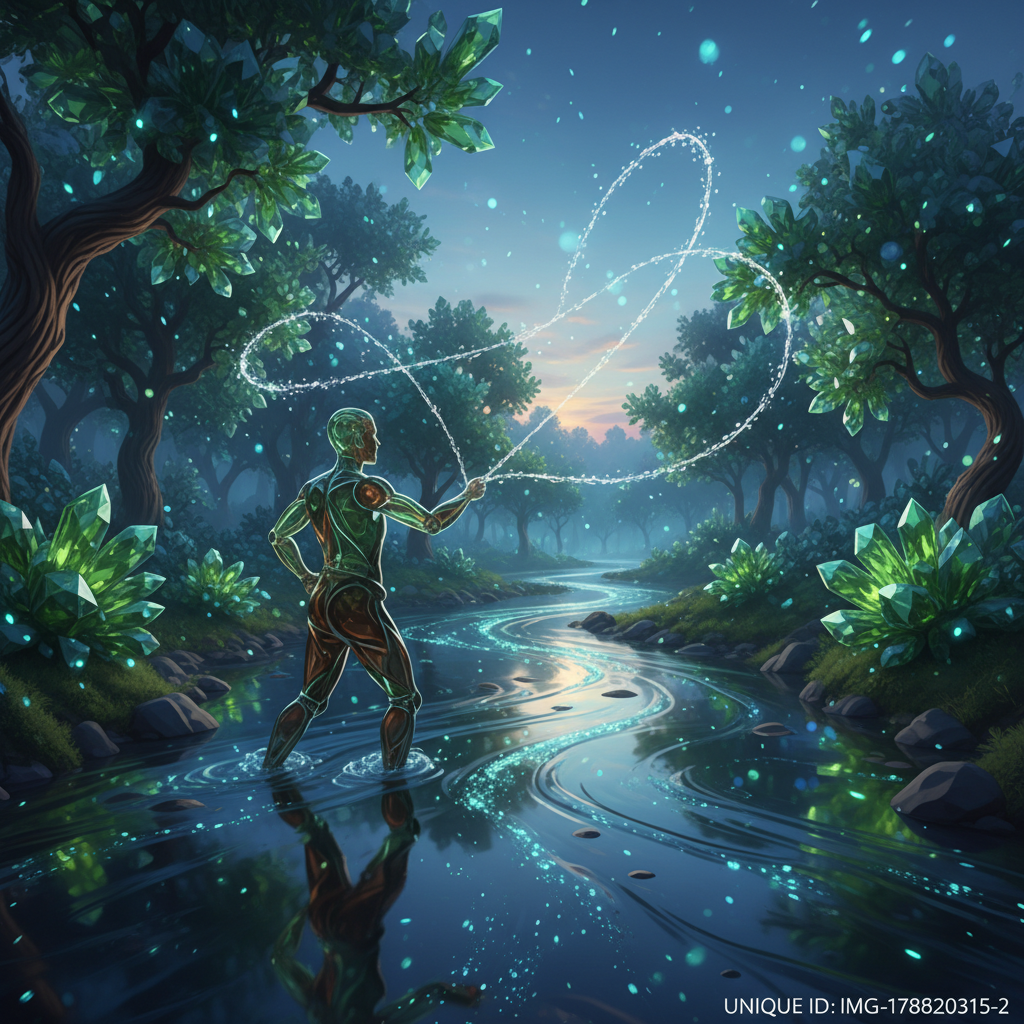
The silence of fishing is not just about the absence of noise; it’s about the presence of nature. It’s about being surrounded by the sights, sounds, and smells of the wild, and allowing those elements to soothe and rejuvenate our souls.
How often do we find ourselves trapped in artificial environments, surrounded by concrete and steel, disconnected from the natural world? Fishing offers a chance to escape this artificiality and reconnect with our primal roots. It’s a reminder that we are all part of the ecosystem, and that our well-being is inextricably linked to the health of the planet.
Think about the feeling of breathing in the fresh air, feeling the warmth of the sun on your skin, hearing the sound of the wind rustling through the trees. These are sensory experiences that are deeply restorative, that can help to reduce stress, improve mood, and enhance overall well-being.
And the benefits extend beyond the individual. By spending time in nature, we develop a greater appreciation for the environment and a stronger desire to protect it. We become more conscious of our impact on the planet and more motivated to make sustainable choices.
The Rhythms of the Wild: Learning from Failure and Patience
Fishing is not always successful. In fact, it’s often a lesson in failure. There will be days when you don’t catch a single fish, days when the weather is uncooperative, days when everything seems to go wrong. But it’s in these moments of failure that we learn the most valuable lessons.
Why is failure such a powerful teacher? Because it forces us to confront our limitations, to reassess our strategies, and to develop greater resilience. It teaches us that setbacks are inevitable, but that they don’t have to define us. It’s in learning to adapt, adjust, and persevere that we truly grow.
Consider the angler who spends hours trying to catch a particular fish, only to come up empty-handed. They could easily become discouraged and give up. But the true angler will use that failure as an opportunity to learn. They will analyze their mistakes, experiment with new techniques, and return to the water with a renewed sense of determination.
And this resilience translates into other areas of our lives as well. It helps us to overcome obstacles, to bounce back from adversity, and to achieve our goals despite the challenges that we face. It allows us to approach life with a greater sense of confidence, knowing that we have the ability to overcome whatever comes our way. The silence after a missed strike allows reflection, reassessment, and a renewed commitment to the process. It’s a masterclass in emotional regulation, subtly taught by the very act of fishing.
The Symphony of Silence: Embracing the Unexpected
The best fishing experiences are often the ones that are unexpected. The sudden strike of a fish, the unexpected sighting of wildlife, the serendipitous encounter with another angler. These moments of surprise and wonder are what make fishing so rewarding.
Why is the unexpected so valuable? Because it forces us to be present in the moment, to pay attention to our surroundings, and to be open to new possibilities. It’s a reminder that life is full of surprises, and that we should always be ready to embrace the unknown.
Think about the time you were fishing and suddenly encountered a deer drinking from the river, or witnessed a bald eagle soaring overhead. These are moments that stay with us long after the fishing trip is over, moments that remind us of the beauty and wonder of the natural world.
And this openness to the unexpected translates into other areas of our lives as well. It helps us to be more creative, more adaptable, and more resilient in the face of change. It allows us to see the world with fresh eyes, to appreciate the small joys of life, and to live each day to the fullest. The angler learns to expect the unexpected – a sudden storm, a change in fish behavior, or simply a moment of profound peace that washes over them.
The Gentle Art of Letting Go: Respecting the Ecosystem
Ultimately, the silence of fishing teaches us respect – respect for ourselves, respect for the environment, and respect for the creatures that we share this planet with. It’s a reminder that we are all interconnected, and that our actions have consequences.
How can we show respect through fishing? By practicing catch and release, by using sustainable fishing techniques, and by minimizing our impact on the environment. By leaving no trace behind us, by protecting the habitat of the fish, and by advocating for responsible fisheries management.
Think about the legacy that we want to leave for future generations. Do we want to leave behind a world that is polluted and depleted, or a world that is healthy and vibrant? Fishing offers a chance to contribute to the latter, to be stewards of the environment, and to ensure that future generations can enjoy the same natural resources that we do.
This respect translates into other areas of our lives as well. It helps us to be more mindful of our consumption habits, to reduce our waste, and to support sustainable businesses. It allows us to make a positive impact on the world, to create a more just and equitable society, and to leave a lasting legacy of environmental stewardship. It is in the quiet observation of the ecosystem that we understand its fragility and the importance of our role in its preservation.

The Echo of Stillness: A Lifelong Lesson
The lessons learned in the silence of fishing are not just for anglers. They are lessons for anyone who seeks to live a more meaningful, more connected, and more fulfilling life. They are lessons about patience, observation, introspection, and respect.
And these lessons are not learned overnight. They are cultivated over time, through countless hours spent in the wilderness, through countless experiences of success and failure, through countless moments of quiet contemplation. They are lessons that are passed down from generation to generation, from mentor to mentee, from parent to child.
So, the next time you go fishing, remember to embrace the silence. Listen to the whispers of the water, observe the details of the environment, and allow yourself to be transported to a place of peace and tranquility. For it is in the silence that you will discover the greatest lessons of all. It is in the silence that you will truly connect with yourself, with nature, and with the profound wisdom of the wild. The quietude becomes a companion, a teacher that reveals the deepest truths about ourselves and the world around us, a companion that stays with us long after we’ve left the water’s edge.