The Allure of the Stillness: Why Fishing Transcends Sport
Fishing. The word itself conjures images of tranquil lakes, rushing rivers, and the patient angler, rod in hand, waiting for the subtle tug that signals a connection with the underwater world. But fishing is so much more than just a sport or a means of procuring food. It’s an escape, a meditation, a connection to nature that allows time to slow down and perspective to shift. In a world increasingly dominated by the relentless demands of modern life, fishing offers a sanctuary, a place where the noise fades away and the rhythm of nature takes over.
Think about it. How often do we truly disconnect? How often do we allow ourselves to be present, to simply exist in the moment without the constant hum of notifications, the pressure of deadlines, and the endless stream of information vying for our attention? Fishing, at its heart, is an exercise in presence. It demands patience, observation, and a willingness to surrender to the unpredictable nature of the natural world. It is in this surrender that we often find the greatest rewards, not necessarily in the form of a trophy fish, but in the form of a renewed sense of peace and clarity.
The Dance of Patience and Perseverance
One of the most valuable lessons fishing teaches us is the art of patience. Unlike many aspects of modern life that offer instant gratification, fishing requires a different kind of investment. It’s about understanding the subtle cues of the environment, learning the habits of the fish, and developing the skill to present your bait in a way that entices a strike. There will be days when the fish are biting, and days when they seem to vanish completely. It is in these moments of apparent inactivity that our patience is truly tested.
But patience is not simply about waiting idly. It is about active observation, about learning from each cast, each retrieve, each subtle shift in the wind or the current. It’s about honing your skills, refining your technique, and developing a deeper understanding of the ecosystem you are a part of. This process of continuous learning and adaptation is what makes fishing so engaging and rewarding, even when the fish aren’t cooperating.
Perseverance is another crucial element. There will be times when you feel like giving up, when the hours stretch on with no sign of success. But it is in these moments that the true angler perseveres, driven not just by the desire to catch a fish, but by a deeper connection to the process itself. It’s about embracing the challenge, refusing to be discouraged by setbacks, and maintaining a sense of optimism even in the face of adversity. This spirit of perseverance, honed on the water, can be invaluable in all aspects of life.
Connecting with Nature: More Than Just Catching Fish
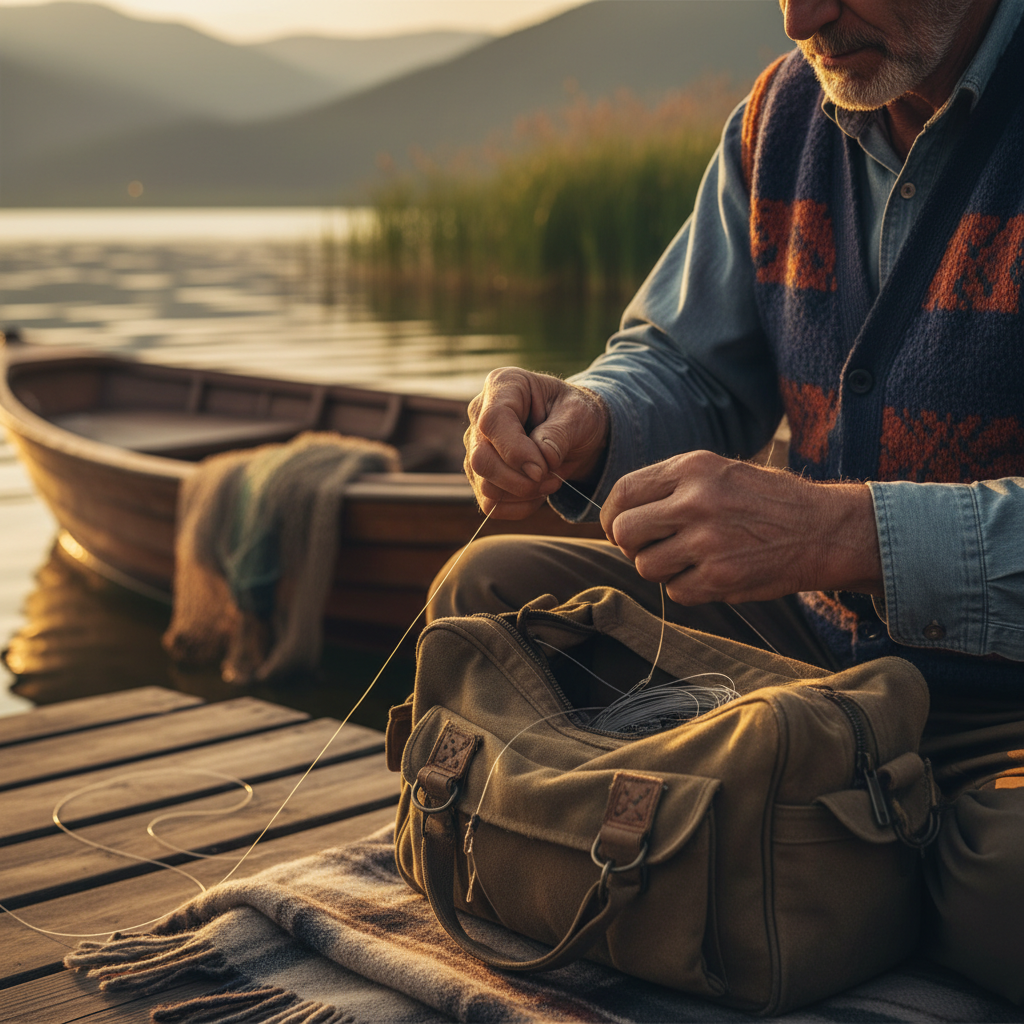
While the thrill of the catch is undoubtedly a part of the fishing experience, it is often the connection with nature that provides the most profound and lasting benefits. Fishing takes us to places of incredible beauty, forcing us to slow down and appreciate the intricate details of the natural world. We become attuned to the subtle changes in the weather, the movement of the water, and the calls of the wildlife around us.
Consider the experience of fishing at dawn. The air is crisp and cool, the sky is painted with vibrant colors, and the world seems to be awakening with a sense of quiet anticipation. As the sun rises, casting its golden light across the water, you are surrounded by the sounds of nature – the chirping of birds, the rustling of leaves, and the gentle lapping of waves against the shore. In these moments, the stresses and anxieties of daily life seem to melt away, replaced by a sense of peace and connection.
Fishing also provides an opportunity to learn about the delicate balance of ecosystems. As anglers, we become stewards of the environment, understanding the importance of conservation and responsible fishing practices. We learn about the different species of fish that inhabit the waters, their feeding habits, and their role in the food chain. We also become aware of the threats facing these ecosystems, such as pollution, habitat loss, and climate change. By connecting with nature through fishing, we develop a deeper appreciation for the importance of protecting our planet for future generations.
The Solitude and Social Aspects of Fishing
Fishing can be both a solitary pursuit and a social activity. For some, the allure of fishing lies in the solitude, the opportunity to escape the noise and distractions of modern life and reconnect with oneself. The quiet contemplation of a solo fishing trip can be incredibly therapeutic, allowing for introspection, reflection, and a renewed sense of clarity.
On the other hand, fishing can also be a wonderful way to bond with family and friends. Sharing the experience of fishing with loved ones can create lasting memories and strengthen relationships. Whether it’s teaching a child how to cast a line, sharing stories around a campfire, or simply enjoying each other’s company on the water, fishing provides a unique opportunity to connect with others in a meaningful way.
Think about the multi-generational fishing trips, the passing down of knowledge and traditions from one generation to the next. These experiences not only teach valuable skills but also foster a sense of belonging and connection to a shared heritage. Fishing, in this sense, becomes more than just a sport; it becomes a way of life, a way of connecting with family and community.
Fishing as a Metaphor for Life: Lessons Learned on the Water
Beyond the immediate benefits of relaxation, connection with nature, and social bonding, fishing can also serve as a powerful metaphor for life. The challenges and rewards of fishing mirror the challenges and rewards we face in our daily lives. The patience, perseverance, and adaptability required to succeed in fishing are qualities that can be applied to any endeavor.
Consider the analogy of casting a line. In life, we often have goals and aspirations that seem just out of reach. We must carefully plan our approach, assess the conditions, and cast our “line” with precision and skill. Sometimes, our efforts are rewarded with success, and we “catch” what we are after. Other times, we face setbacks and disappointments, and we must learn to adjust our strategy and try again. The key is to never give up, to keep casting our line, and to believe in our ability to eventually achieve our goals.
The unpredictability of fishing also mirrors the unpredictable nature of life. We can plan and prepare, but ultimately, we cannot control the outcome. Sometimes, things go our way, and sometimes they don’t. The ability to adapt to changing circumstances, to remain flexible in the face of adversity, and to learn from our mistakes is essential for navigating the challenges of life, just as it is essential for success in fishing.
Embracing the Impermanence: Letting Go and Finding Peace
One of the most profound lessons fishing teaches us is the importance of letting go. Whether it’s a missed opportunity, a lost fish, or simply a day when the fish aren’t biting, we must learn to accept the impermanence of things and move on. Holding onto frustration and disappointment only serves to poison our experience and prevent us from enjoying the present moment.
The act of releasing a fish back into the water, especially a prized catch, can be a powerful symbol of letting go. It represents a conscious decision to prioritize the well-being of the ecosystem over our own ego or desire for possession. It is a reminder that true fulfillment comes not from acquiring things, but from appreciating the beauty and interconnectedness of the natural world.
By embracing the impermanence of things, we can cultivate a greater sense of peace and contentment in our lives. We learn to appreciate the moments of joy and success, but we also learn to accept the inevitable setbacks and disappointments. This acceptance allows us to live more fully in the present moment, without being burdened by the weight of the past or the anxieties of the future.

The Future of Fishing: Conservation and Responsible Practices
As we face increasing environmental challenges, the future of fishing depends on our commitment to conservation and responsible practices. It is our responsibility to protect the ecosystems that support fish populations and to ensure that future generations have the opportunity to experience the joys of fishing.
This includes supporting organizations that are working to protect and restore fish habitats, advocating for policies that promote sustainable fishing practices, and educating others about the importance of conservation. It also means making conscious choices in our own fishing practices, such as using barbless hooks, practicing catch and release, and properly disposing of fishing line and other waste.
By embracing a culture of conservation and responsible fishing, we can ensure that fishing remains a sustainable and rewarding activity for years to come. We can also help to protect the health of our planet and the well-being of future generations.
Finding Your Own Sanctuary: The Enduring Appeal of Fishing
In conclusion, fishing is more than just a sport or a hobby. It is a profound experience that connects us to nature, teaches us valuable life lessons, and provides us with a sanctuary from the stresses of modern life. Whether you are a seasoned angler or a complete beginner, the world of fishing offers something for everyone.
So, the next time you feel overwhelmed by the demands of daily life, consider grabbing a rod and heading to your nearest body of water. Allow yourself to be immersed in the tranquility of nature, to be present in the moment, and to experience the magic of fishing. You may be surprised at what you discover, not just about the underwater world, but about yourself as well. Fishing is where time loses its hurry, where the soul finds its peace, and where we reconnect with the essence of what it means to be human.

The quiet rhythm of casting and reeling, the anticipation of a tug on the line, the sheer beauty of the natural world surrounding you – these are the elements that make fishing a timeless and enduring pursuit, a true escape from the ordinary and a pathway to a deeper connection with ourselves and the world around us.